
Feature Story
Edition:
2023
Topic:
Environment
Archive
The photo story you are reading is part of the Chai Khana archive. From 2015 to 2025, Chai Khana covered the South Caucasus, sharing stories from Georgia, Armenia, and Azerbaijan.
Every military conflict brings casualties, destruction, and severed ties for years to come. Journalists and reporters record the direct effects of warfare, but war leaves its mark, even in the farthest corners of a country. Many of the consequences only become apparent decades later.
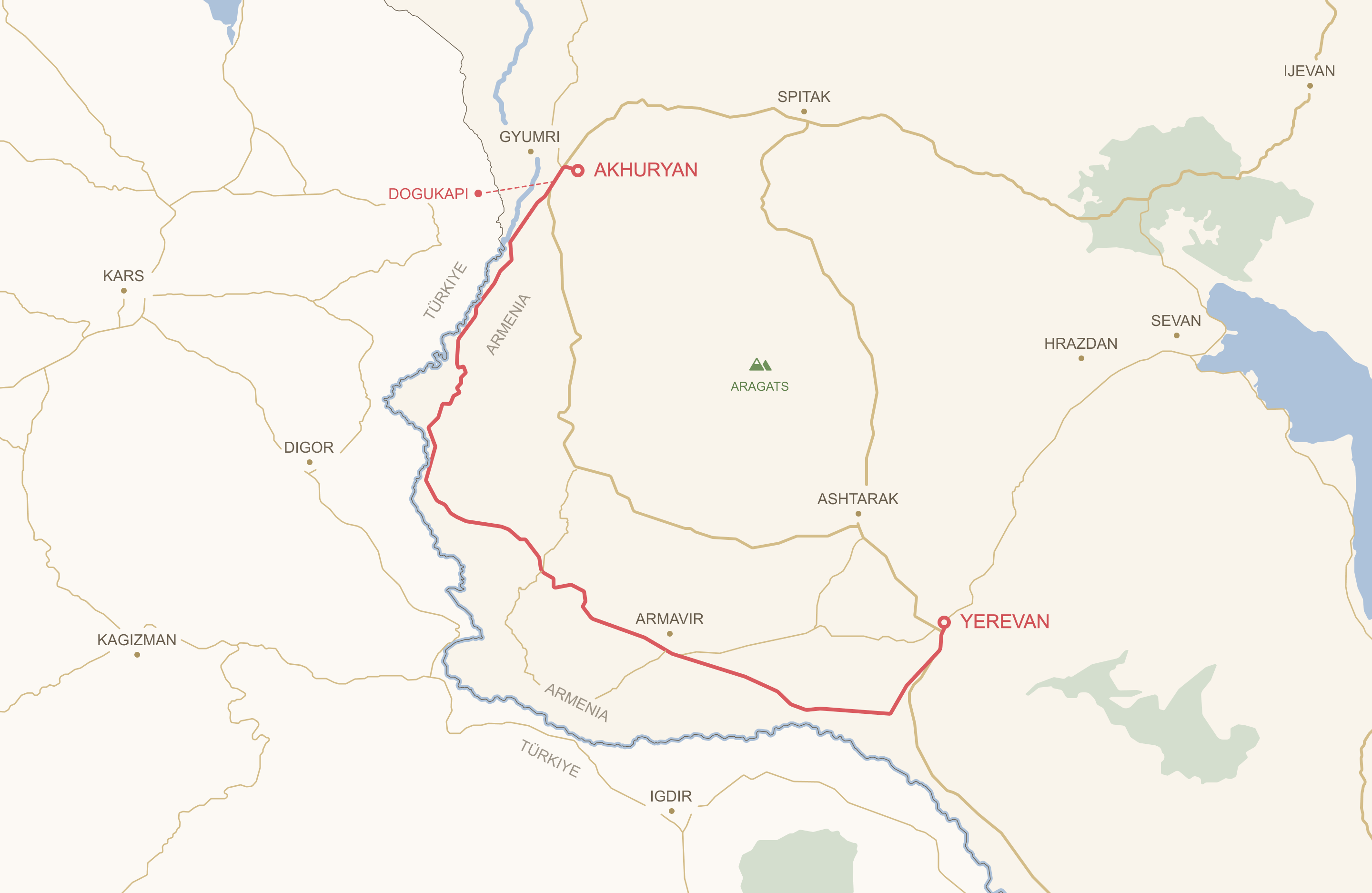
At the beginning of every conflict, borders are the first to be closed, and border areas, even when far from the fighting, are vulnerable to risks in lasting consequences. The construction of the first railroad in Armenia began in 1896 and over the 19th century, Armenian railroads became an important hub in the South Caucasus. But today, three out of four railway lines originating from Yerevan terminate at Armenia’s borders. Just one crosses into another country—Georgia.
As a consequence of the Nagorno-Karabakh conflict, all railway traffic from Armenia to Azerbaijan and Turkey has stopped: the tracks have been destroyed and stolen by looters, tunnels are blocked, stations and technical buildings are in disrepair or in ruins. The closure of these railways has destroyed inter-ethnic ties for many years and led to the economic decline in these areas.
But all the tracks do not share the same fate. Some of the tracks have been abandoned for miles and miles—and others have been maintained by the local community in the hope the railway route will reopen.
Akhuryan – Dogukapi
The railroad line connecting Armenia and Turkey was built in 1898 to support the Russian-Turkish front while Armenia was part of the Russian Empire. The railroad crossing saved many lives during the devastating Spitak earthquake in 1988 and lean years in the 1990s, enabling the transfer of humanitarian aid.
Akhuryan Station in the village of Garibjanian is the last stop before the Turkish border. Due to the first Karabakh war, the last train arrived in the station on July 6, 1993. Today Gyumri is the final stop for trains from Yerevan.
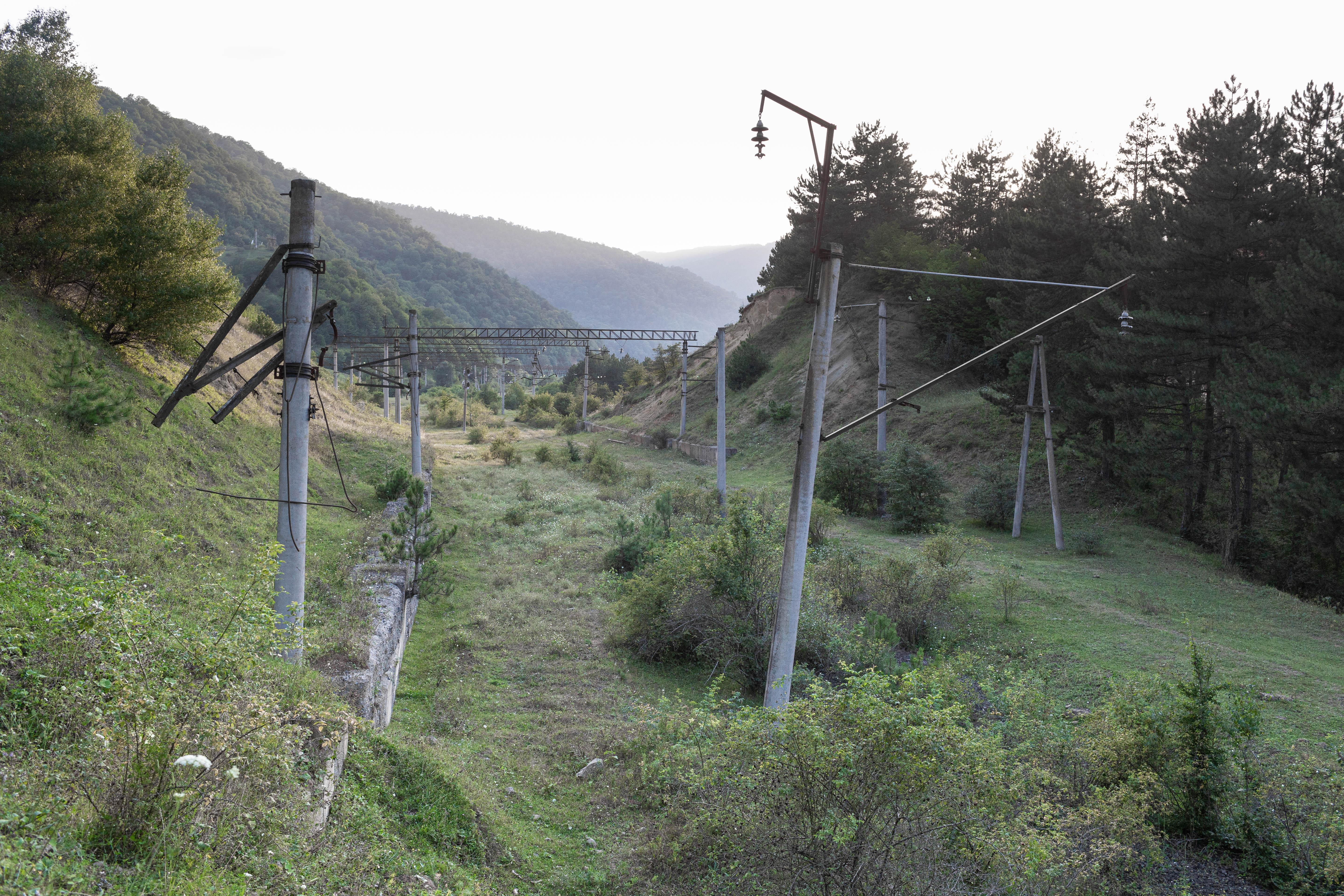
The station workers and residents of the surrounding villages first believed that the closure would be temporary, so they maintained the railroad's communications for a long time. Today, many of the buildings are abandoned but other elements of the service require work to restart. A reopening will require political will from both sides, however.
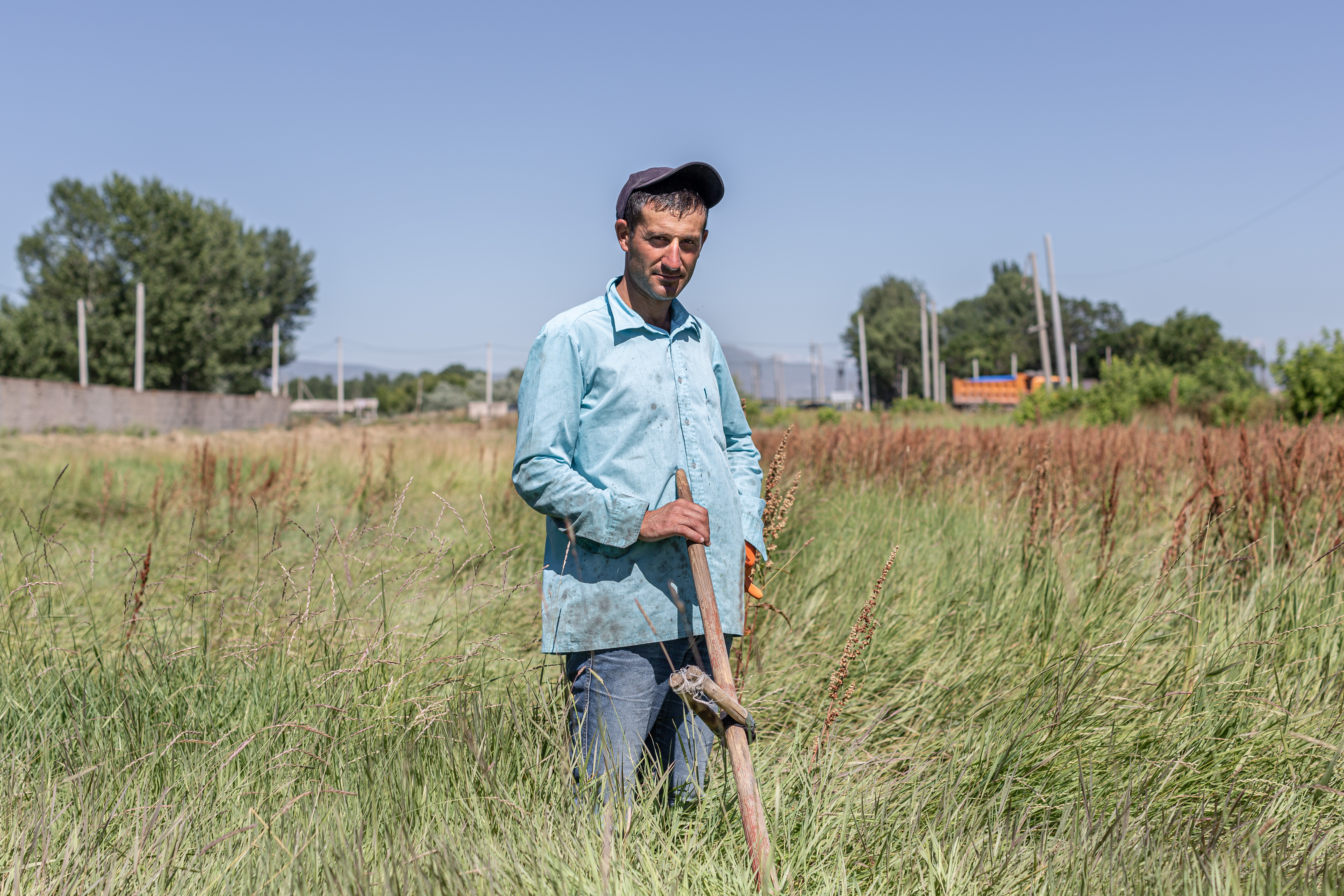
Andranik's house is 100 meters away from Akhuryan Station. In Soviet times, he studied at a technical school to work as an electrician on the railway tracks. However, by the time he finished his studies, the station was already closed.
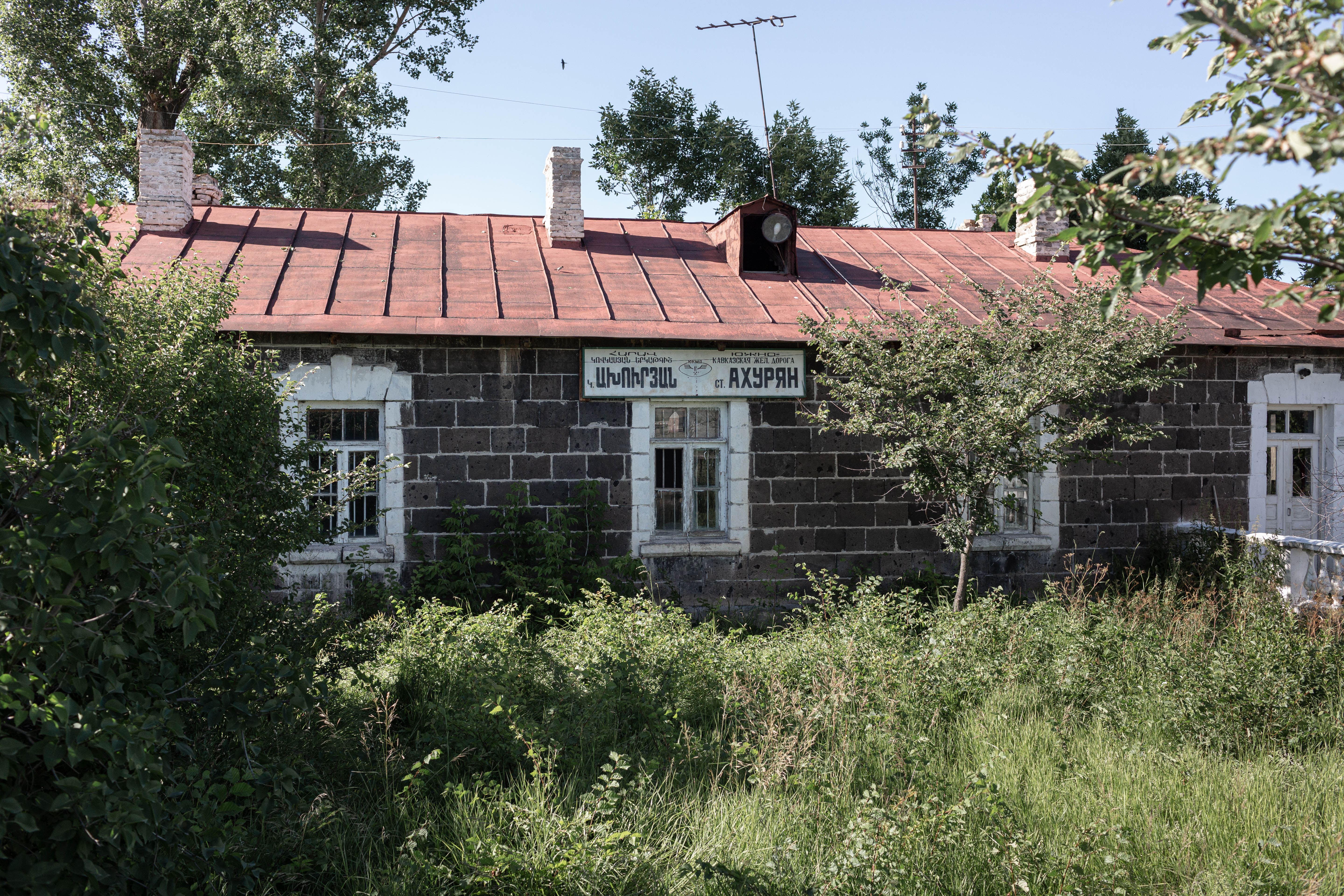
The main administrative building of Akhuryan Station. After the collapse of the USSR and before the war, for many people, the proximity to the border with Turkey was a source of income.
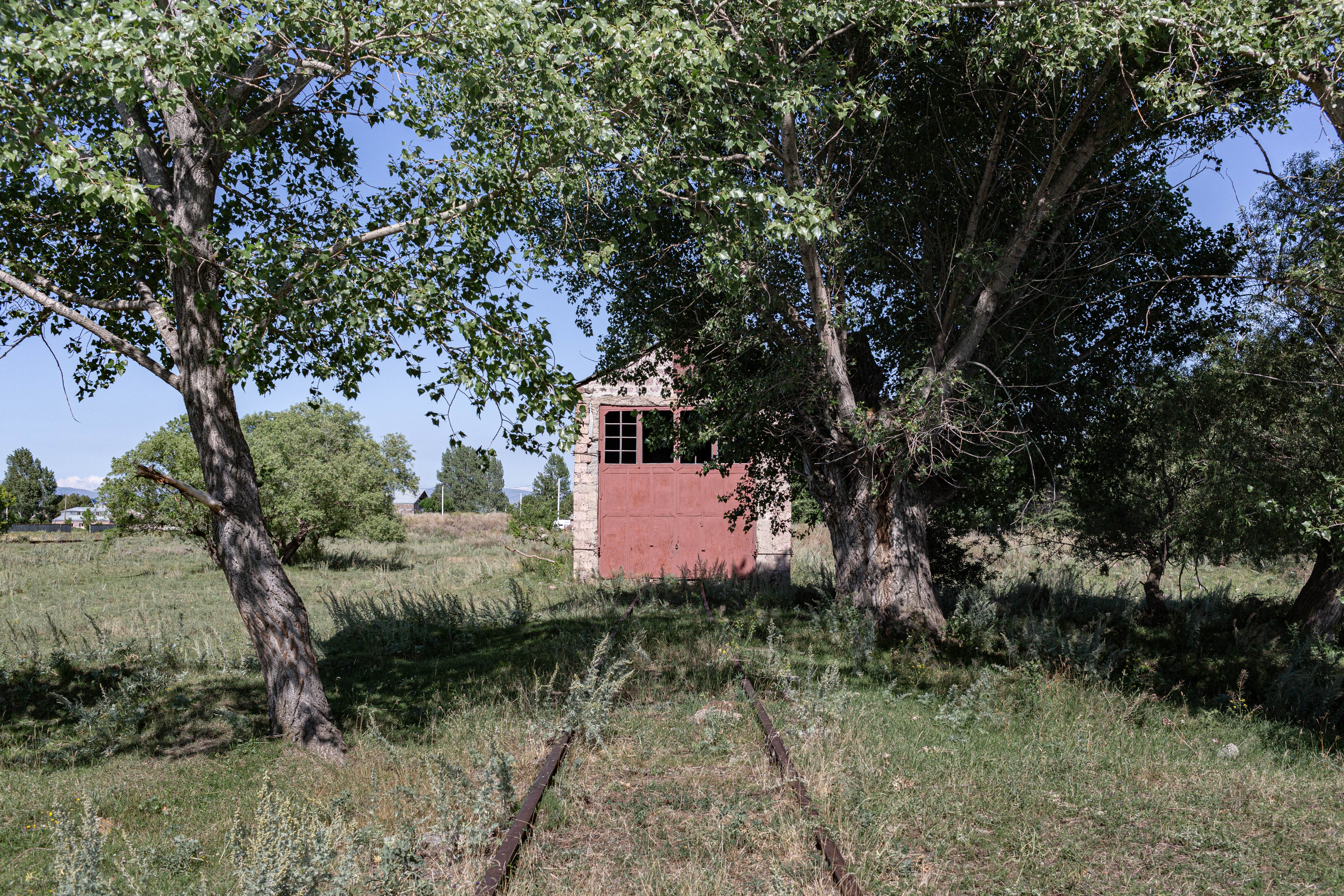
A locked garage for a locomotive. Soviet railway gauge was wider than the European track, so Akhuryan Station was a transshipment point for all cargo from Turkey.
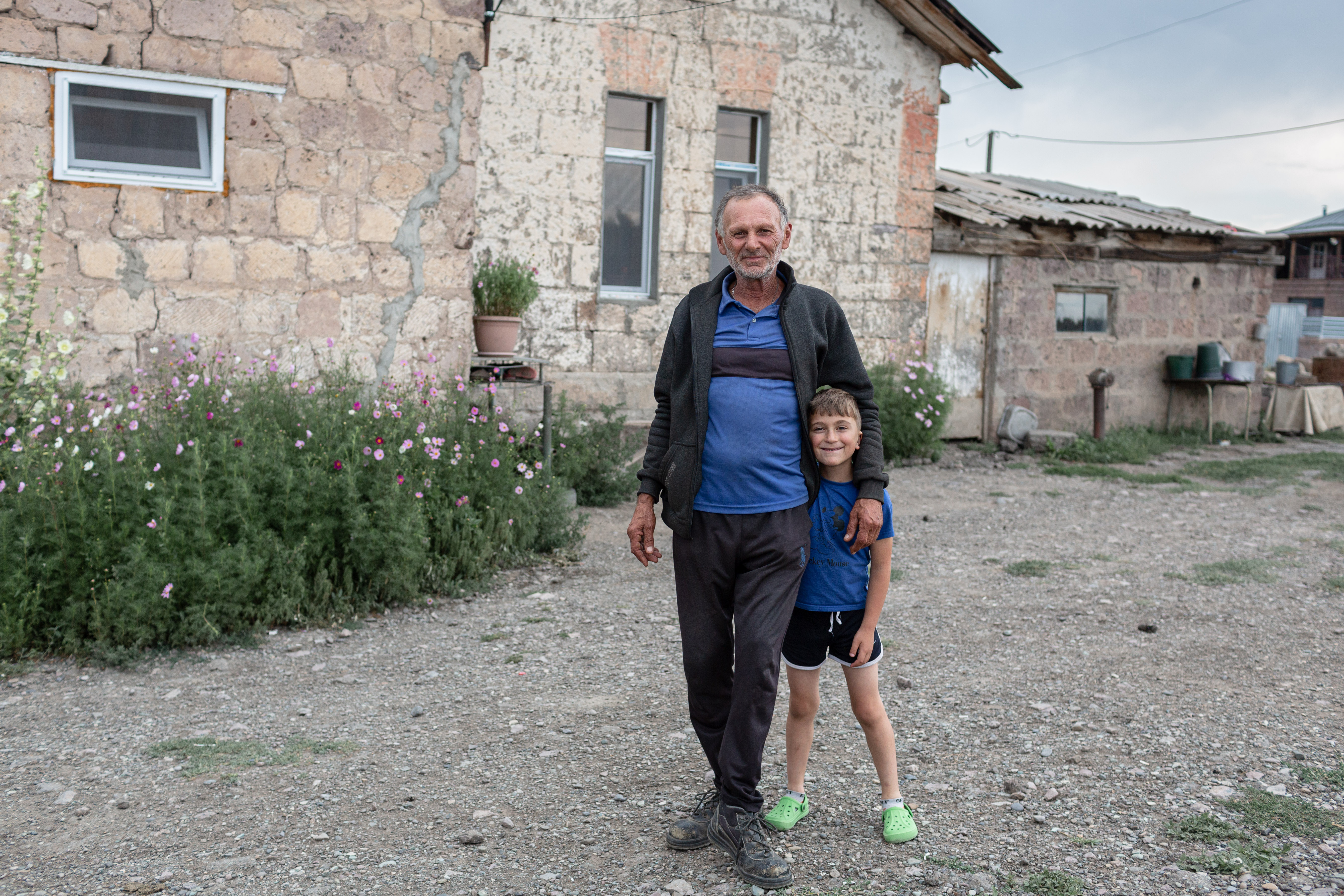
Vahan Gasparyan has the railway in his blood. His grandfather was the station keeper and the apartment building Gasparyan lives in was built for his grandfather. Before the border was closed in 1993, he worked at Akhuryan Station, and today he works with his wife as a station keeper in shifts, meeting and seeing off trains to Yerevan.
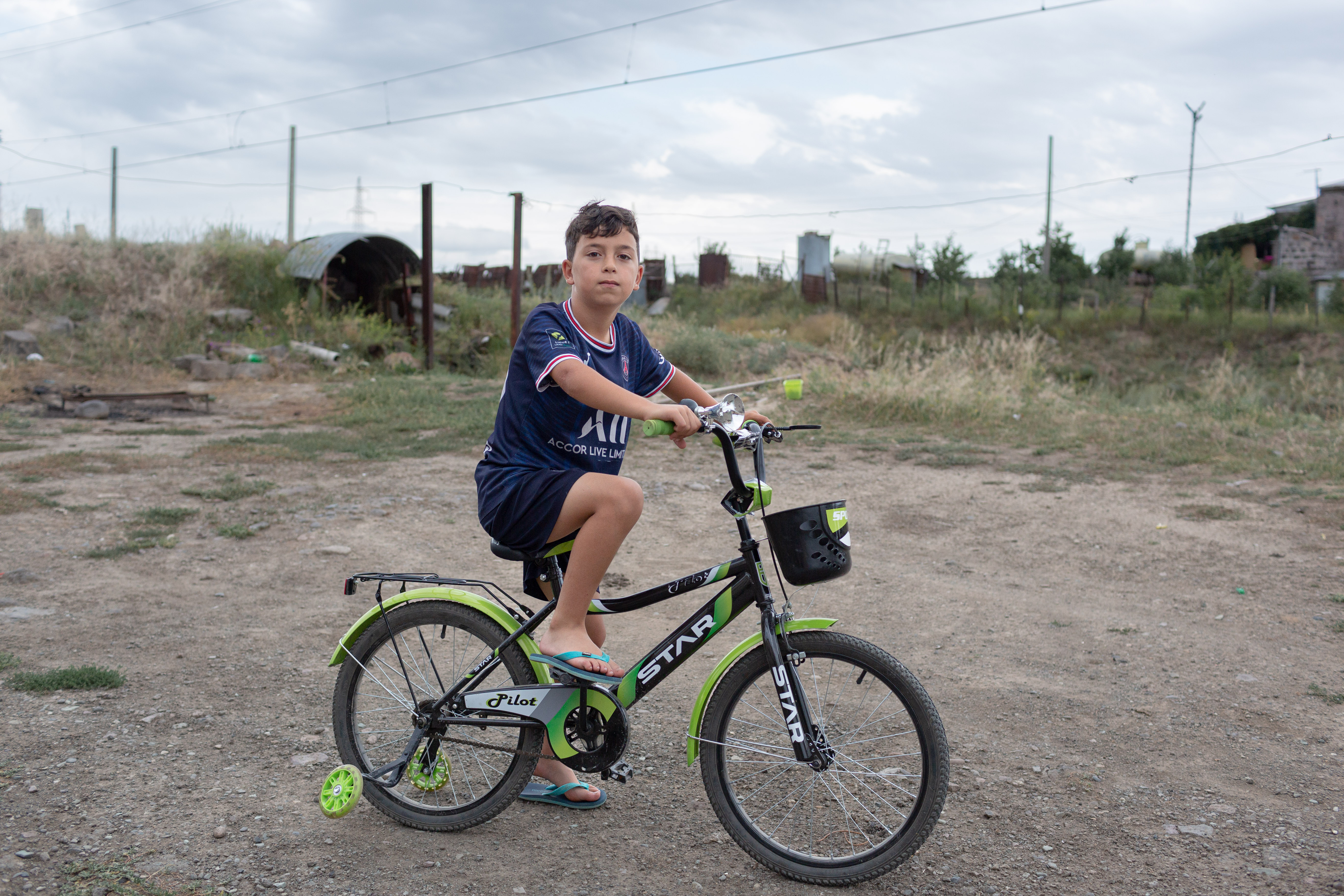
Martin lives with their grandparents in the same building, 10 meters from the railroad. He is used to the trains constantly passing near their house, but he no longer connects their lives with this profession anymore.
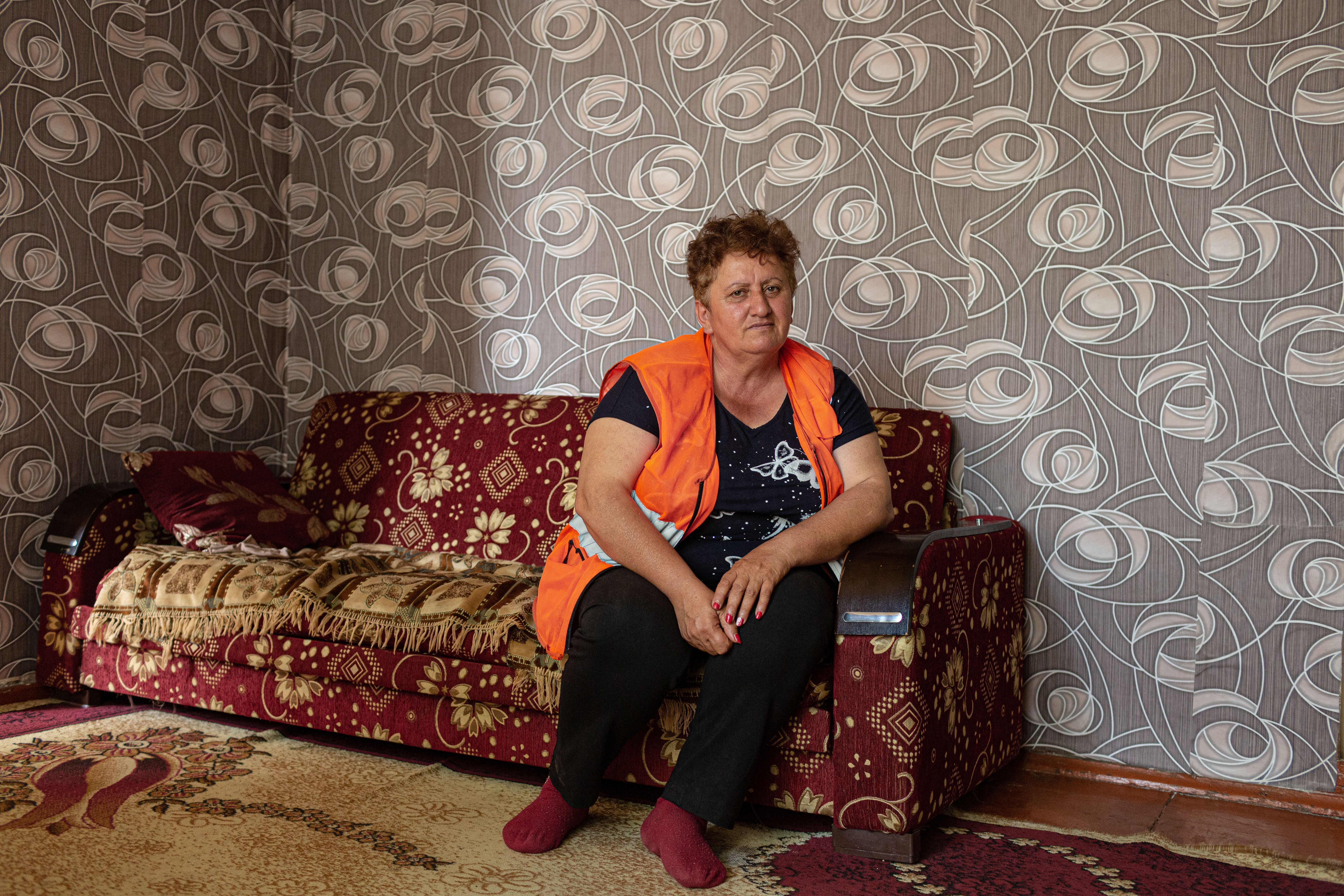
Metaksi, Vahana Gasparana’s wife, during her shift as line keeper.
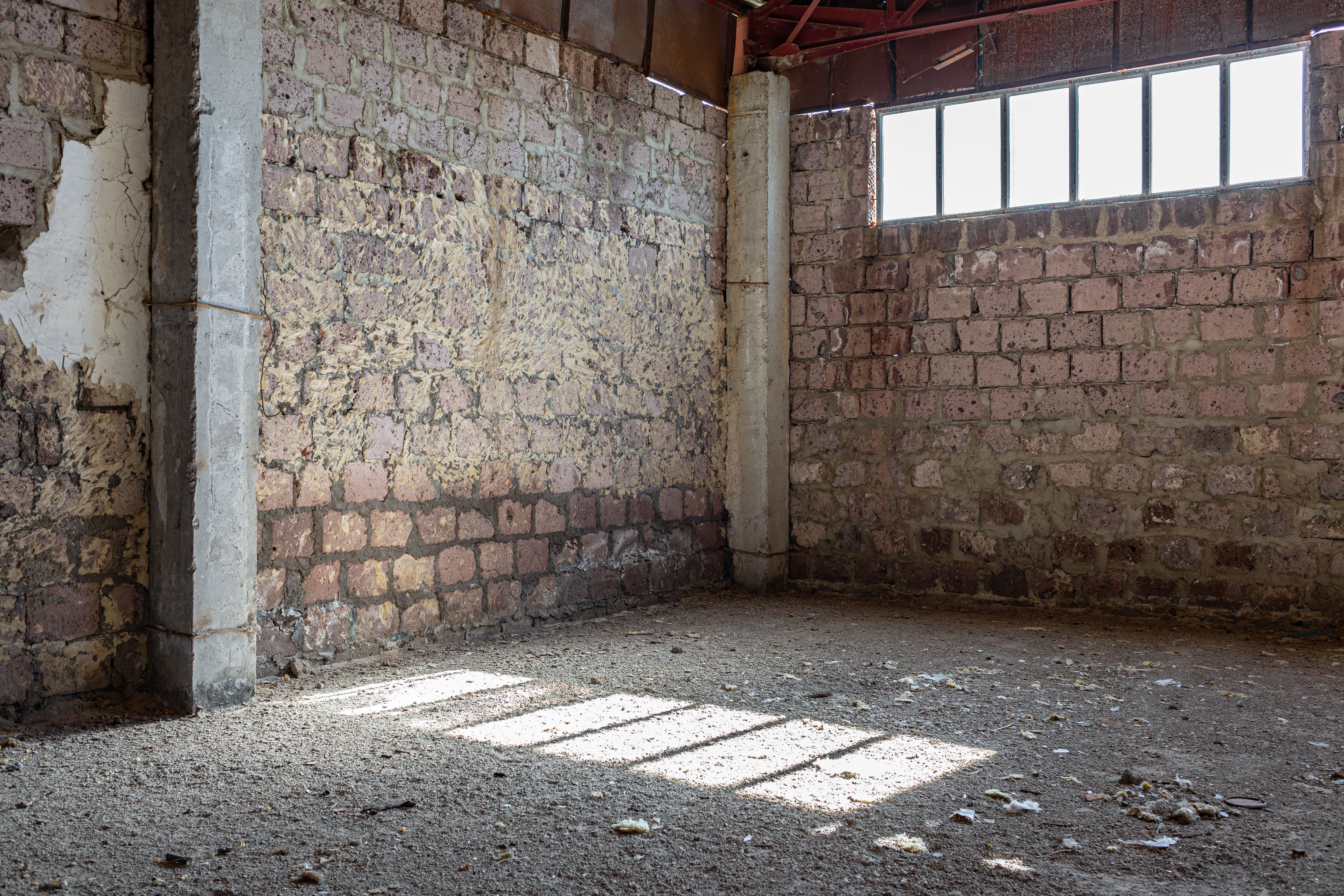
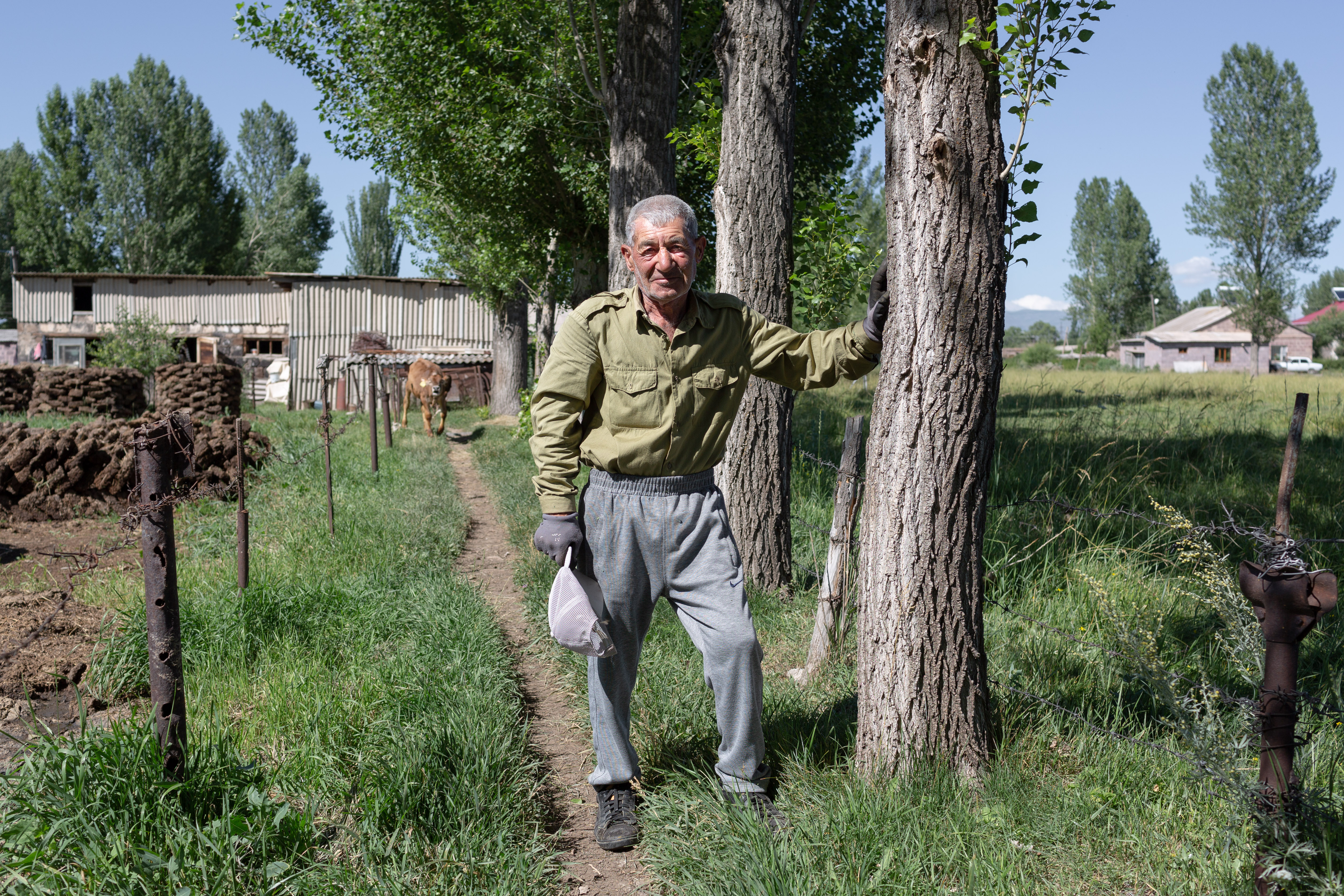
Valery lived all his life in the village of Garibjanian. He worked in the field and, after the station closed, he worked as a security guard at a poultry farm with cold storage facilities near the railroad tracks.
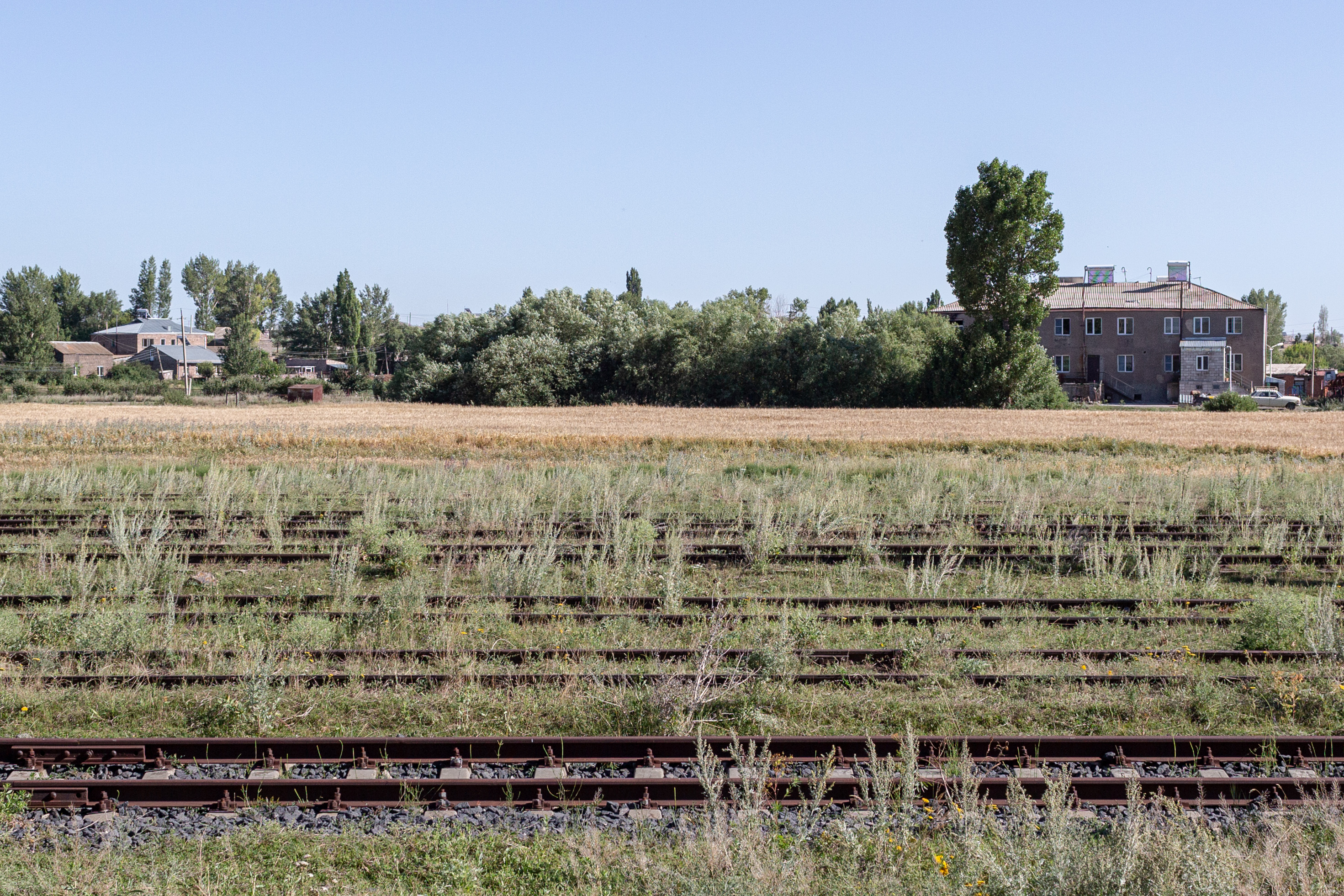
Until 1993, freight trains from Turkey were unloaded here. At its high point, the station had 120 employees. Once the railway crossing was closed, the station kept operating for eight years based on assurances it would reopen soon. But as the staff dwindled to only four, it was completely shut down.

Hrazdan - Ijevan - Kazakh
Construction of the railroad line to the Azerbaijan border started in the early 1970s and continued until the mid 1980s. It was a large-scale Soviet project, with workers from all over the USSR. In the end, the railroad line, which was built over 15 years, was in operation for just seven years. After the war and the border closure, the entire branch was abandoned. Today, almost the entire branch line is visible to the naked eye along the road to Ijevan. It remains a monument to the past, which the locals try to ignore.
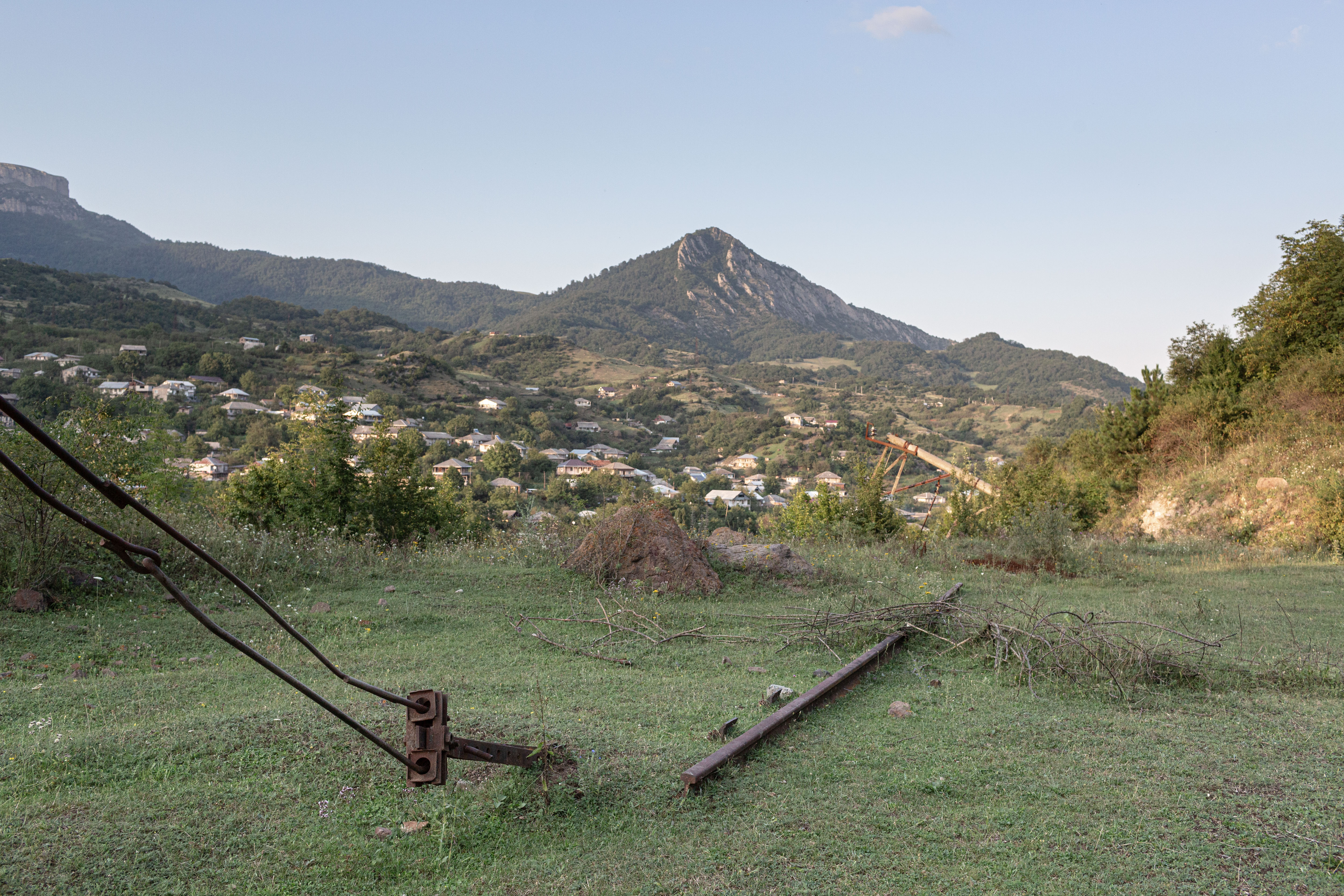
There were plans to build in this area in the 1960s, but the community was suspicious of large-scale construction in the mountainous landscape. The fears were confirmed after the railroad had already started operation. As a result of poor slope stabilization, many landslides occurred.
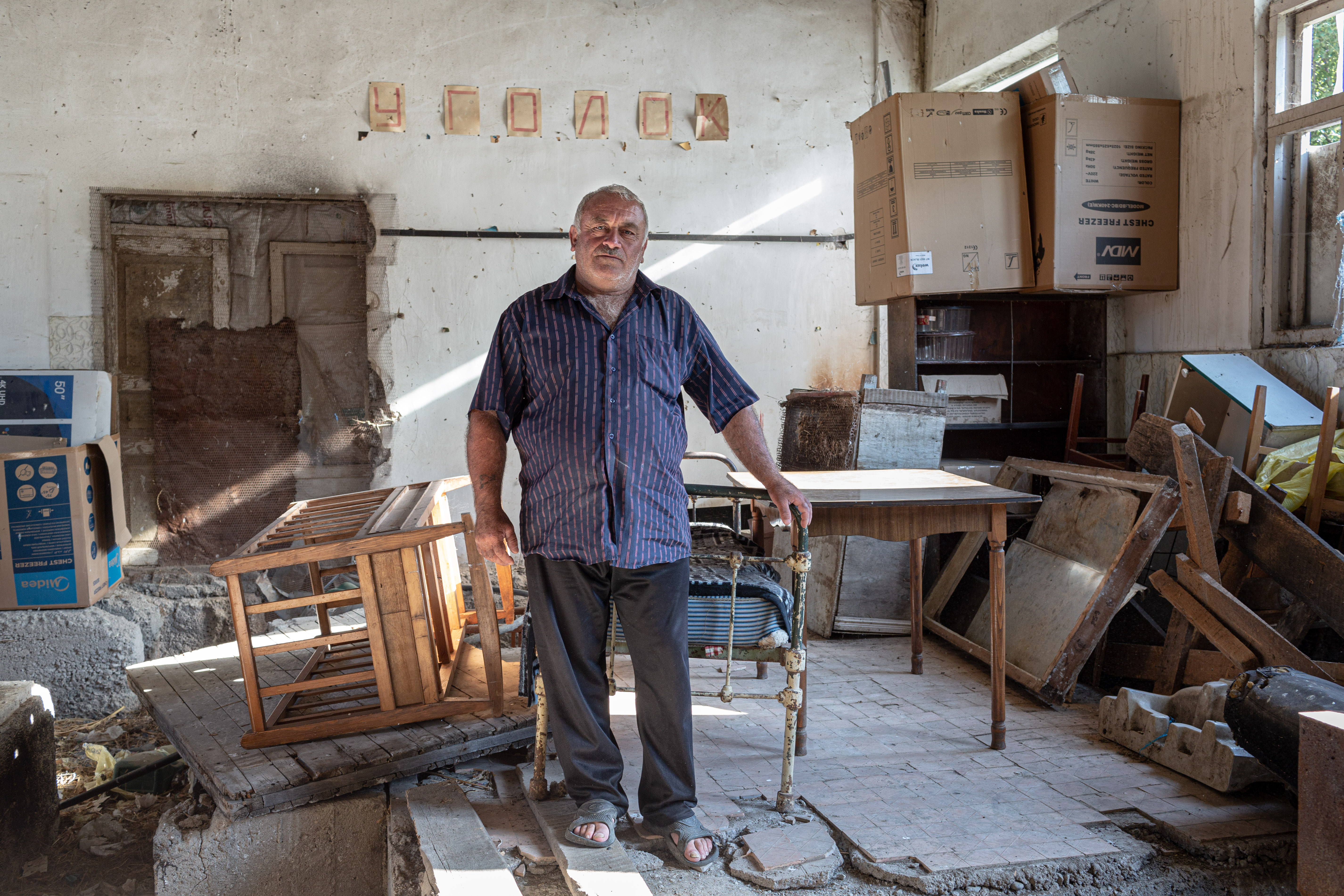
Kamo worked as an electrician at the station. An abandoned maintenance building is in his backyard. As Kamo says, "One day the railroad employees from the department came and took out all the technical equipment." Today it is used as a warehouse for unneeded utensils.
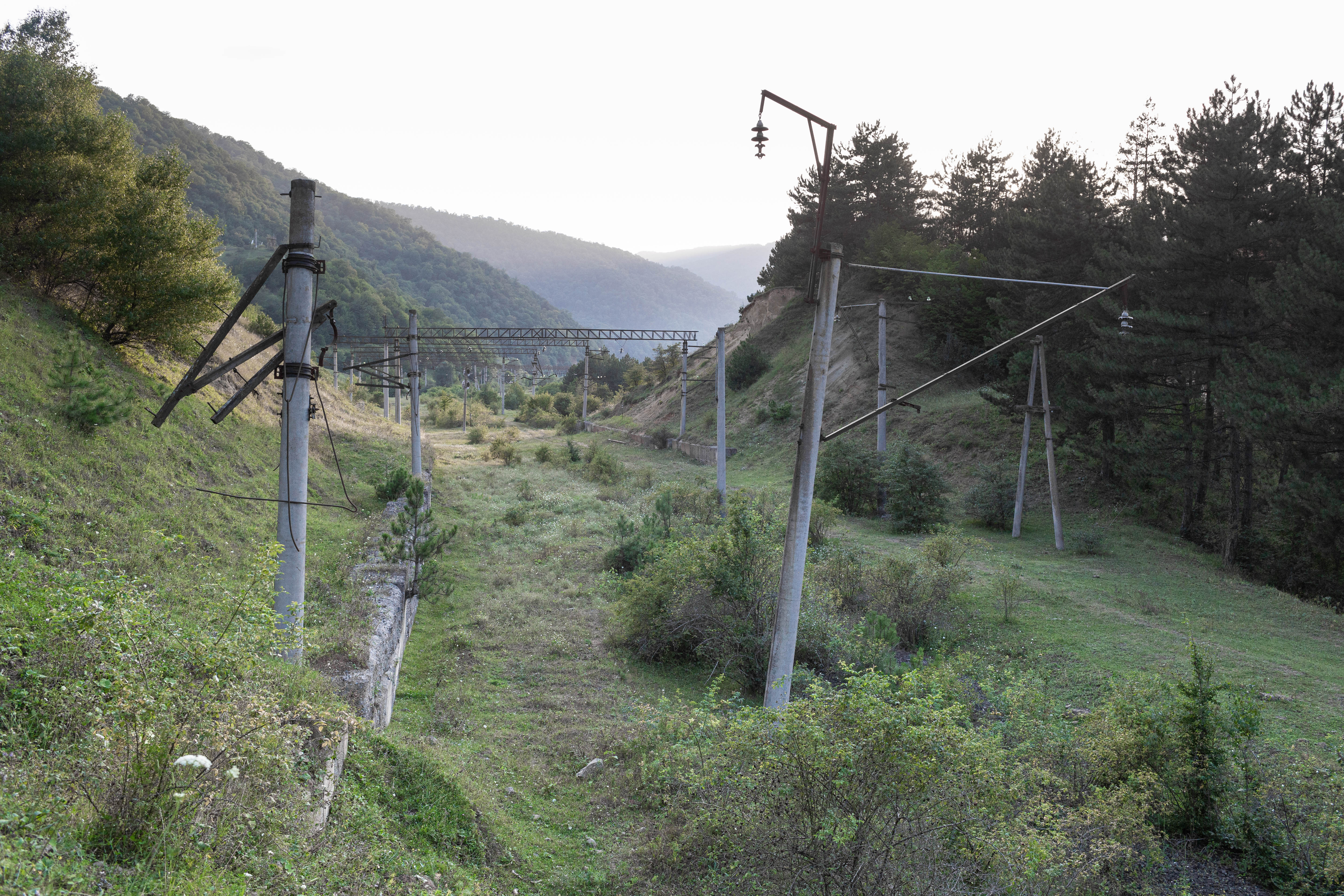
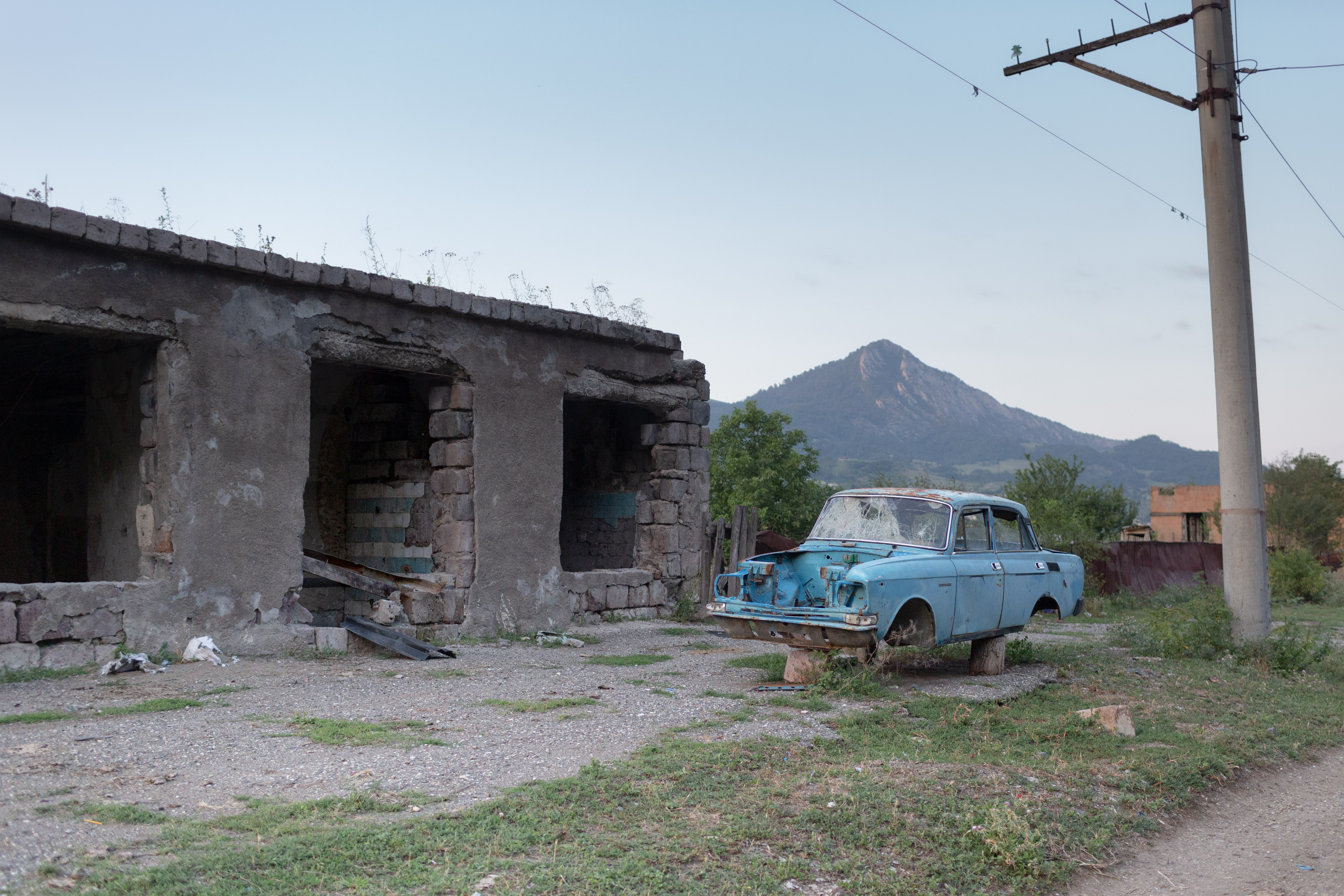
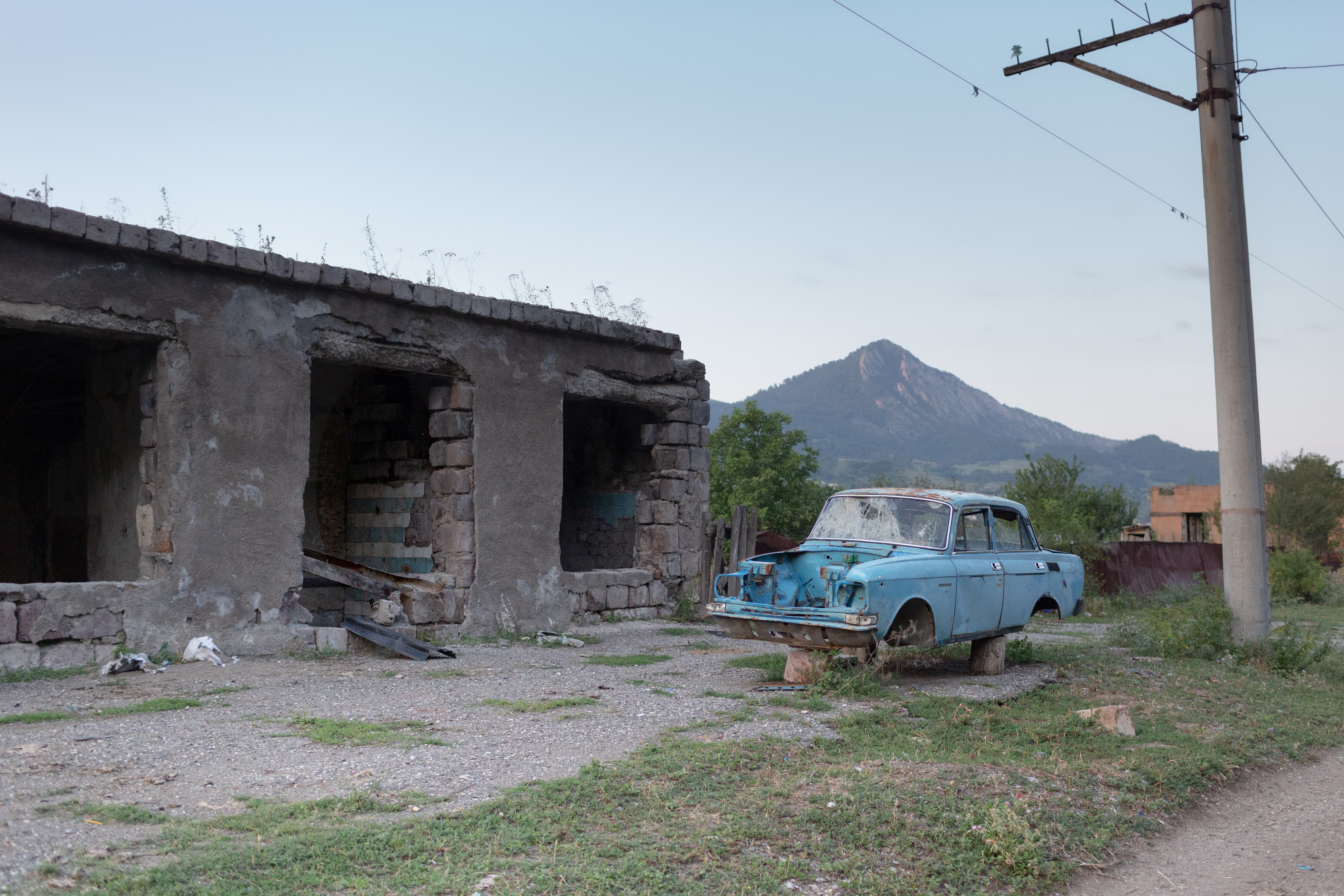
The destroyed remains of Kuibyshev-Kavkazskaya station. Some of the buildings are in ruins while others are used to store hay for cows and horses.
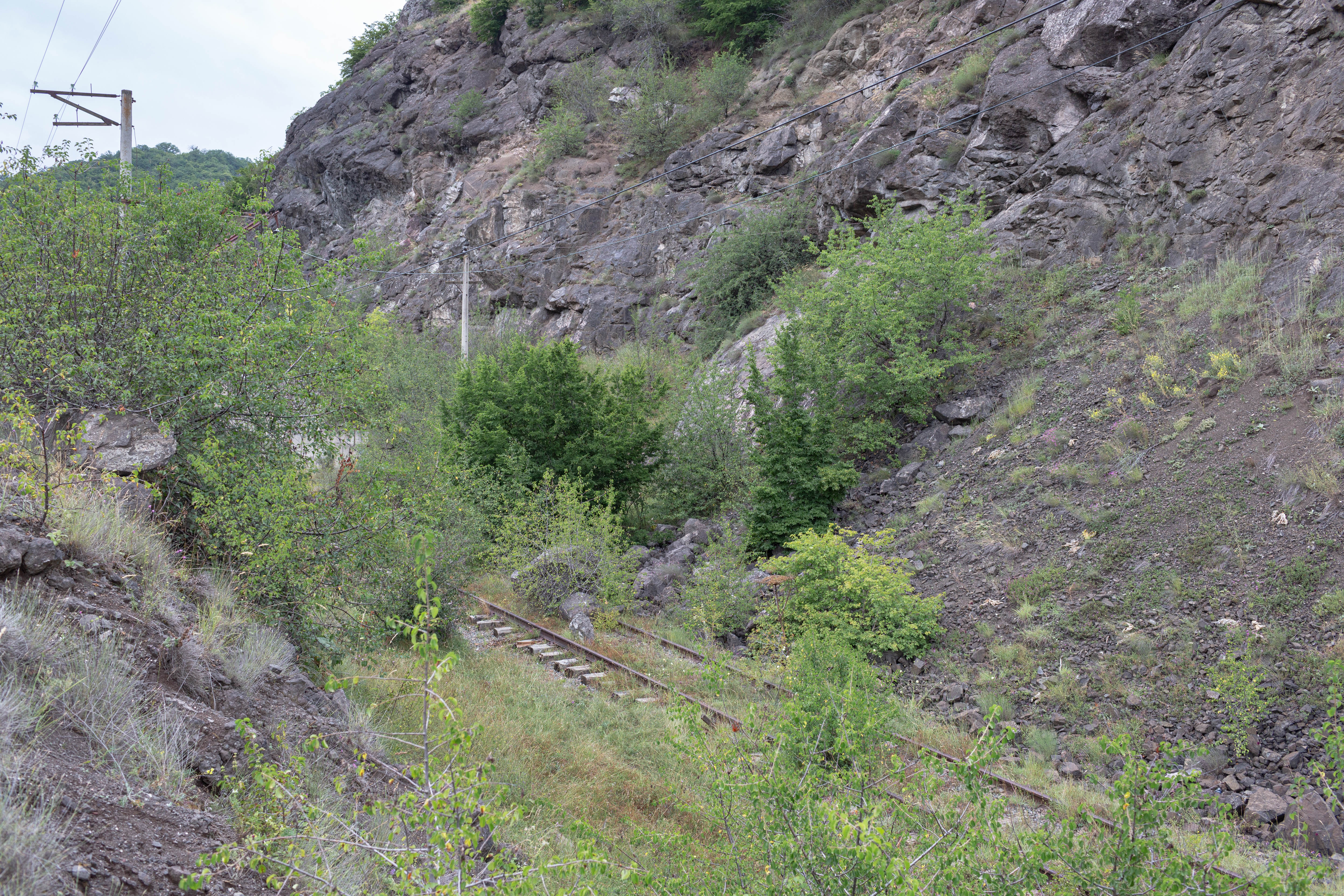
With each passing day, the cost of restoring the railway line grows as nature reclaims the territory.
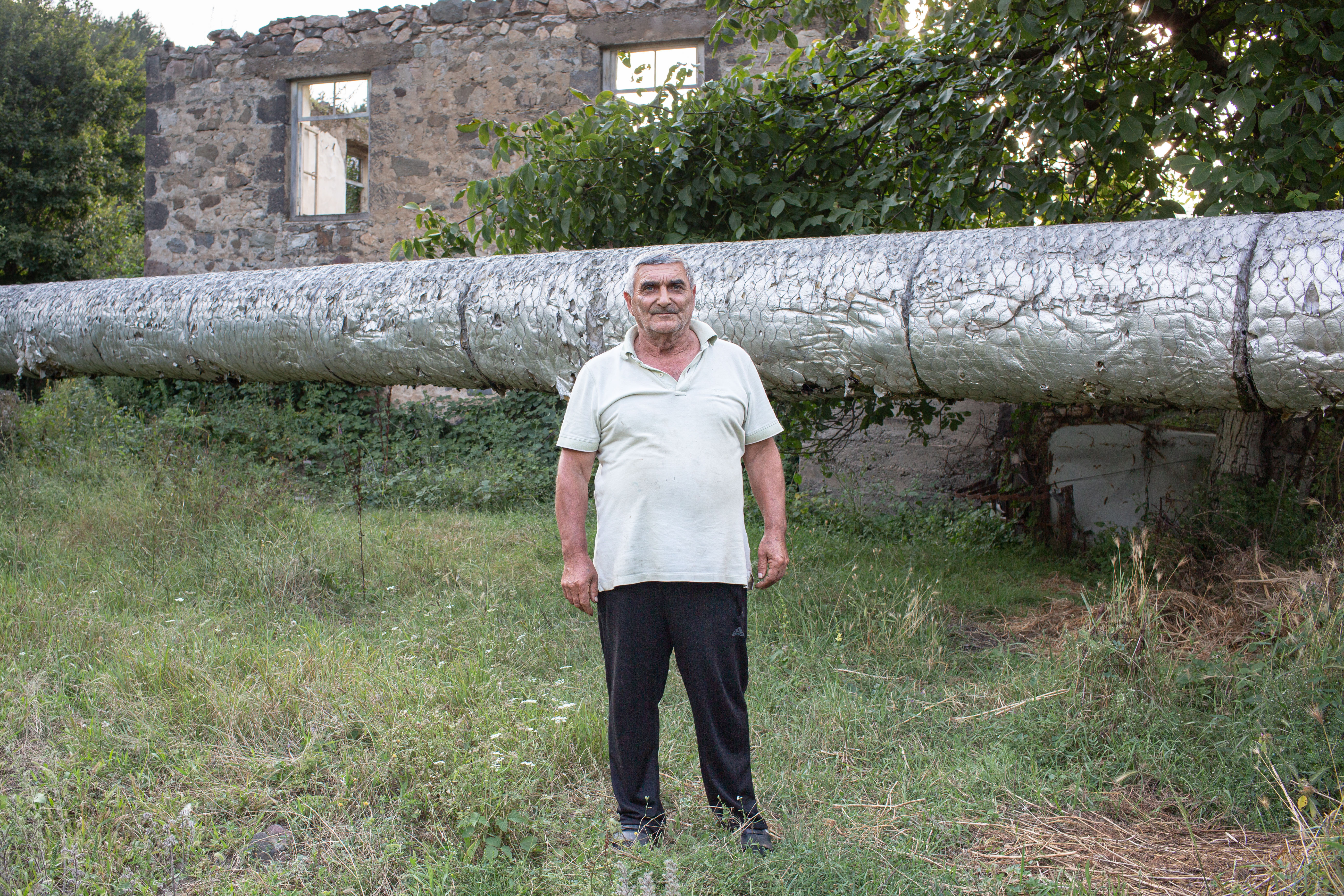
Vovik Tamrazyan was working on a bulldozer while the line was under construction. With the proceeds of his work, he built a house in the village of Agartsin. The landslide in 1994 pushed earth into his yard, but he still lives in his house—unlike many of his neighbors.
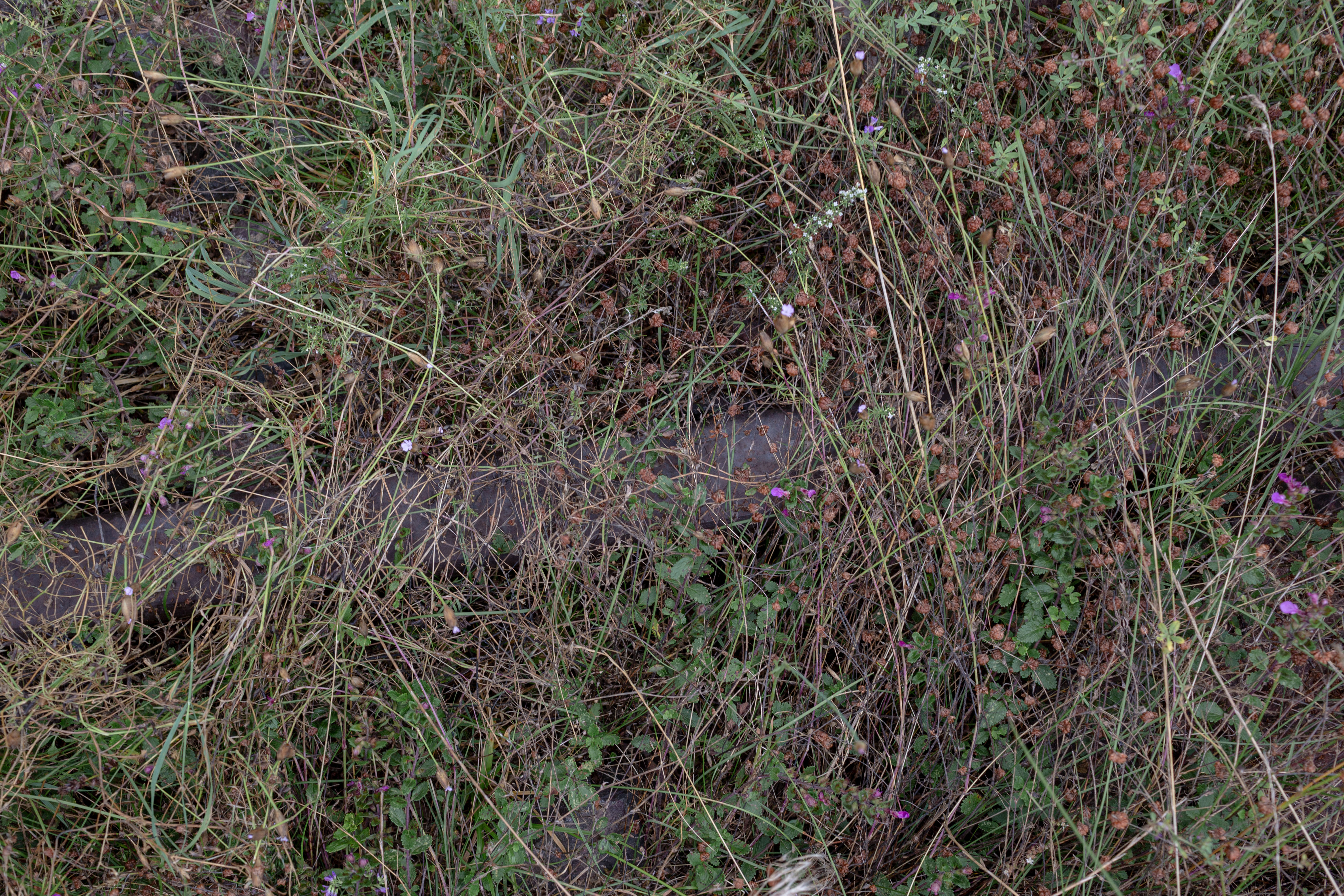
Almost 70 km of the railroad needs to be restored. Gyumri and Eraskh are currently served by electric trains, while Ijevan can only reached by car.
Eraskh– Heydərabad
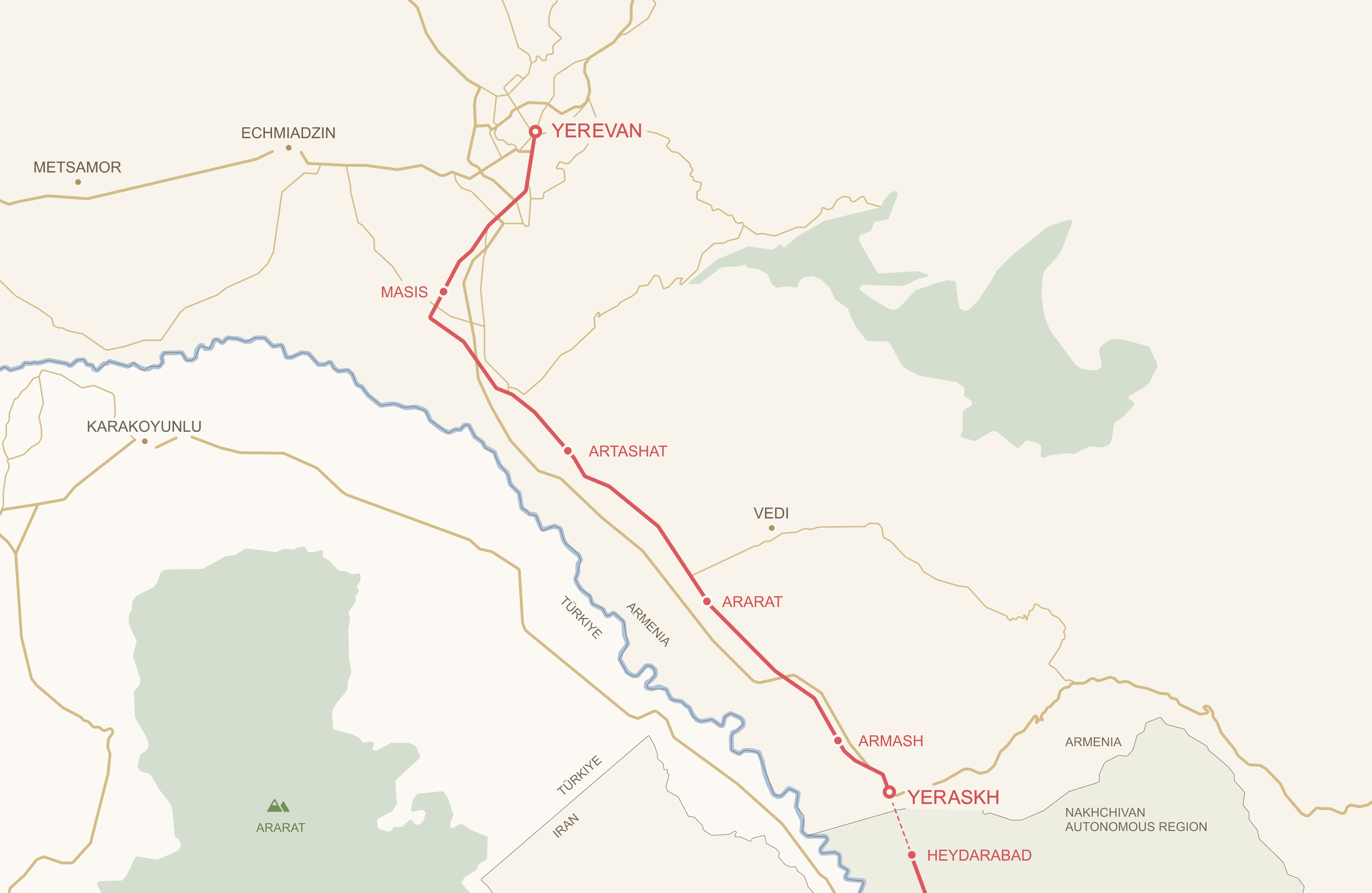
Before the Karabakh conflict, it was possible to get to Meghri, one of the most remote places in Armenia, through the Nakhchivan Autonomous Region. Today, the border is closed and only the village of Eraskh can be reached by rail from Yerevan. The village is near the borders of Turkey, Azerbaijan and Iran. Beyond it, the tracks have been dismantled and military posts are visible from around Eraskh.
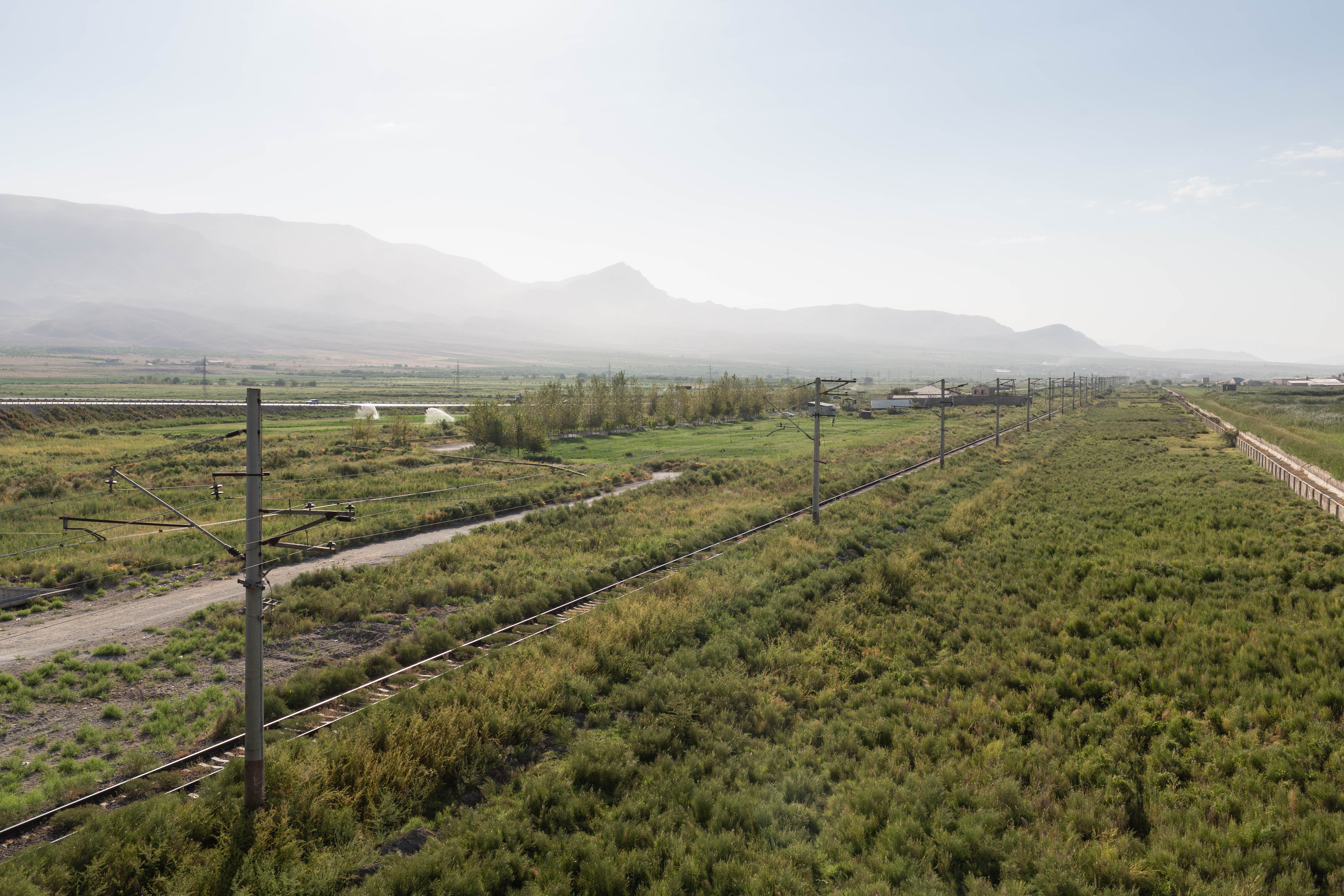
The railroad track to Yeraskh station, along the mountains of Ararat Province.
Before the Karabakh conflict, Eraskh was a large village, with factories producing wine and cognac products. The crossing railway lines made Eraskh convenient to live in at the time; today the population has less than 1,000 inhabitants. Armenians and Azerbaijanis lived and worked together in the fertile fields growing grapes, apricots and watermelons. The railroad station was surrounded by a large number of depots and trains in the parking lot—currently, they are in ruins and the station receives only one train a day from Yerevan.
After the Spitak earthquake, foreign investors, together with the Armenian government, planned to build a new city "Europolis" here, with a population of 200,000 people for the victims of the earthquake and Armenians displaced from Azerbaijan. However, the project was never realized, the ongoing conflict on the border with the Nakhchivan Autonomous Region did not allow the construction to start.
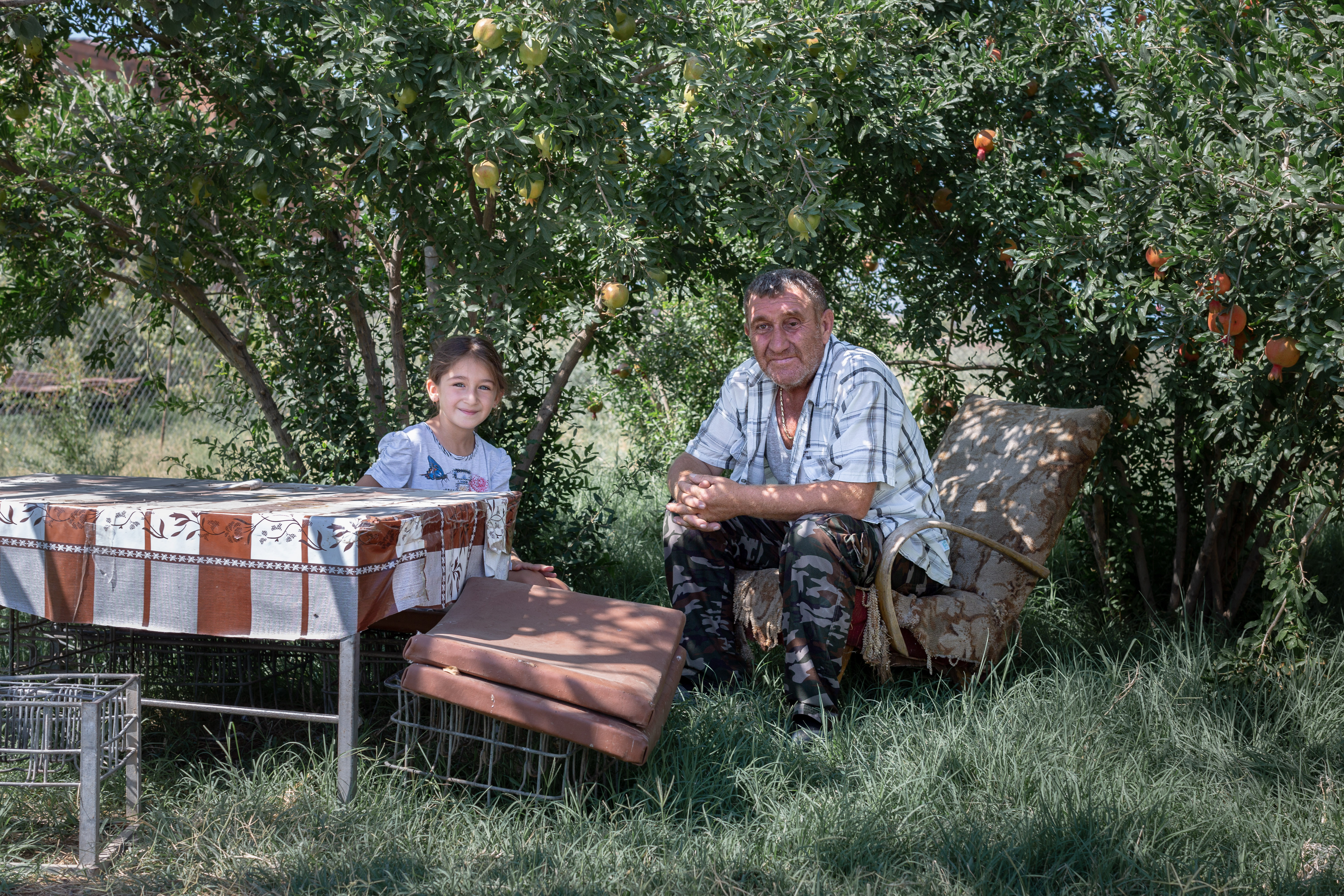
Vahram moved to Yeraskh in 1992, after being wounded in the war. He lives in a building built for the station's workers during the Soviet Union and witnessed the removal of this transportation line and the gradual exodus of locals to other areas.
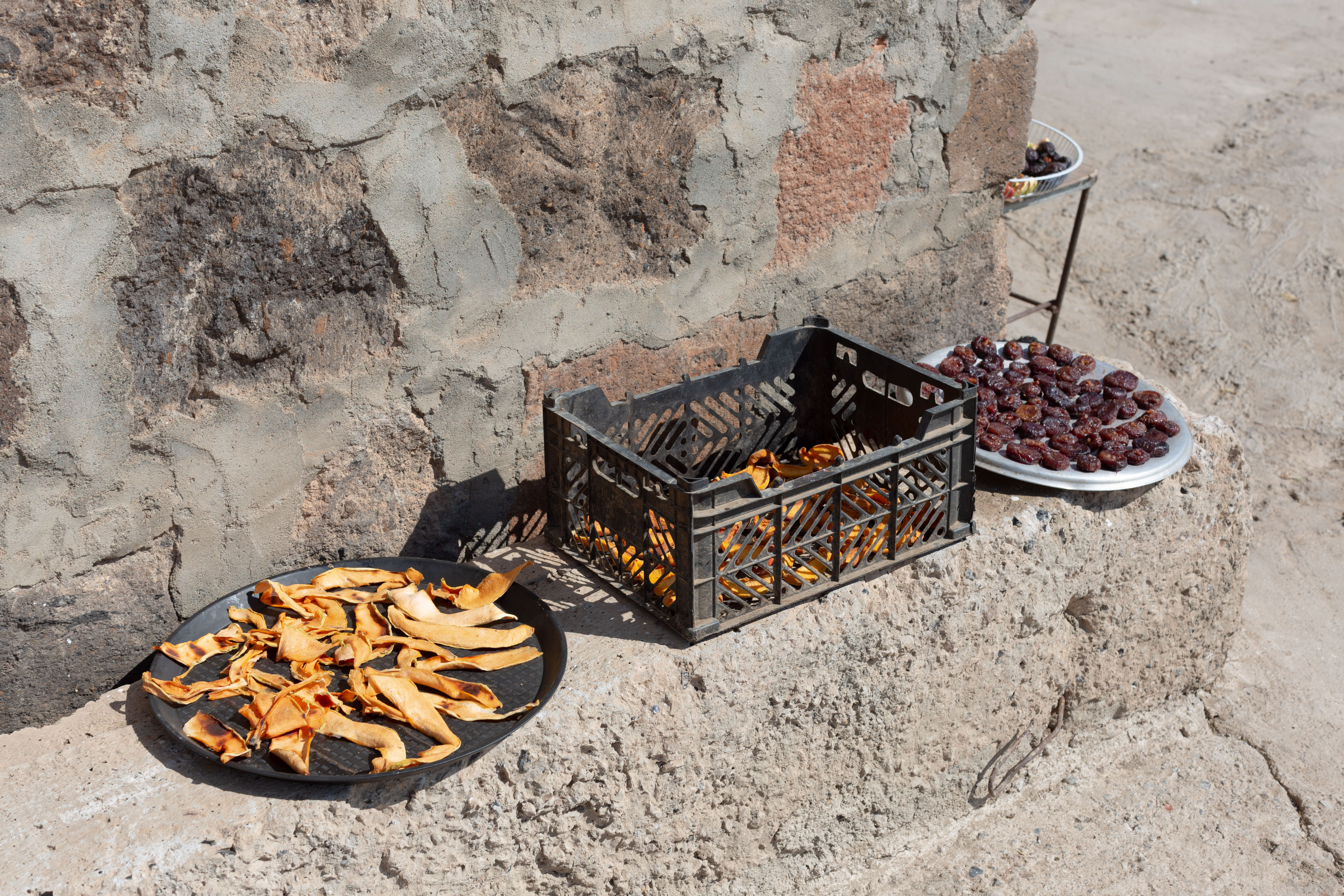
Sunken fruit in Vagram's courtyard. Yeraskh is part of one of the hottest and most fertile parts of Armenia, Ararat Province, where various types of fruits are grown.
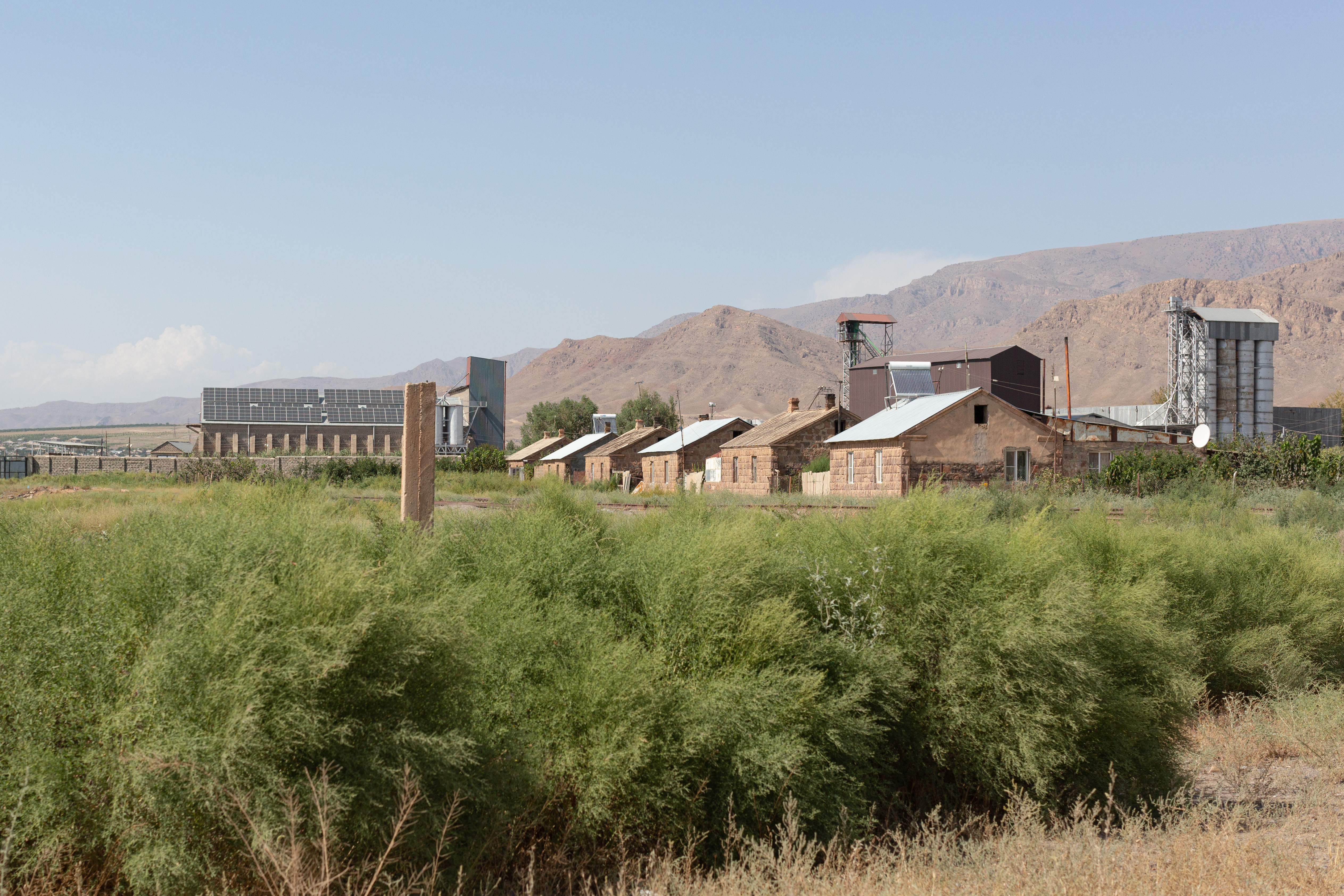
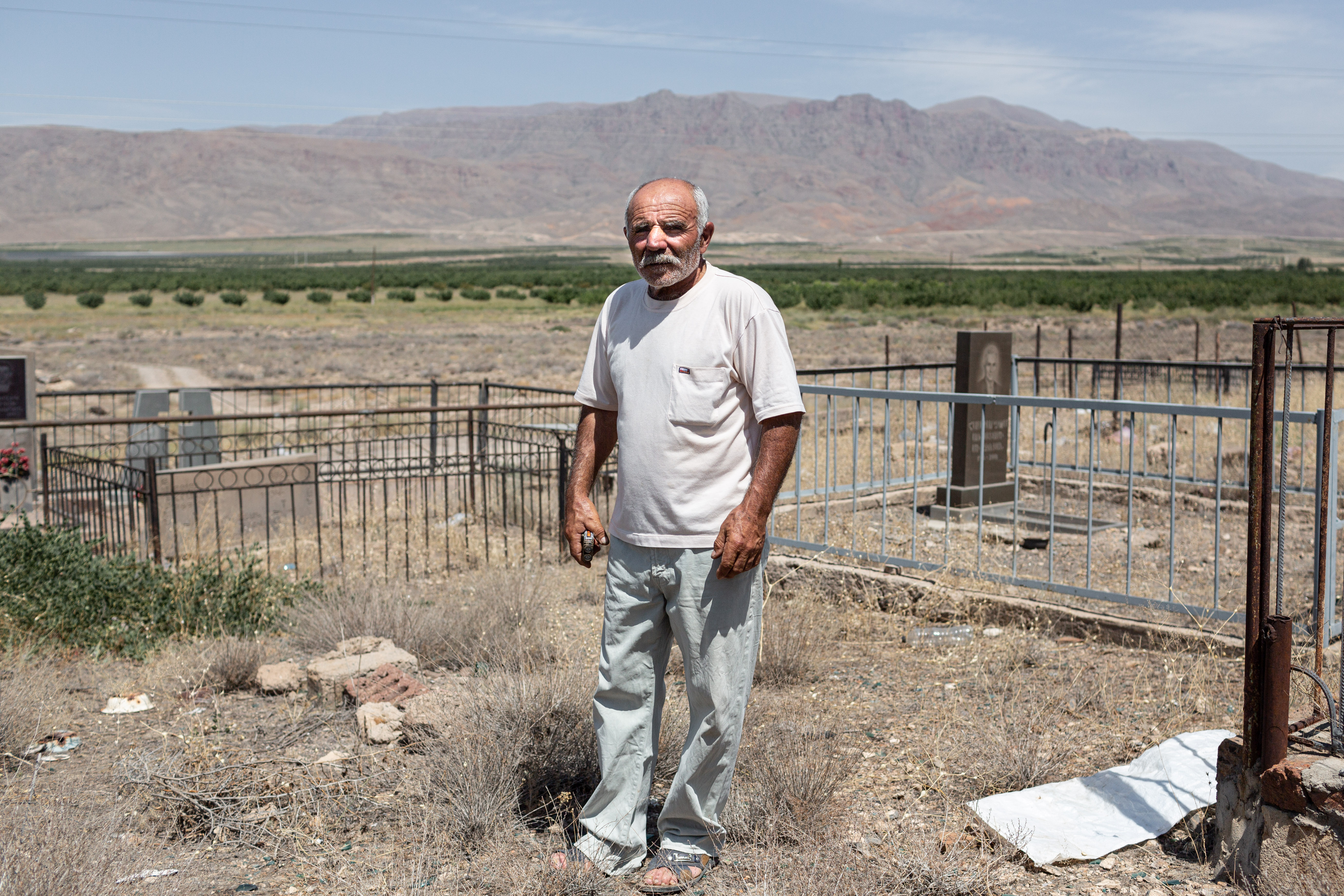
Yakov came to the village in 1986 from Gegharkunik Province, following his brother to work in the fields. He stands in the Armenian cemetery, where the first grave appeared in 1989. The valley behind him was intended for "Europolis". Yakov’s house is a hundred meters from the border and during the outbreak of hostilities, it was partially destroyed and he joined the fighting.
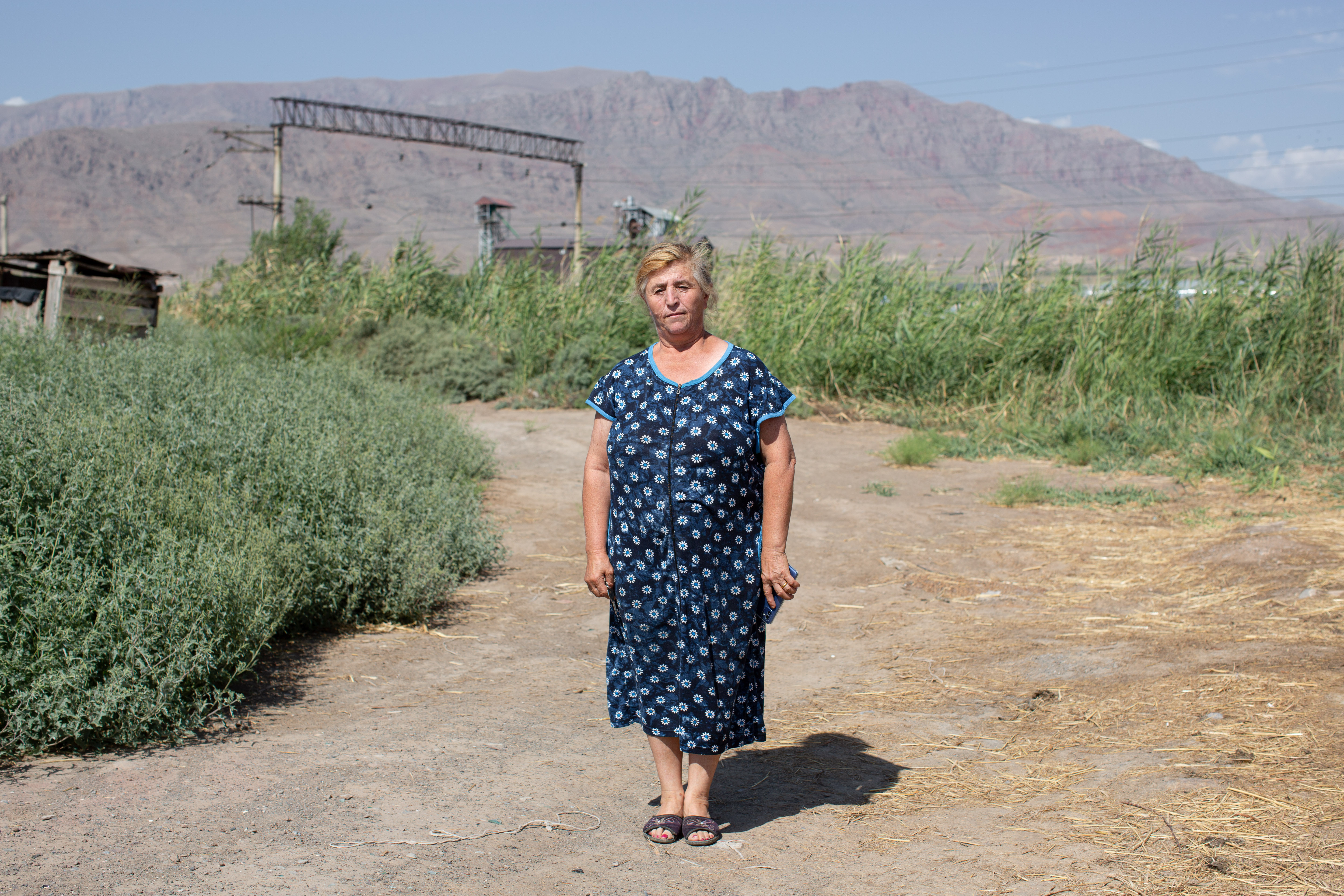
Ripsime is a local resident who came to Yeraskh as a bride in 1994.
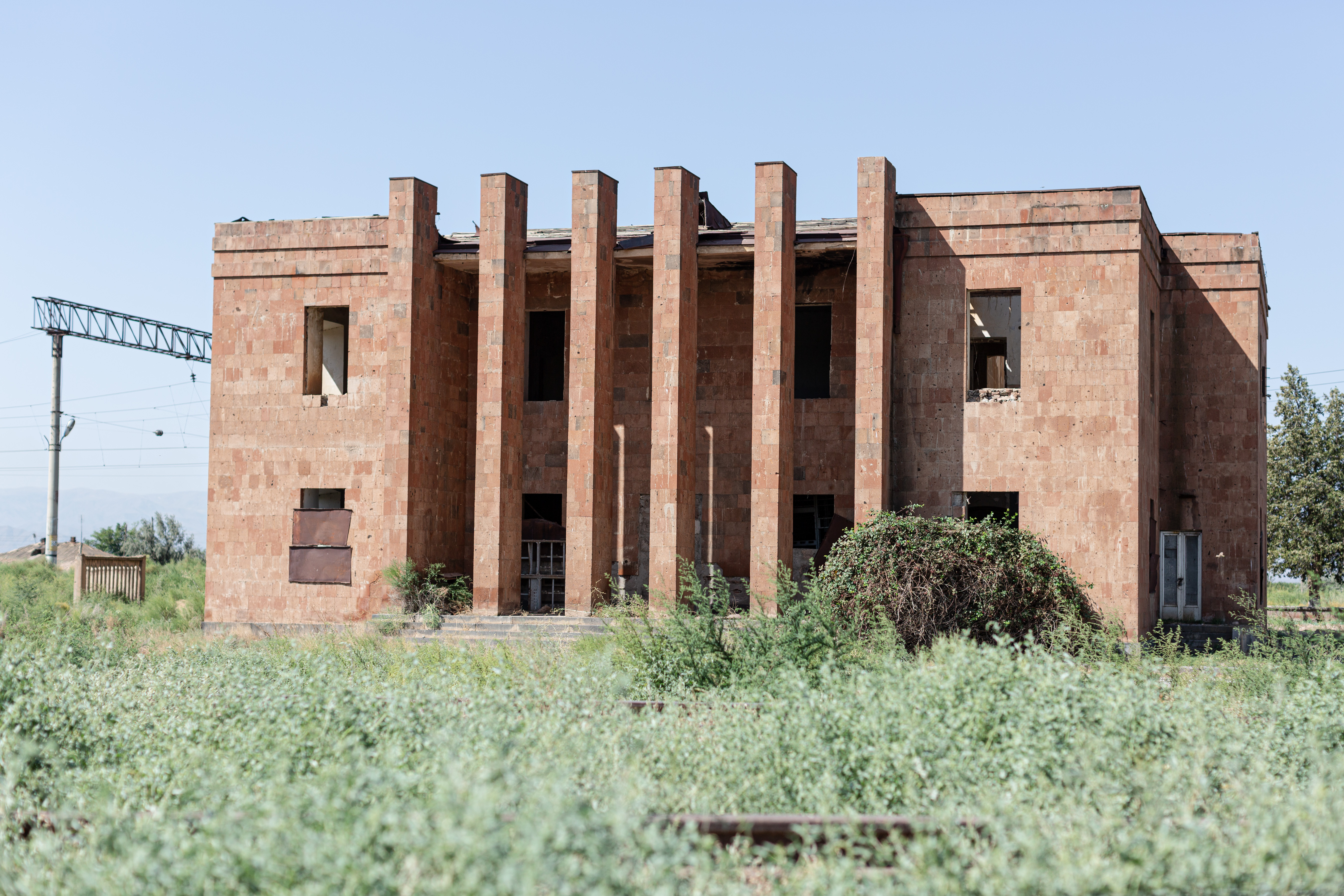
The main building of Yeraskh station, which is now completely abandoned. Inside the station, only bare walls remain. Today the passengers of the electric train just walk out onto the platform.
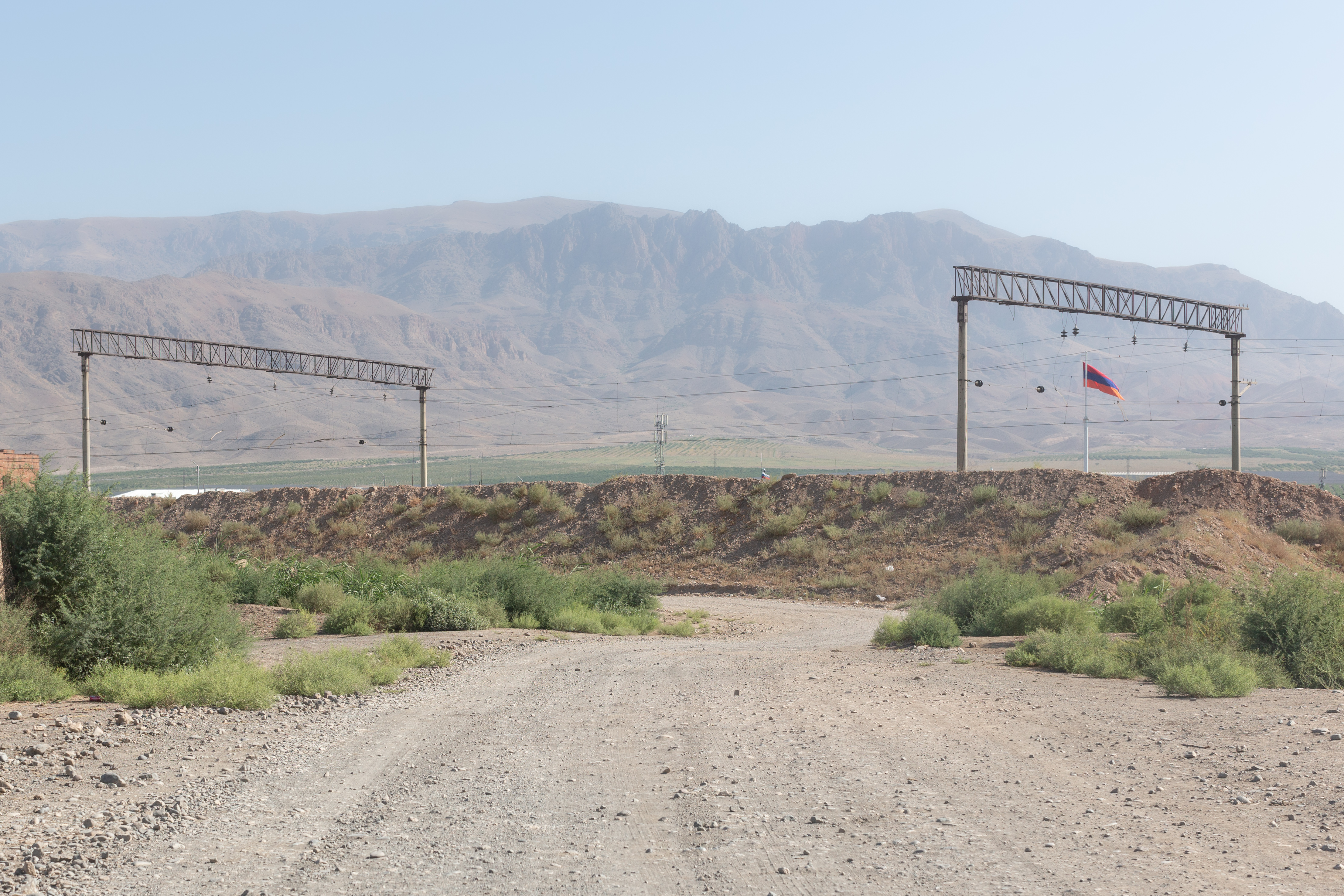
Artificial mounds surround many important buildings and homes in Yeraskh to prevent shells and bullets from hitting them.
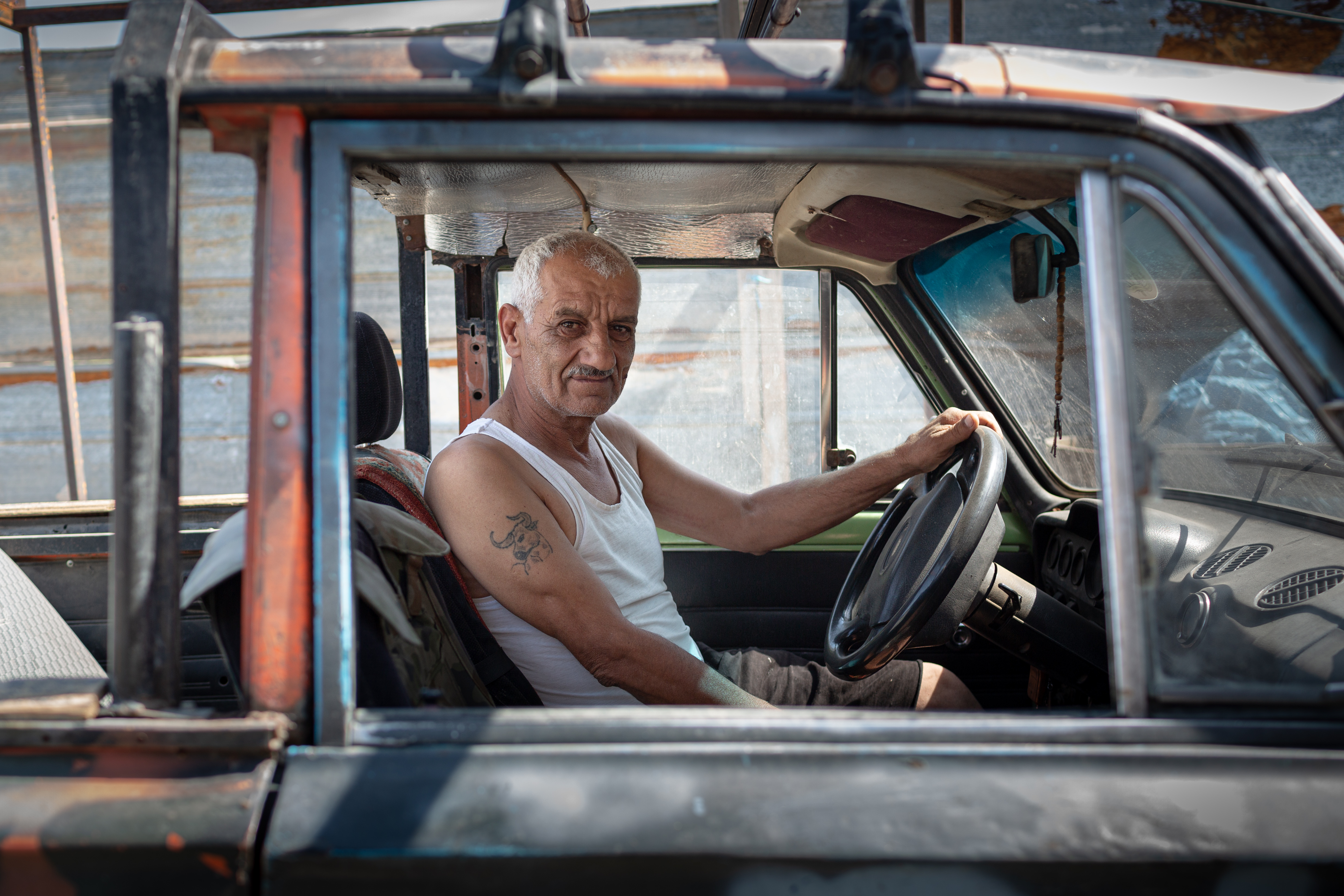
Saro has lived his whole life in the village of Yeraskh, repairing and restoring cars. The car he's sitting in has been refurbished for the Second Artsakh War. He remembers living with Azerbaijanis. He said they lived as a community and while sometimes conflicts occurred, they were solved peacefully.
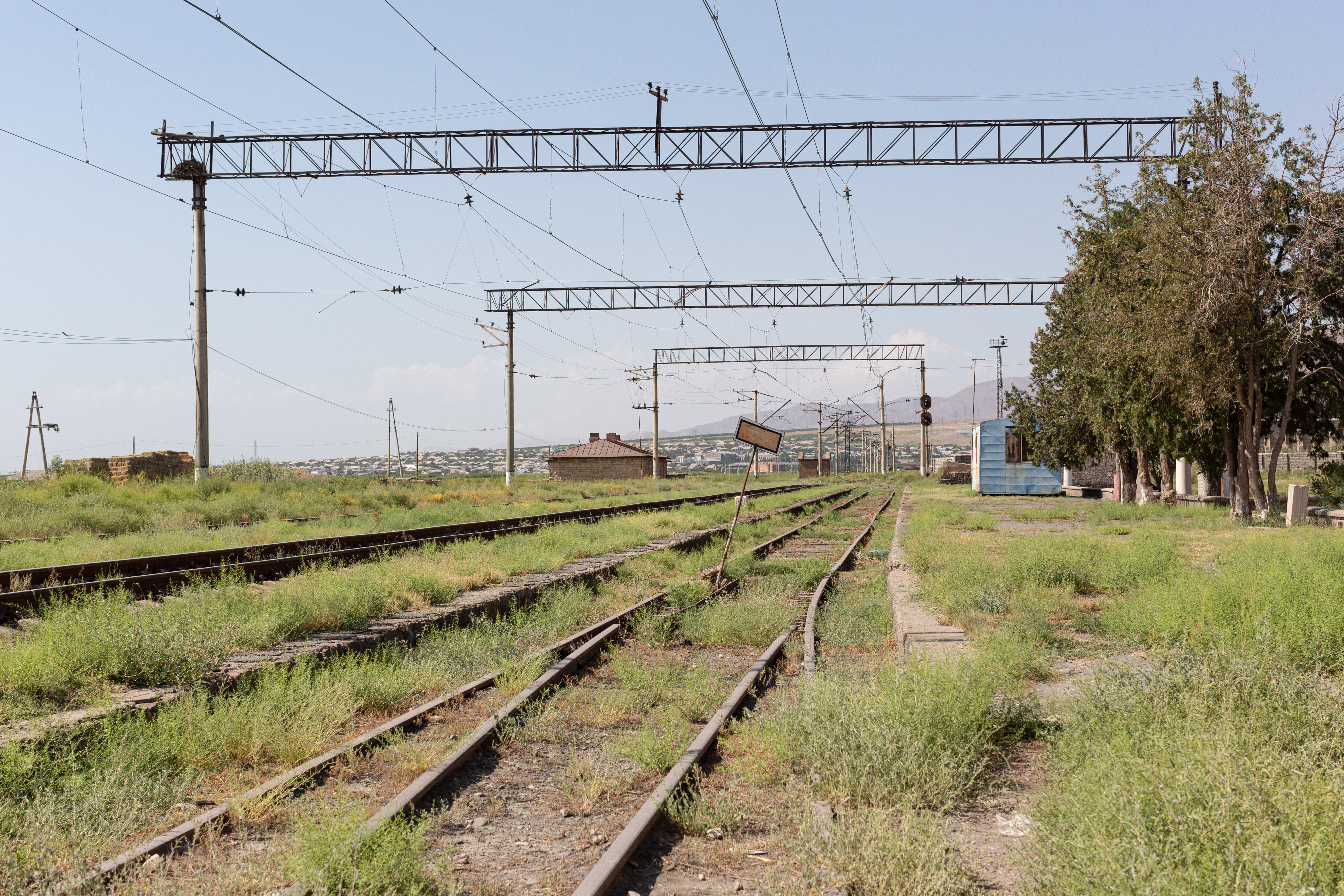
Railroad tracks of Yeraskh station
This photo story was produced in the framework of Chai Khana Fellowship program - Summer-Autumn 2023.
This photo story was prepared with support from the Friedrich-Ebert-Stiftung (FES) South Caucasus Regional Office. Opinions expressed do not necessarily reflect the views of FES.