

Photo Story
Archive
Game changer: A generation of Georgians breaks from their country’s Soviet past
Photographer: Hossein Fardinfard
Archive
The photo story you are reading is part of the Chai Khana archive. From 2015 to 2025, Chai Khana covered the South Caucasus, sharing stories from Georgia, Armenia, and Azerbaijan.
Years ago, when I had to leave Iran for many reasons, I found myself in Georgia, where I lived for over six years. There, I began an eight-year long project to capture the lives of the Georgian people through my lens, focusing on common pains and struggles that mirrored my own experiences.
This project, Game Changer (2021), highlights the aspirations of a rebel generation in Georgia, who seek to distance themselves from Russian influence and align with the European Union.
As a former Soviet republic, Georgia is in a historic moment where most young people want to replace the old Soviet mentality with the new, modern way of thinking and, for many, a shift to the Western lifestyle. It is a generation that, in recent years, has launched several movements, including significant protest movements to demand social and civil rights protections.
This generation reminded me of the young generation in Iran that I am part of—a generation that is rebellious and desires to shake up the old structures for a better future, as seen recently in Iran with the Woman, Life, Freedom movement.
This essay symbolically portrays the birth of this distinguished generation from the heart of massive structures built during the Soviet Union— buildings that serve as metaphors of the Soviet mentality where individuals did not matter.
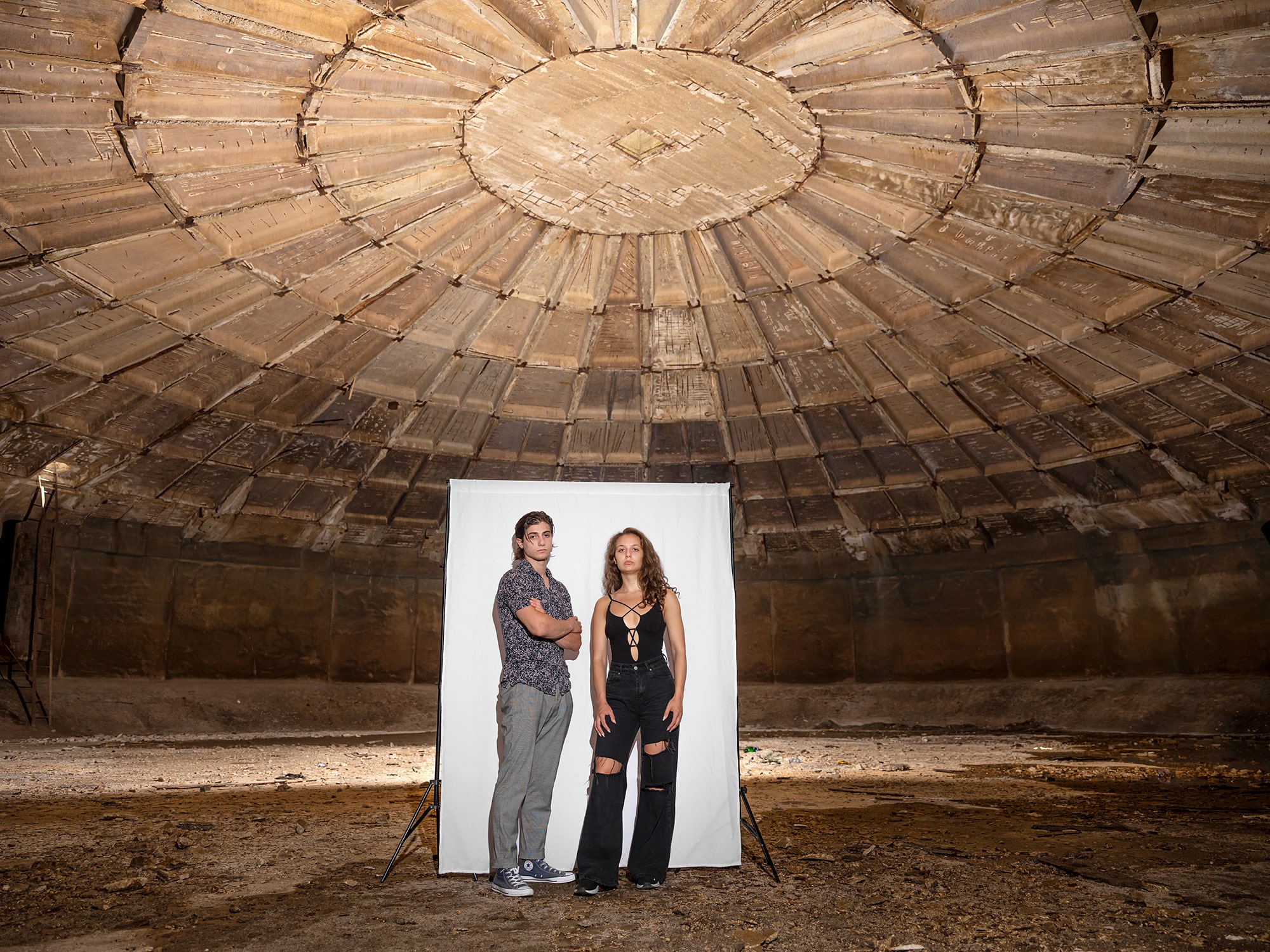
Giorgi: Born in 2000, Georgi is a student-athlete who excels in judo. As a professional judoka, he has won two bronze cups at the World Championship and the Berlin Eurocup.
"I am pleased with how we've evolved from the past, yet it's crucial that we preserve our national values through our progress."
Ana: Born in 1998 in Rustavi, Ana is pursuing a degree in pharmacy and works as a fitness trainer.
“We must realize that we all have a human constitutional right…no one has the right to restrict us in any way unless we restrict someone else’s freedom. It was not like that in the Soviet Union. Now we should strive to realize this right because today there are many problems developing in the world. A human should know their rights, what violates his right…The population of Georgia is in dire need of a culture of acceptance, especially in light of the recent events [mass protests in spring 2024]. We are far behind the rest of the world both in education and mentality. This can be changed.”
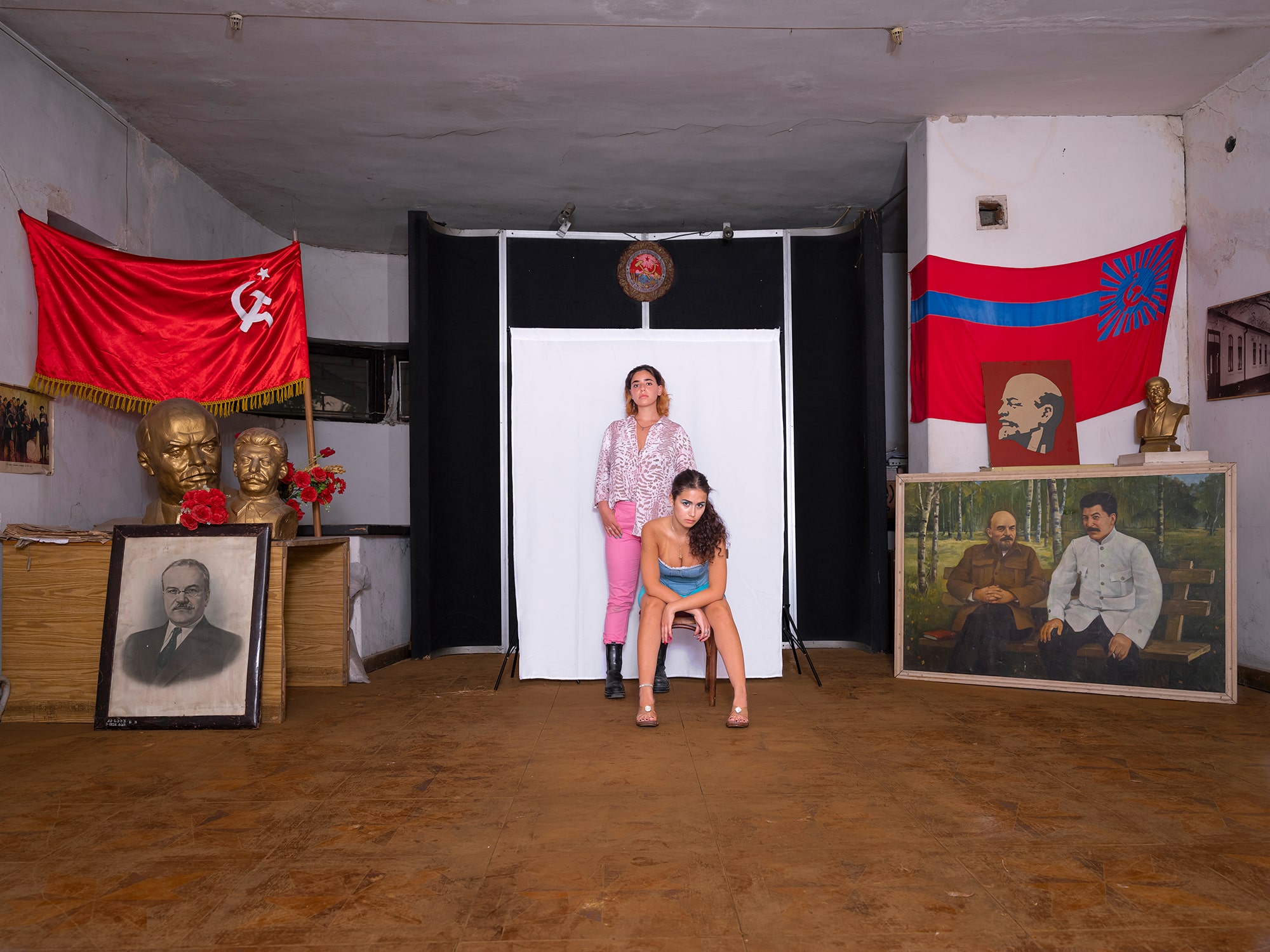
Deko: Born in 1997, Deko studied journalism and works in a family business and an art gallery.
"We still encounter remnants of the Soviet Union in many places, often handed down from our grandparents. Georgian youth face social restrictions and barriers that need resolution. I am eager to contribute to a movement that fosters a truly free country where people can think and express themselves freely."
Elene: Born in 2003 in Rustavi and a horse riding enthusiast.
"The Soviet Union was secretive and isolating, creating a society that must break free from its past constraints. There are numerous areas where Georgia needs to evolve and improve, and it's time we addressed these challenges."
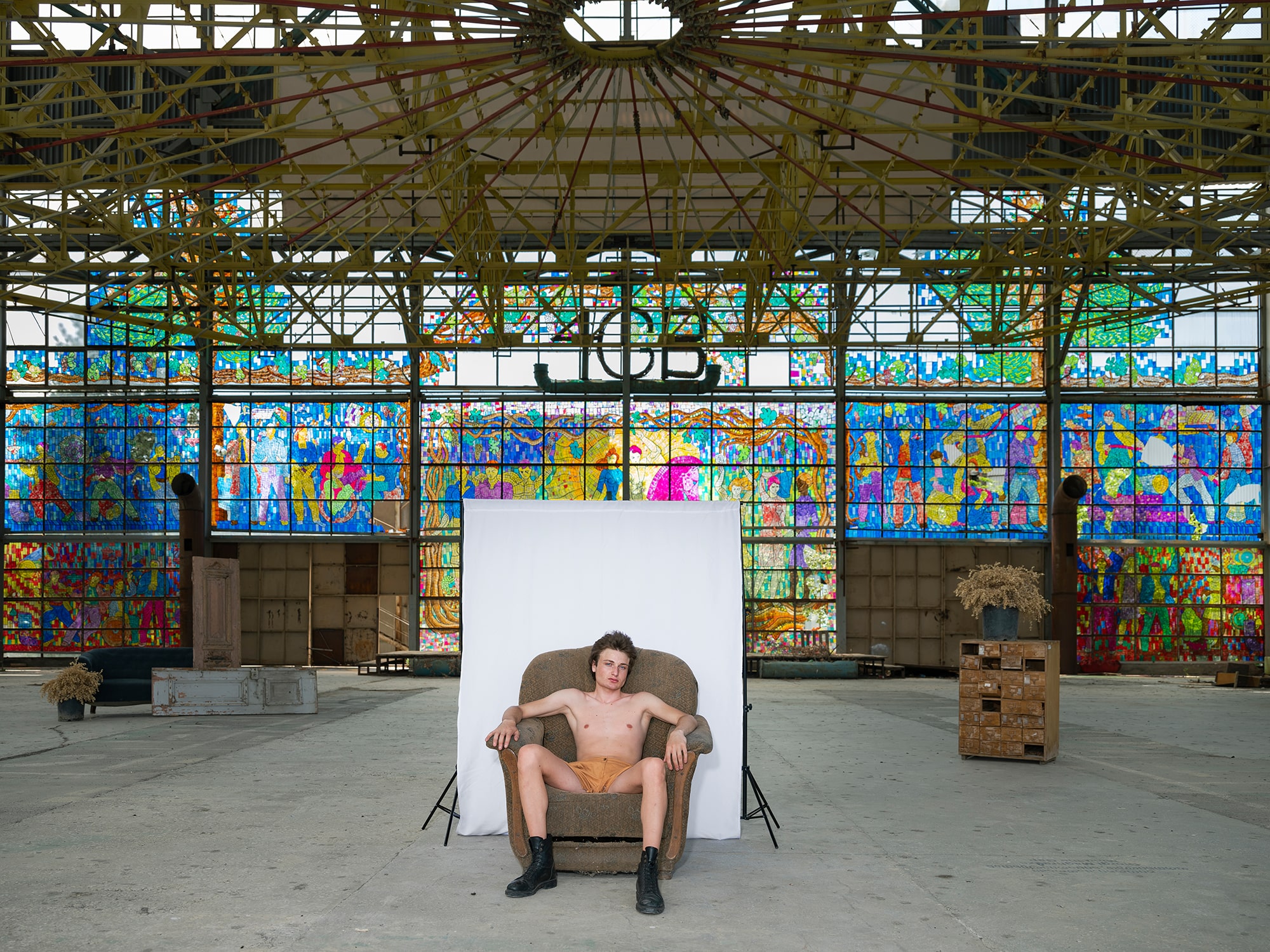
Andrey: Born in 2000 and raised in Shavshvebi, a small village in eastern Georgia, Andrey grew up with his two sisters and childhood best friend, Tako. He is profoundly interested in art and cinematography, and is particularly fond of old French films.
"Three decades since the Soviet Union's collapse have markedly distinguished the younger generation from the older. Unlike our parents, who were restricted by the regime's control over information, we enjoy a broader worldview. The Soviet influence shaped our parents’ mindset in ways that are often at odds with Western values, which challenges us. However, our generation prioritizes building an independent, democratic nation that embraces all forms of individual expression. I am confident that we will achieve a society free from stereotypes and committed to inclusivity."
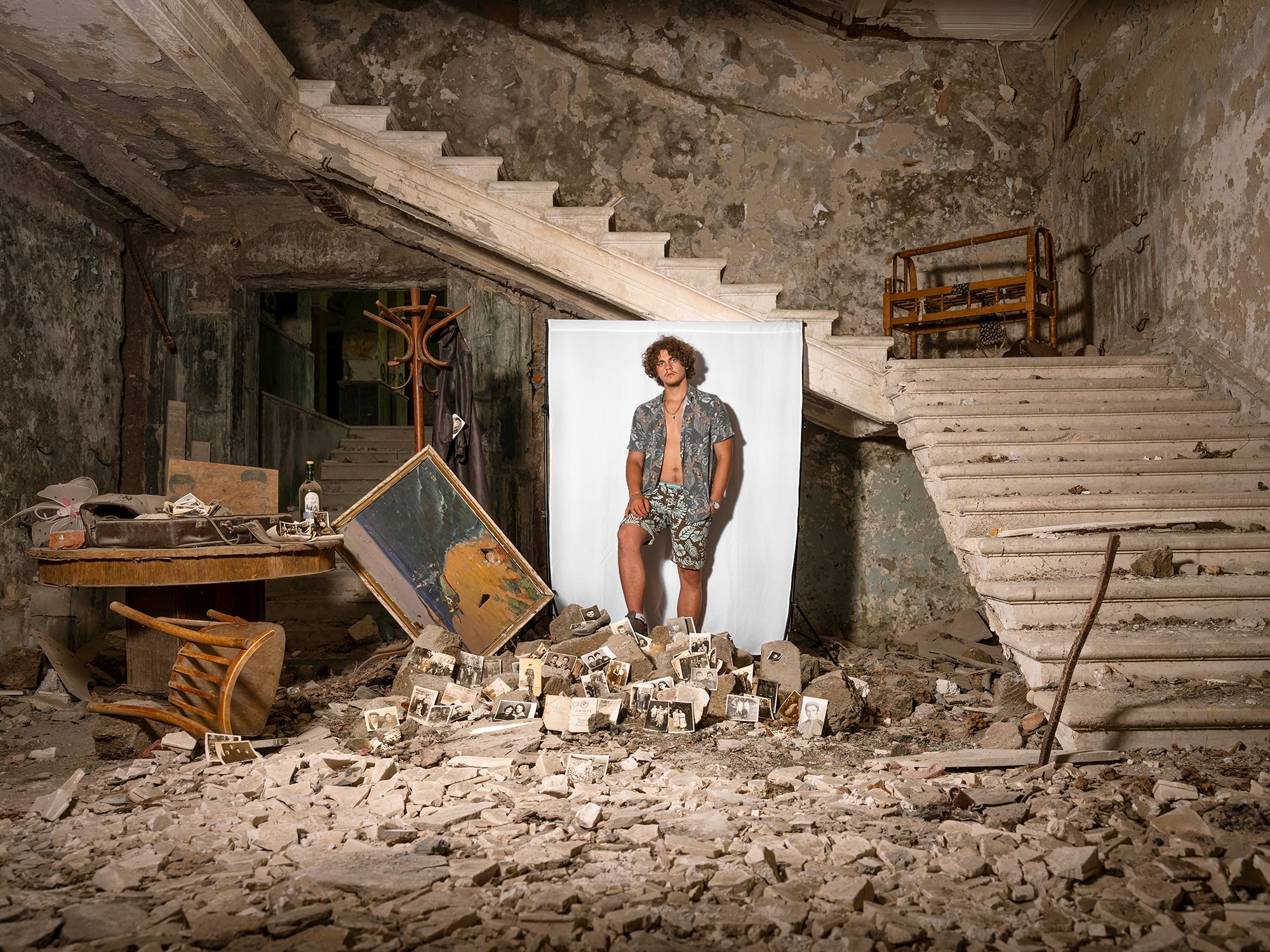
Irakli: An 18-year-old history student from Kutaisi, excels in athletics, specifically javelin throwing. He is a member of the Athletic Federation of Georgia and has won three national championships in the sport.
"Georgia has a great future ahead in every aspect. The new generation is fully committed to making this a reality, and I believe our efforts will restore the glory of Iberia [historical name for the region]."
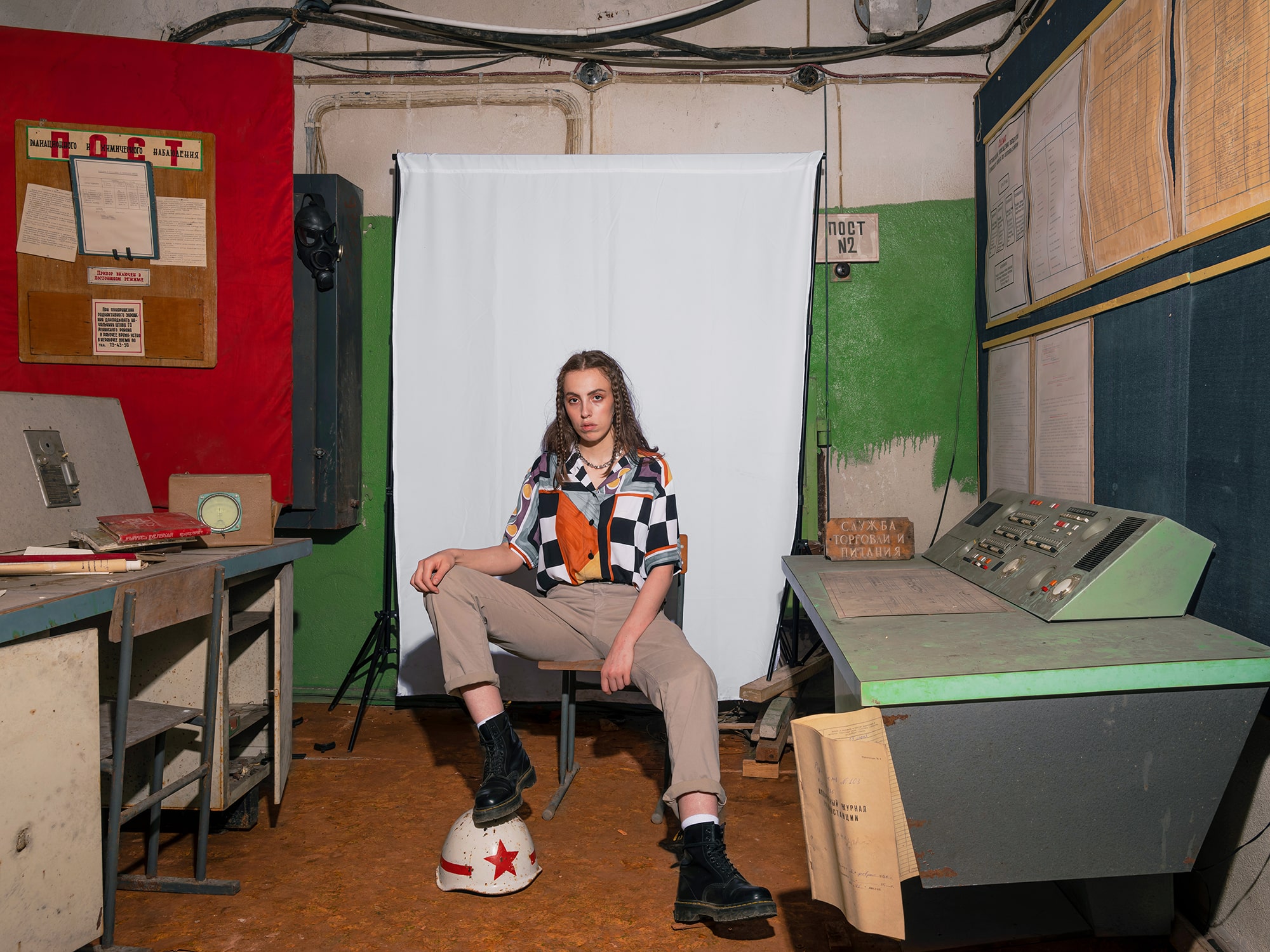
Tamara: Born in 1996, Tamara specializes in social media and PR. Her passions span across various arts, including music, painting, photography, and video filming. She currently collaborates with the musical band "Pitter J" as a producer.
"Georgia has long been a nation under siege, historically from Russia, which continues to occupy 20% of our territory and annexes more land daily. The Soviet era curtailed our freedoms and stifled development. Today, our younger generations are working diligently to erase Soviet legacies to foster greater freedom, embrace art and development, and align more closely with the systems of developed countries."
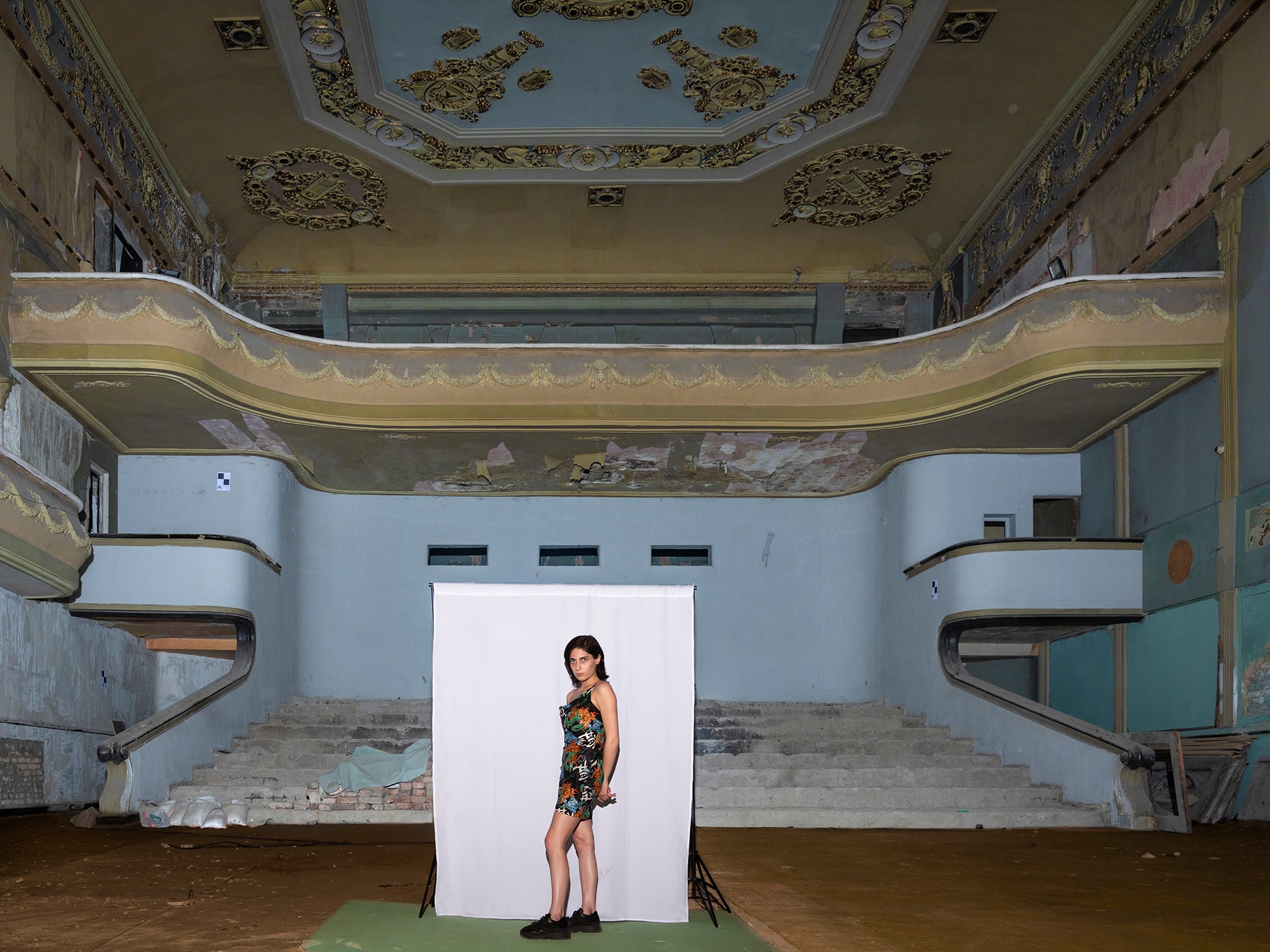
Mao: Born in 1998 in Saint Petersburg, Mao is a hip-hop dancer and office manager studying Chinese.
"Georgia has overcome many battles, notably escaping the Soviet Union. This victory shows us that nothing is impossible for the next generation."
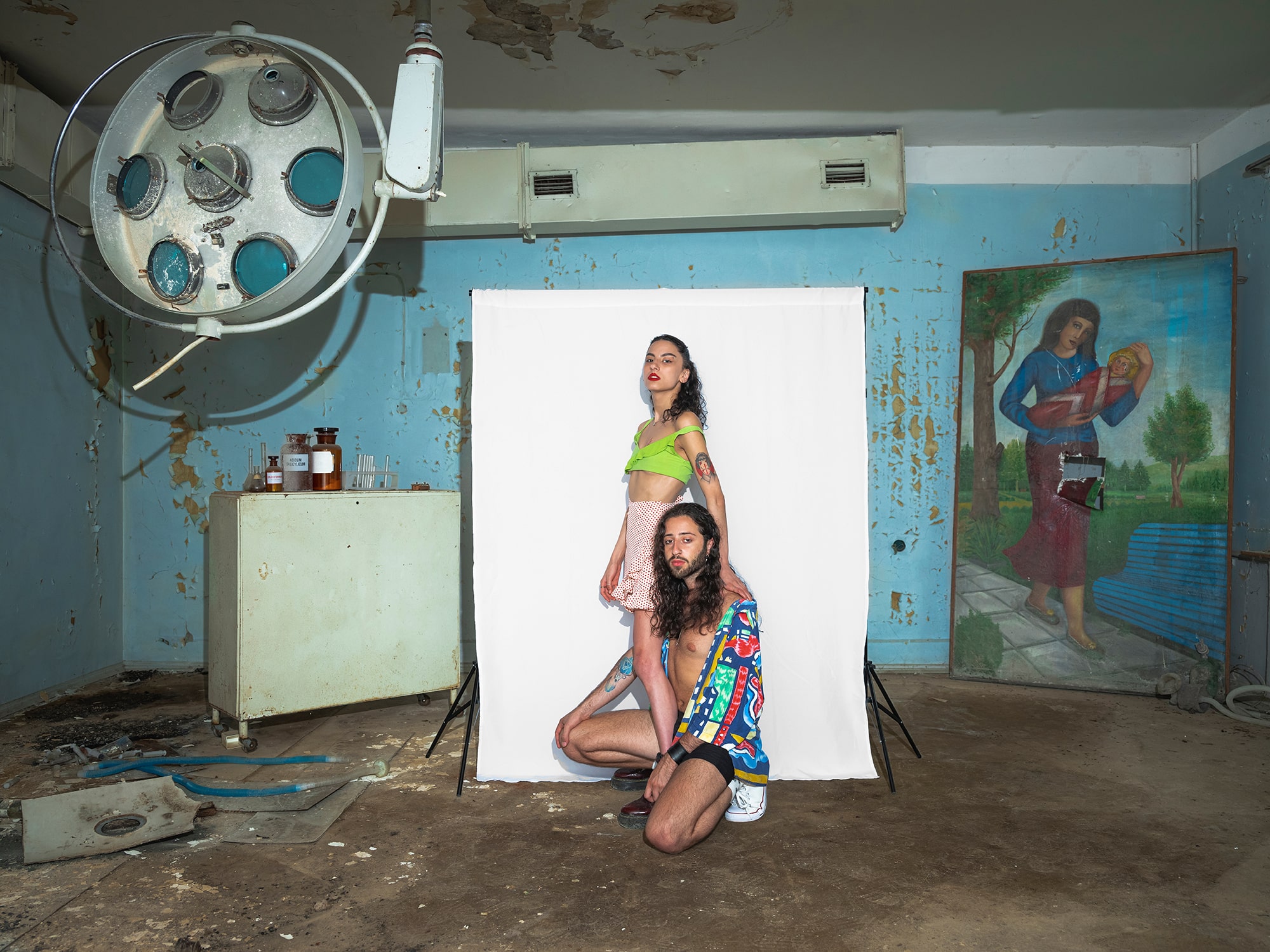
Inga: Born in 1995 in Kutaisi, Inga is an art school graduate who grew up in Tbilisi and Greece. Coming from a divorced family, she has battled depression for many years, which stifled her creative expression.
"In my country, young people feel smothered by the remnants of the old Soviet guard, breeding envy and violence with no apparent resolution. We've strived for freedom for decades, but true freedom seems elusive, trapped within our own minds. This pervasive fear deeply saddens me."
Tornike: Born in 1996 in Tbilisi, Tornike studied business administration and PR and now works as a fashion marketer and copywriter. Despite losing his father at a young age, he maintains a positive outlook and strives to enjoy life.
"Our generation should pursue what we are passionate about, embracing the greater freedom of choice we have compared to our parents. Raised in freedom, we demand our rights and resist restrictions, unable to accept limitations without protest."
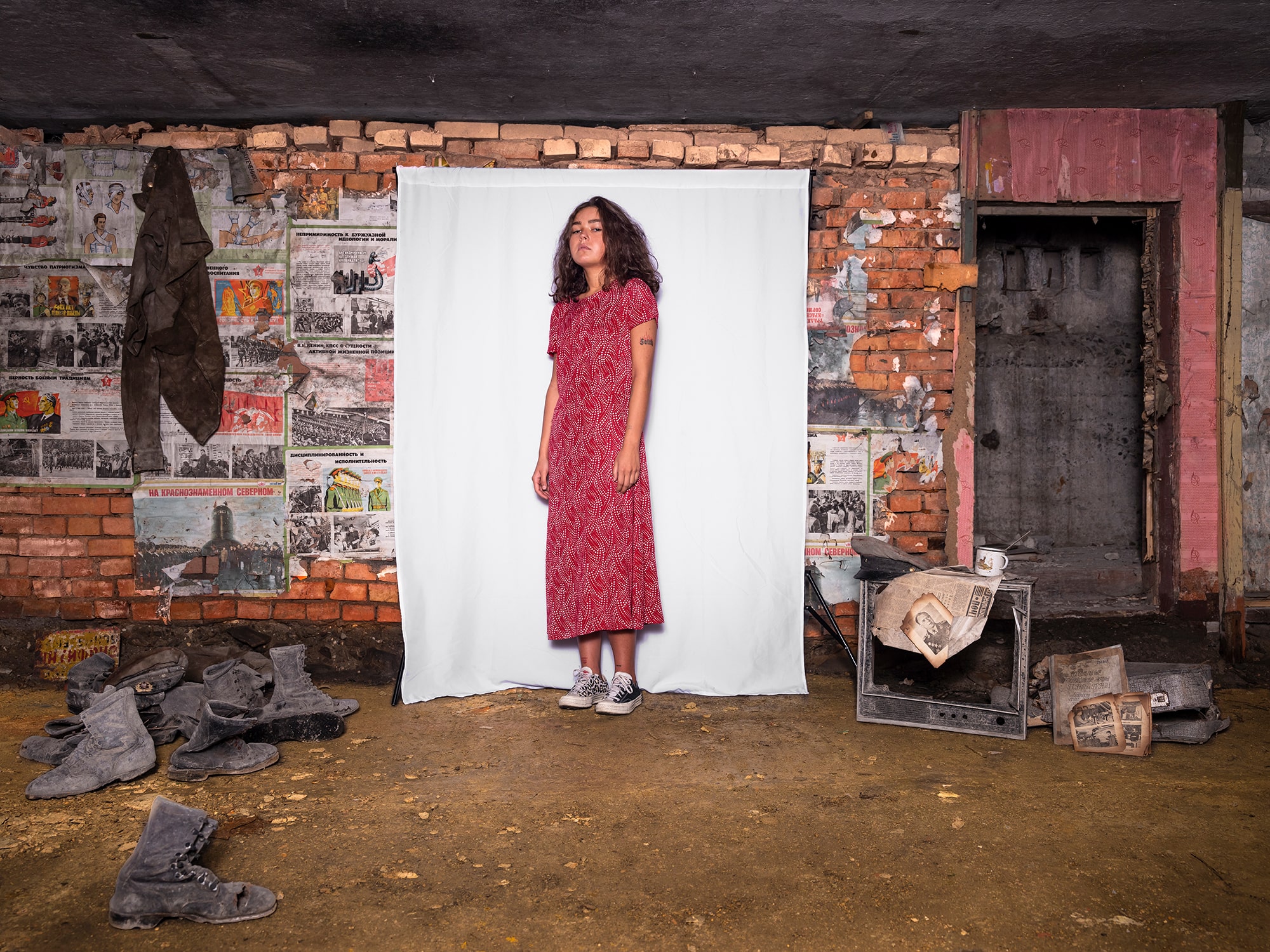
Liza: Born in 2001, Liza earned her degree in graphic and web design. She also engages deeply with the arts as a singer and painter. Today in her 20s, Liza struggles to find happiness. "I prefer to live in the moment and enjoy it rather than worry about the future," she states.
"True freedom is when one’s actions do not impinge on the freedom of others. Unfortunately, the legacy of the Soviet Union still influences our mindset, instilling a sense of guilt even during moments of happiness."
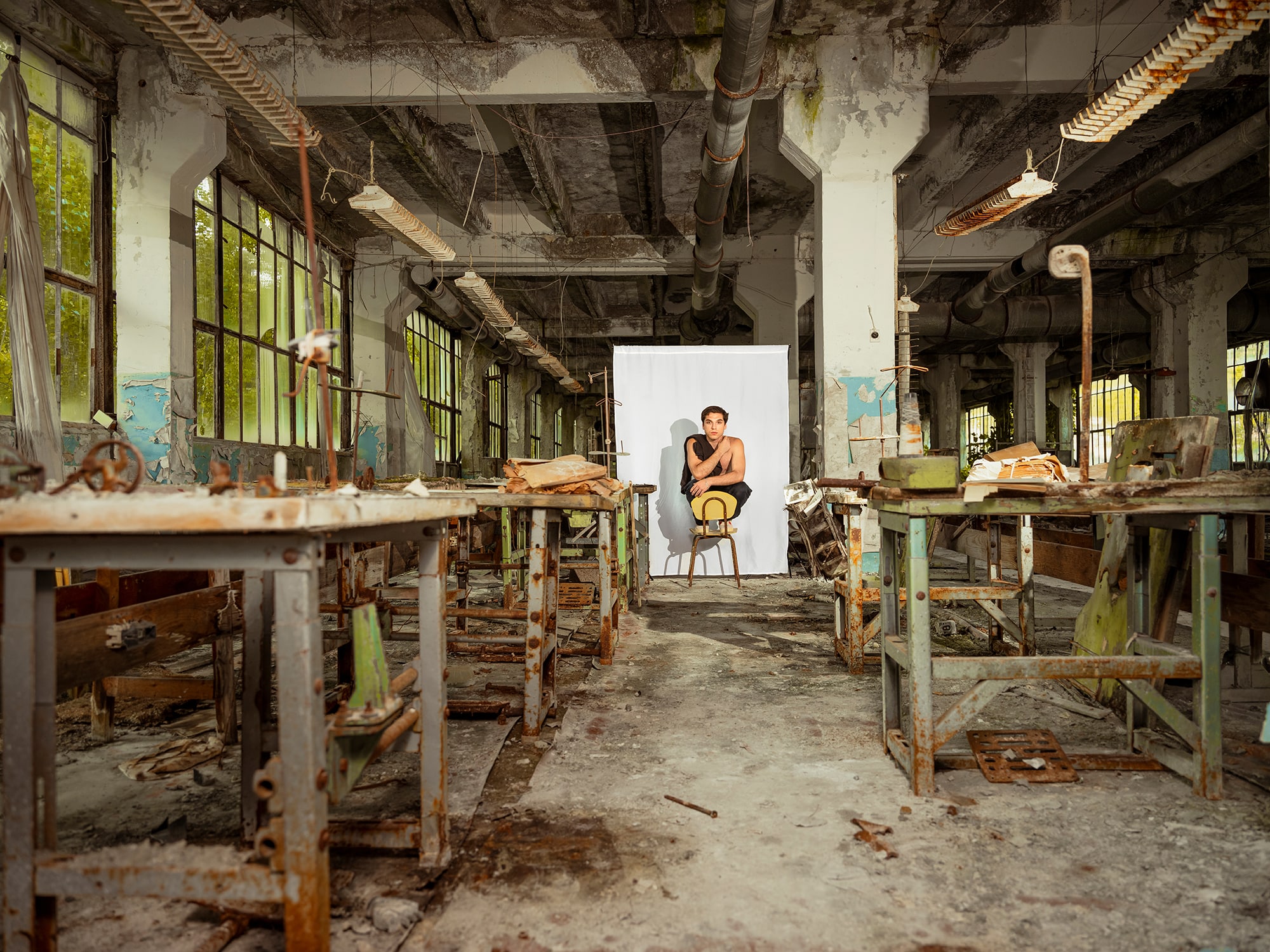
Saba: Born in 2003, Saba is pursuing a degree in archaeology.
"In my view, the generation in Georgia today is the most distinct yet from its predecessors—freer, more developed, and open-minded. These qualities are crucial as they propel the country forward. I am hopeful that our generation will continue to drive improvements and make Georgia a better place."
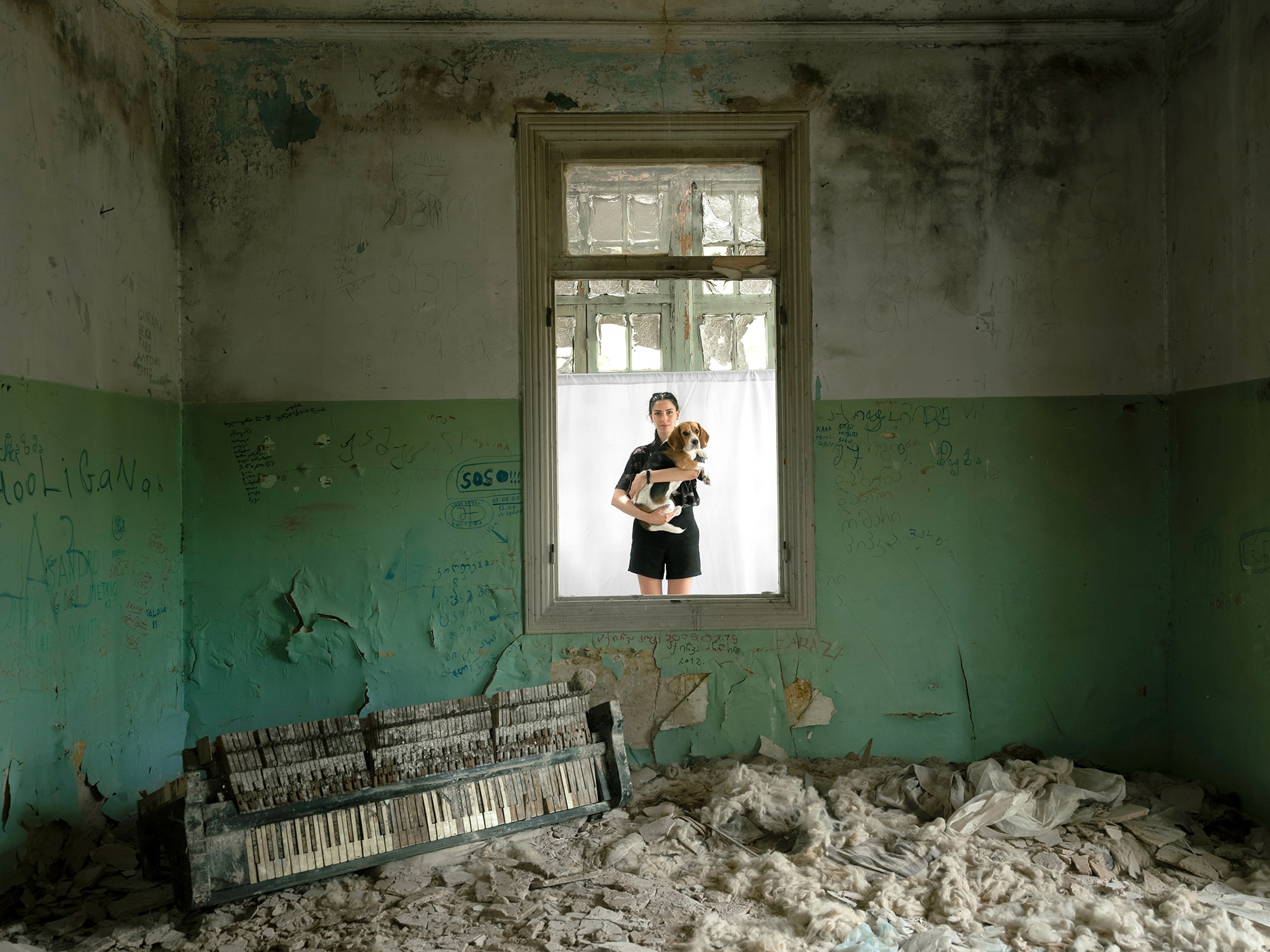
Lika: A law student and well-known model in Georgia, born in 2000.
"I will be happy to see our country progress and develop further."
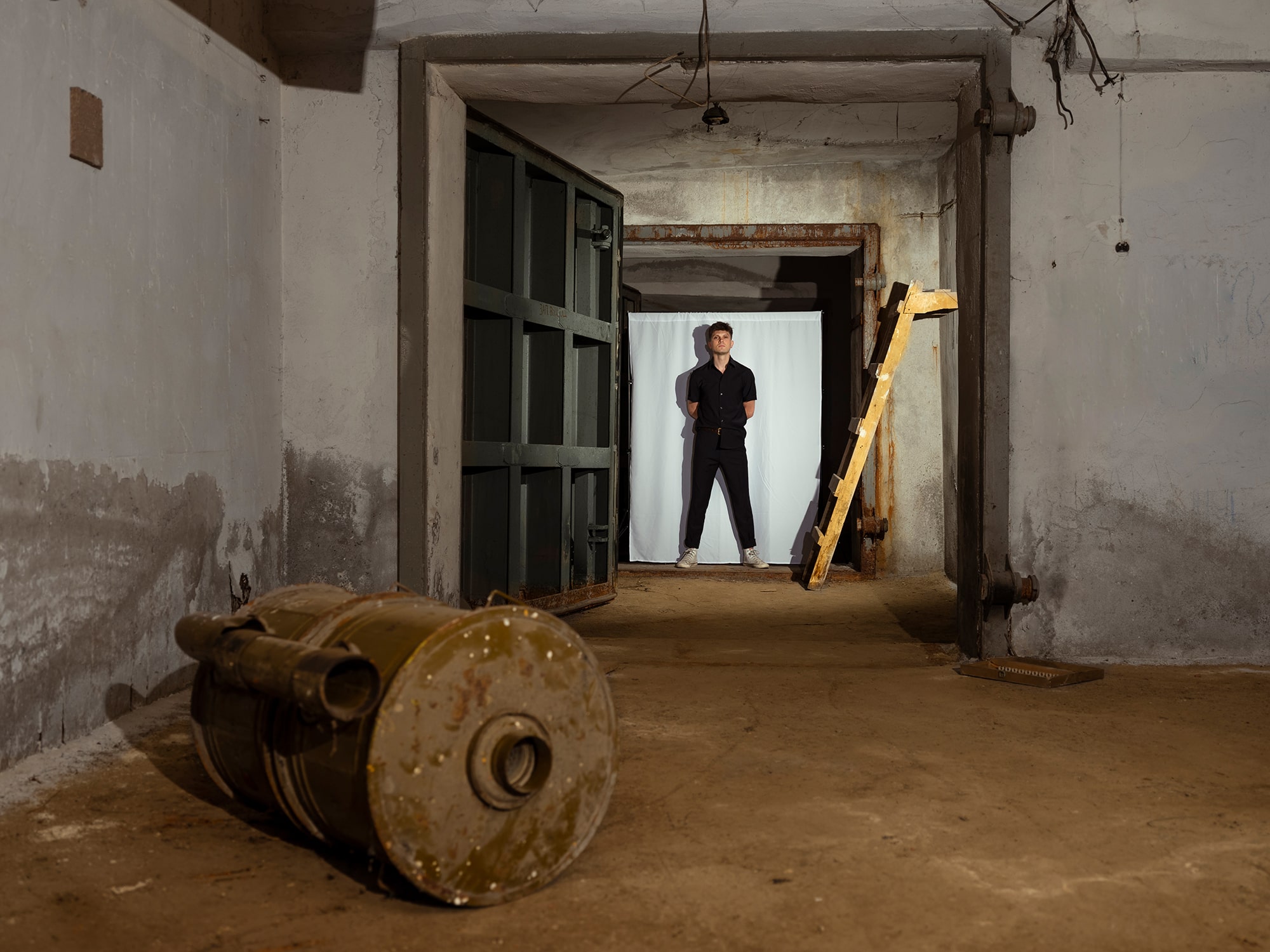
Tornike: Born in 1994, an urban exploration enthusiast.
"While our generation embraces change, we must not forget our national values and culture."
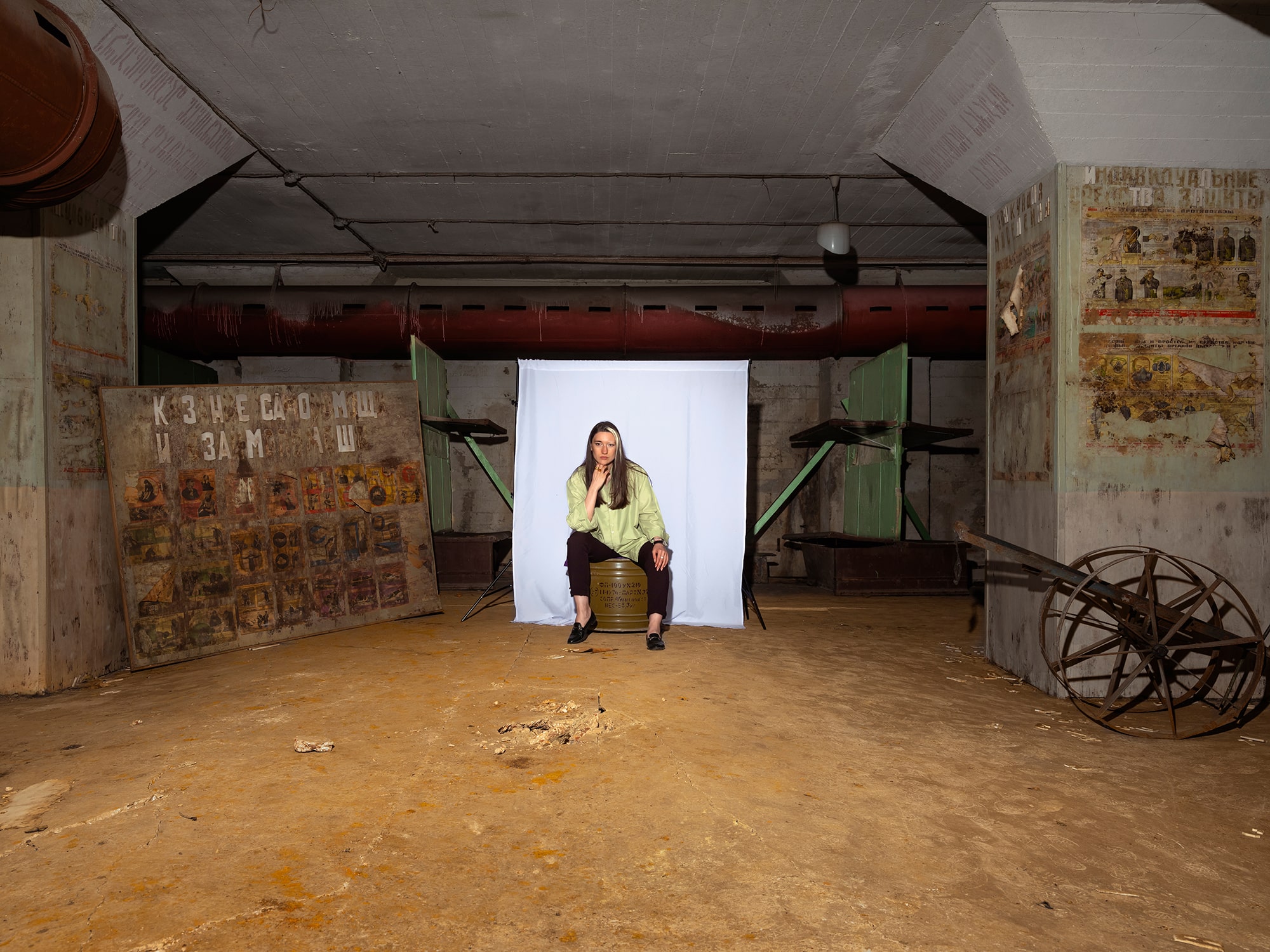
Gvantsa: Born in 2001 in Kutaisi, Gvantsa is a psychology student who views her vitiligo, a chronic skin condition, as a gift that allows her to appreciate the natural beauty of the world more deeply, from sunsets to starry nights. She channels her creative spirit into writing fairy tales and painting, seeing life itself as a piece of art.
"Every historical epoch carries its own distinct beauty, yet change is essential for growth. Life and time without purpose are stagnant and devoid of meaning. It is crucial for every soul to grow continually. Every new day presents an opportunity for consistent growth and renewal."