

Photo Story
Edition:
Migration
Archive
The photo story you are reading is part of the Chai Khana archive. From 2015 to 2025, Chai Khana covered the South Caucasus, sharing stories from Georgia, Armenia, and Azerbaijan.
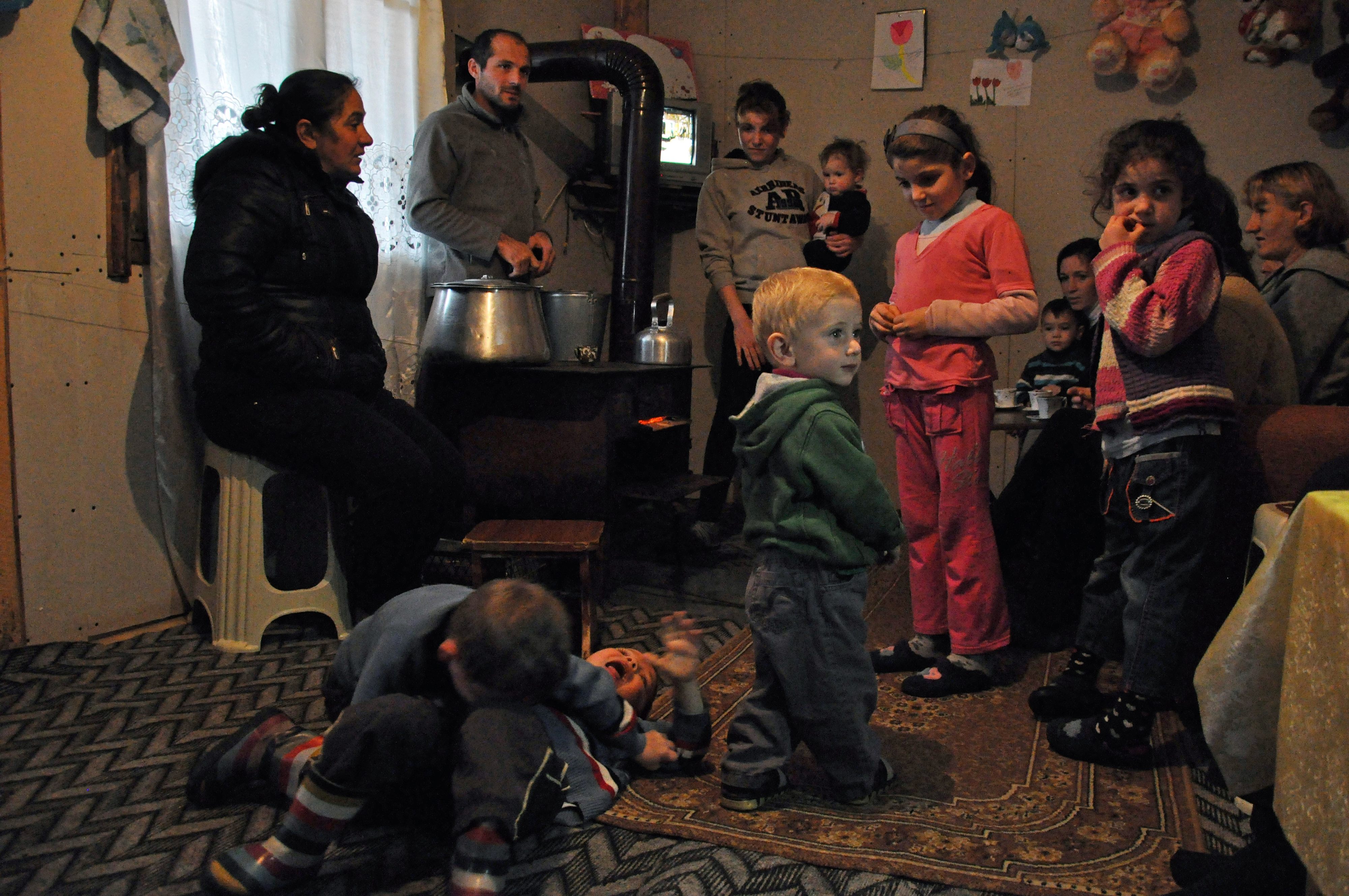
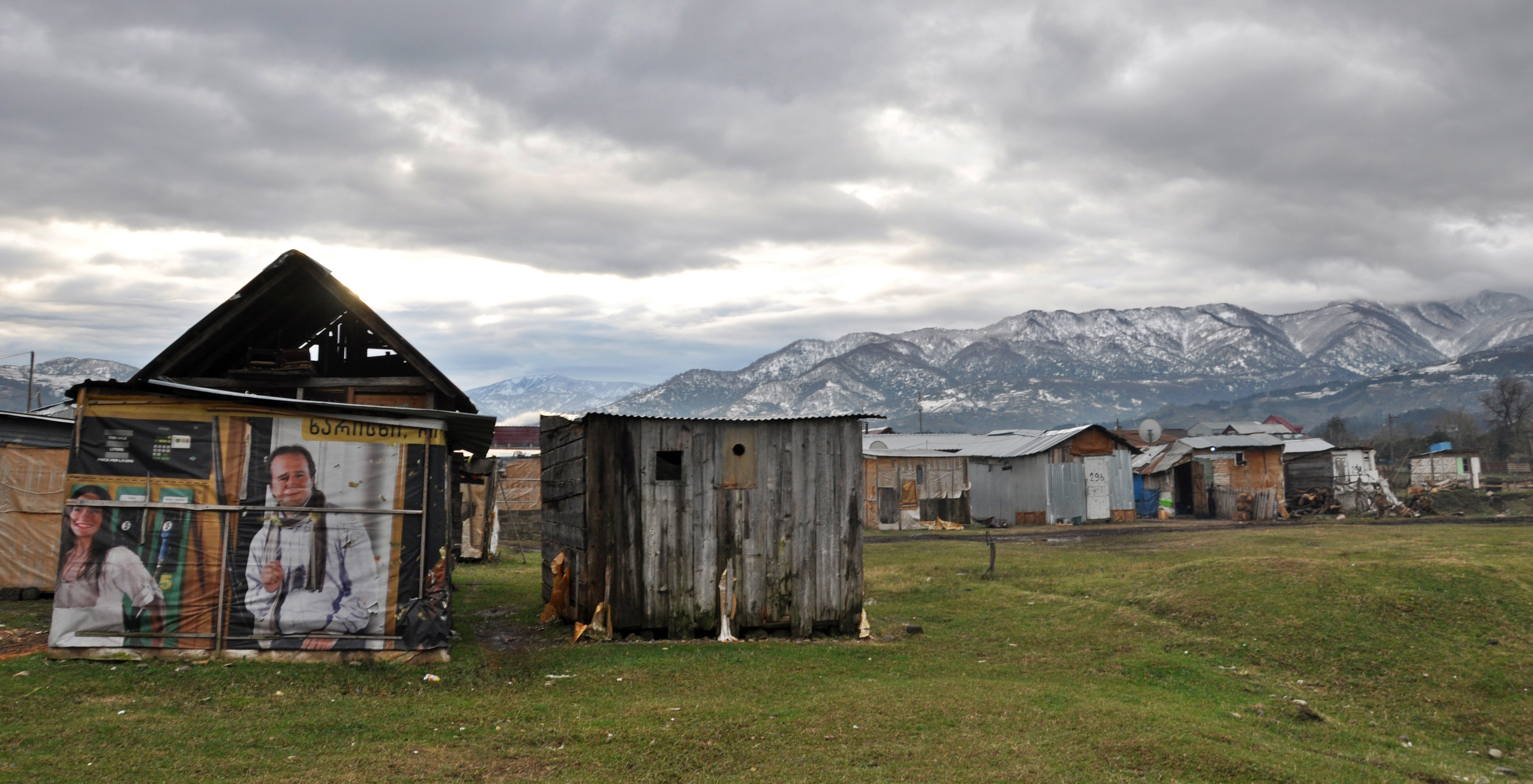
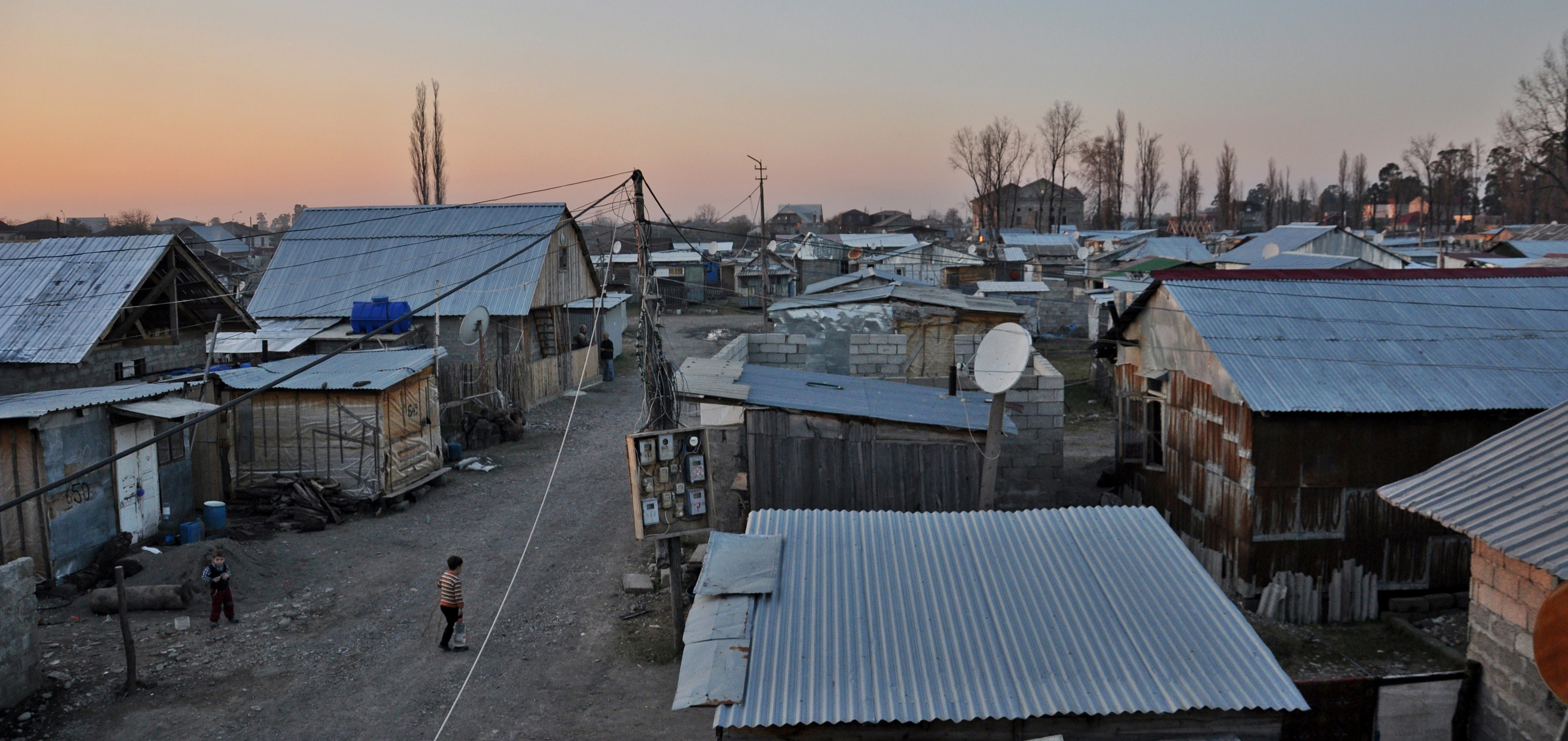
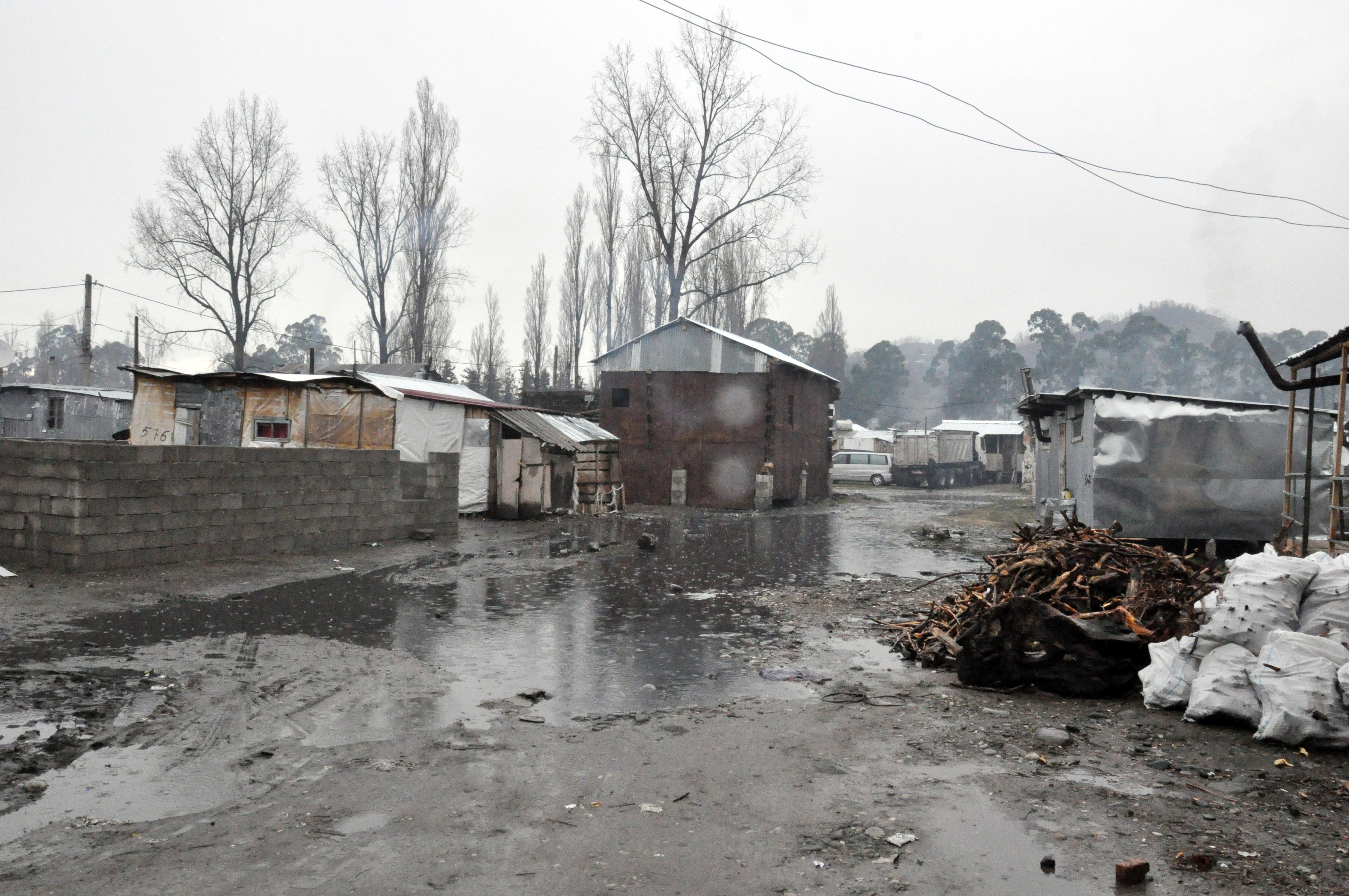
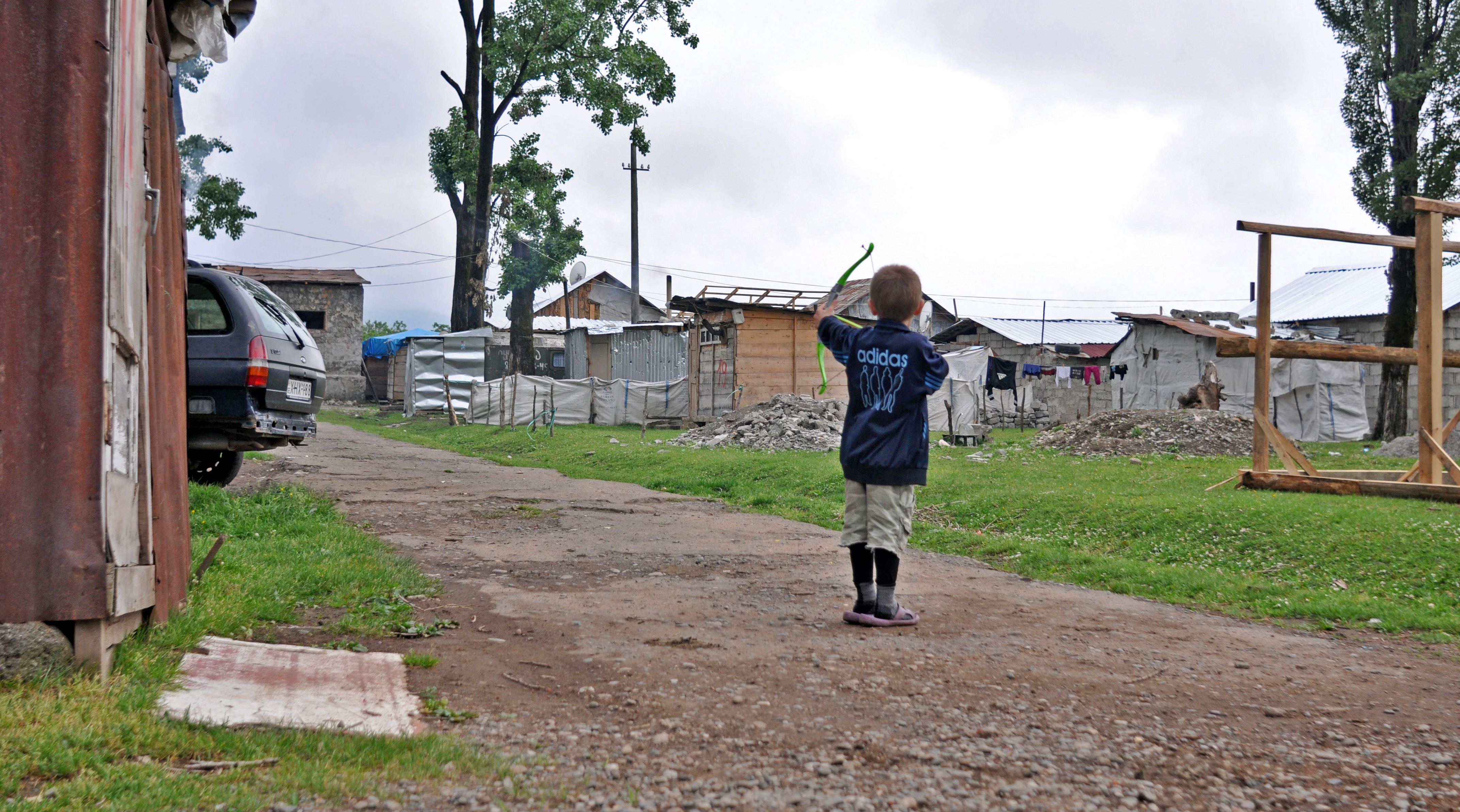
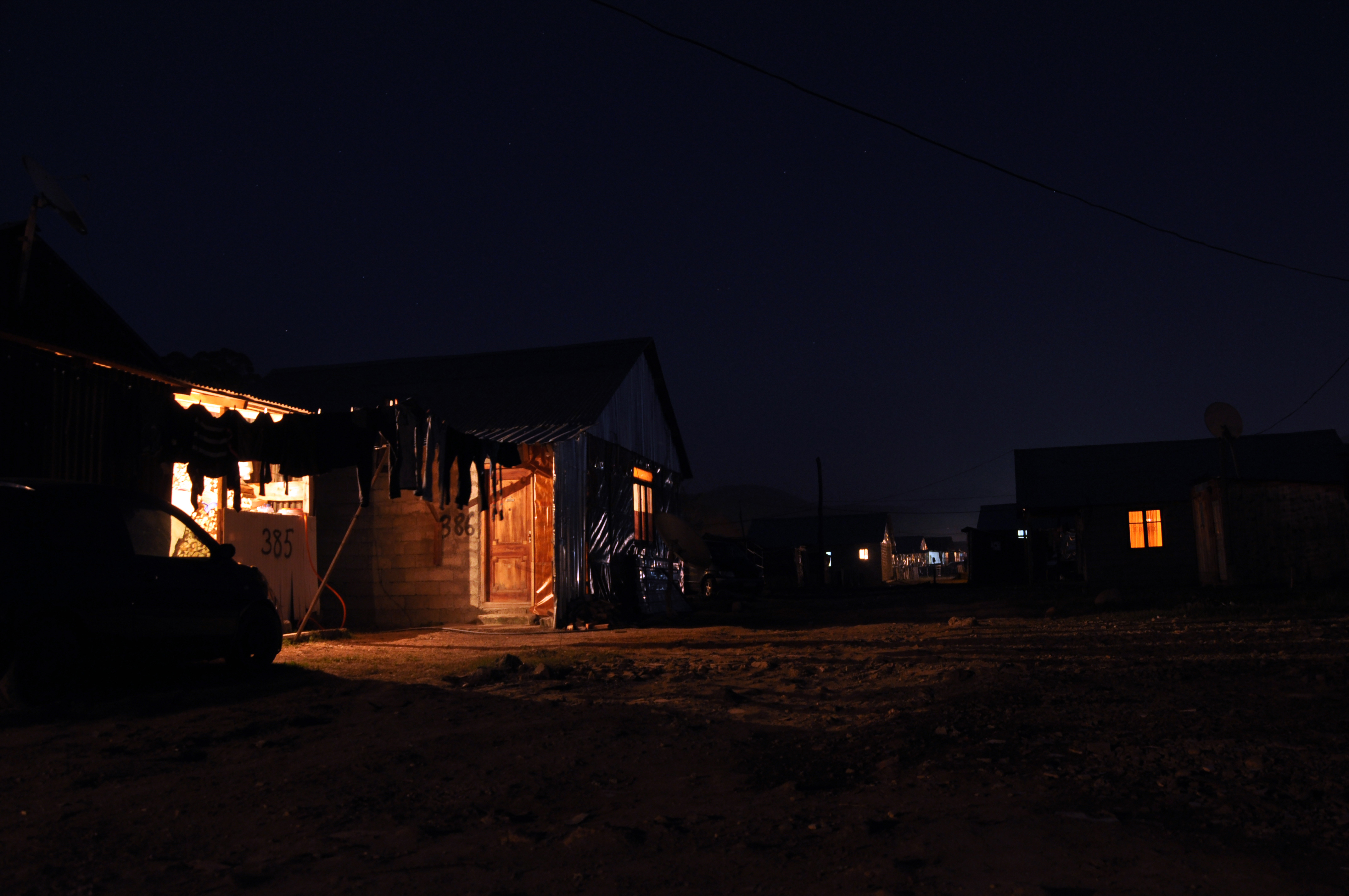
Hundreds of families in 2012 settled in the village of Khelvachauri, in the hope that the new government would help solve the economic problems or housing. With wood, cardboard and other materials, their built shelters, without electricity, gas and water.
In 2012, hundreds of families moved to Khelvachauri in Adjara, a region in southwest Georgia. These families, mostly migrants, moved here with the hope that the newly elected government would help provide them with a new life.
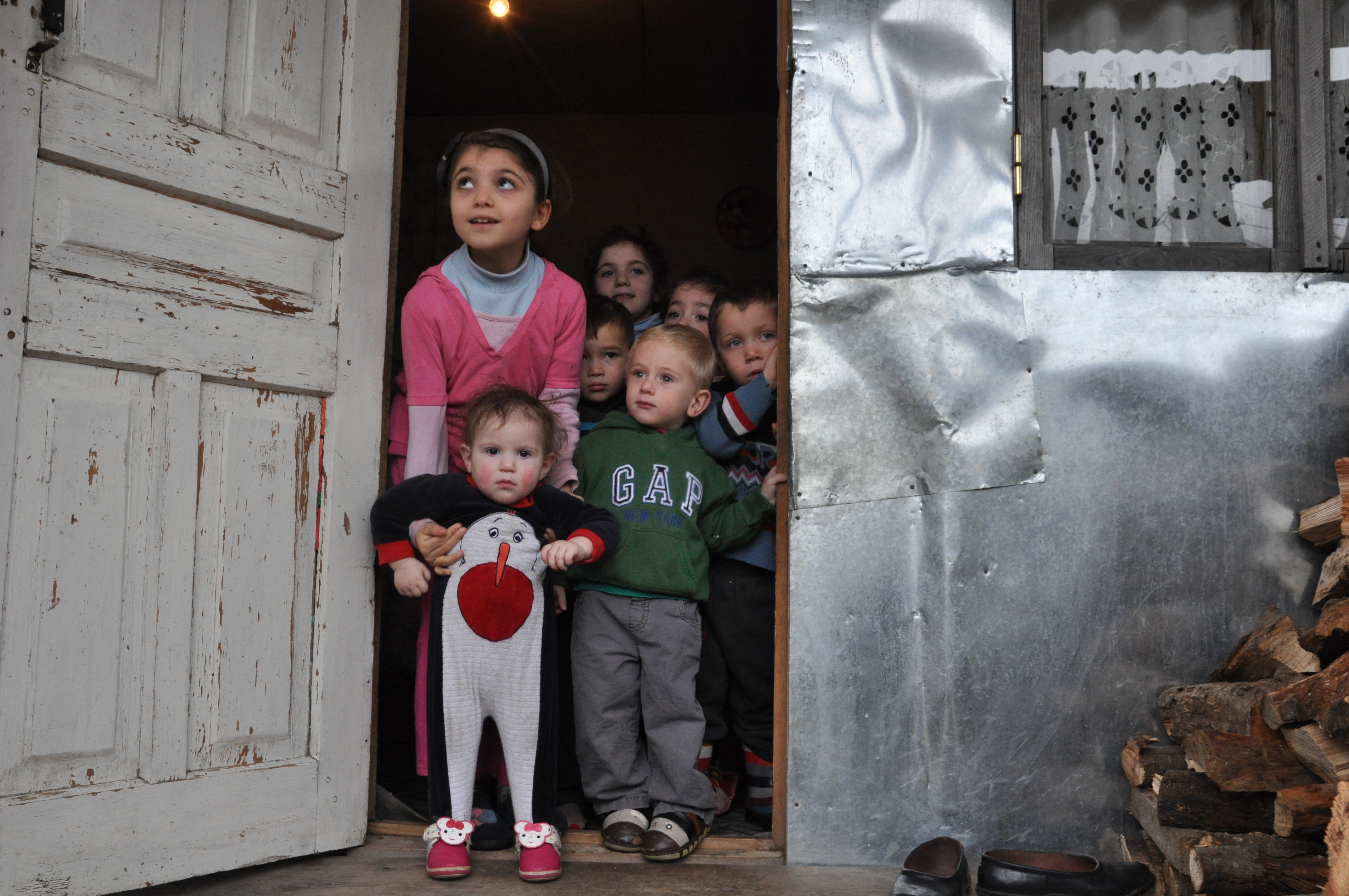
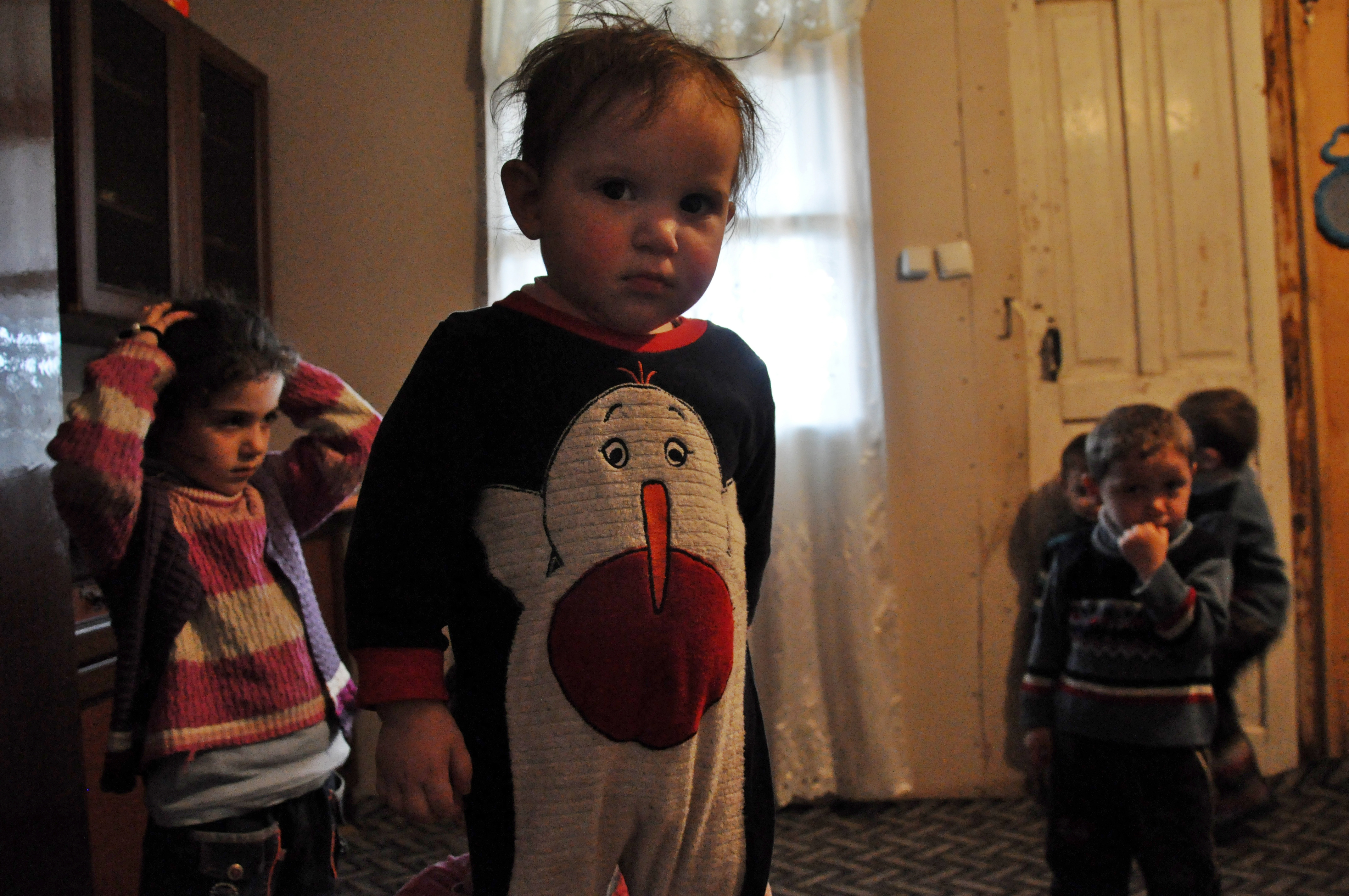
Nino, a student in the fourth grade, thought of her new, neighborhood as a sort of dream town, although she wished it was more colorful, preferable in pink, red, and blue.
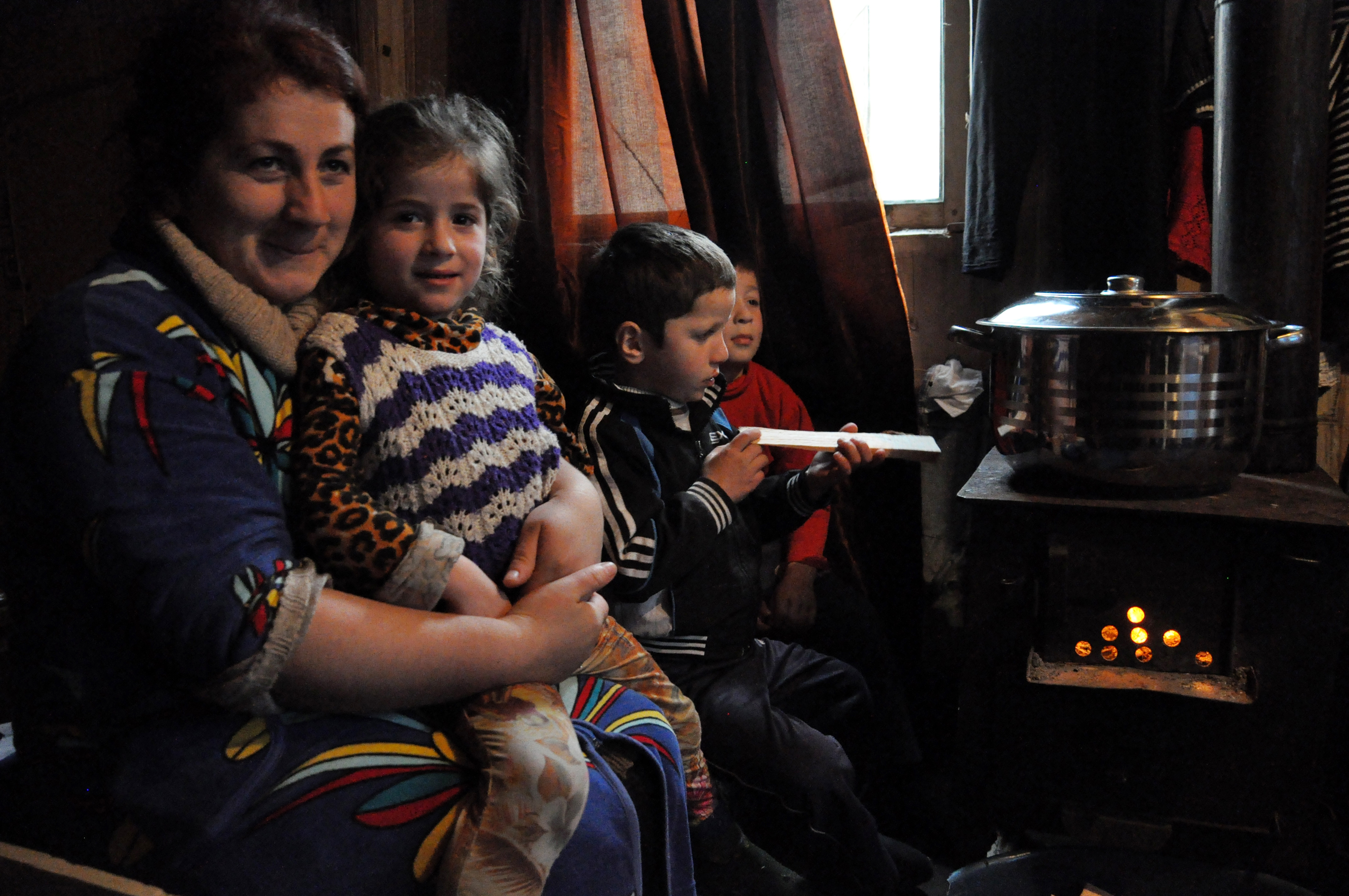
Nino, who sleeps with her little sister, wants to have her own room, where she could paint and do her homework without her twin brothers disturbing her. She helps her brothers and sister with their homework, or they play make-believe games in which she is a teacher and her siblings are her pupils.
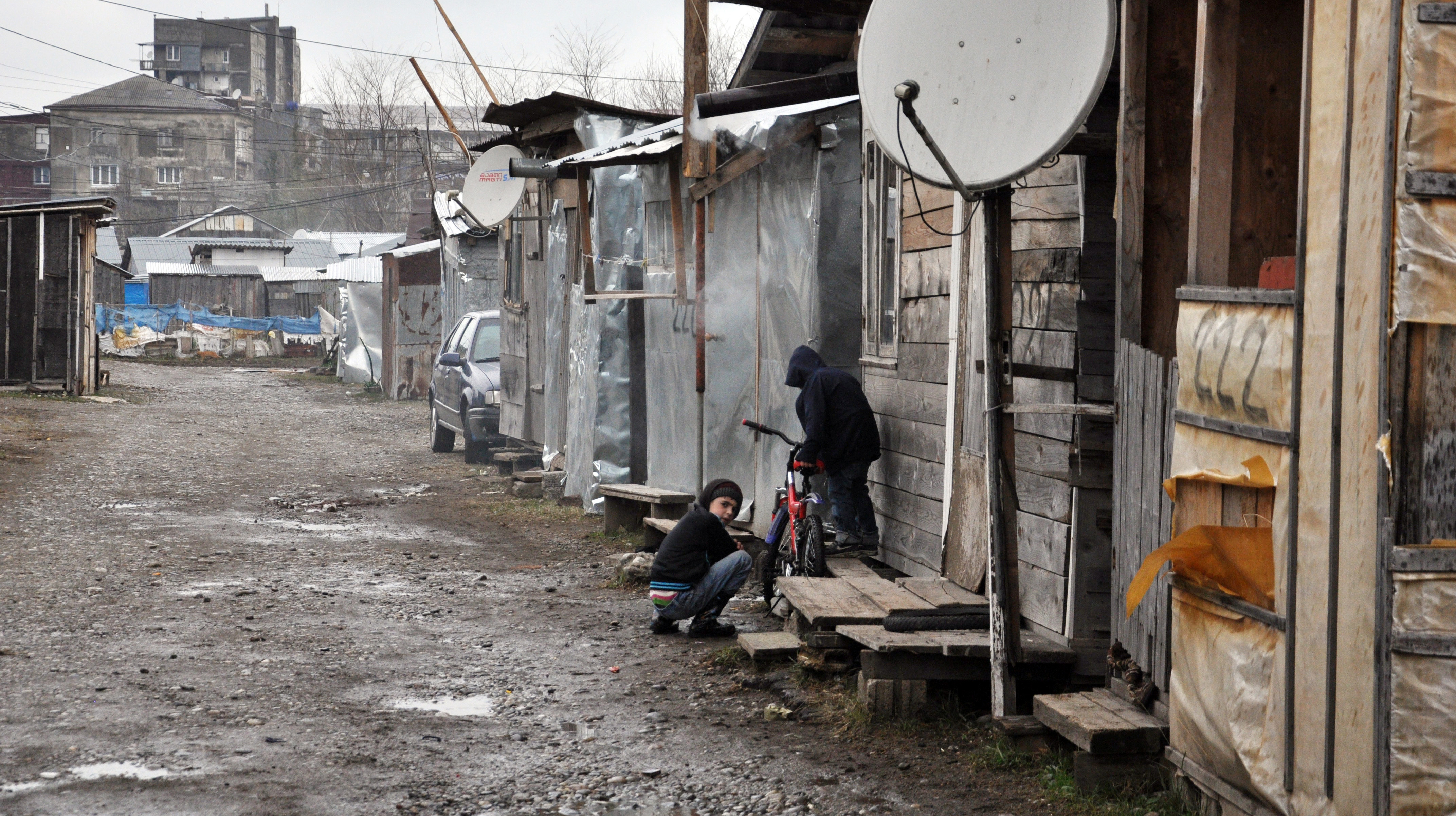
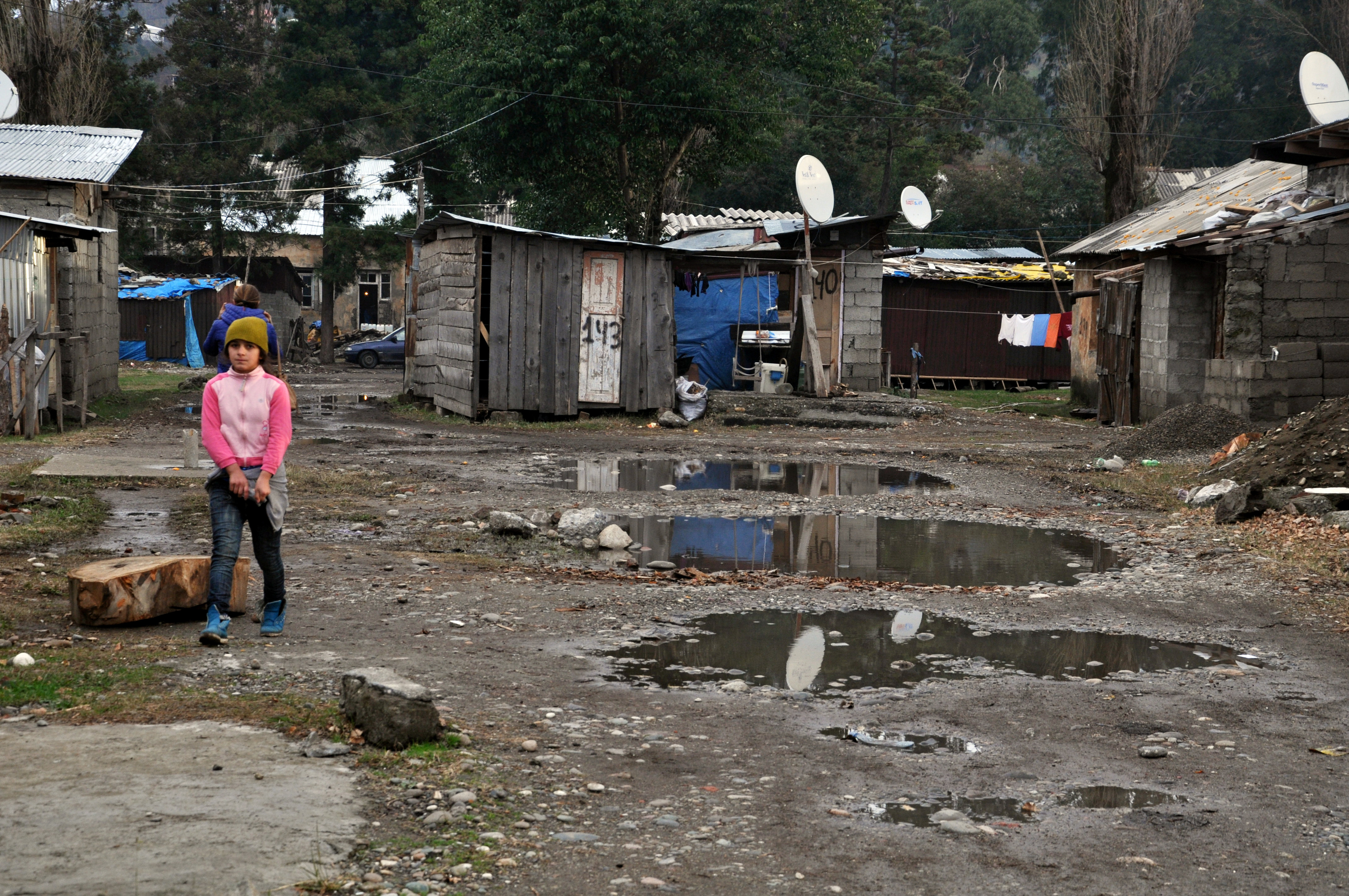
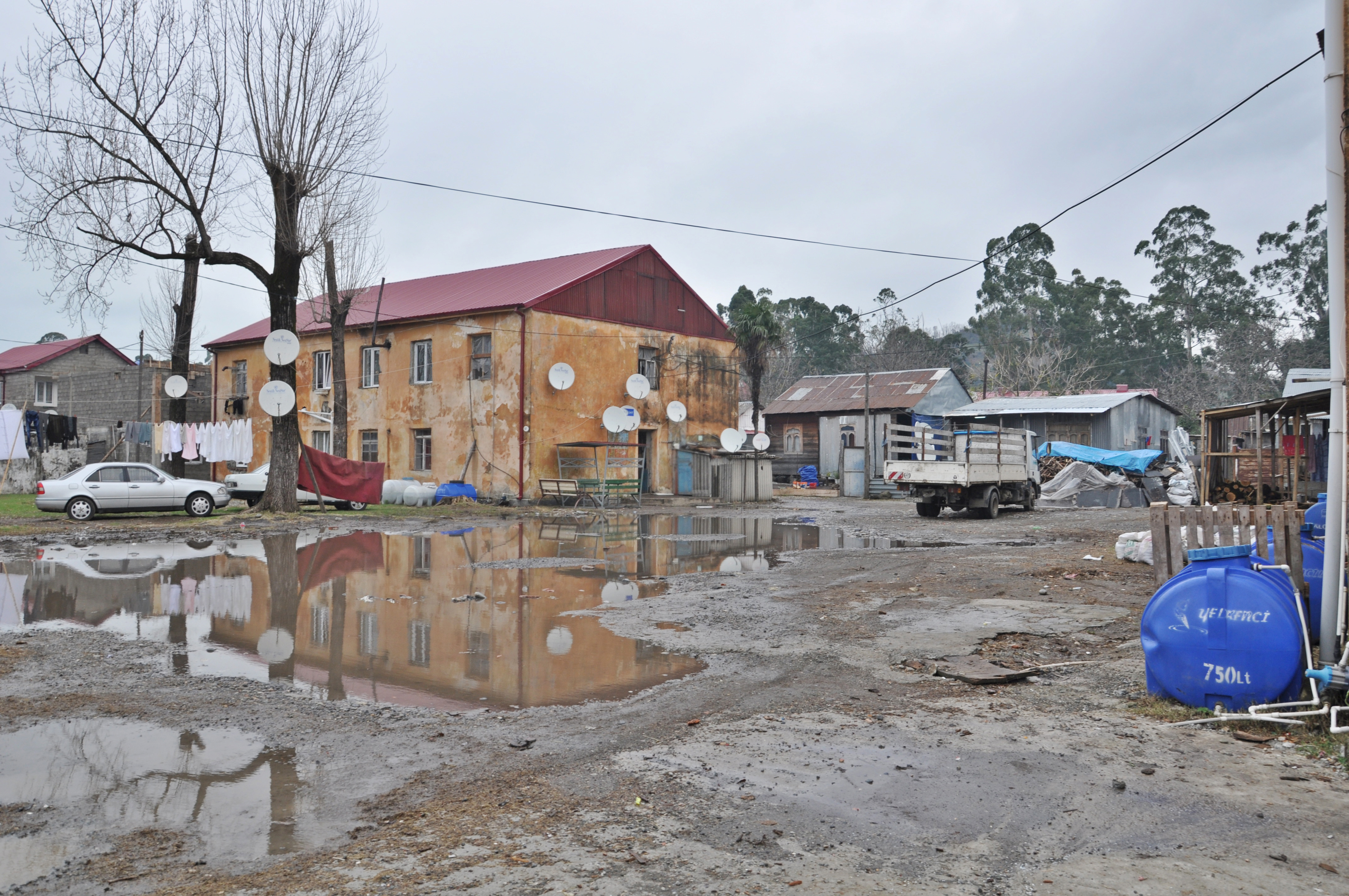
“I also love sports, but you see how it is when it rains here: [there are] mud waterfalls and mother won’t let us go outside,” she says glancing sadly at the pouring rain outside.
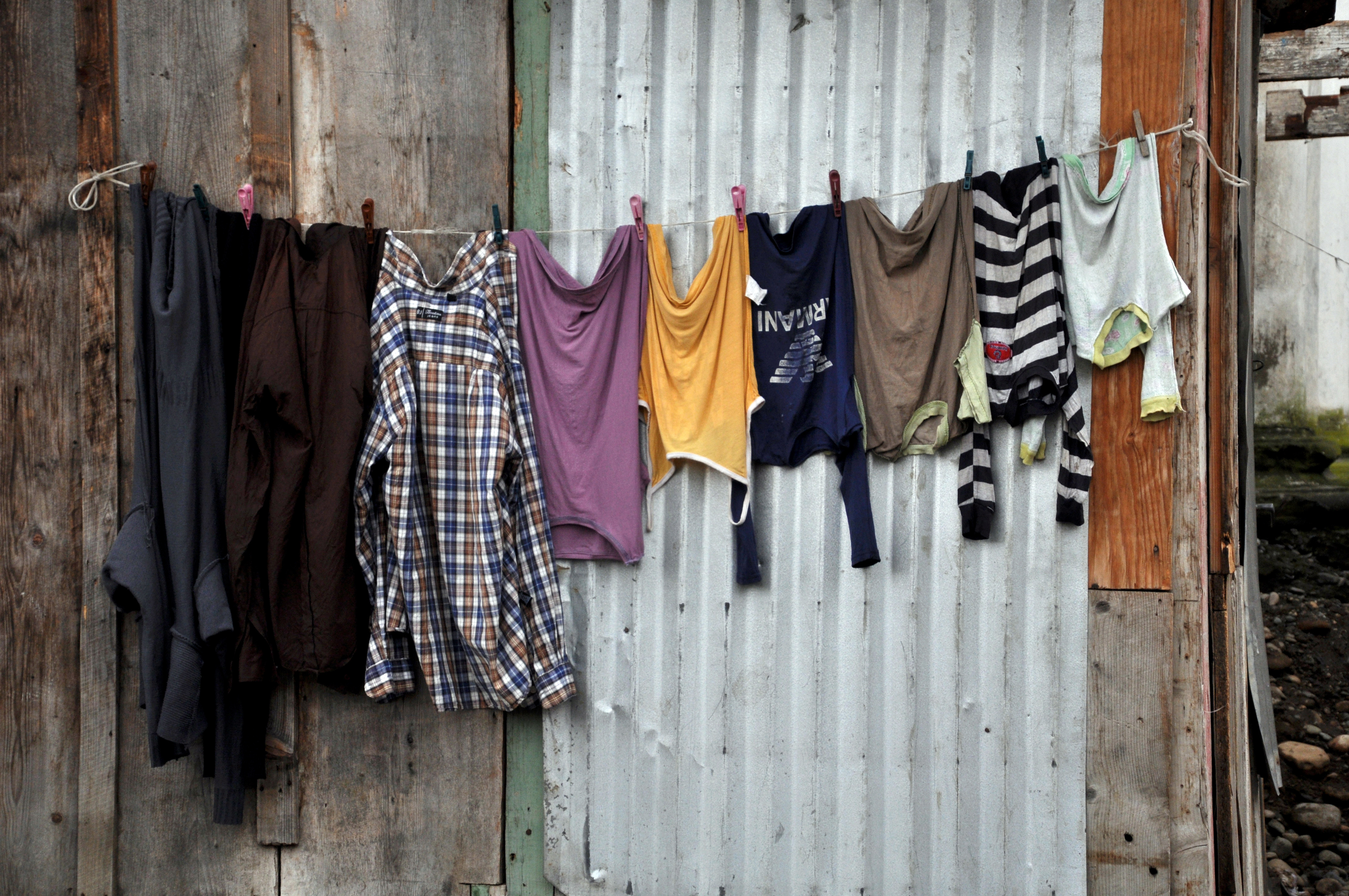
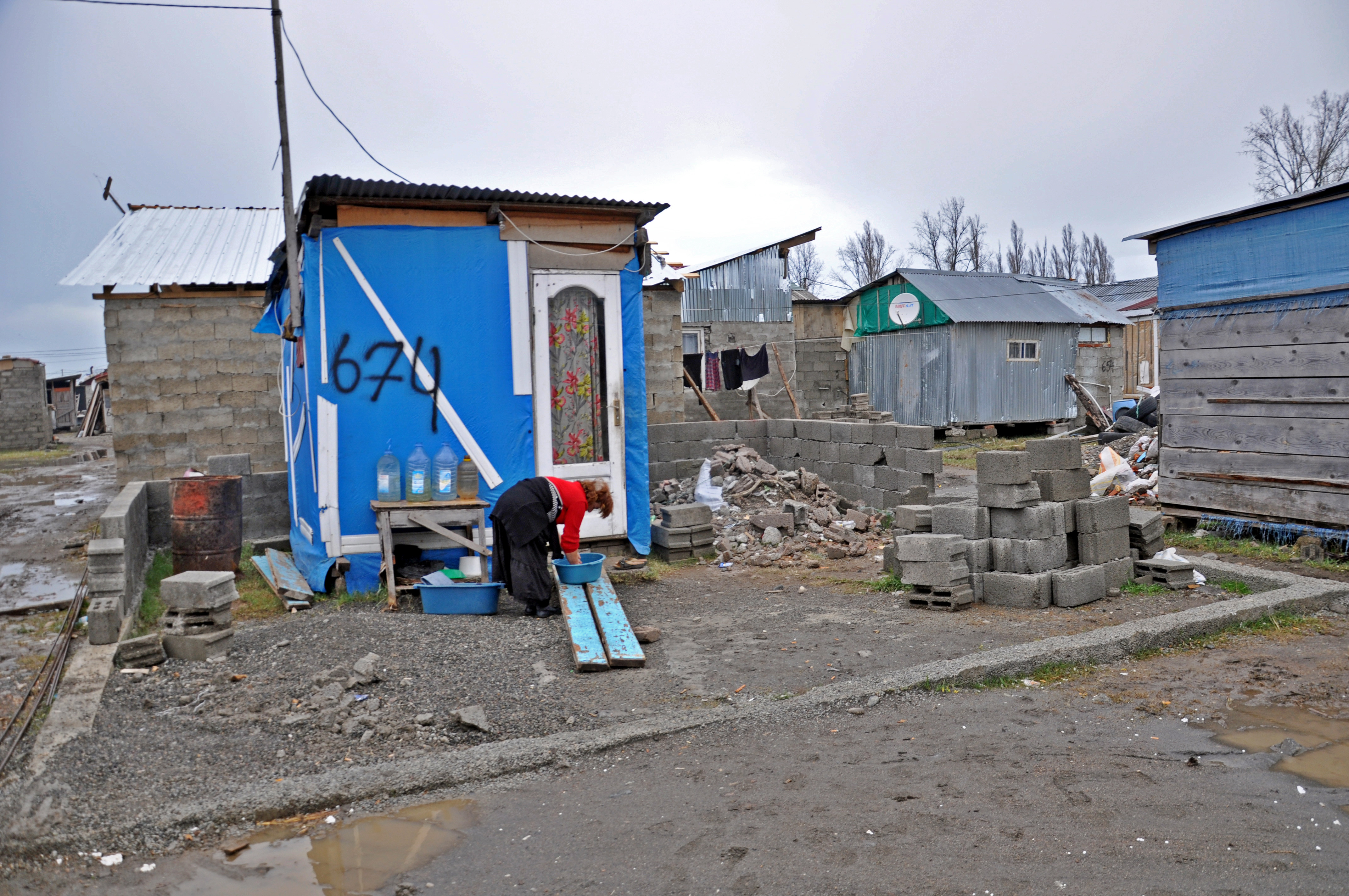
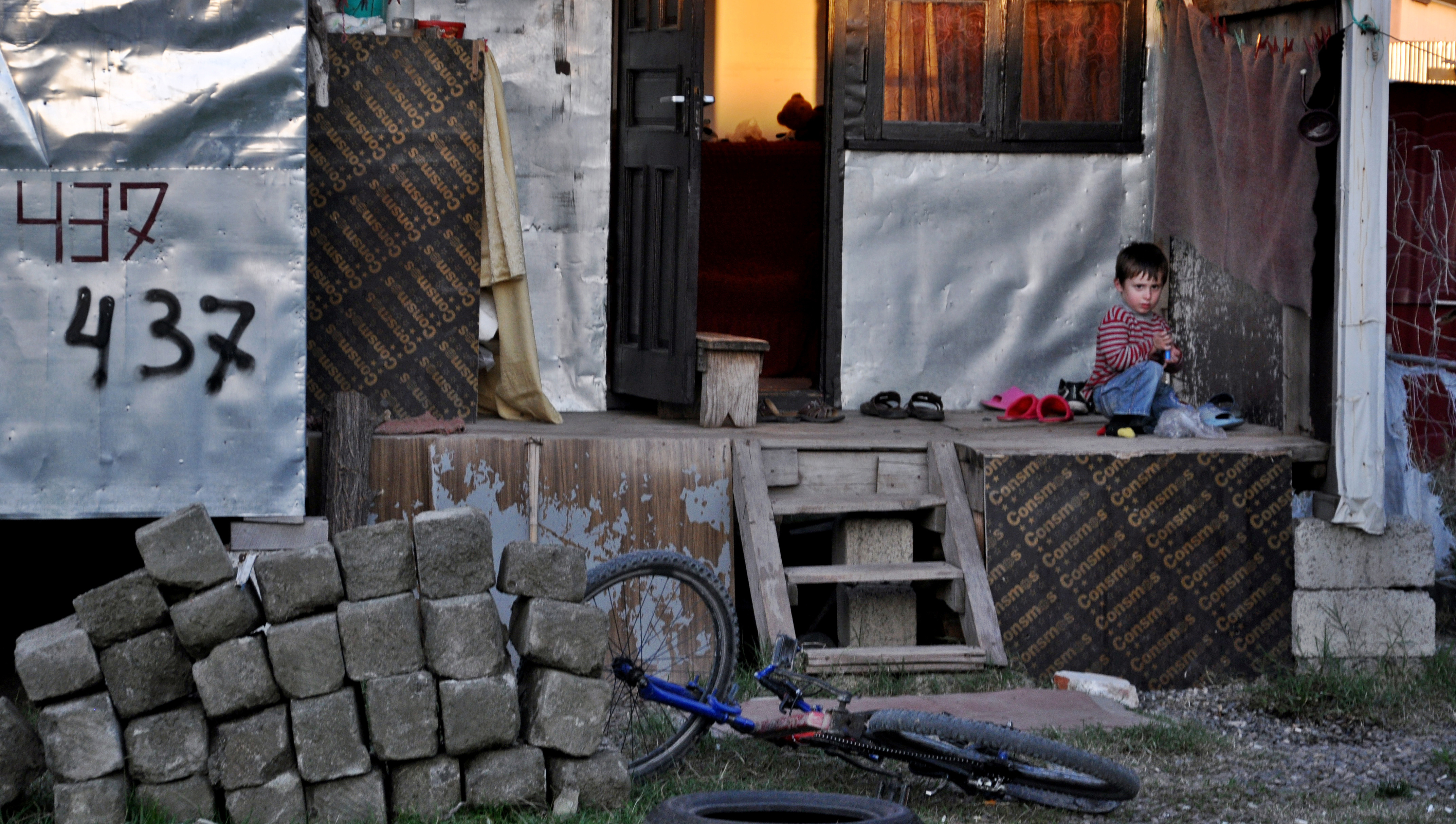
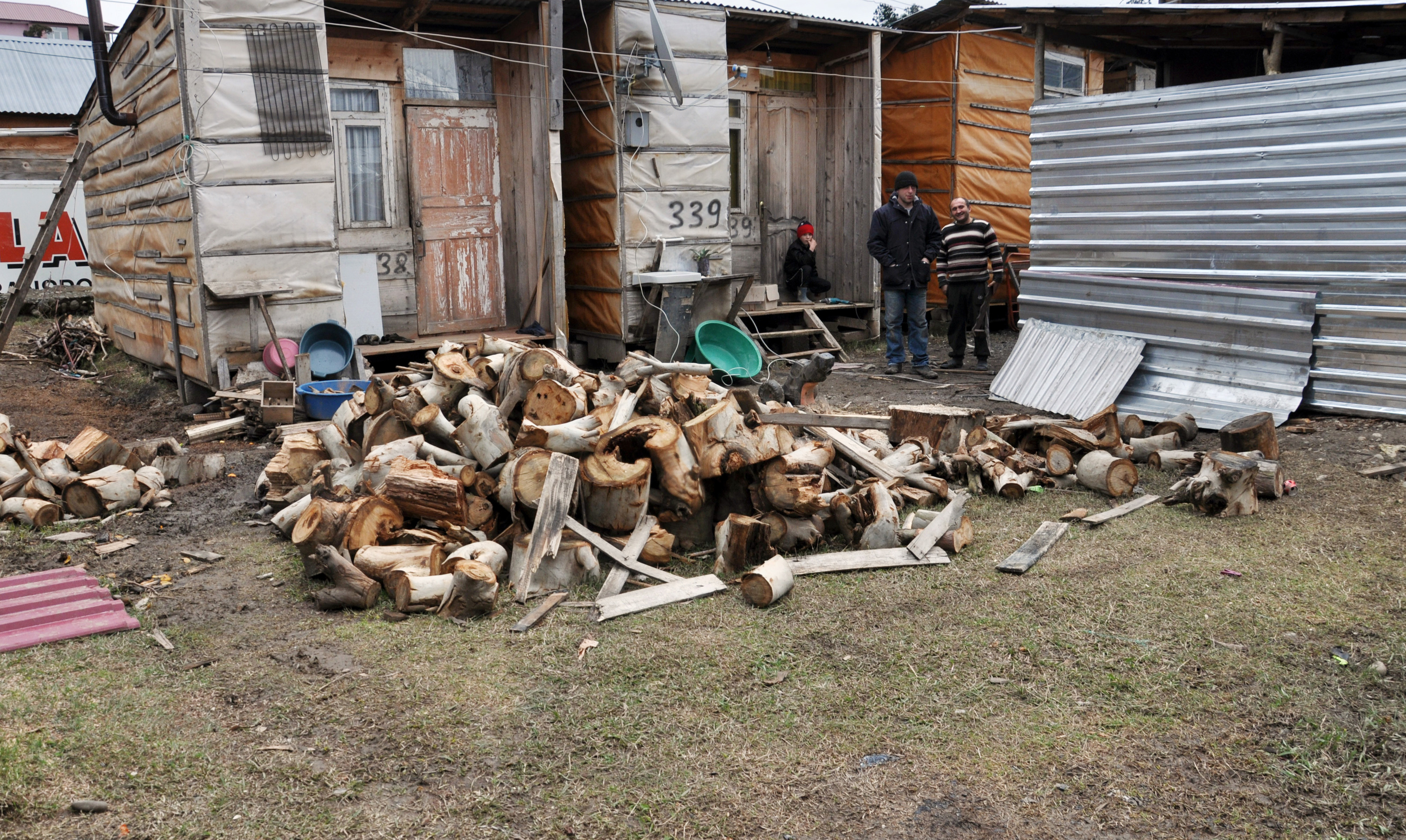
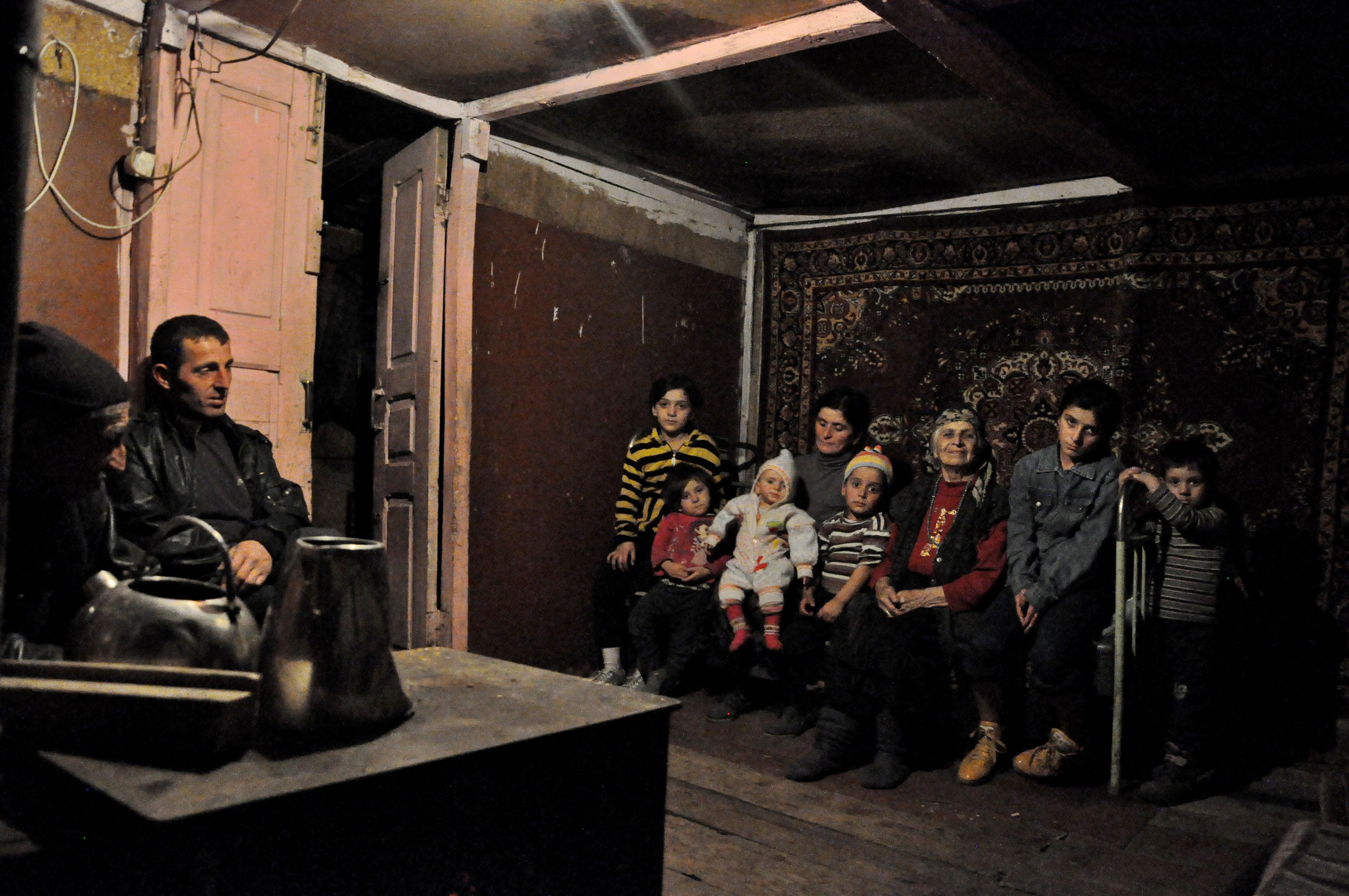
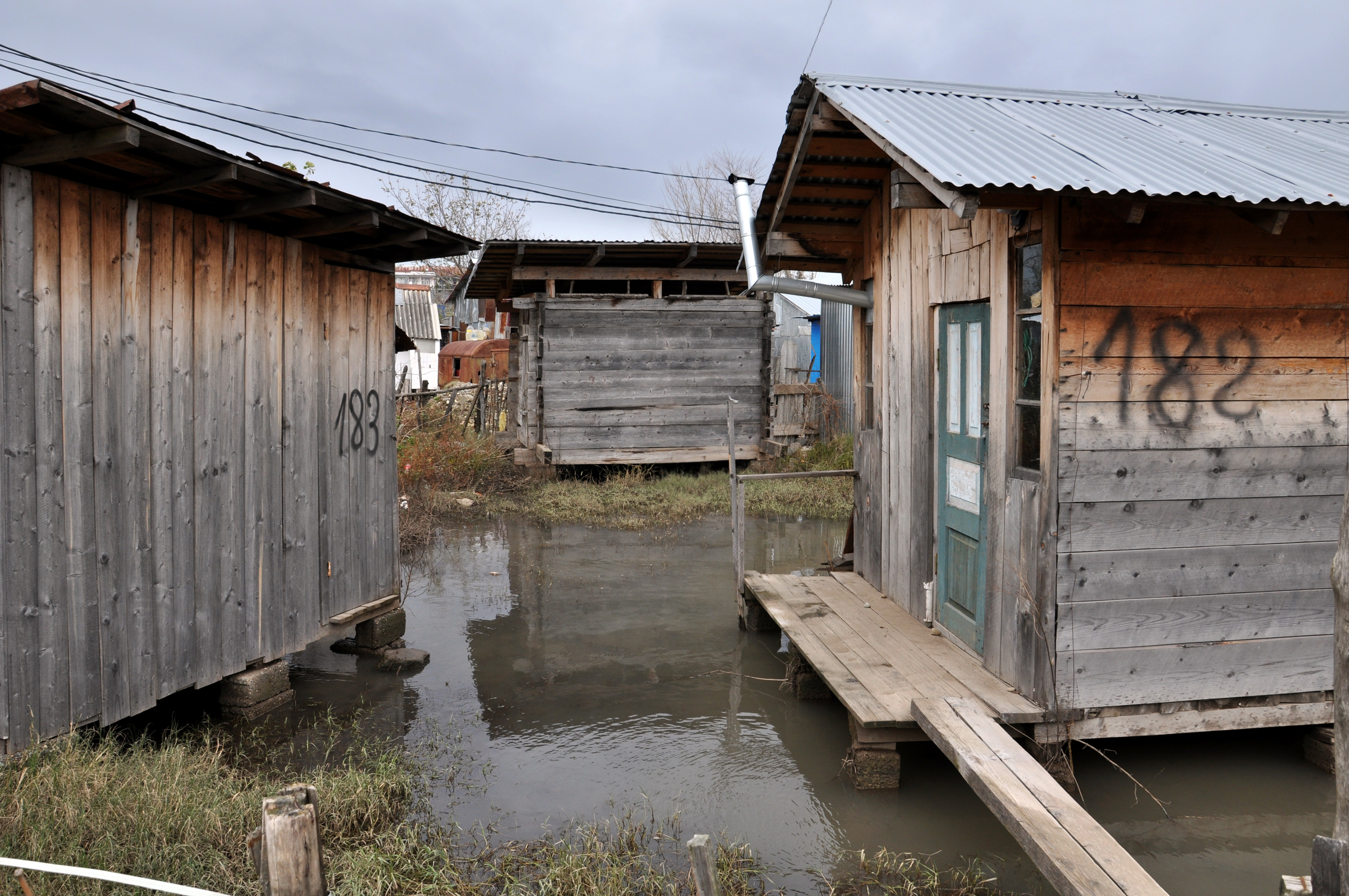
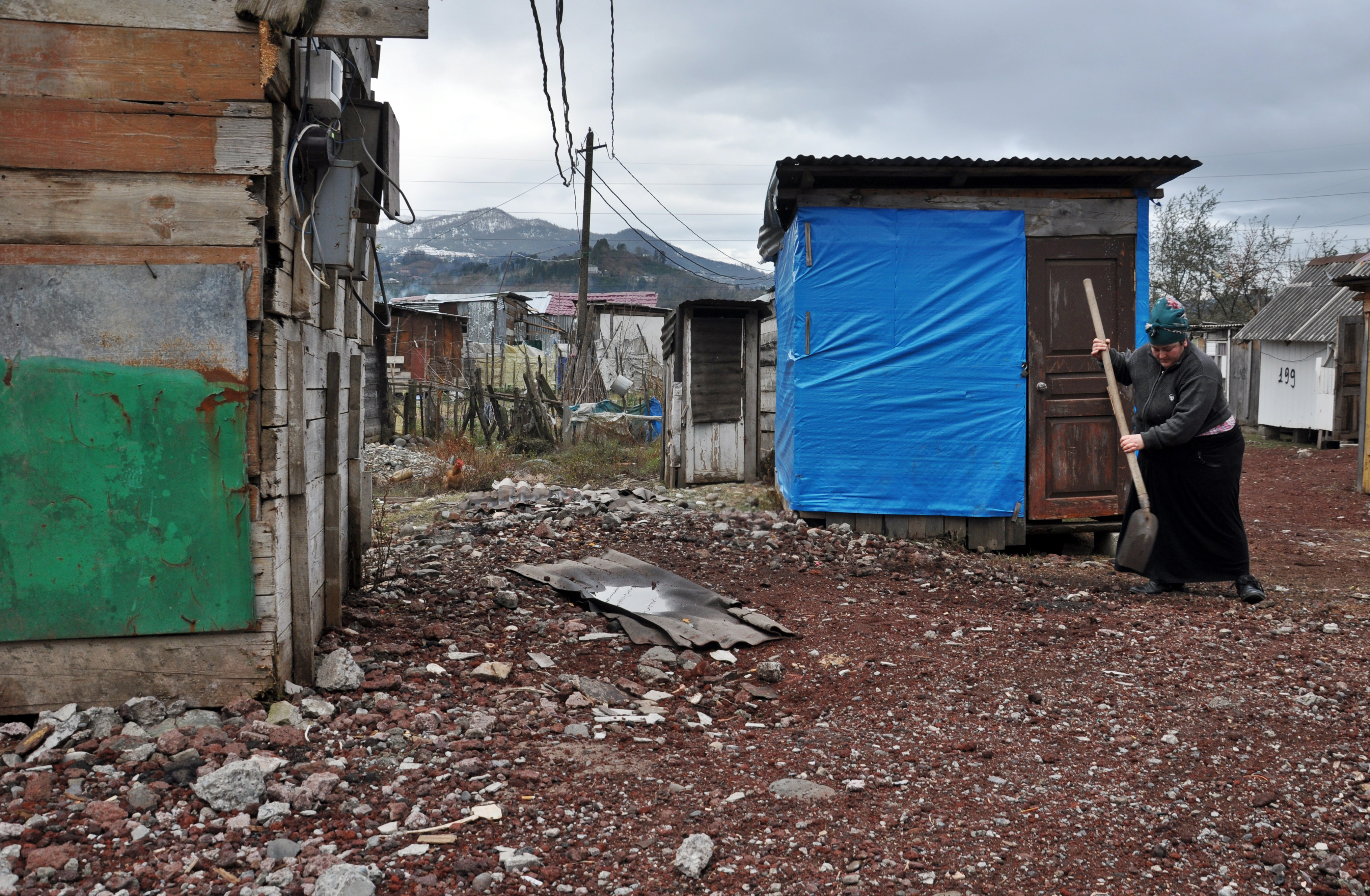
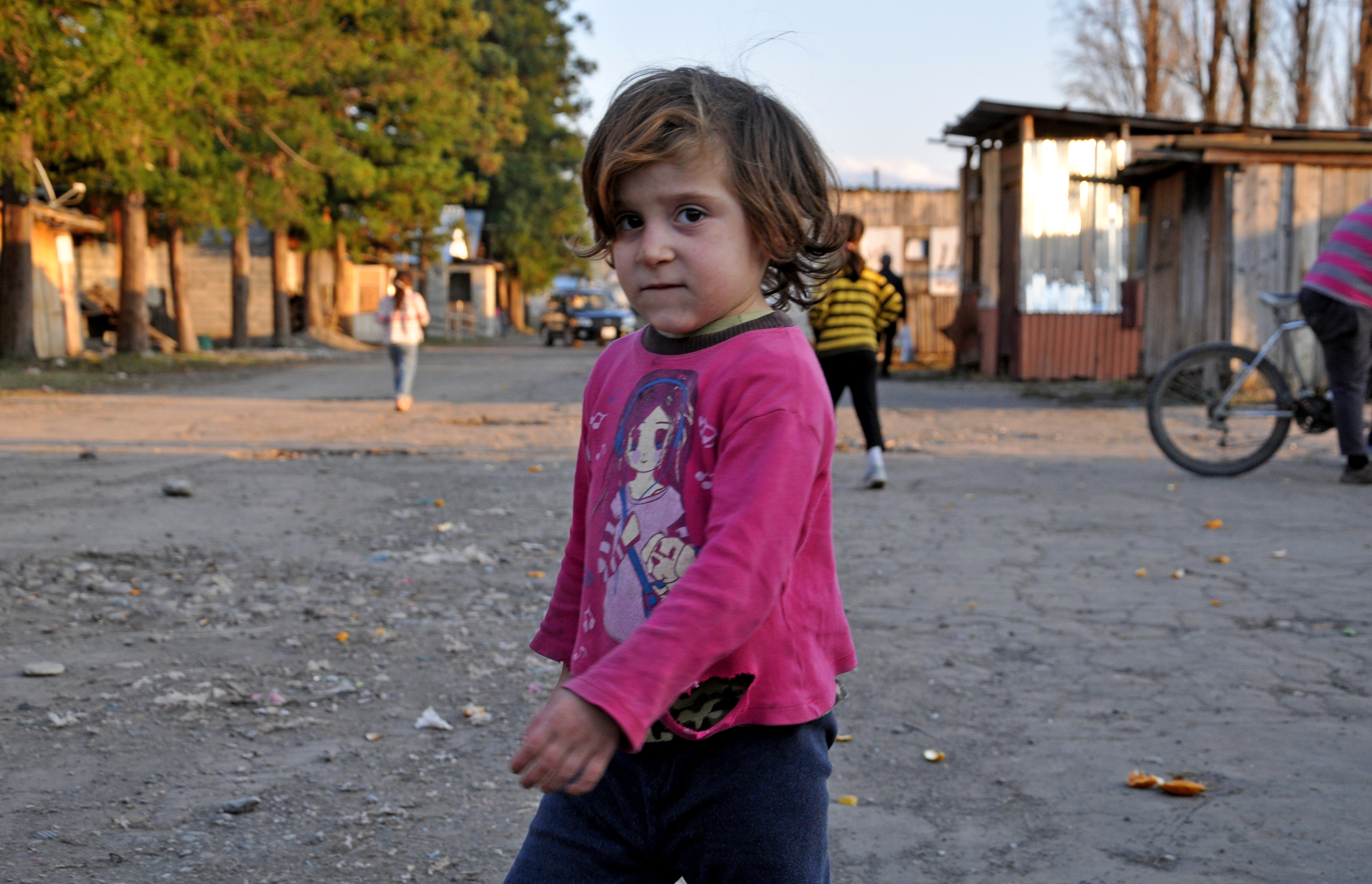
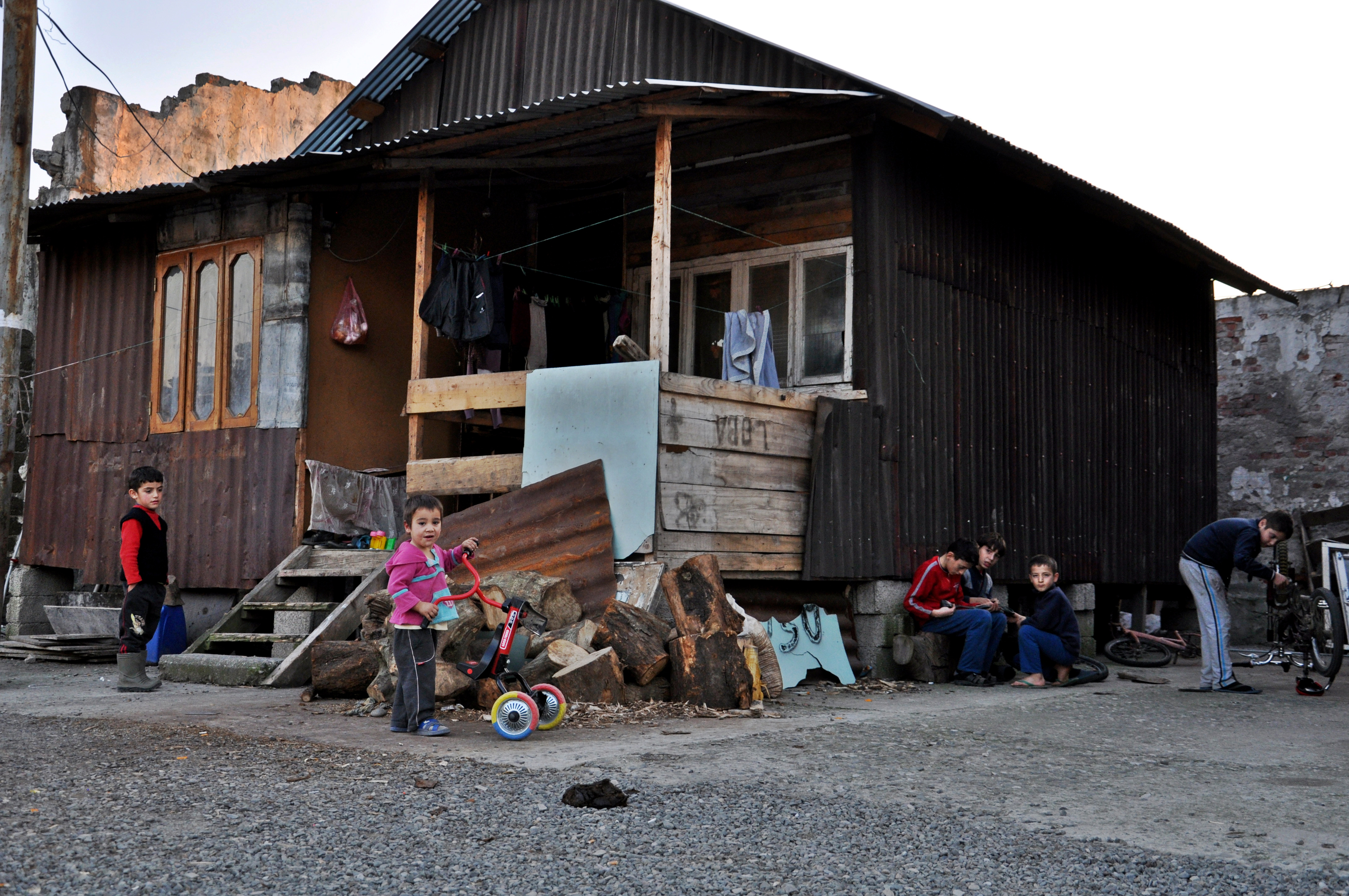
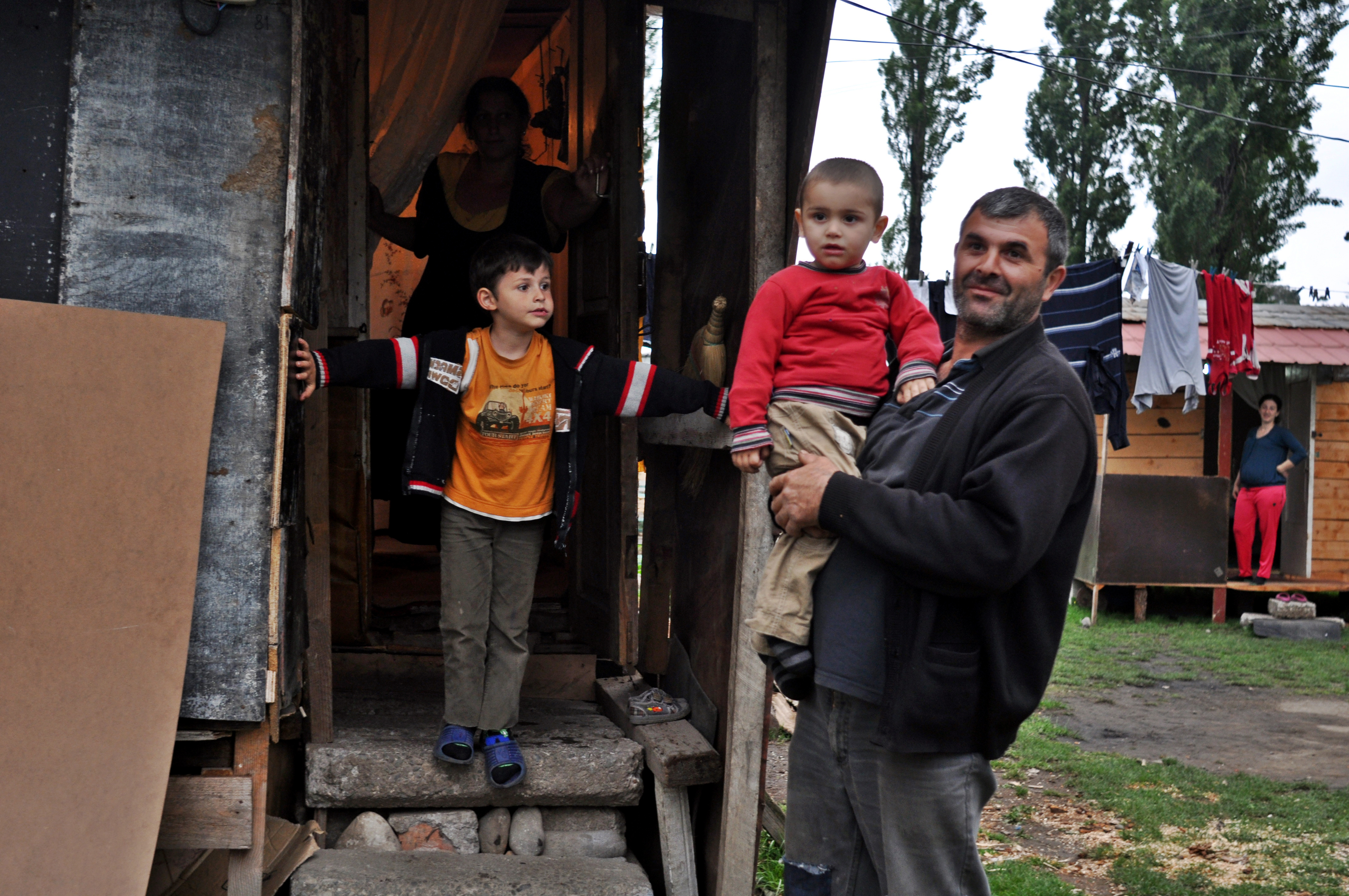
Nino’s house is just like almost every one of the 3,000 huts in the “dream town” -just a tiny, hand-constructed booth made of wood and cardboard. Families barely manage to properly cover their roofs, and the roofs leak every time it rains.
“Oh, you came back!” Natia, 13, came running when she saw us the day after the flooding.
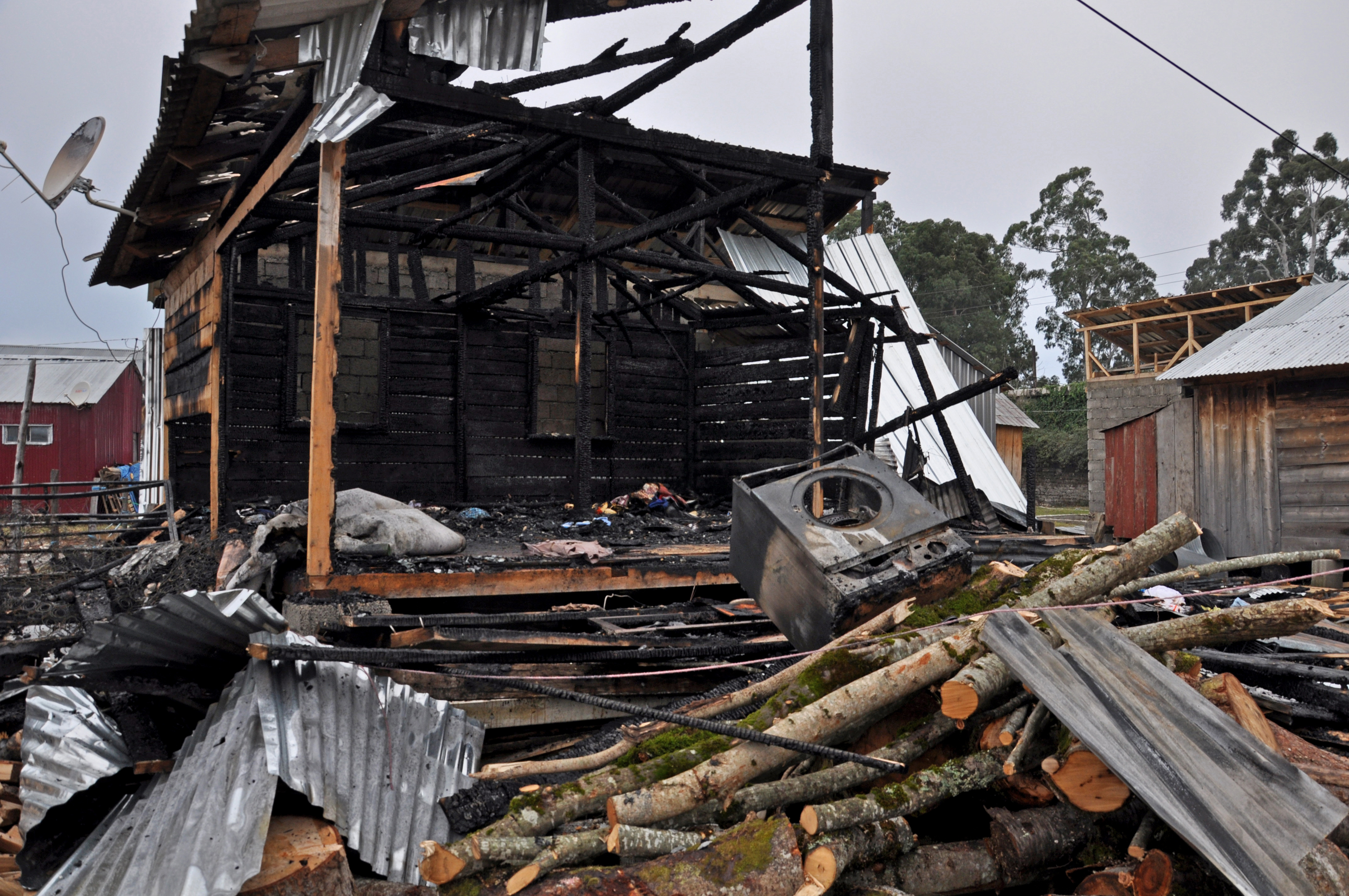
“There is a horrible situation here, disaster,” She continues. “And imagine, after the flood a house in our neighborhood burned down.”
The burned-down house was the topic of the day among children and adults alike. No one was injured, but as Natia says, firemen came too late to save the house. Apparently, no one is investigating the cause of the fire, but the town’s residents assume that it was due to a short in the improperly installed electrical wiring.
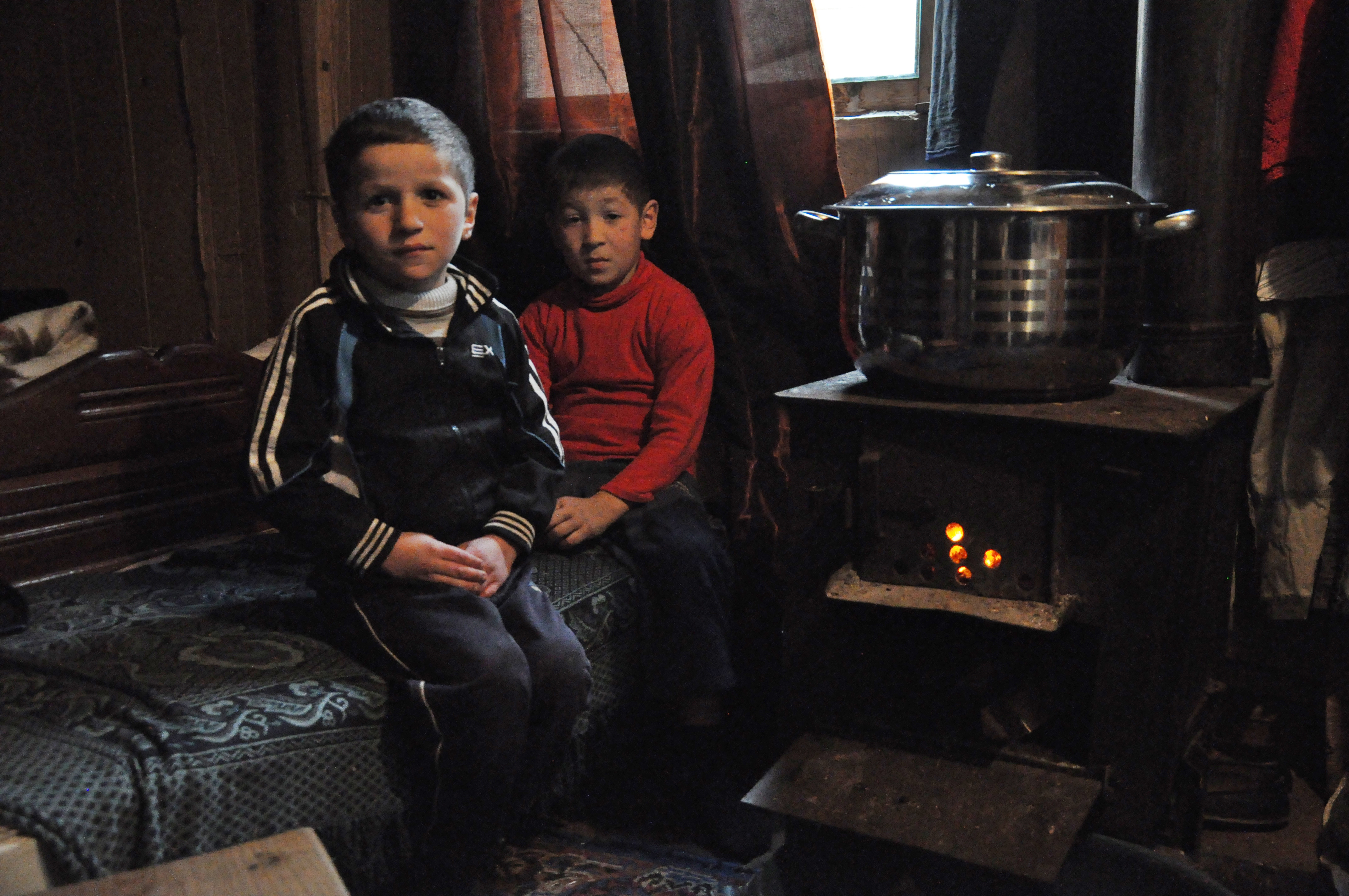
When “dream town” was first built people didn’t have any electricity, natural gas, water, or sewage system. About two years later they’ve managed to connect electricity to every hut, but they have only one counter and split the bill every month. There is still no gas, and you have to carry water from the outside.
“Every time it rains, it rains in our house as well,” Natia said, coming back to her biggest problem. “My bed was all wet and we had to sleep on floor.”
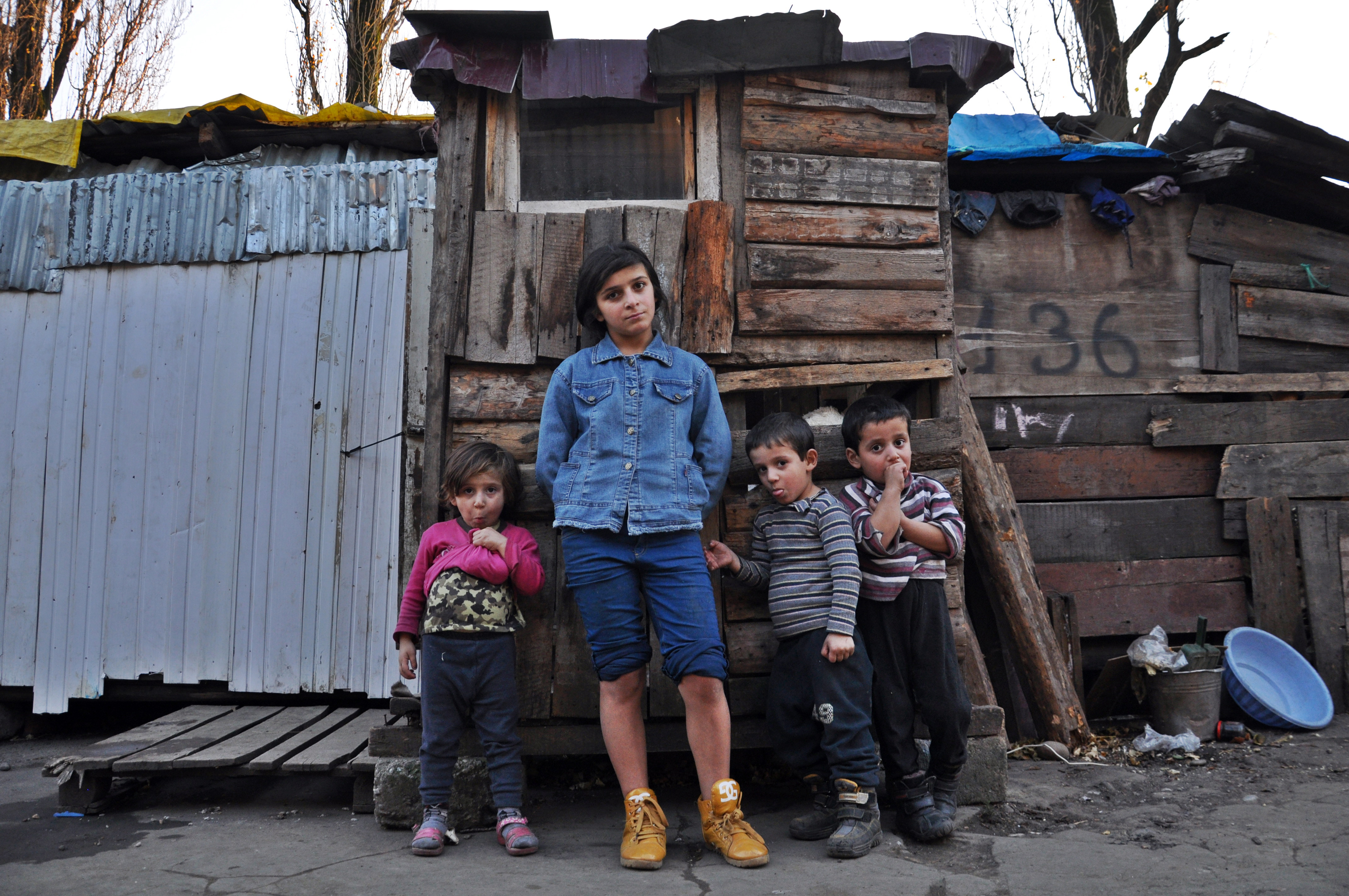
Her family is one of the largest families in town as she has six brothers and sisters. The eldest sister got married and moved to Kakheti. Natia would want to visit her, but she cannot afford it.
“I’ve been living here for two years. We’ve gone through horrible periods, but somehow we made it. We’ve managed to set this place up and now it is okay,” she said.
“After all, I like “dream town.” I have friends at school and here as well.”
Her first dream is to have an apartment for her and her family, but today she wishes she had a computer.
“You know, my sister had the same dream.”
“And did her dream come true?”
“No, not yet. She got married and now she has a child to take care of.”
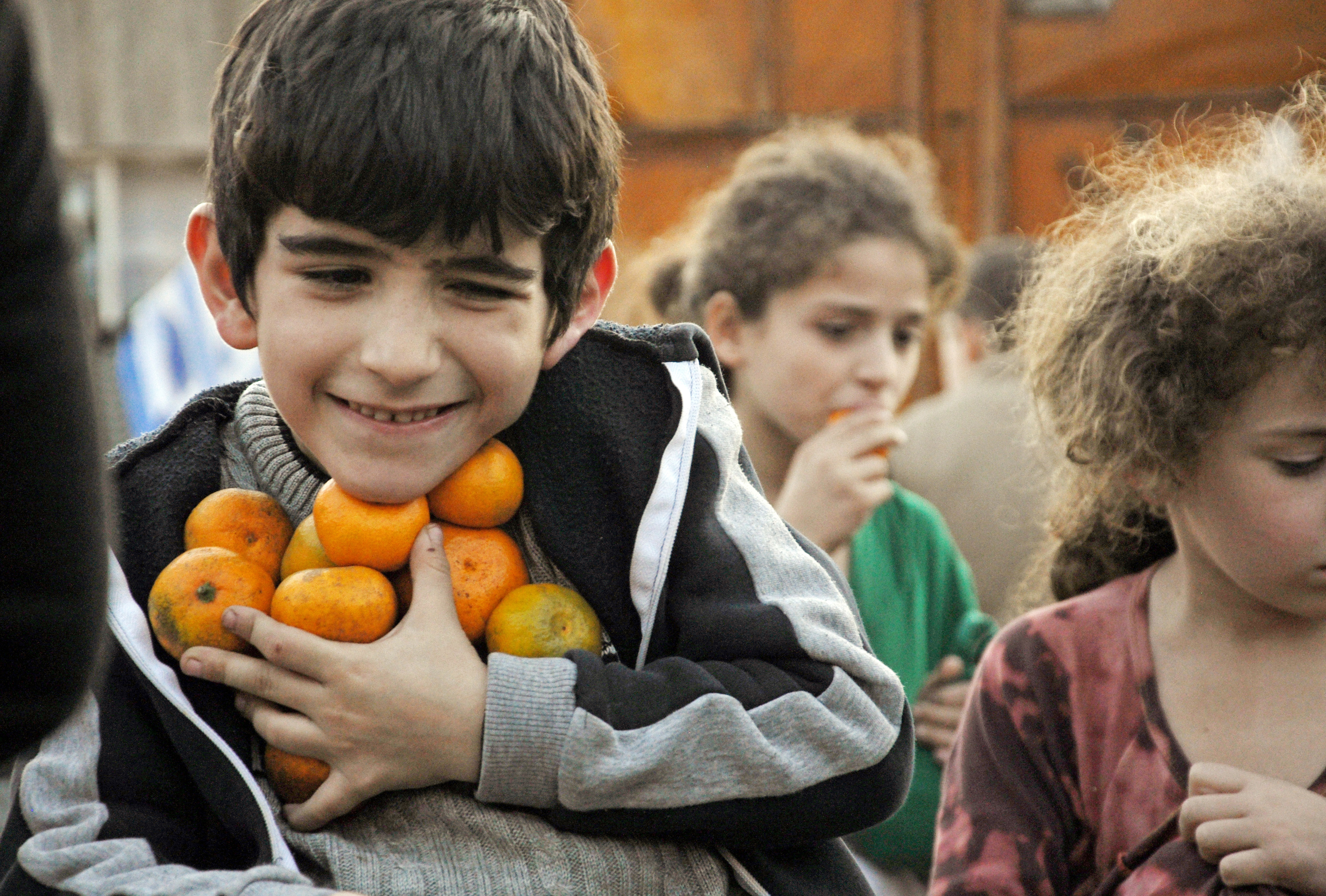
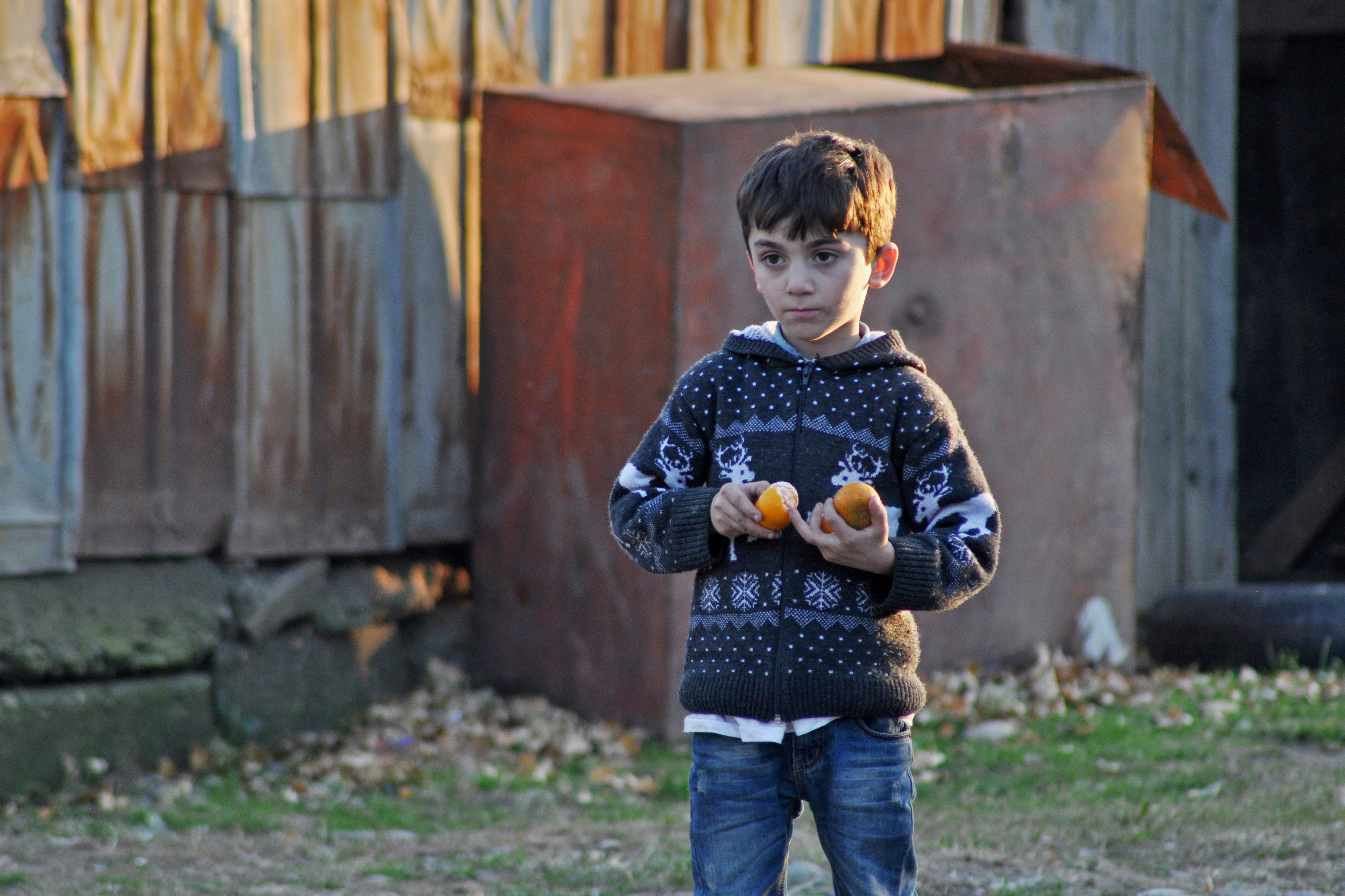
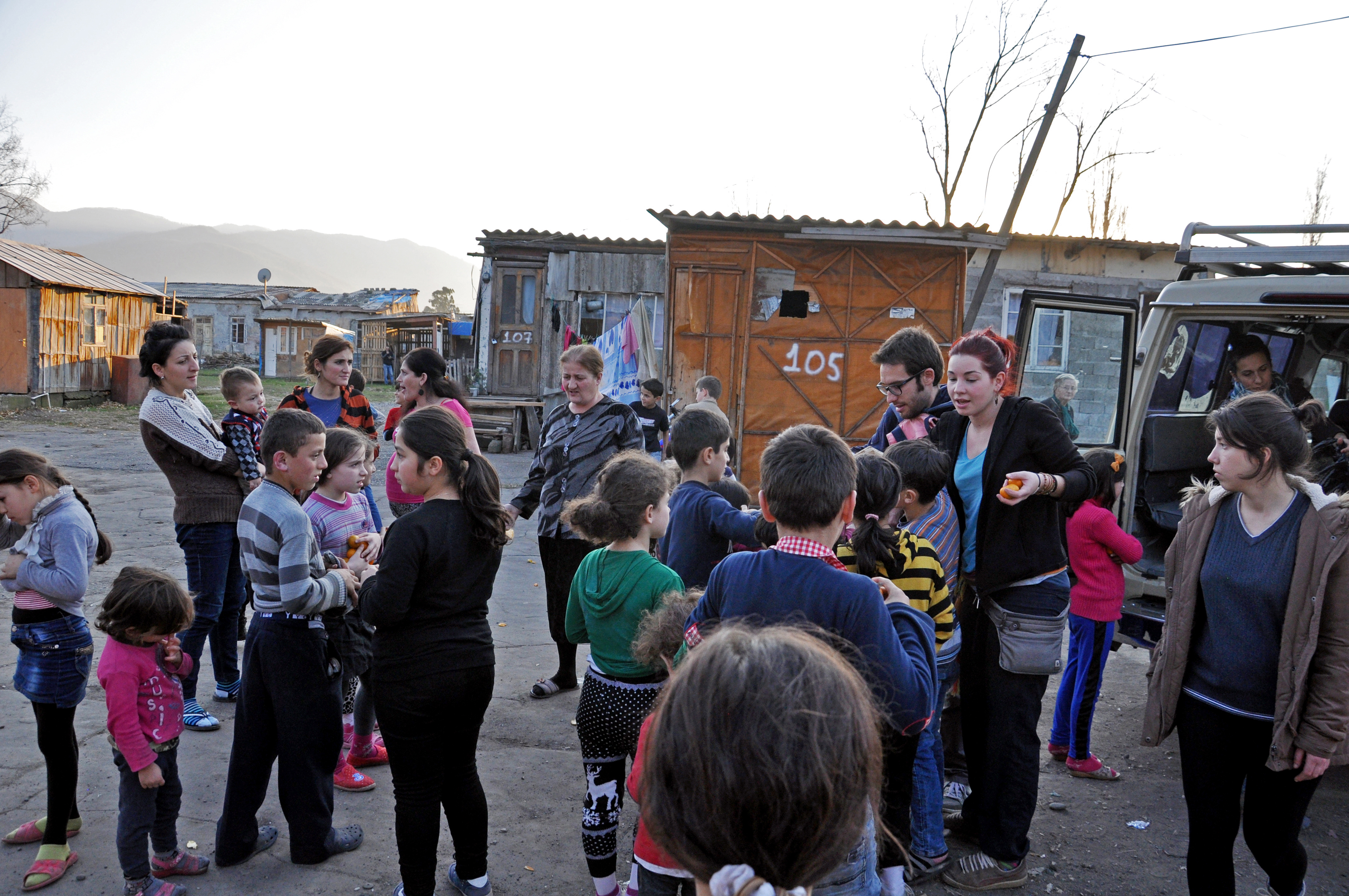
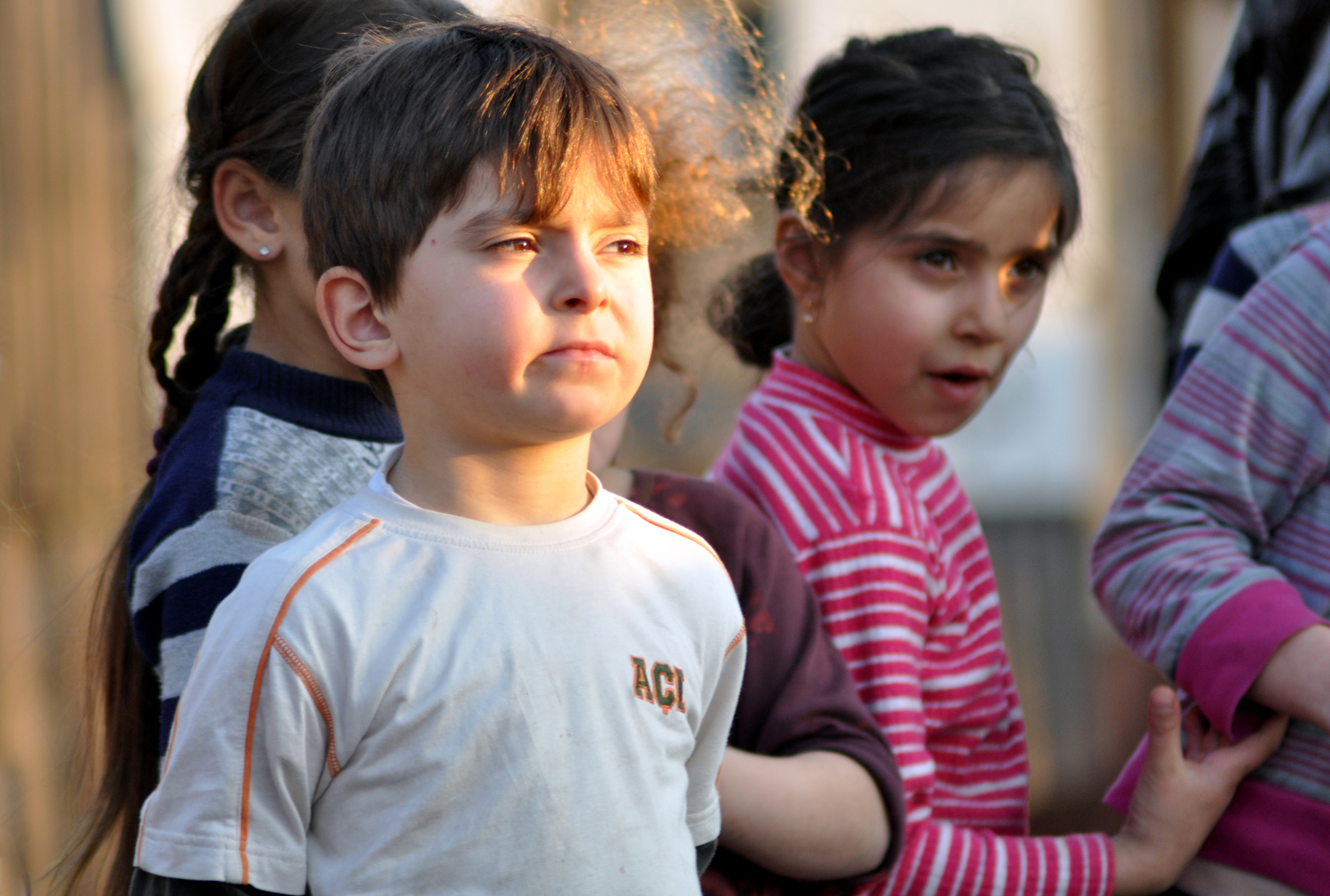
Natia says she was young when it happened, but she still remembers how the previous government promised to provide them with an apartment to replace their house.
“I know my father was asked to sign something, but after signing the document we lost the house forever,” she said, but she was unable to remember exactly what happened. When they learned about “dream town” they left their rental house and came to live here.
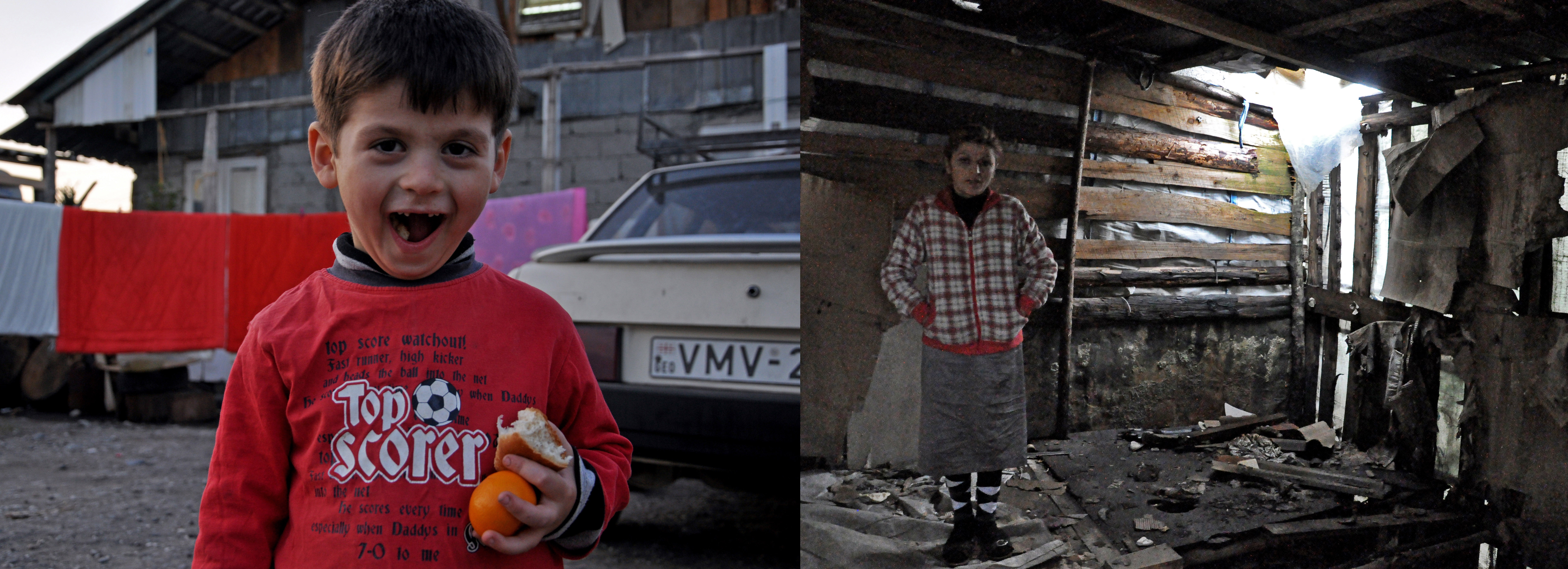
Giorgi, 5, who lives with his, parents, and grandmother, and three sisters, remembers having the tiniest hut among the others in “dream town.” Thanks to generous volunteers from the area, the family managed to construct walls from concrete and bricks, but without a proper roof. However, they still feel better now.
“We used to go to sleep at night with ten huts in the neighborhood and in the morning there were hundreds more. They multiplied like mushrooms.” He said.
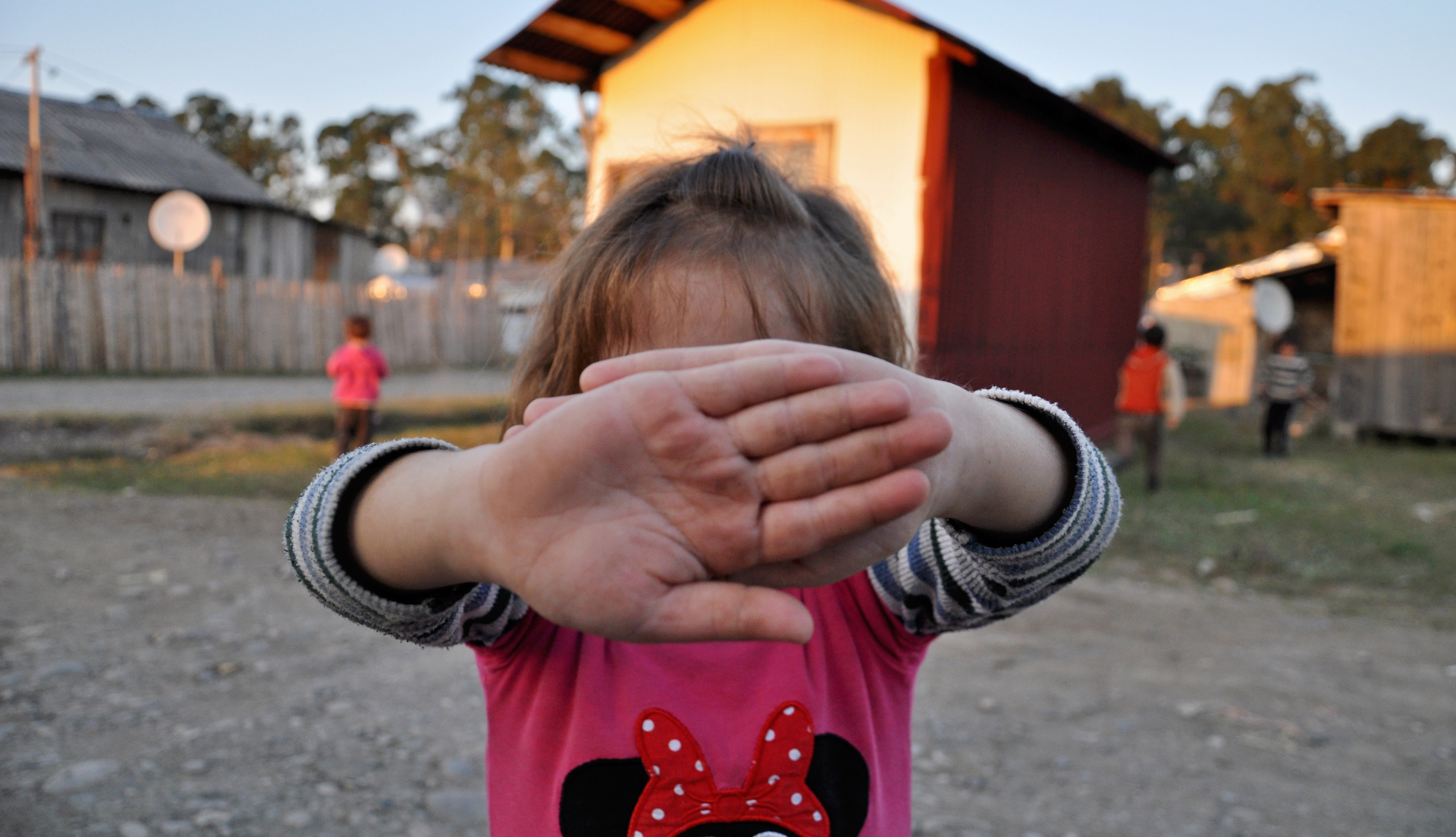
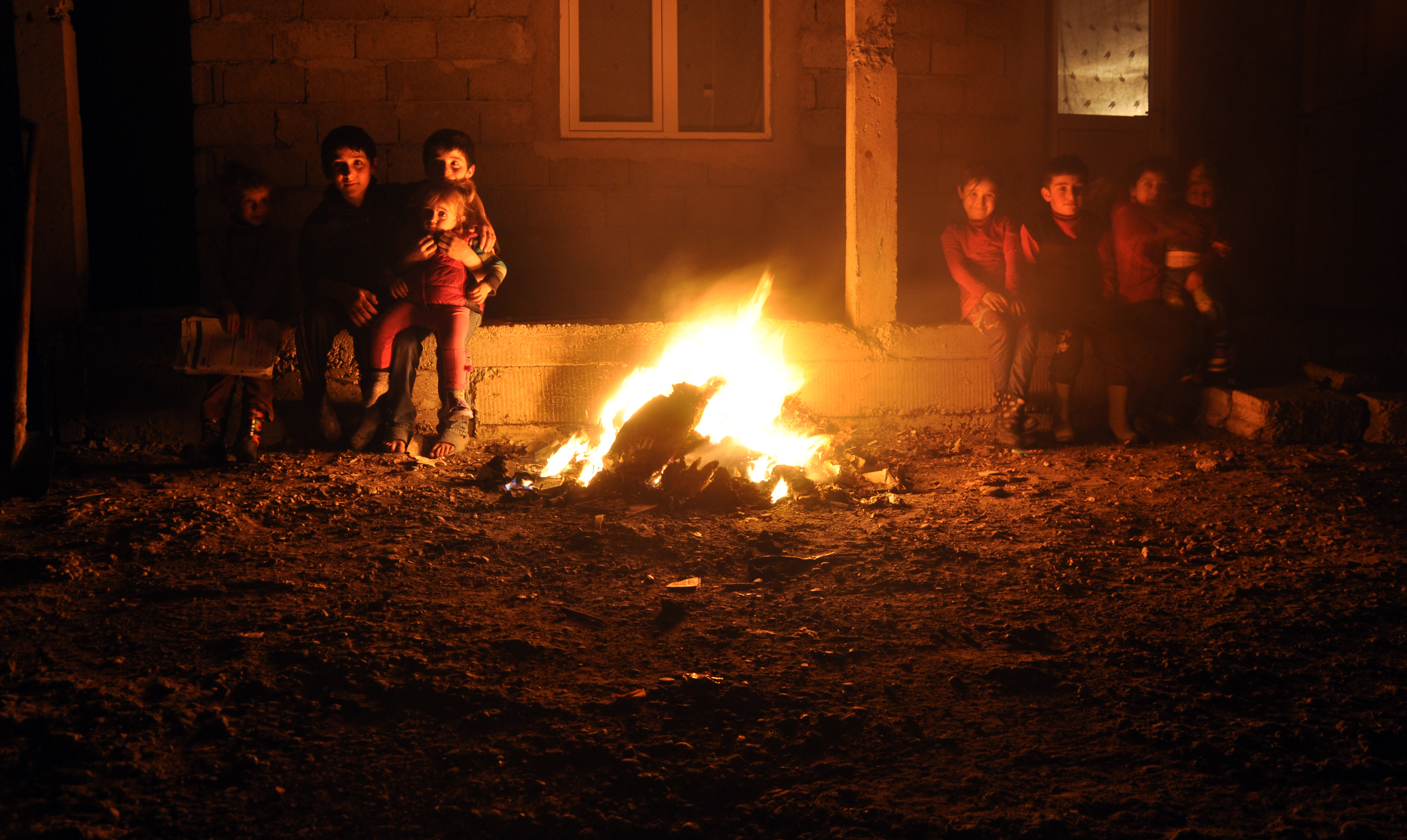
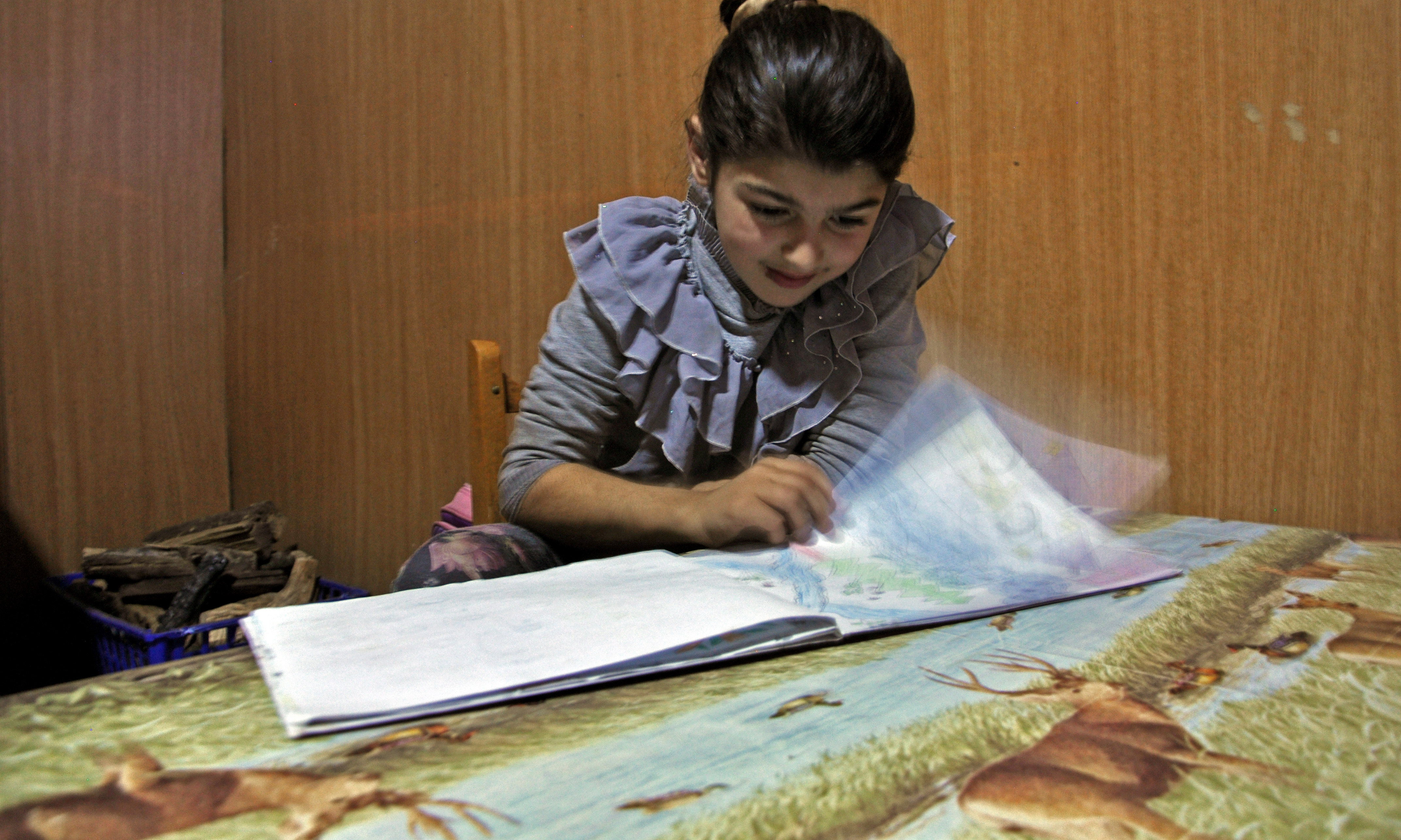
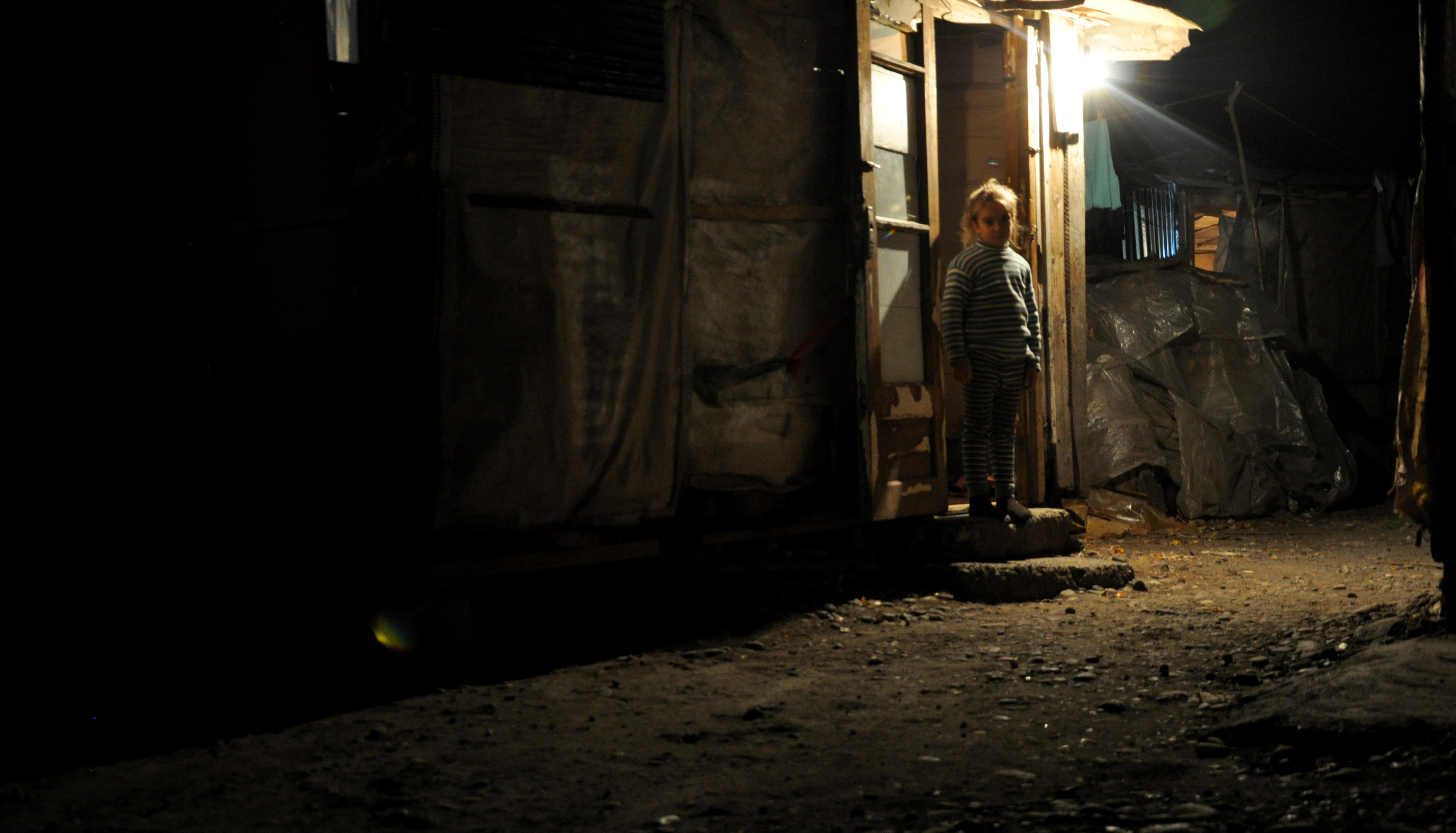
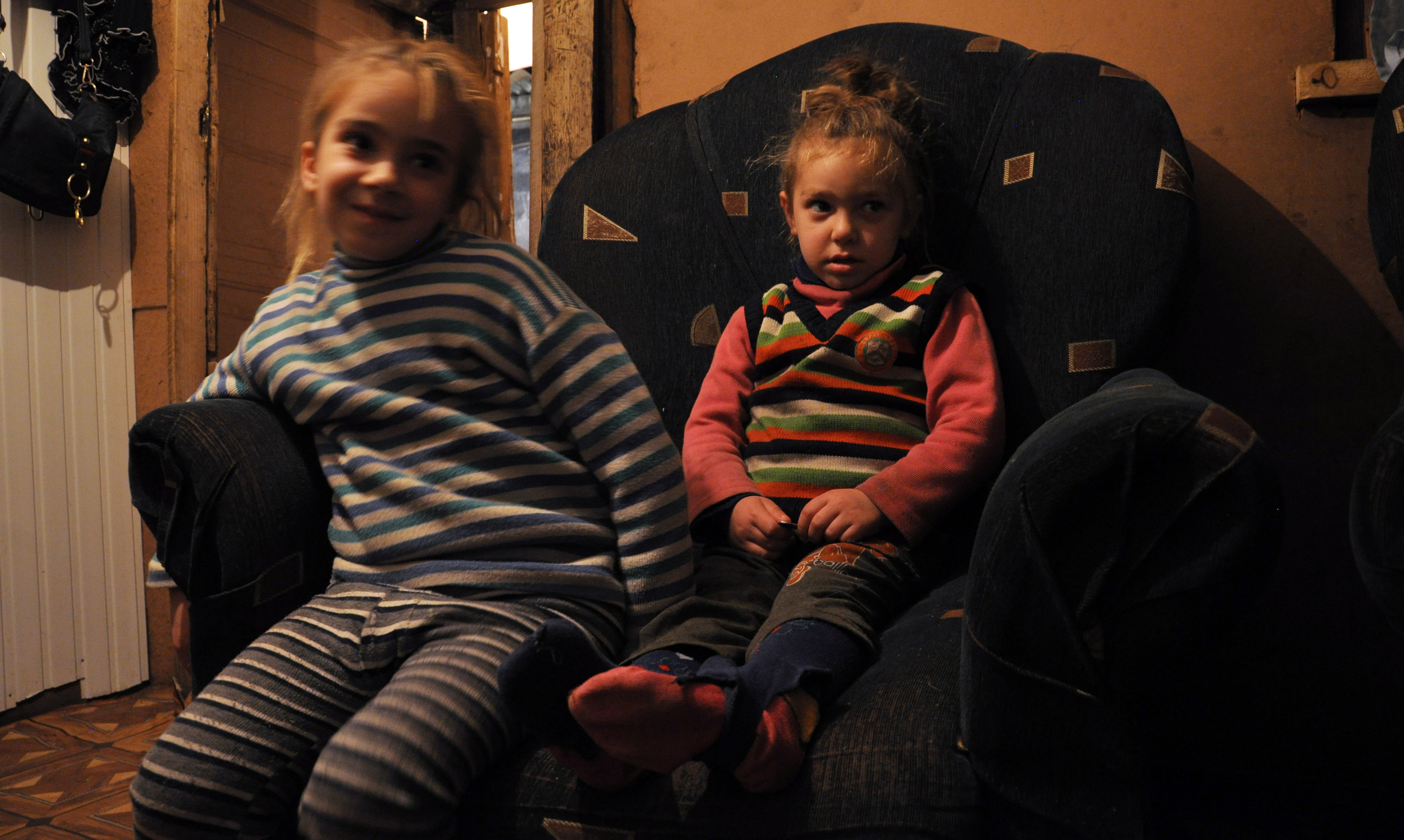
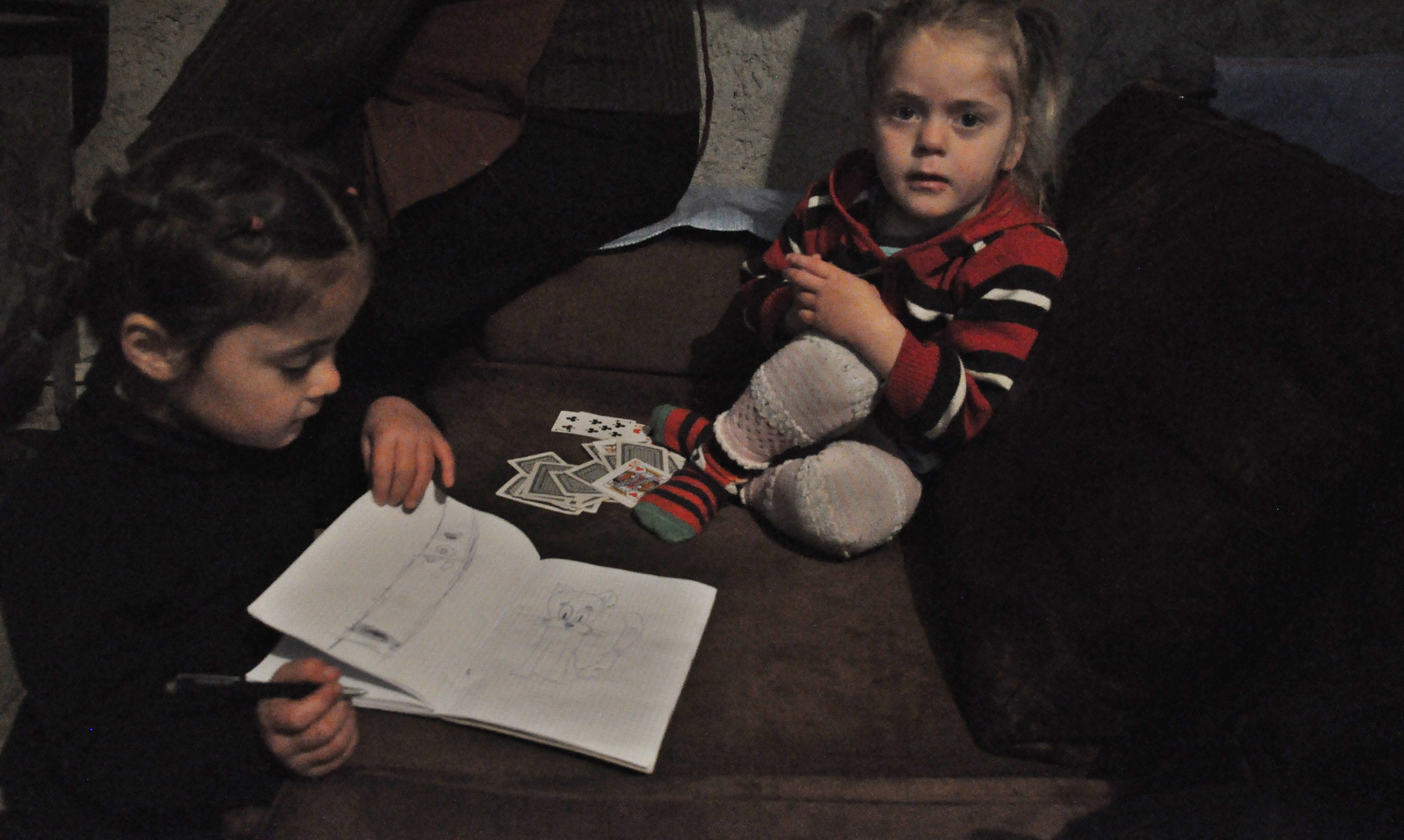
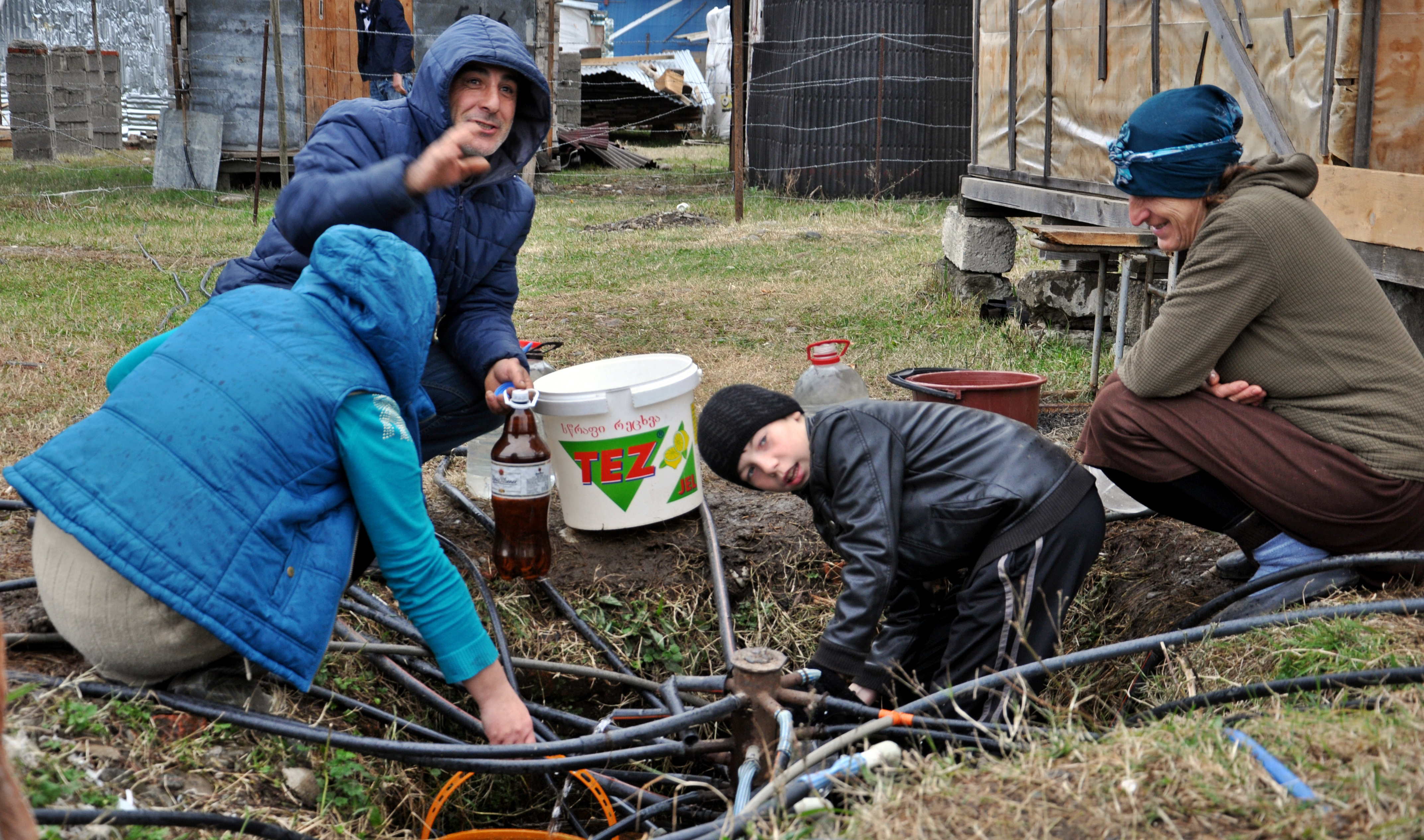
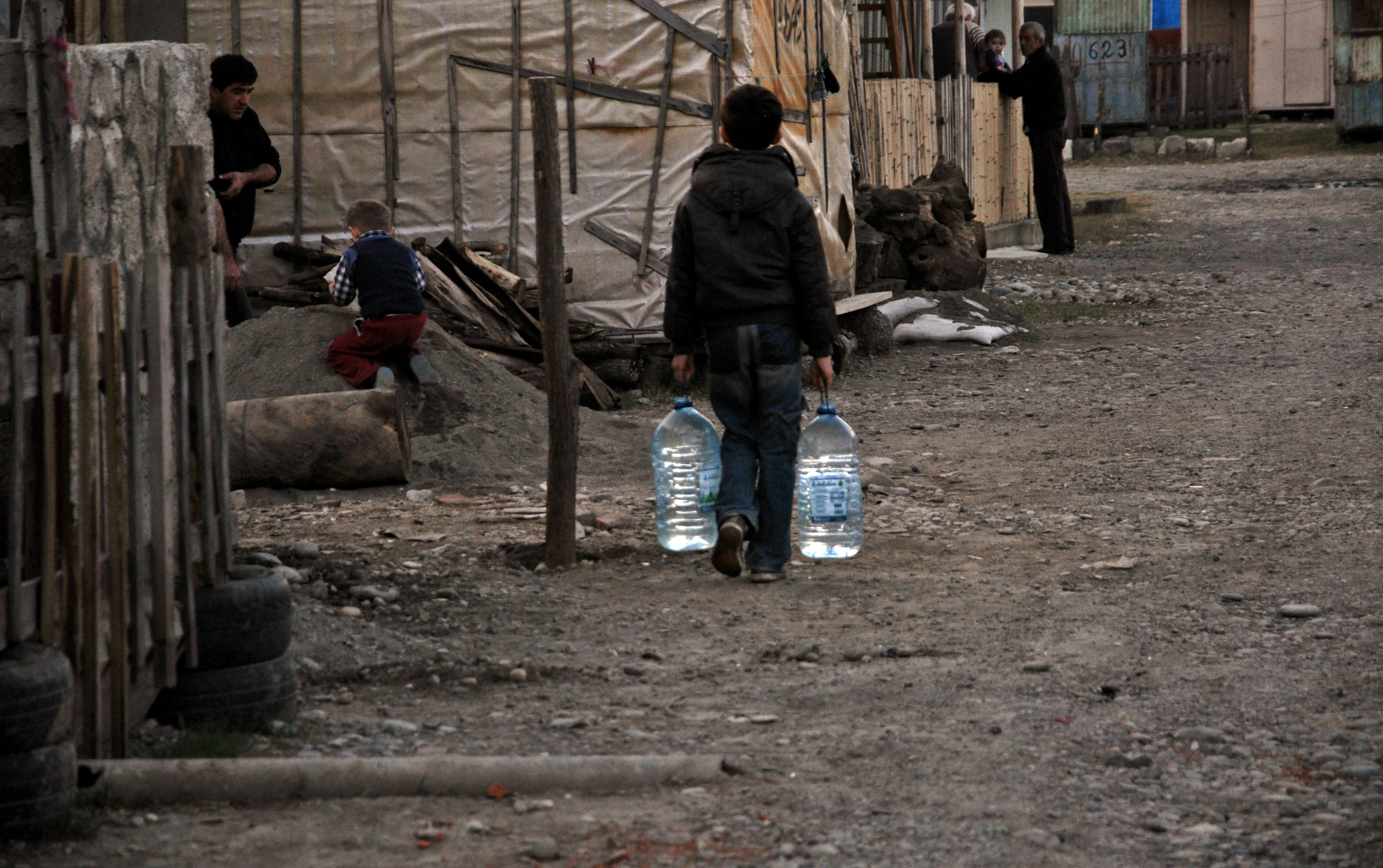
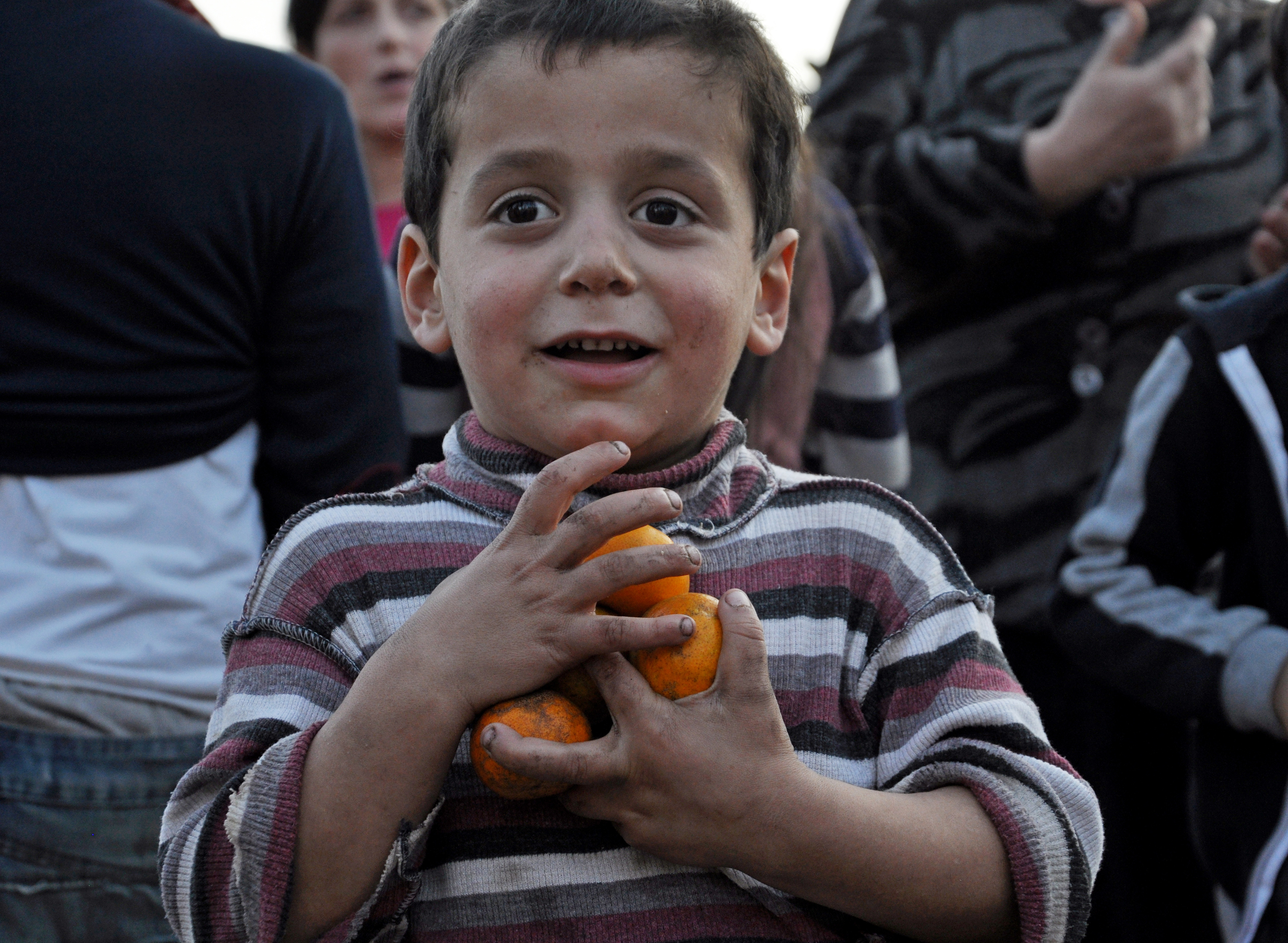
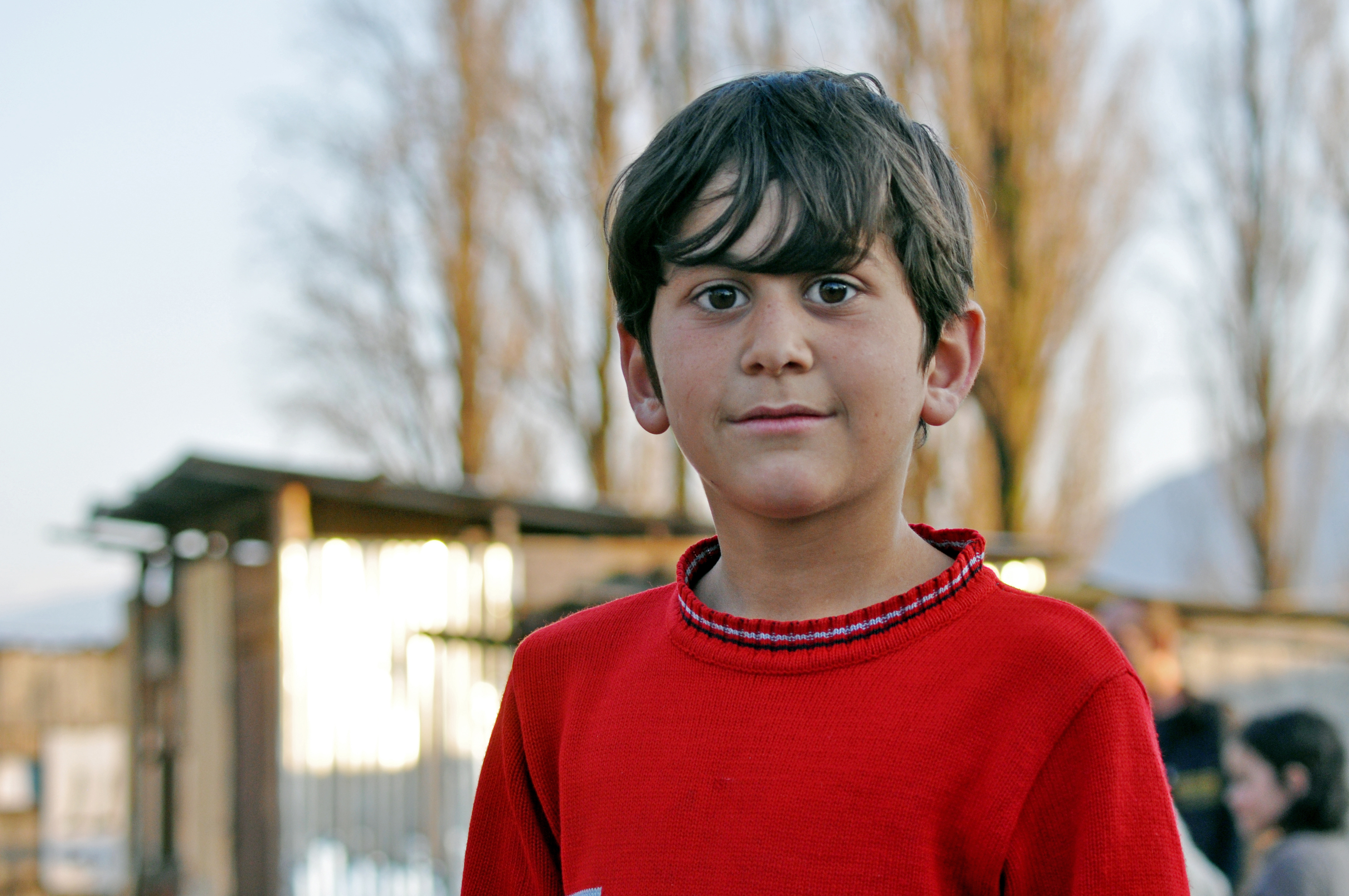
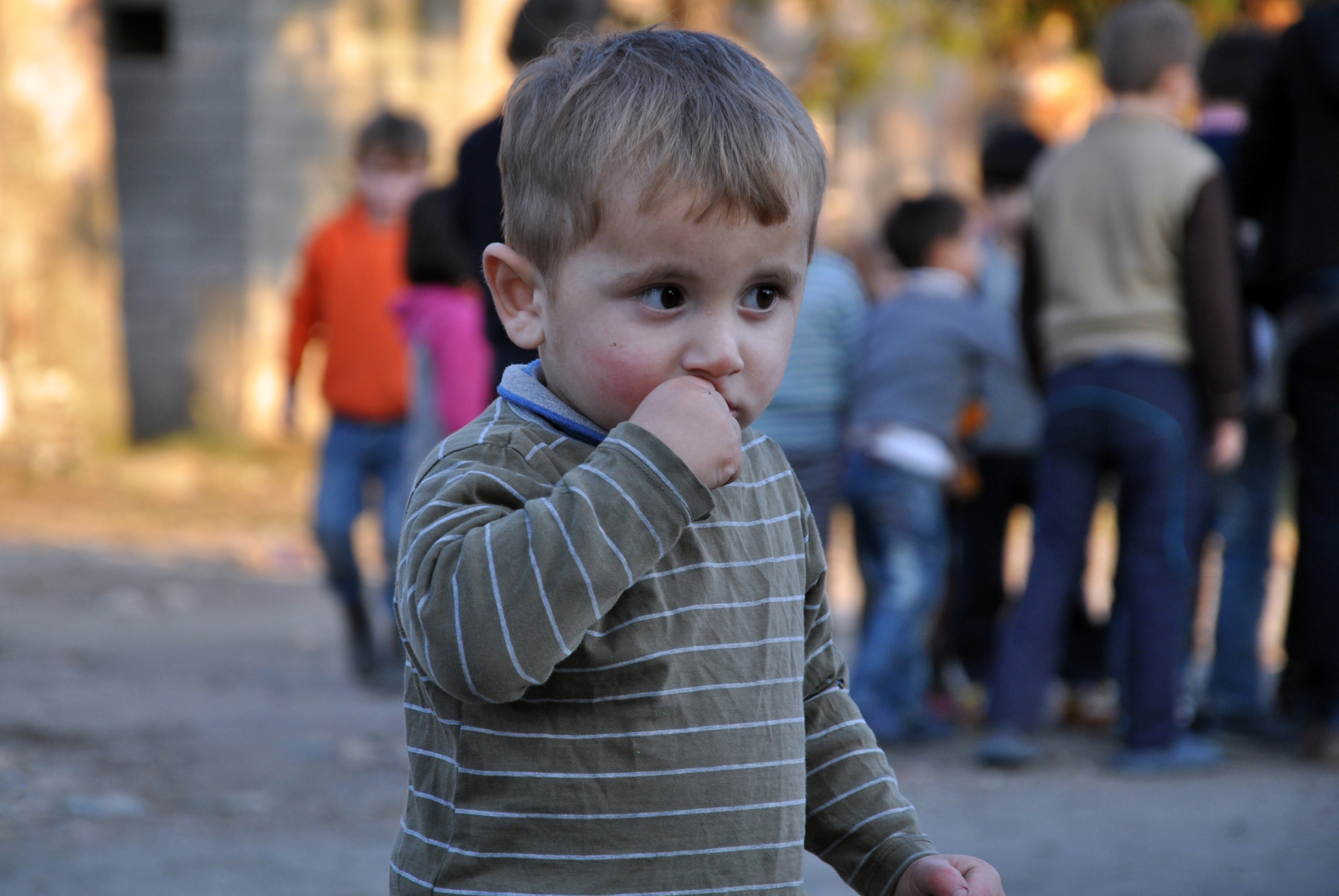
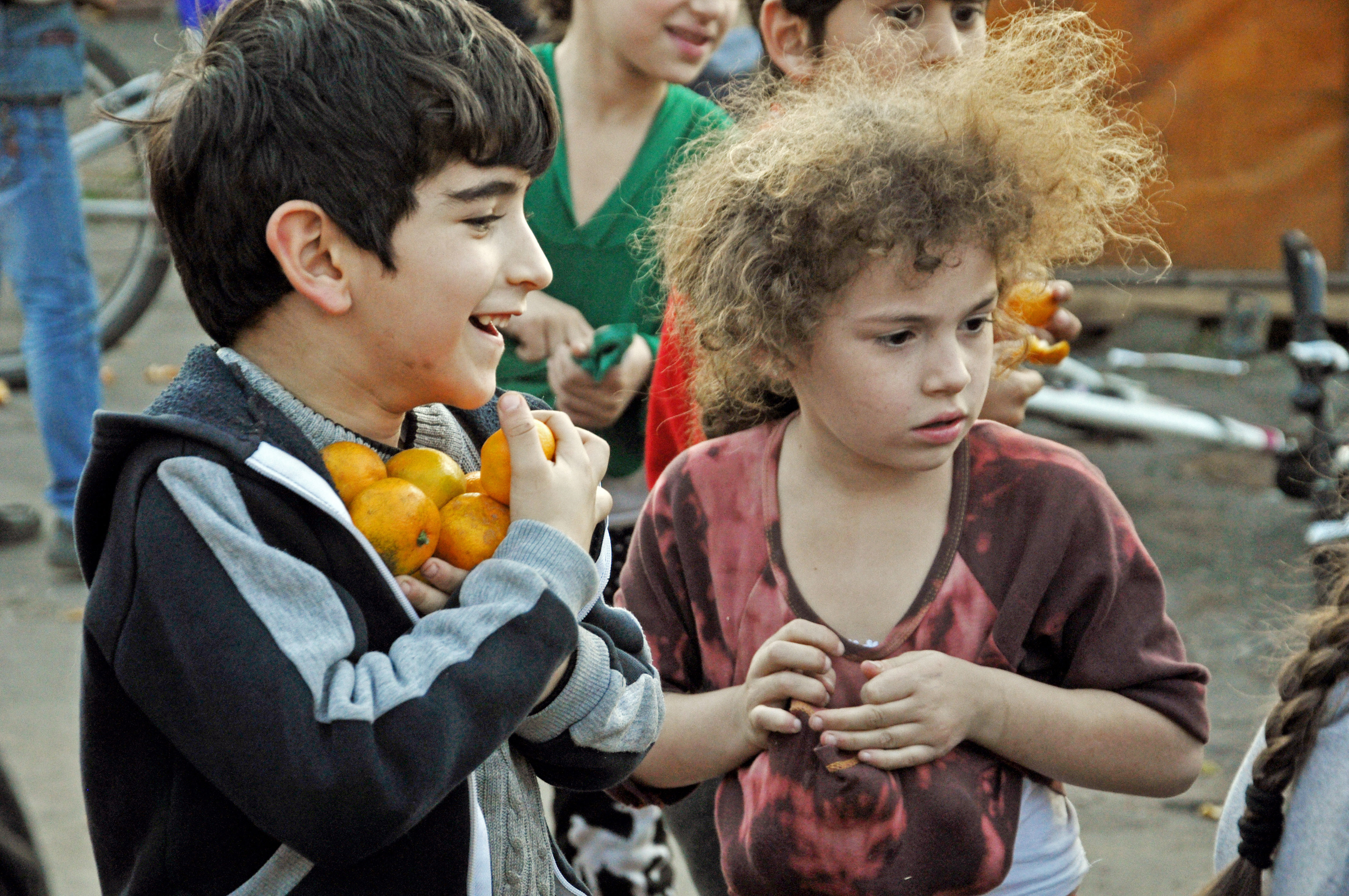
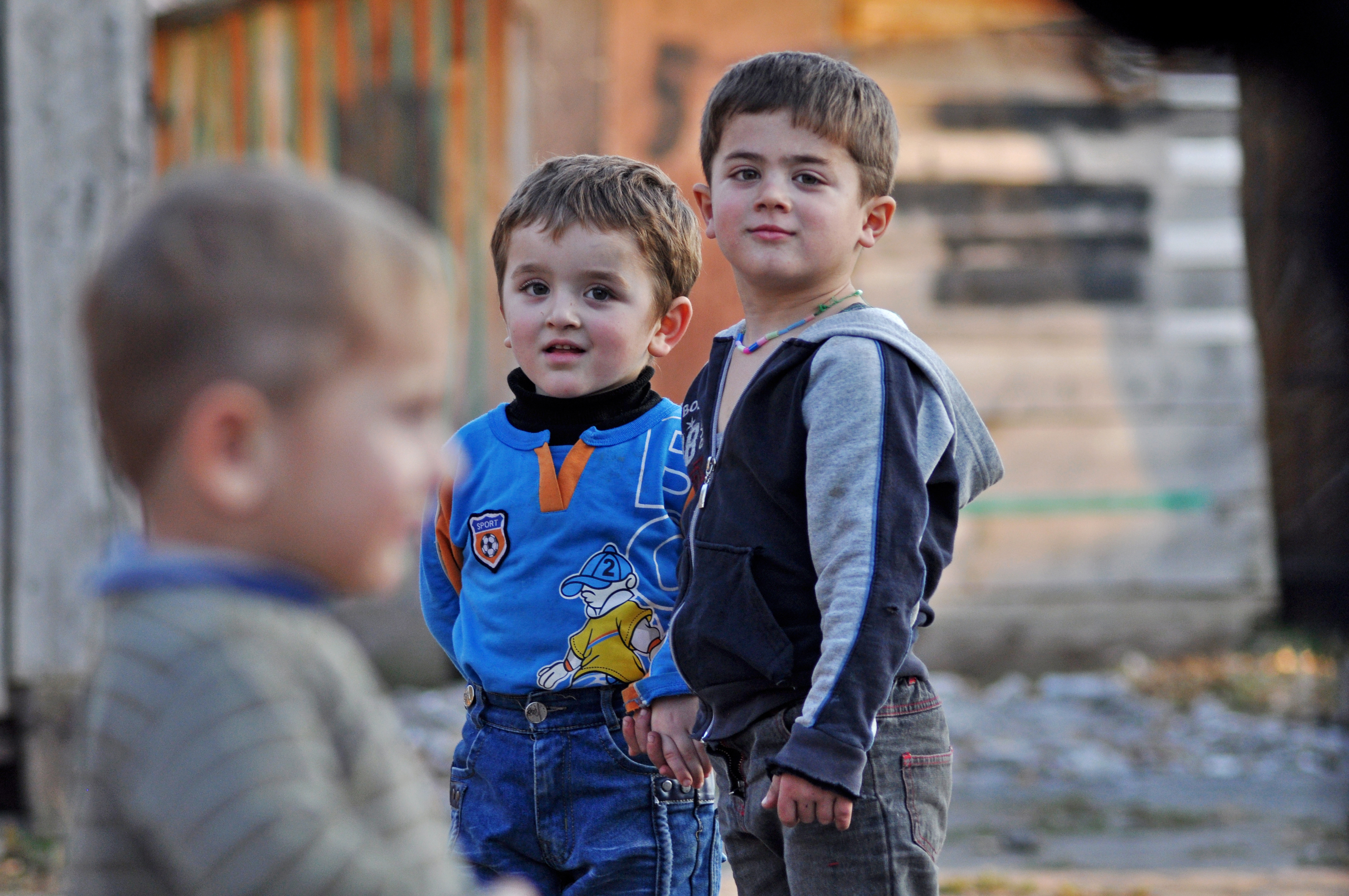
In this dream town, there are more than 500 children and each has a story to tell.
Most of the families used to live in mountainous Adjara. Flood, landslide and other natural disasters destroyed their houses and so they had to leave. Some rented houses, others decided to settle in households proposed by the government in other corners of the country but most of them couldn't receive land with the house and found it difficult to make income.
Sulkhan, 15, and Sofo, 8, both love skiing. Sulkhan has played hockey for four years and dreams of becoming a professional hockey player. Sopo loves drawing and is proud to show off her work.
Giorgi, 10, got in accident last year and lost his leg. Life here is hard for him. He is unable to get to school, and the teacher visits him every day. He started walking again for a few days, but the bad weather has once again trapped him at home. He has a brother and sister, who a share laptop the school gave them, even though there is no internet at their house.
As for Nino, who wants “dream town to be a colorful place, she wants Santa Claus to visit her at New Year at least once, as it has never happened before.
“It doesn’t matter if he won’t bring anything to me, but I want him to come, I really want to see him.”