Photo Story
Archive
The article you are reading is part of the Chai Khana archive. From 2015 to 2025, Chai Khana covered the South Caucasus, sharing stories from Georgia, Armenia, and Azerbaijan.
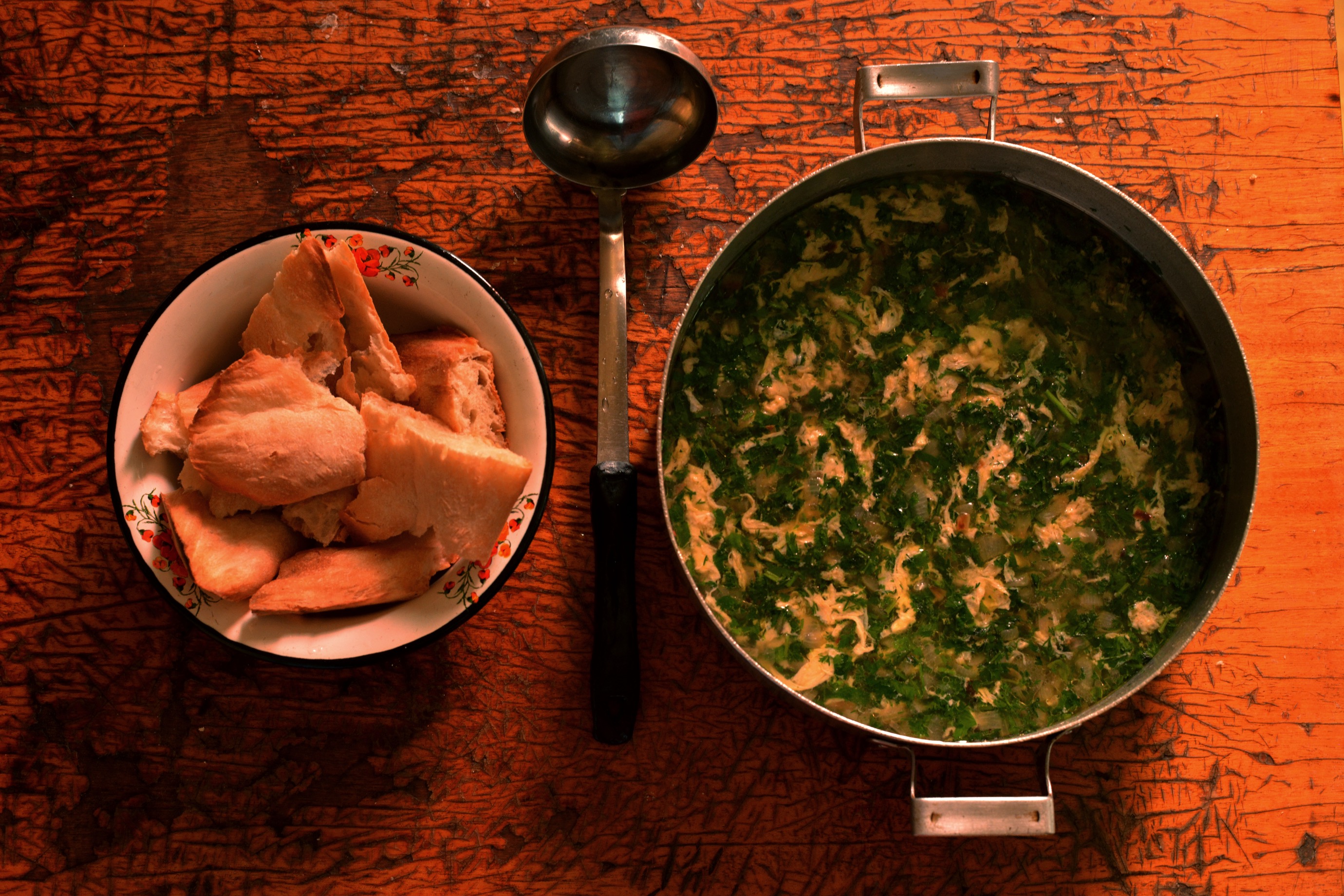
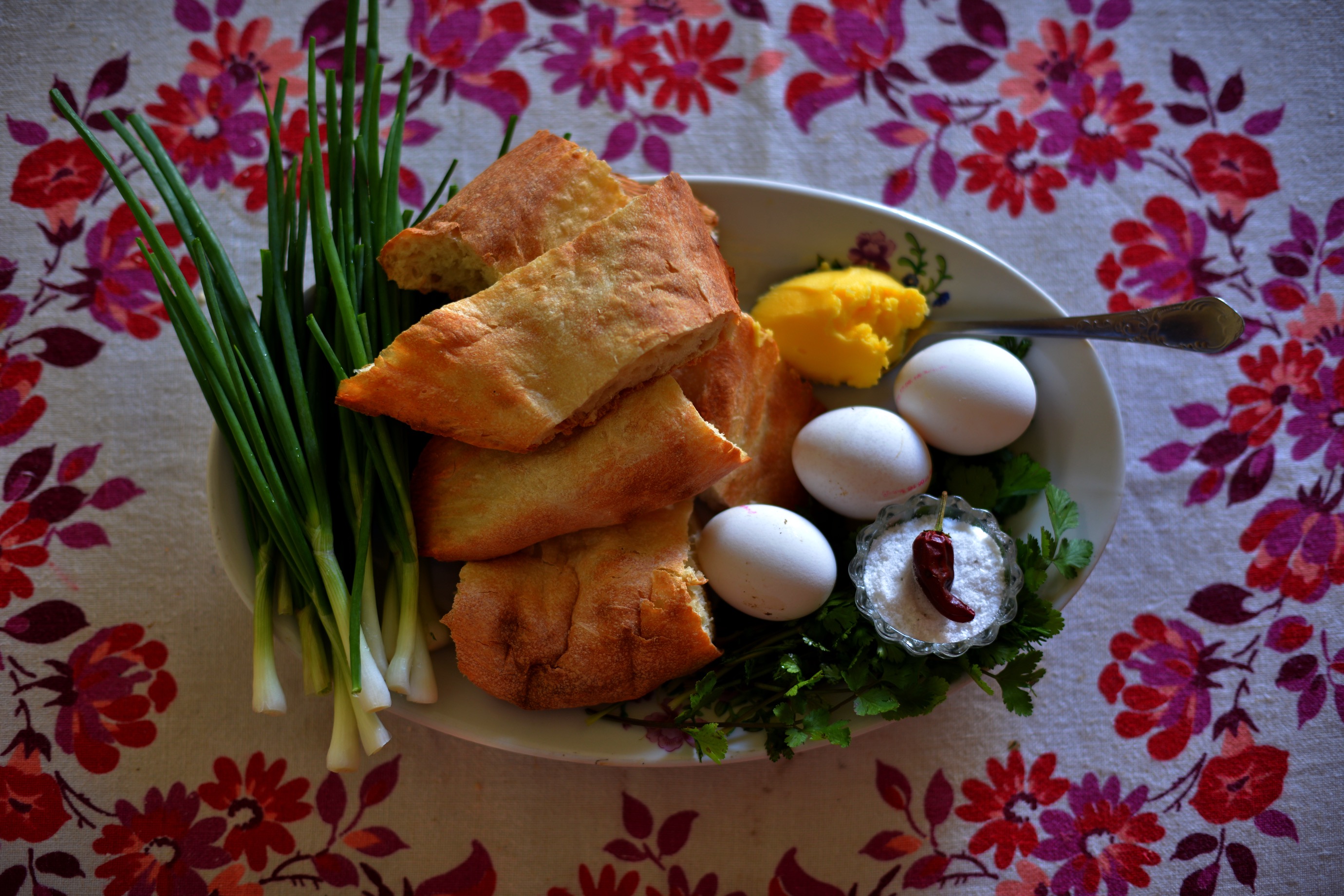
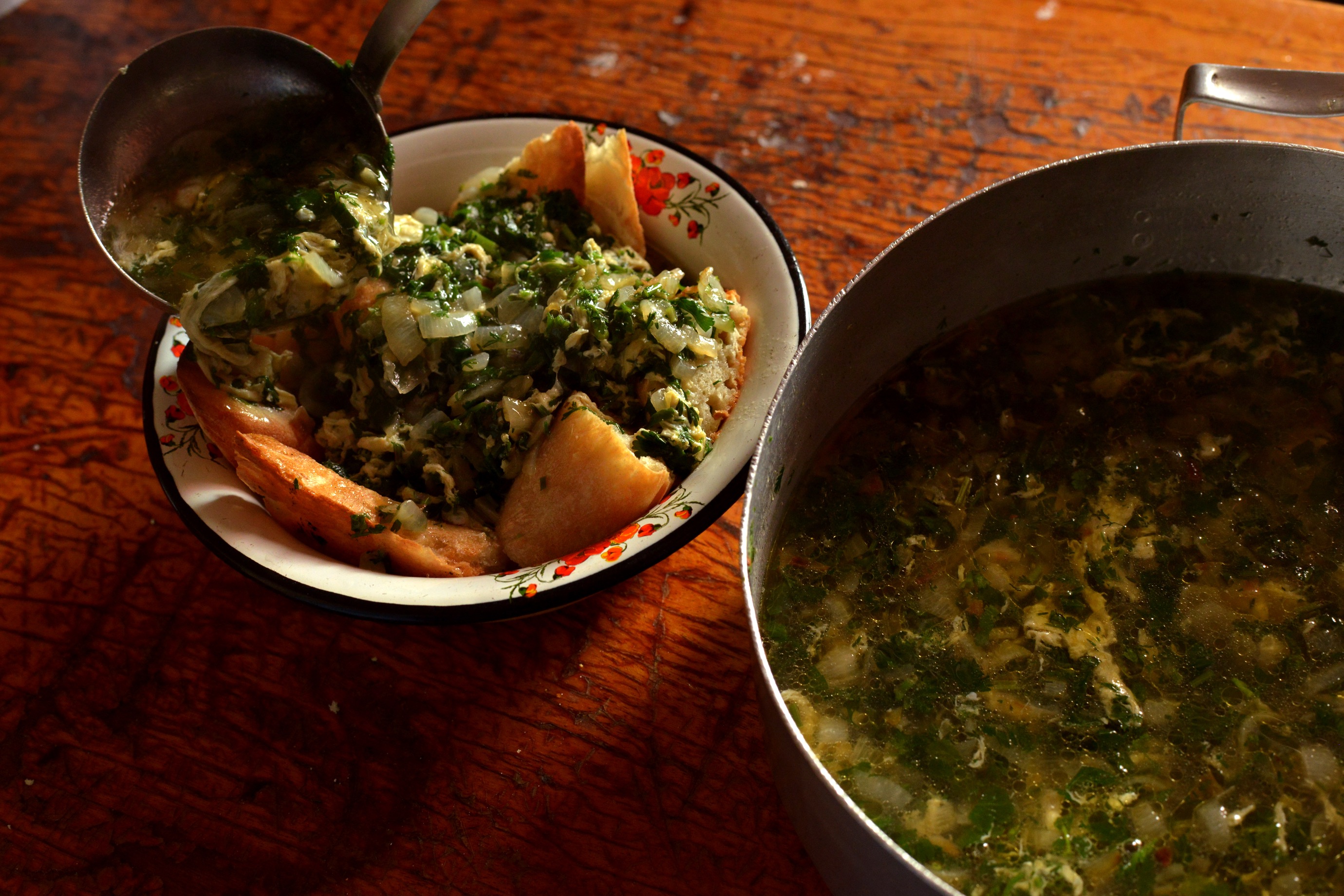
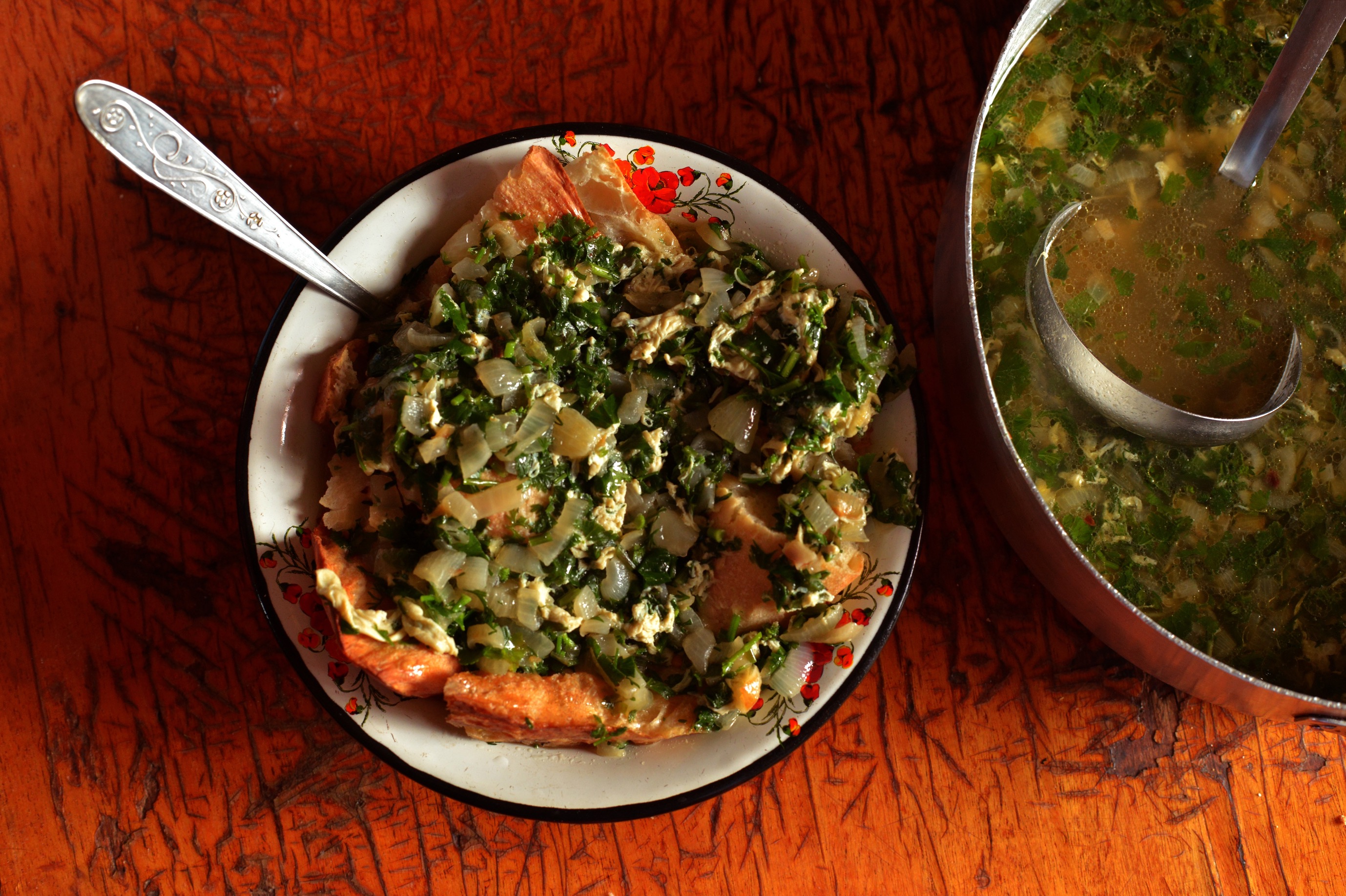
Have you ever considered that the diet of a nation can simultaneously develop and adapt according to the daily social-political events of the country? This photo-story depicts the meals that were popularised in Georgia during the 1990s. The social and economic situation largely impacted people’s meals; the lack of electricity and gas, shortage of products and other external causes, forced numerous recipes of meals to be modified.
Starting from the day Georgia announced its independence, events in the country - revolutions, wars, and poverty - had a significant impact on every aspect of people’s lives. Limited electricity forced upon people the need for meals that would require less cooking time. The shortage of products, while waiting for humanitarian aid, was also a large factor. Moreover, the labour migration of women to foreign countries also contributed to diet adaptation: Men, who were left at home, had to come up with meals, which required fewer ingredients and cooking time. Some recipes therefore changed over time.
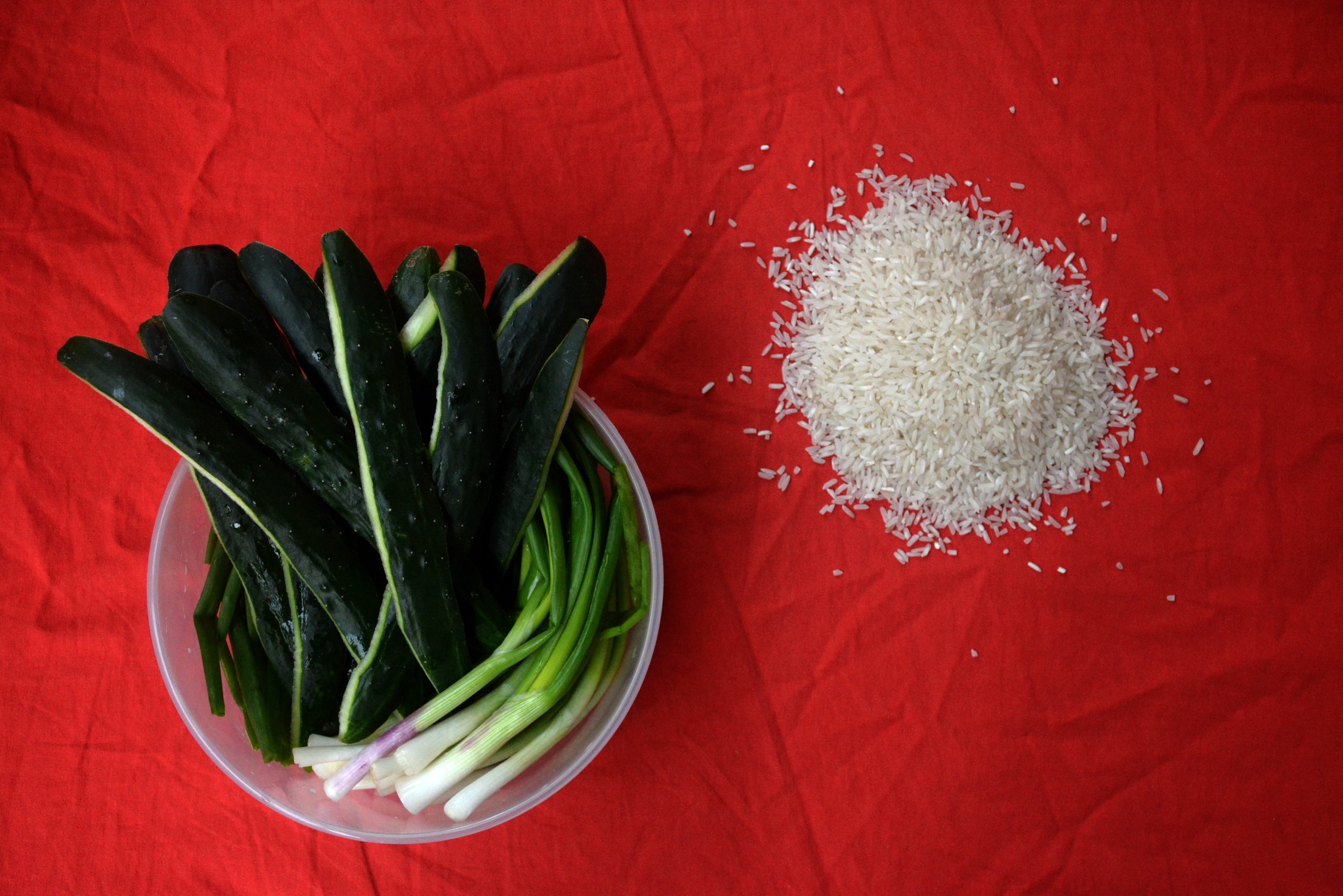
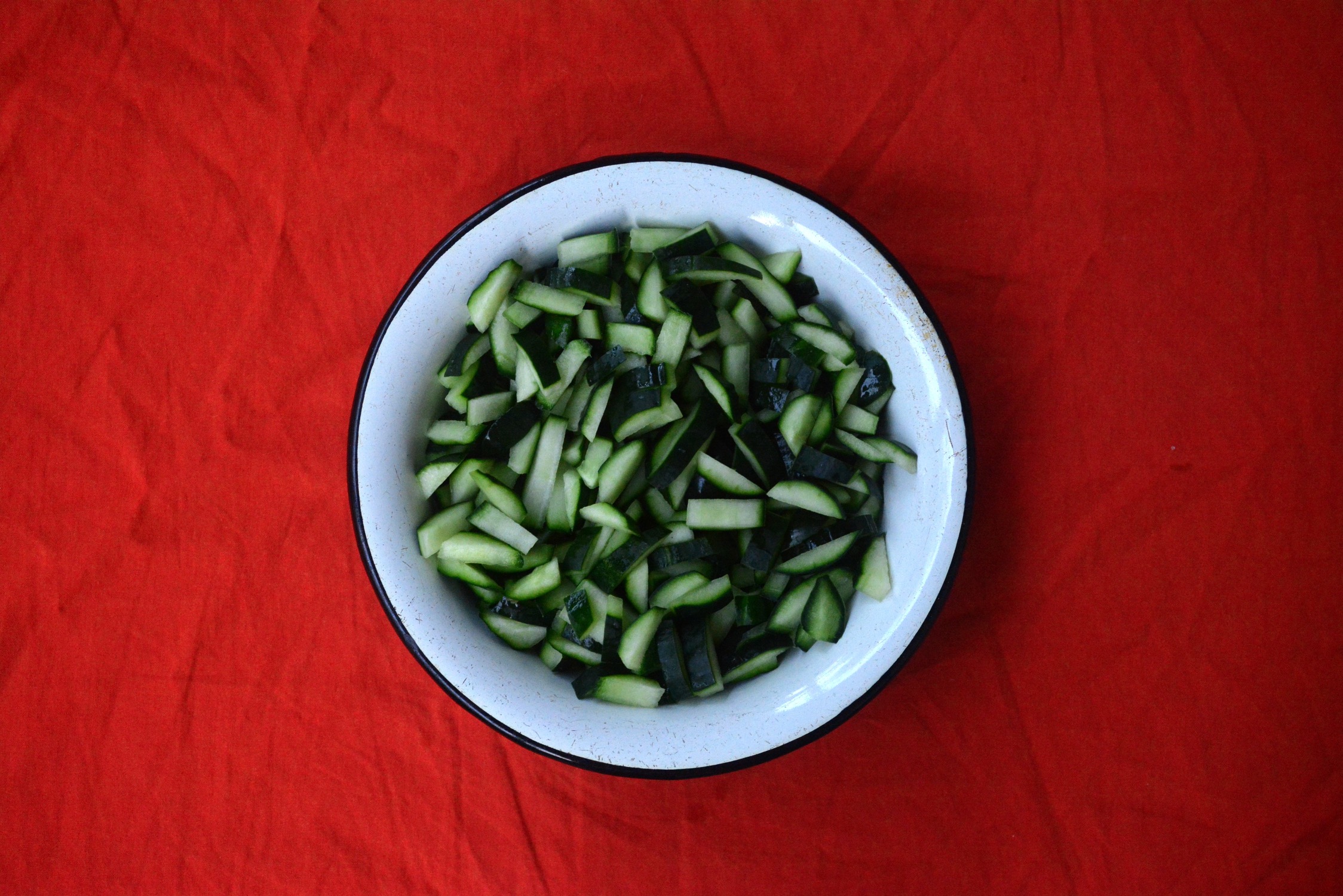
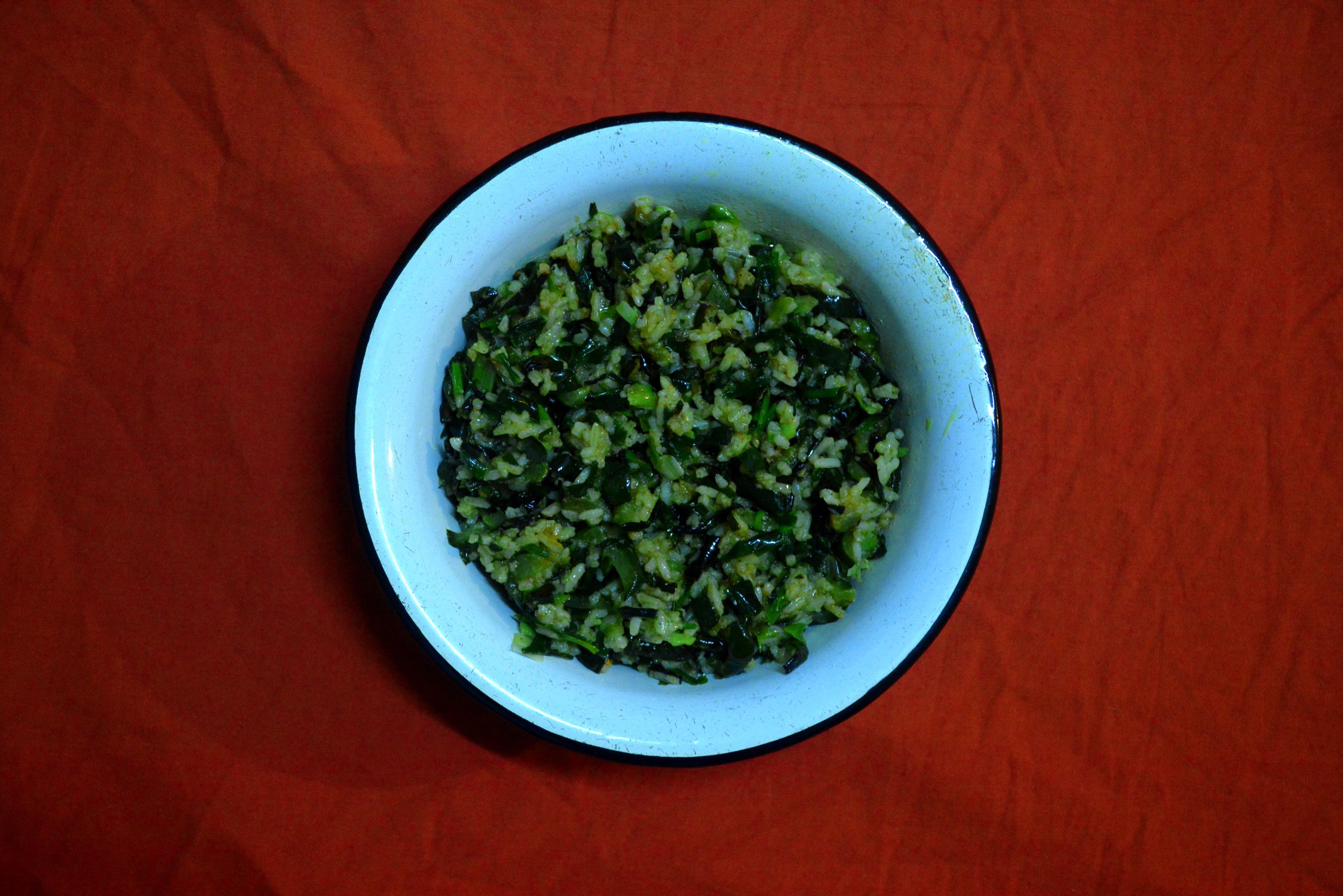
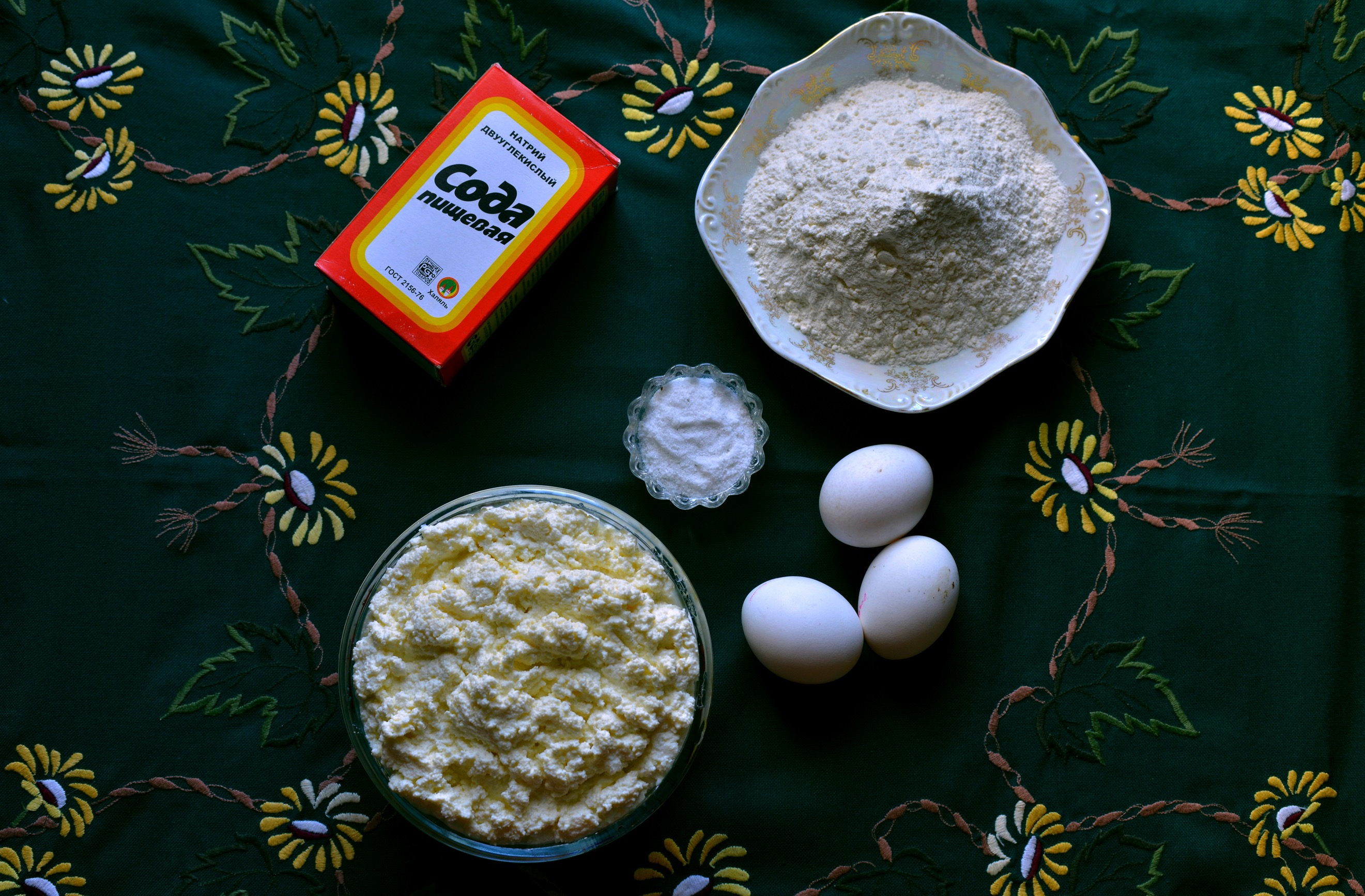
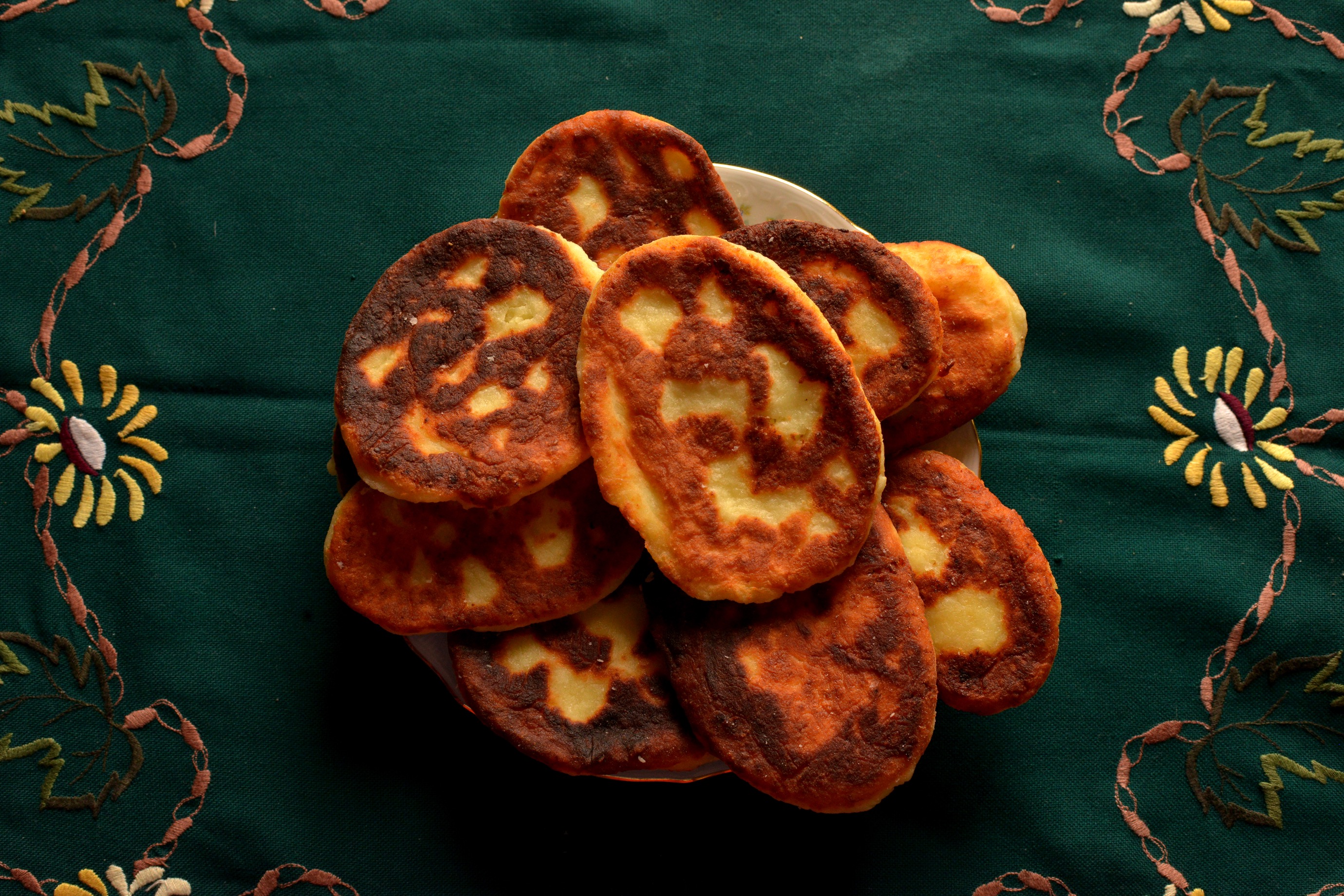
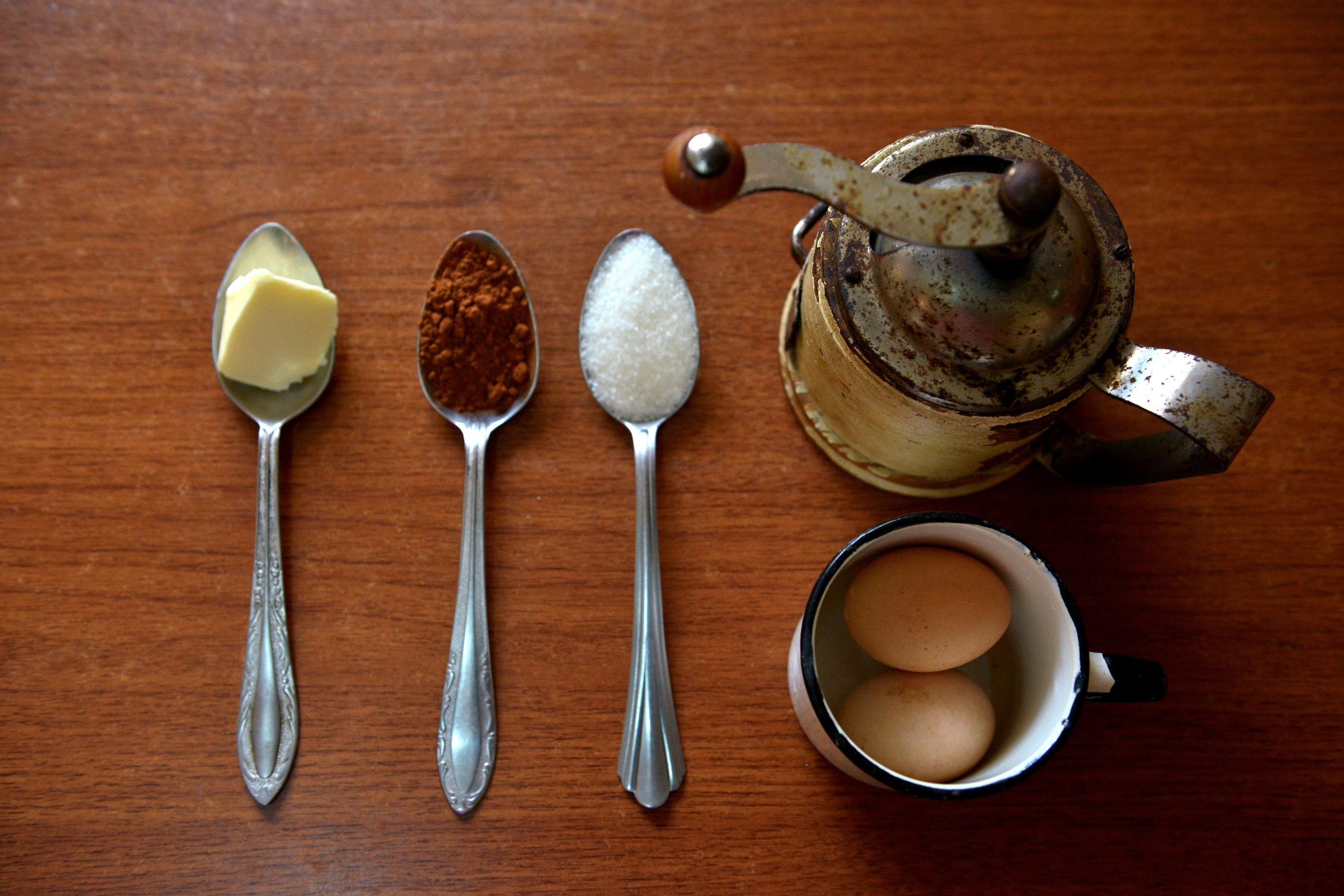
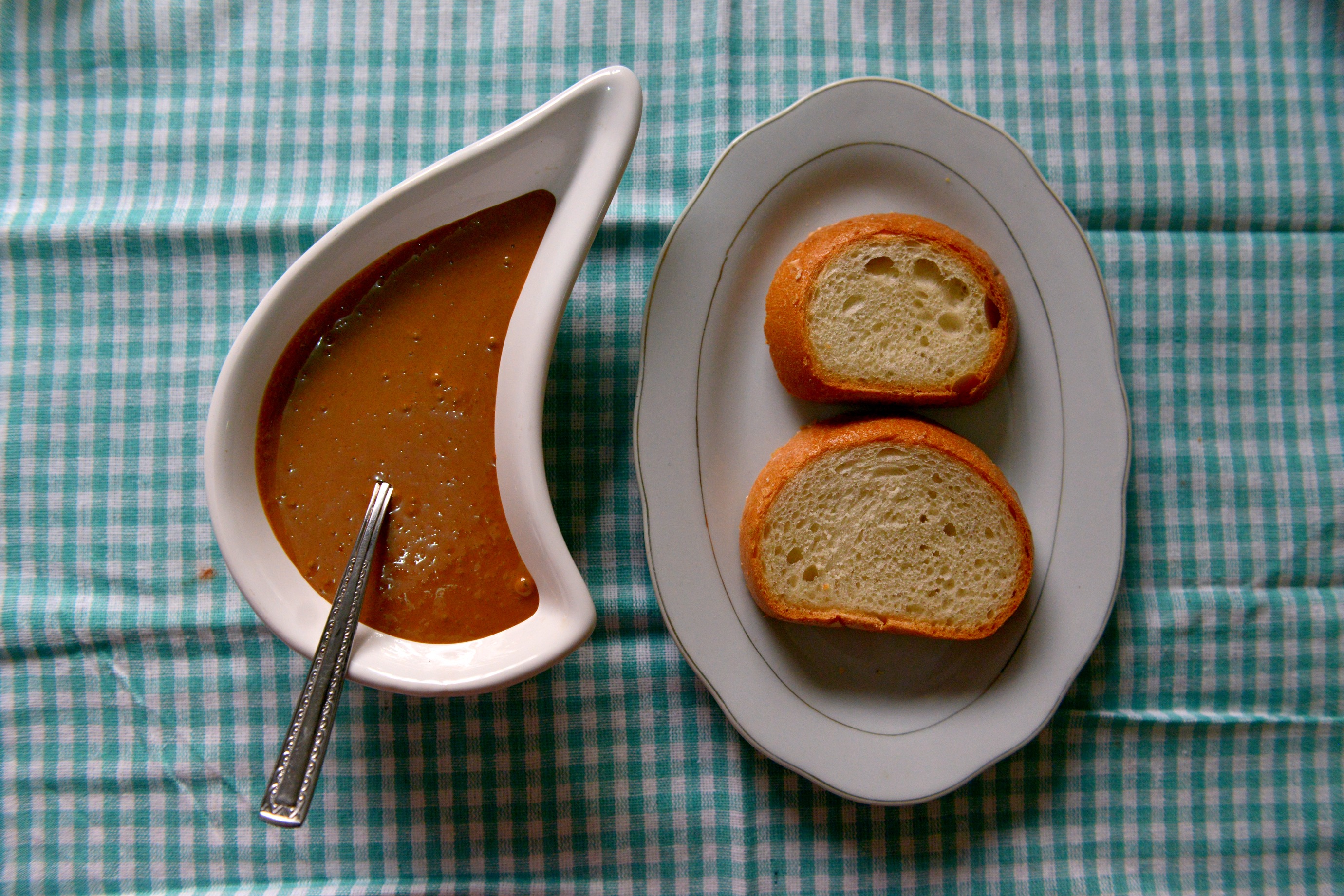
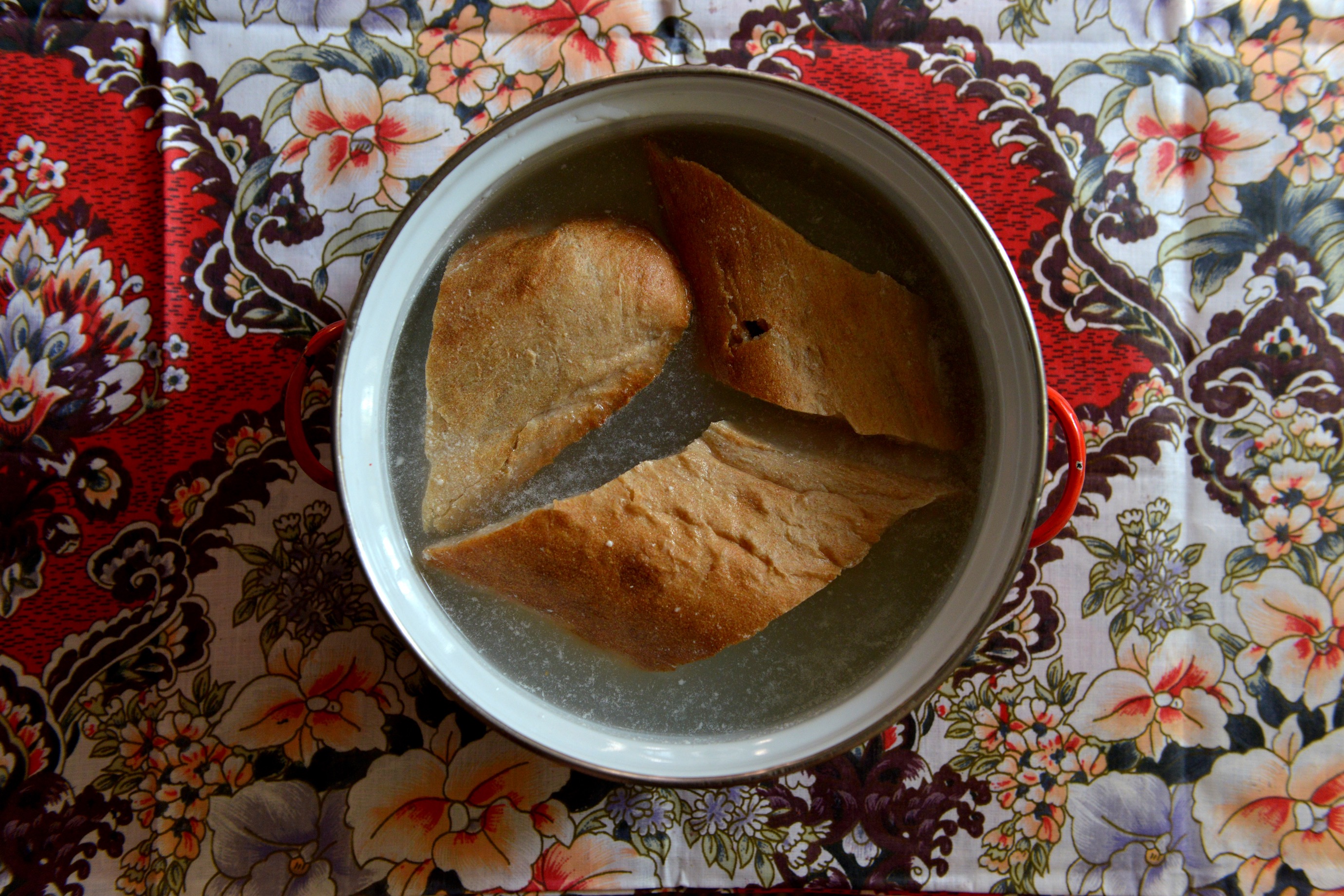
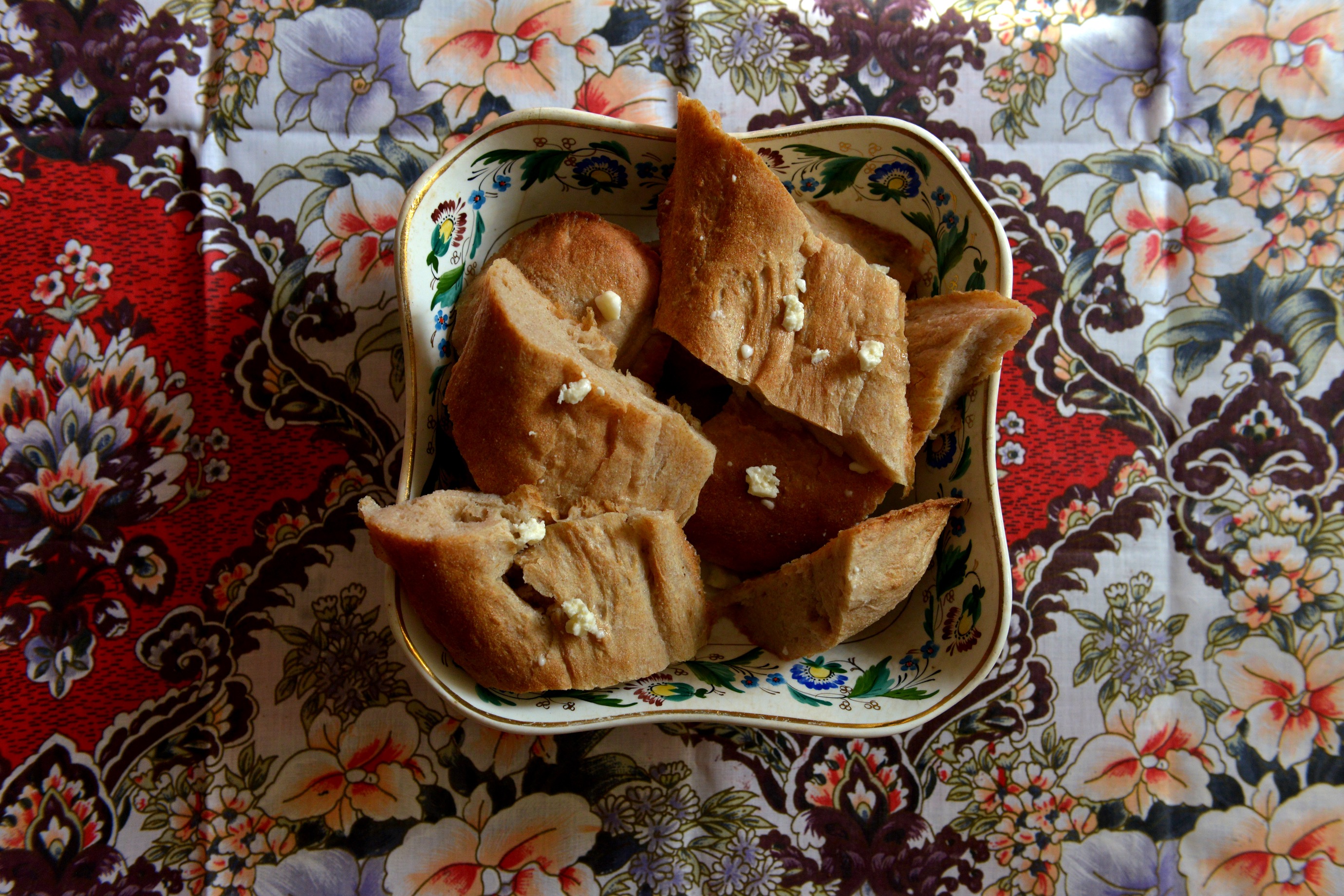
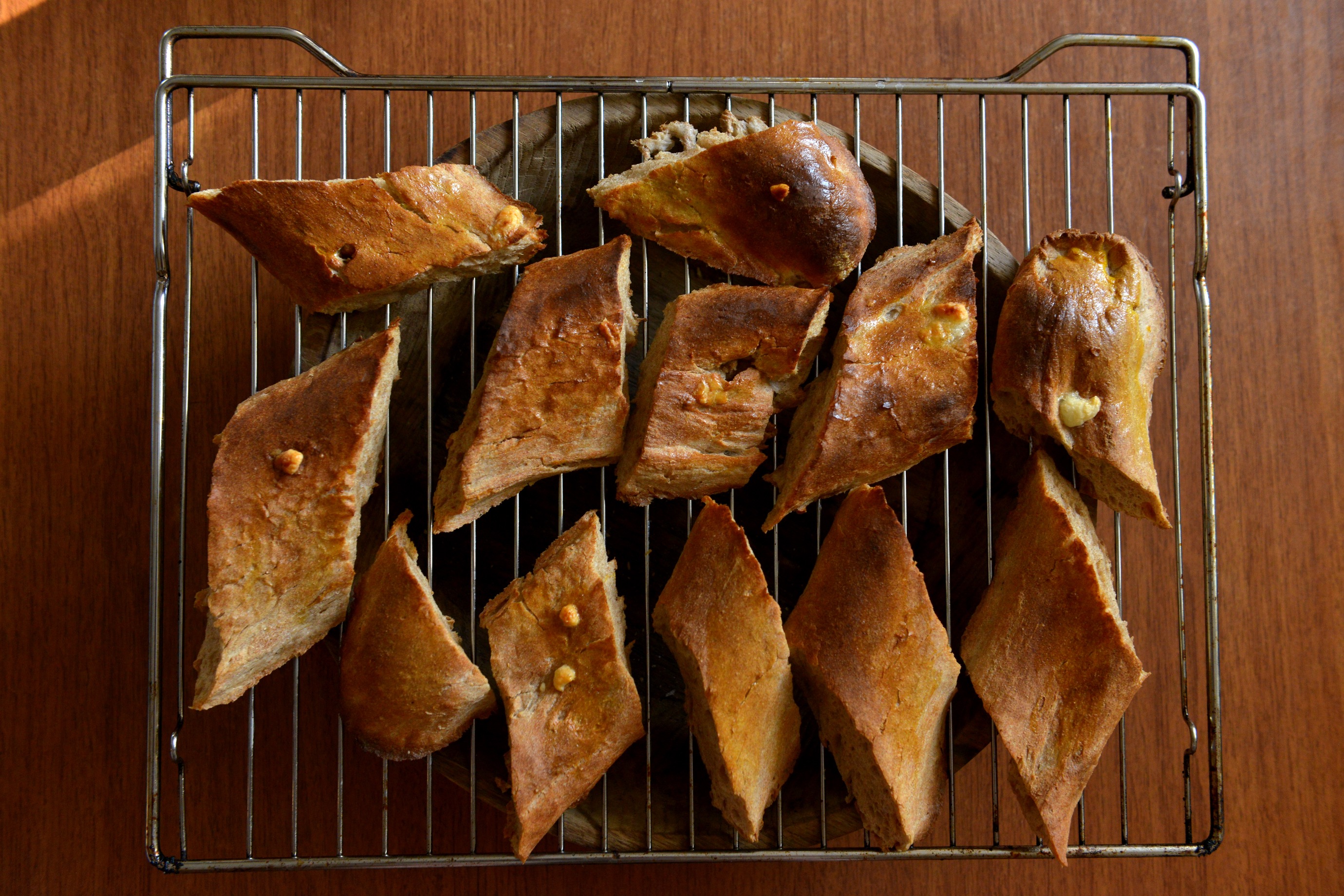
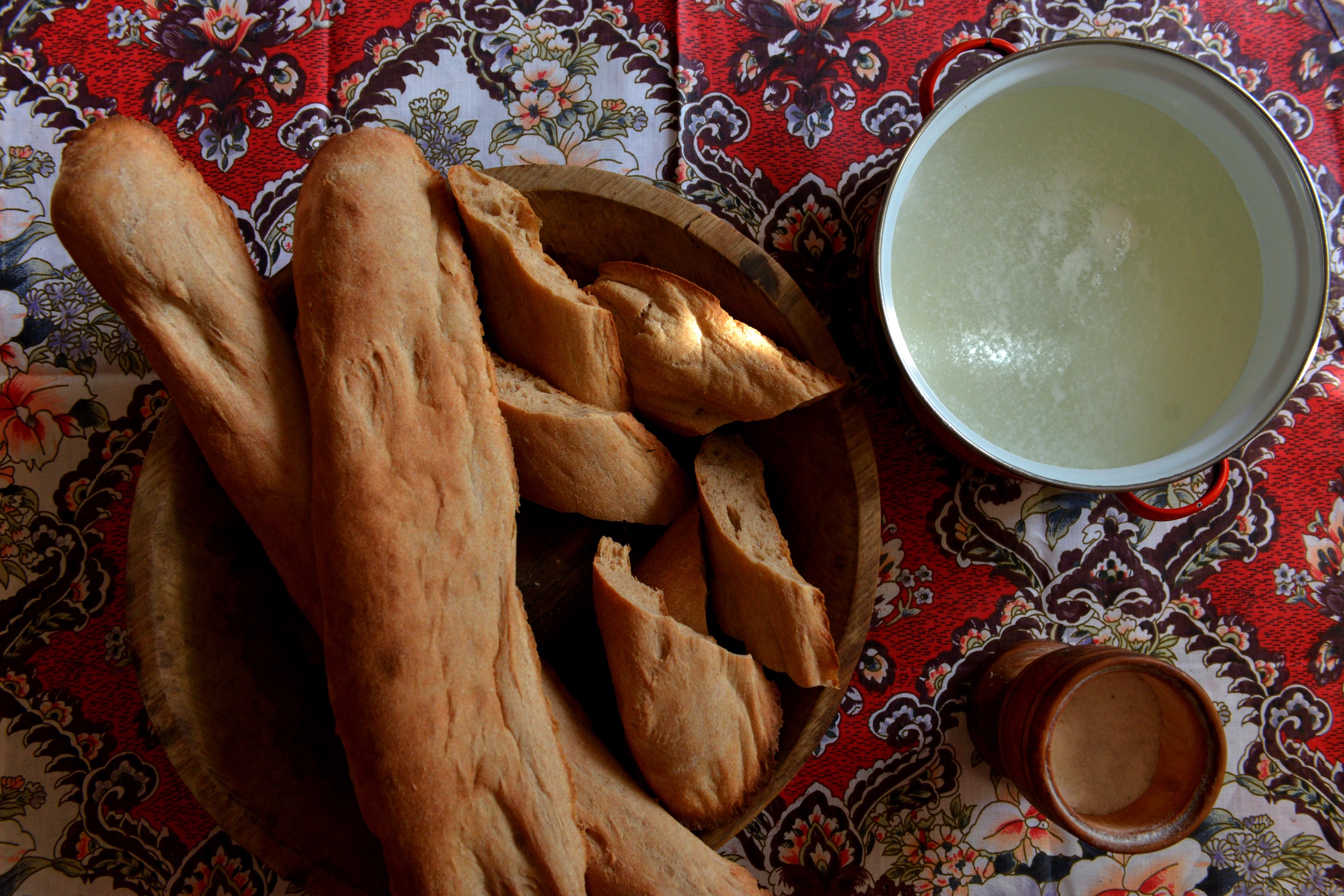
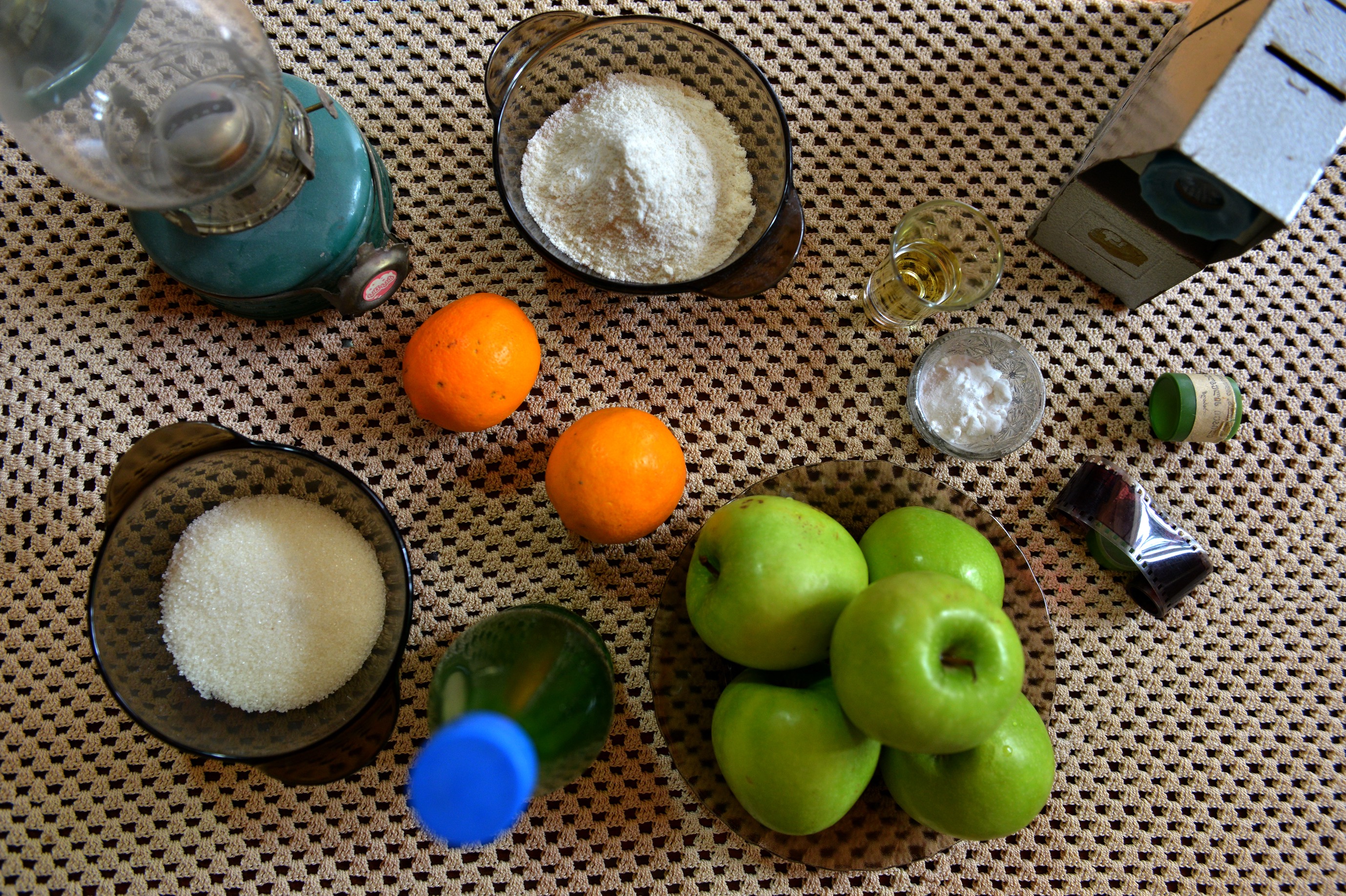
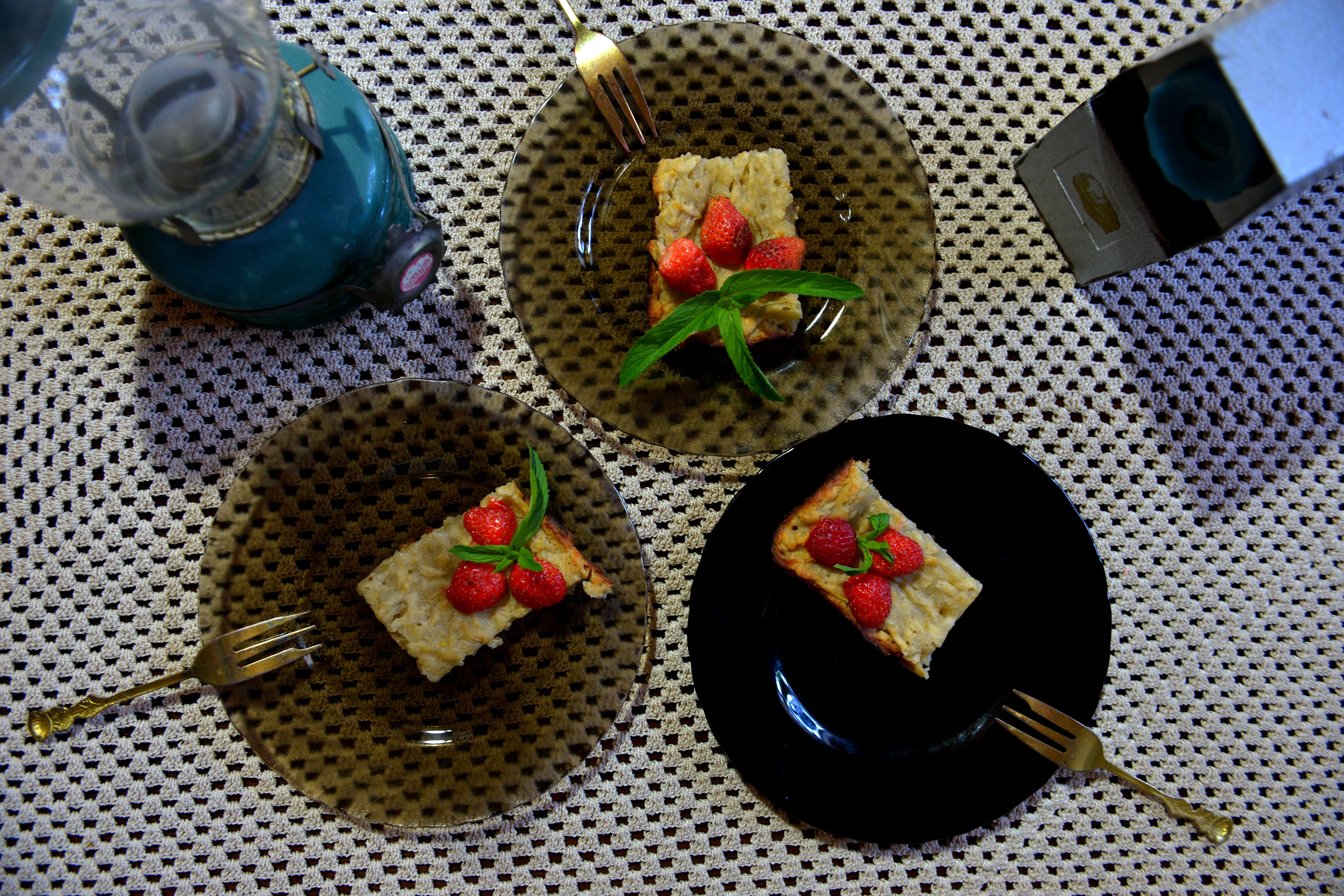
Cake “Sigua”, Korean fried cucumber (my father’s recipe), Gogli-mogli, Lazy woman’s Khachapuri - are among a short list of meals disappeared with the memories of the “sweet ‘90s”. See the recipes and start cooking, before “Kassandra” begins:
“Kassandra” was a popular Venezuelan telenovela. Every housewive watched and wholeheartedly waited for the new episodes of this soap opera.