

Photo Story
Edition:
Journeys
Archive
The photo story you are reading is part of the Chai Khana archive. From 2015 to 2025, Chai Khana covered the South Caucasus, sharing stories from Georgia, Armenia, and Azerbaijan.
In 1987, the mountains moved.
The shifting earth – and shifting politics – eventually spread to change the lives of families in two remote corners of the country.
The landslide killed dozens and robbed hundreds of people of their ancestral homes in Georgia’s mountainous Svaneti. In addition, as a result of the government’s resettlement plan, hundreds more were also forced to move.
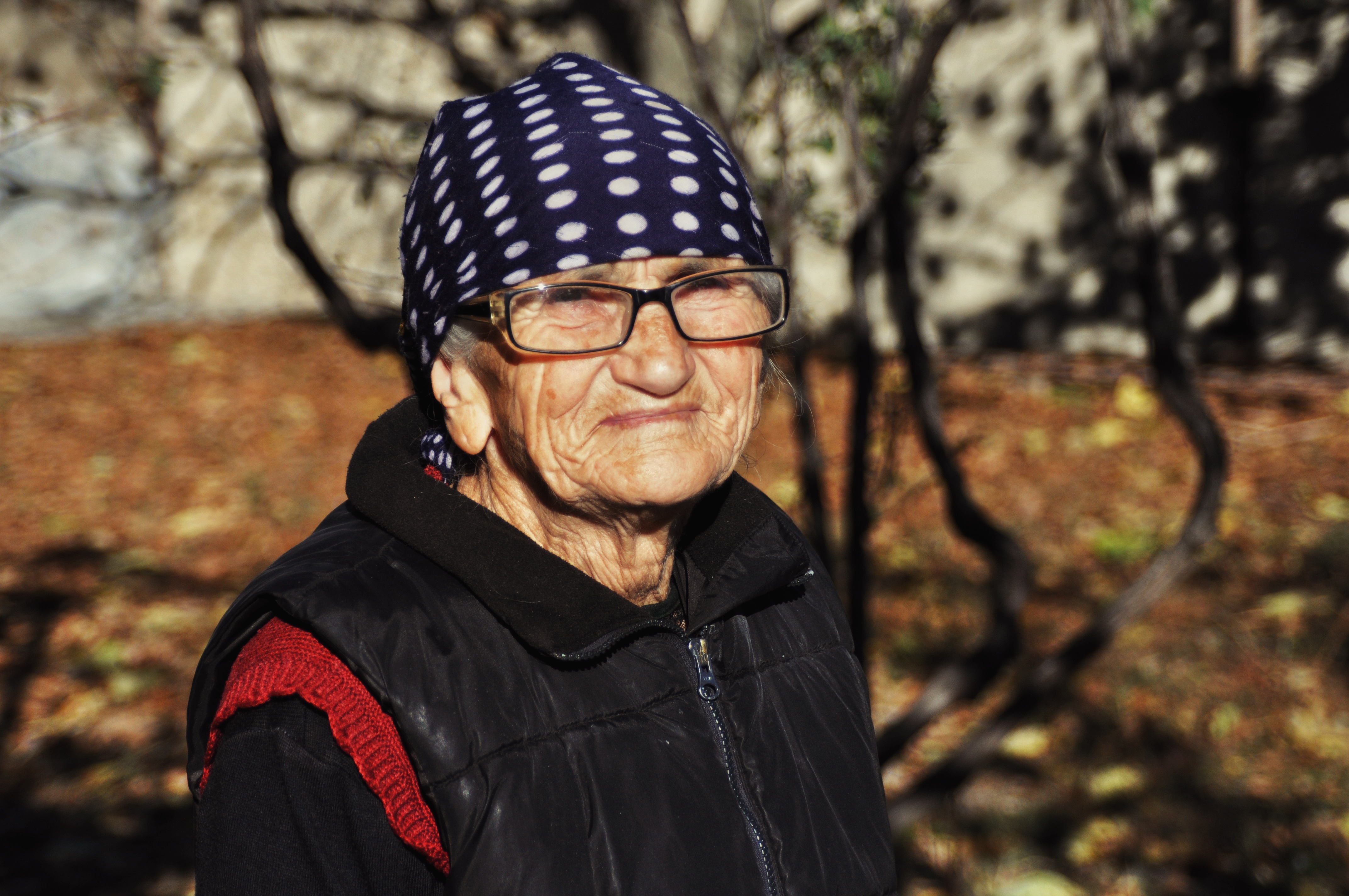
Before the landslide, Nanuli Margiani lived in the village of Mulakhi in Svaneti.
The landslide killed 26 people in her village, including children, and destroyed people’s homes.
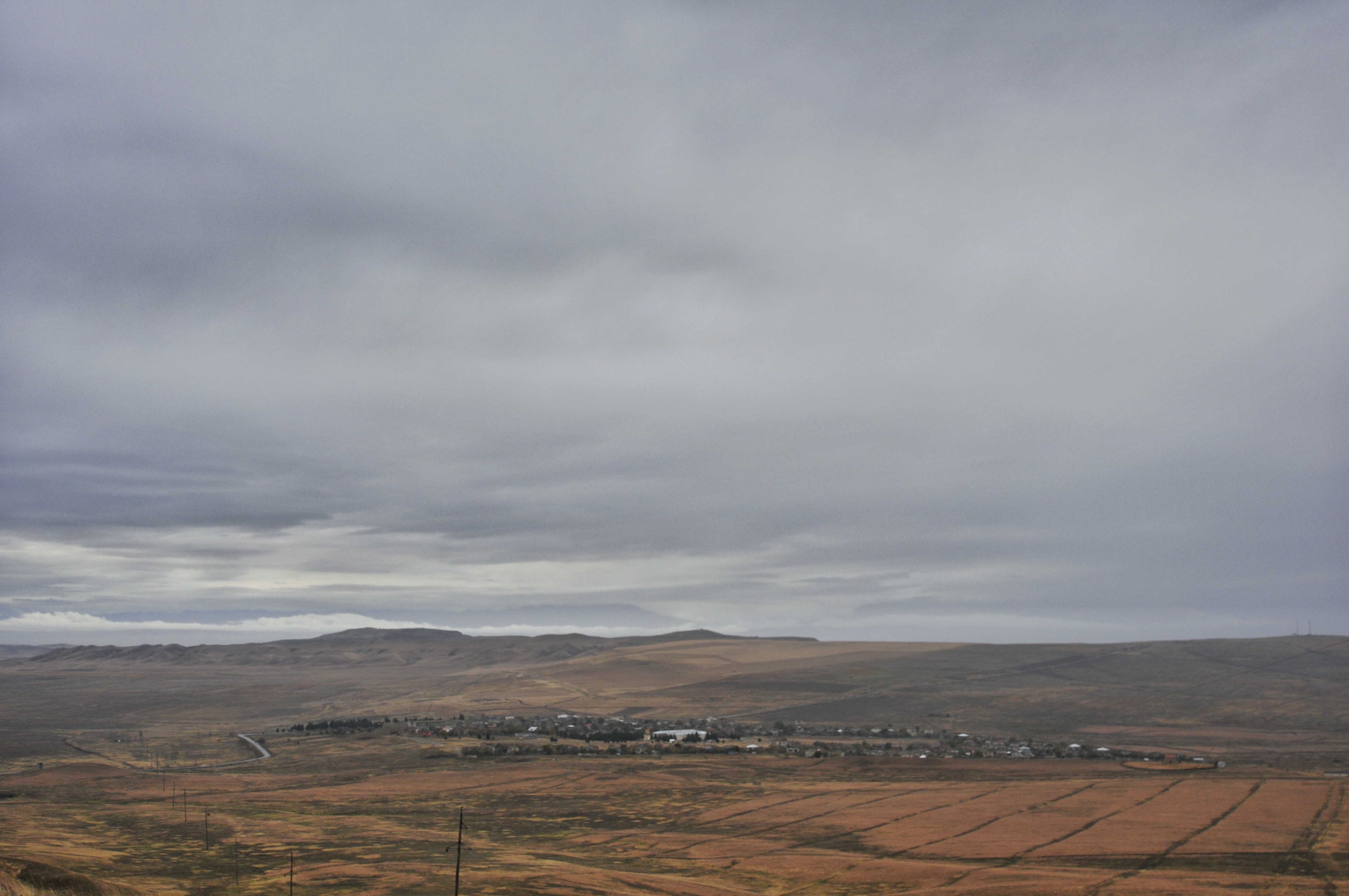
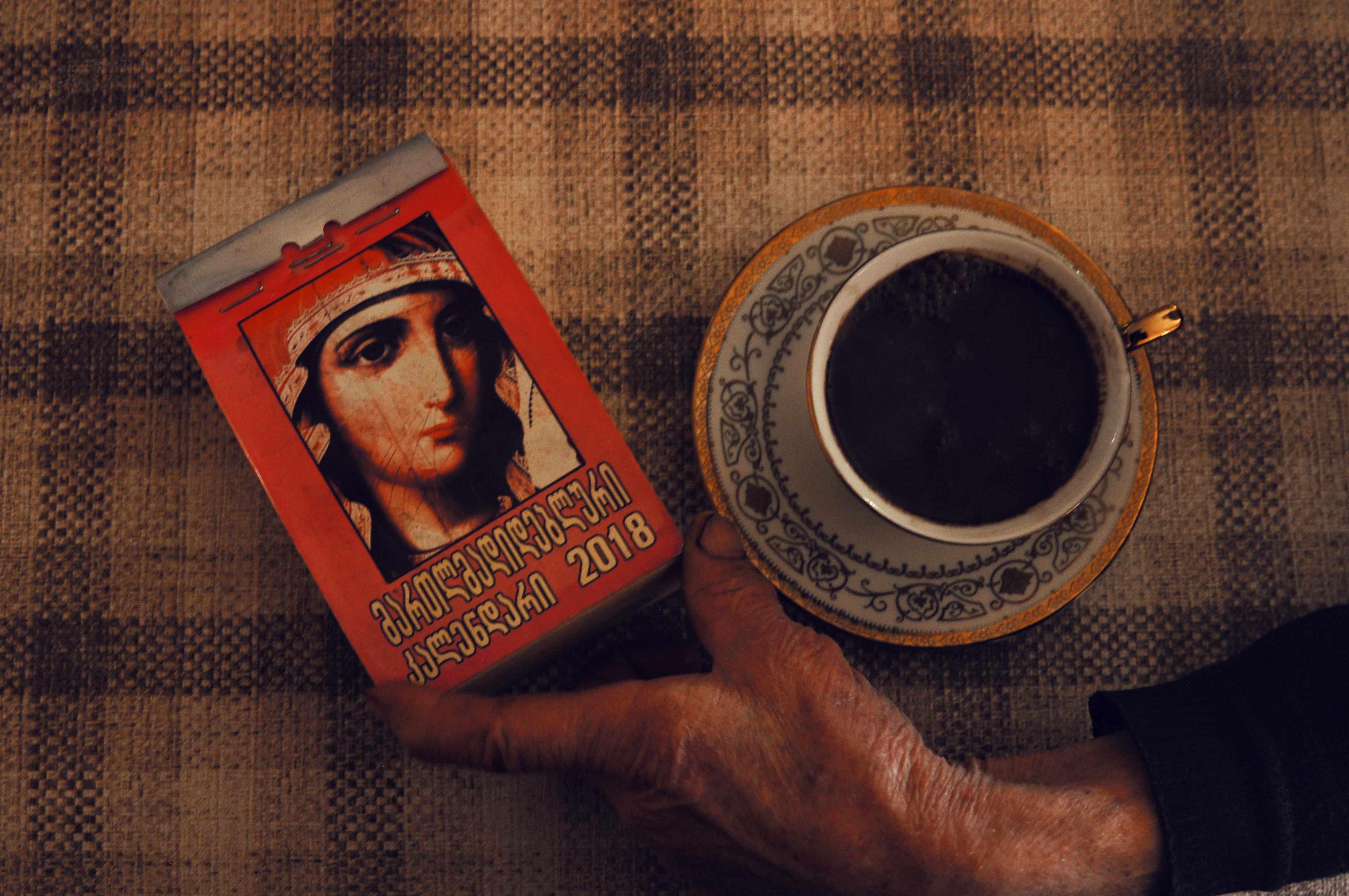
Now 78, she still remembers the day her family arrived in their new home in the village of Udabno, about 550 kilometers from Mulakhi and a whole world away from the mountains of Svaneti.
“We arrived here on February 7, 1987. The sun had not risen yet and the atmosphere was very welcoming: there was a fire in every house, a warm meal and everything we needed for the house – down to the smallest detail – was prepared,” she says.
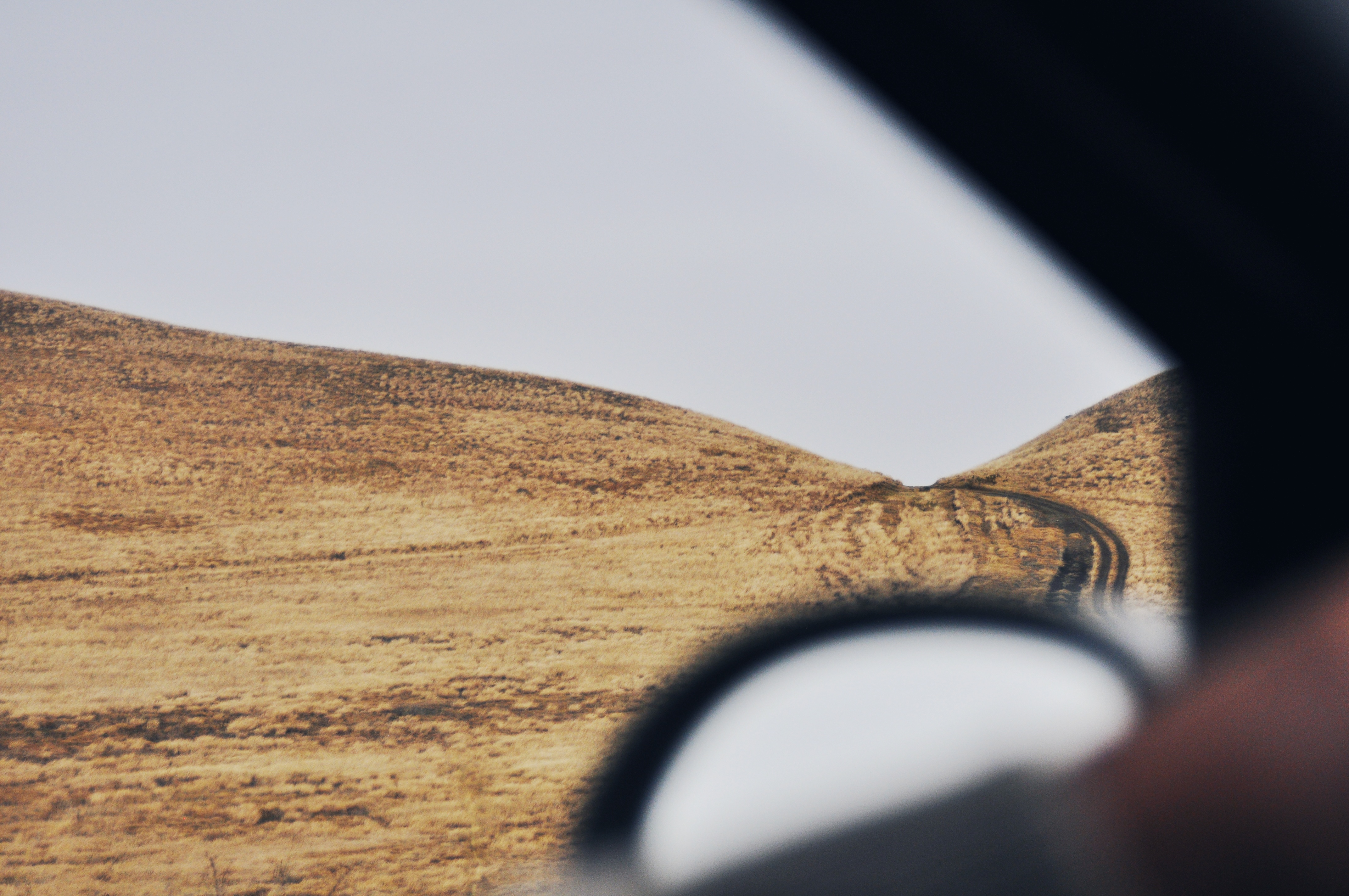
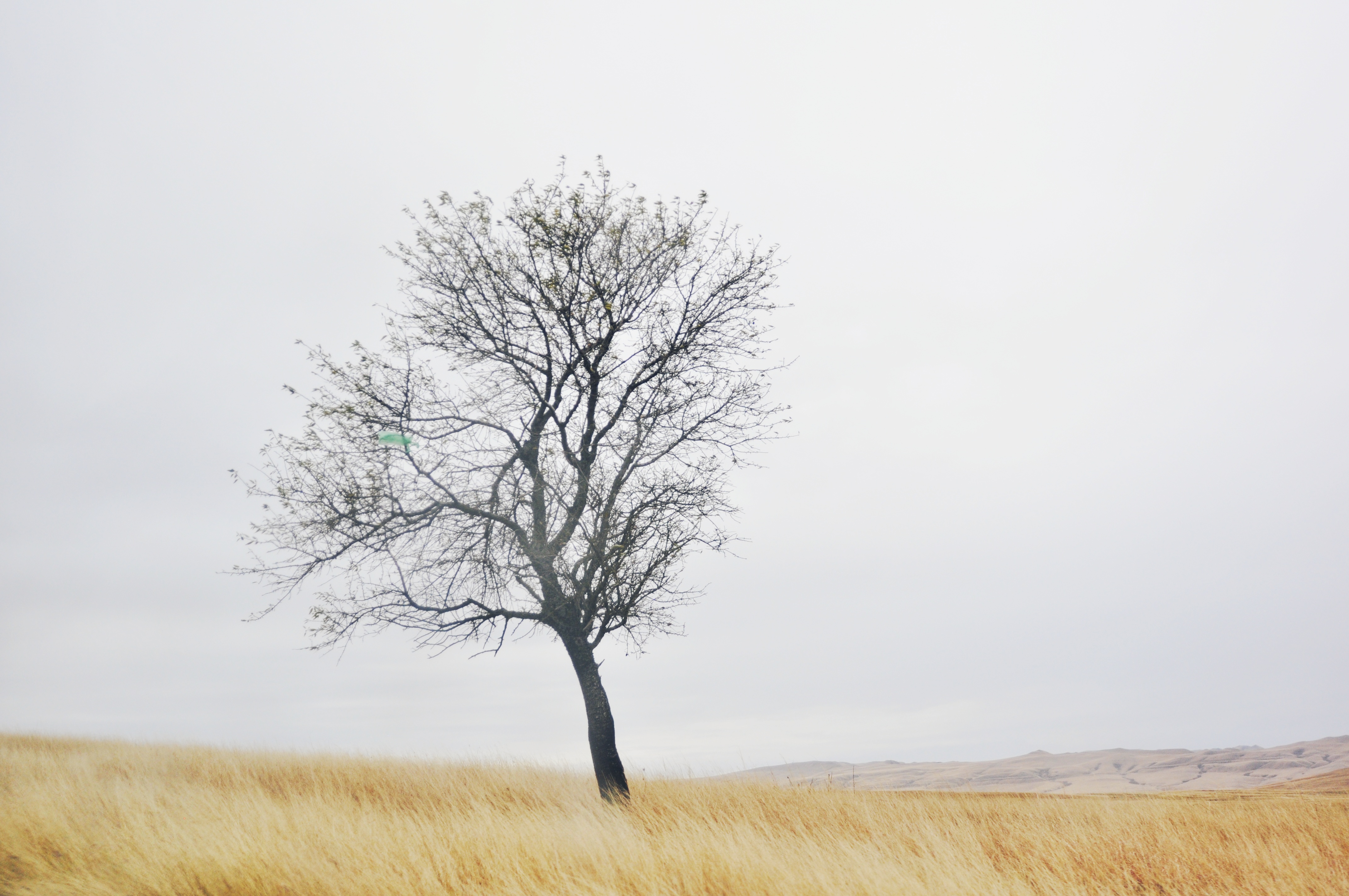
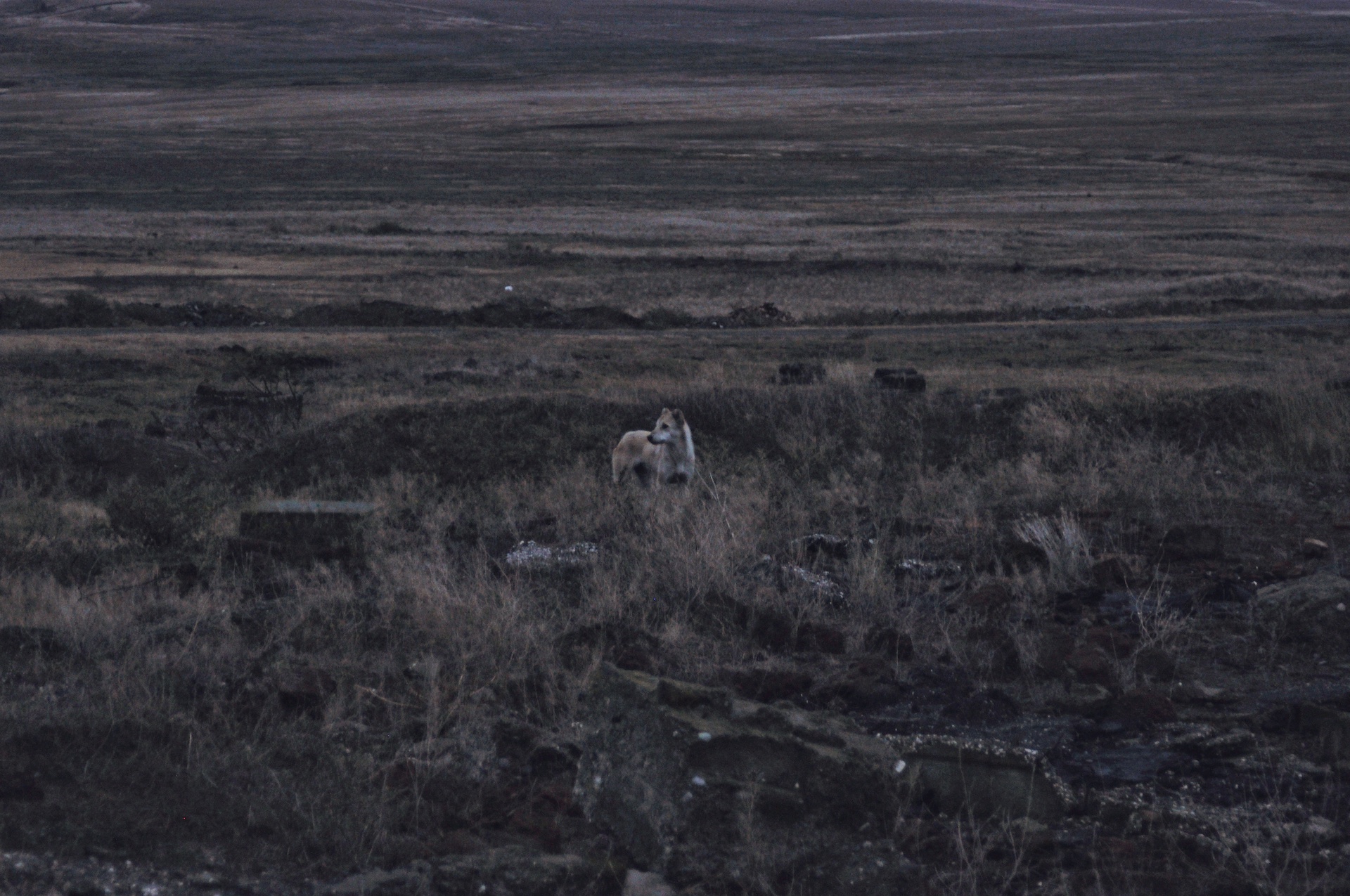
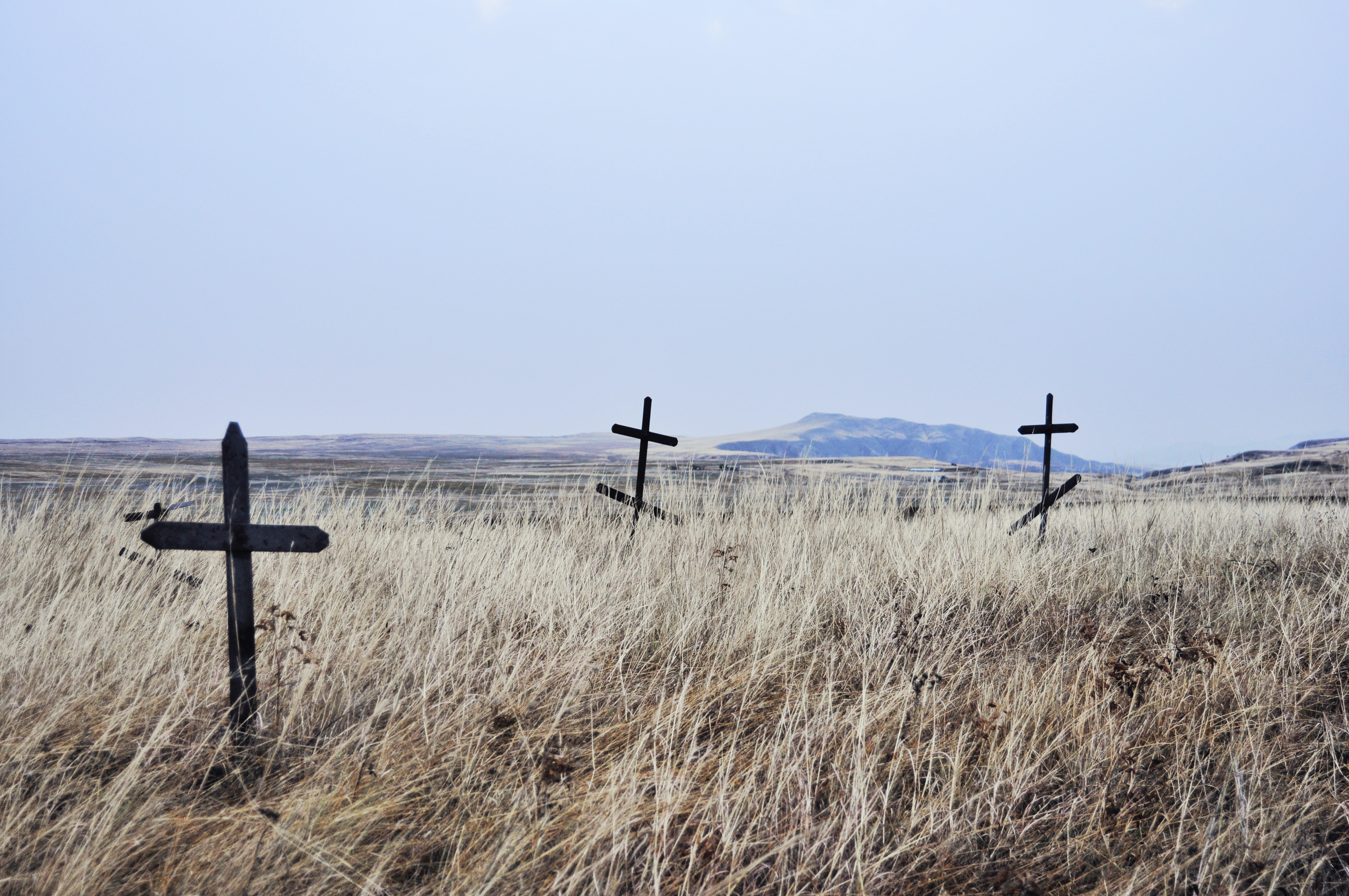
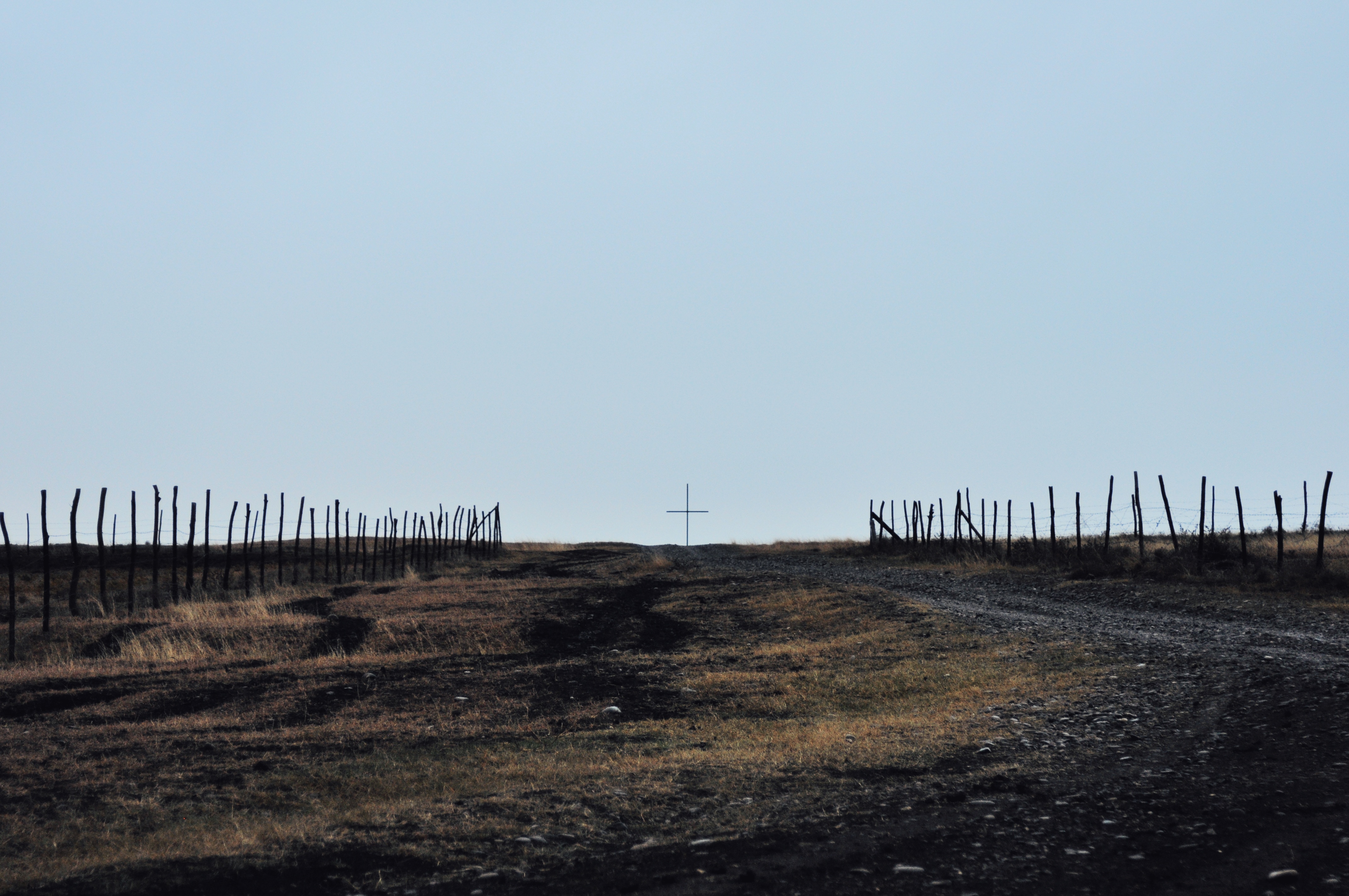
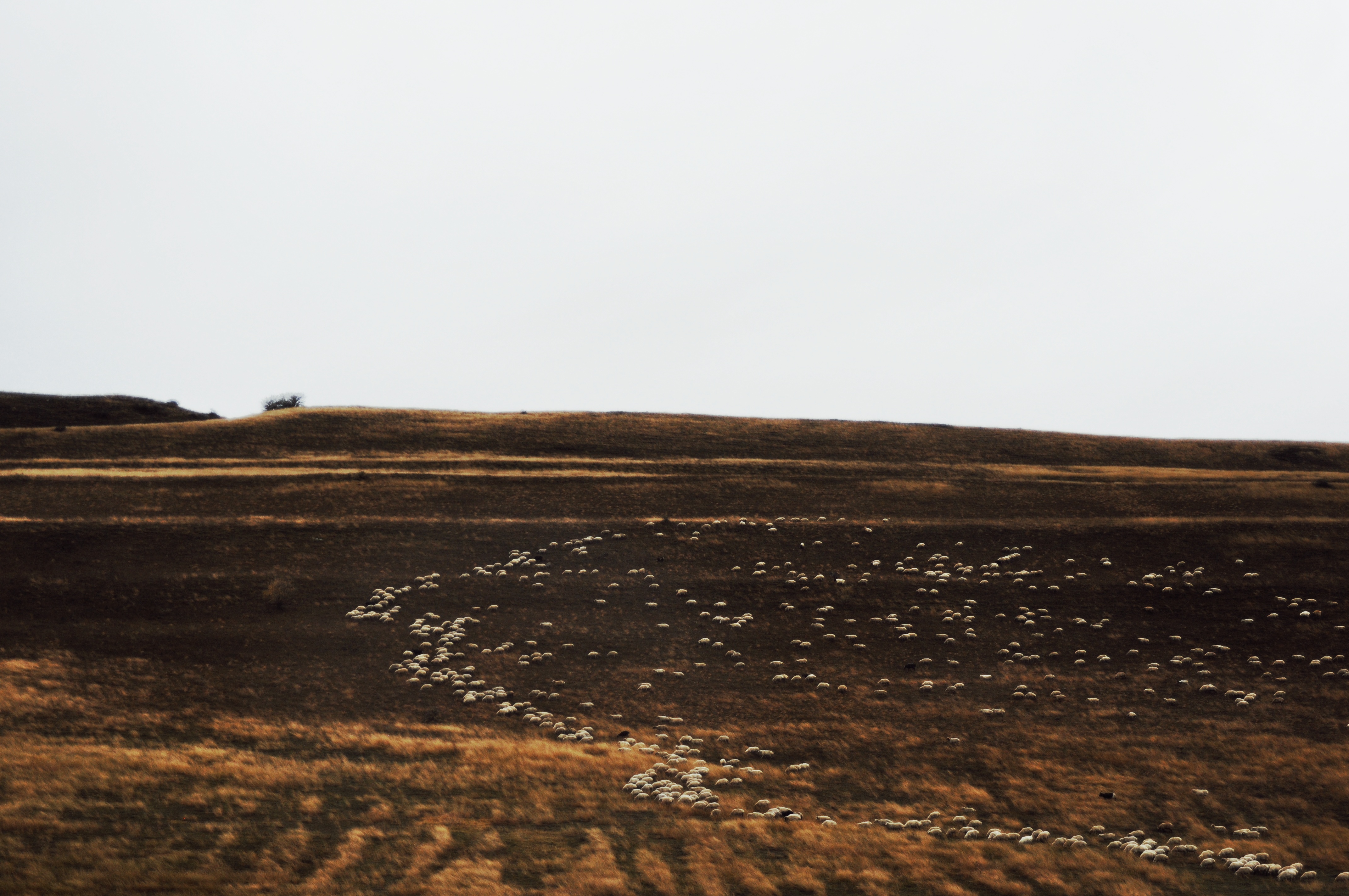
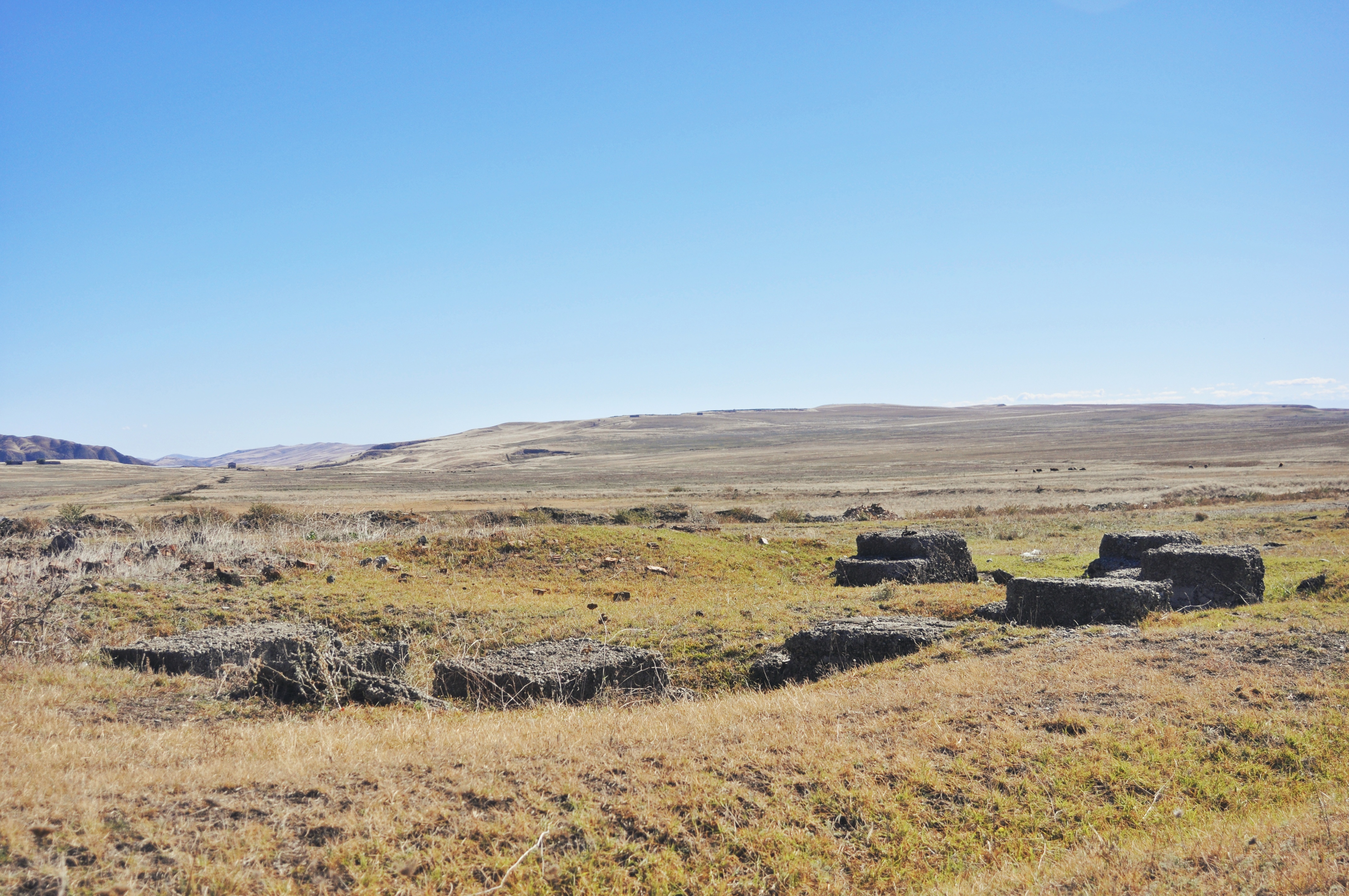
But her impression changed when the sun rose: Udabno, which means desert in Georgian, is in the middle of a plain that stretches for 35 kilometers. The lack of water and trees gives the territory an alien-like quality, especially after the lush forests and snowy mountains of Svaneti.
“In the morning we looked out of the window and saw a windy and muddy plain. We got very sad. We were raised in the mountains, covered with forests. It was difficult for us to get used to a wasteland. My oldest boy was in a 10th grade and back then he was crying, asking how we could leave our home. But our lives were the most important. That’s why we left everything,” Margiani says.
Deadly landslides were not unusual in Svaneti. Nine years before the 1987 disaster, the village of Chuberi was destroyed in a similar tragedy.
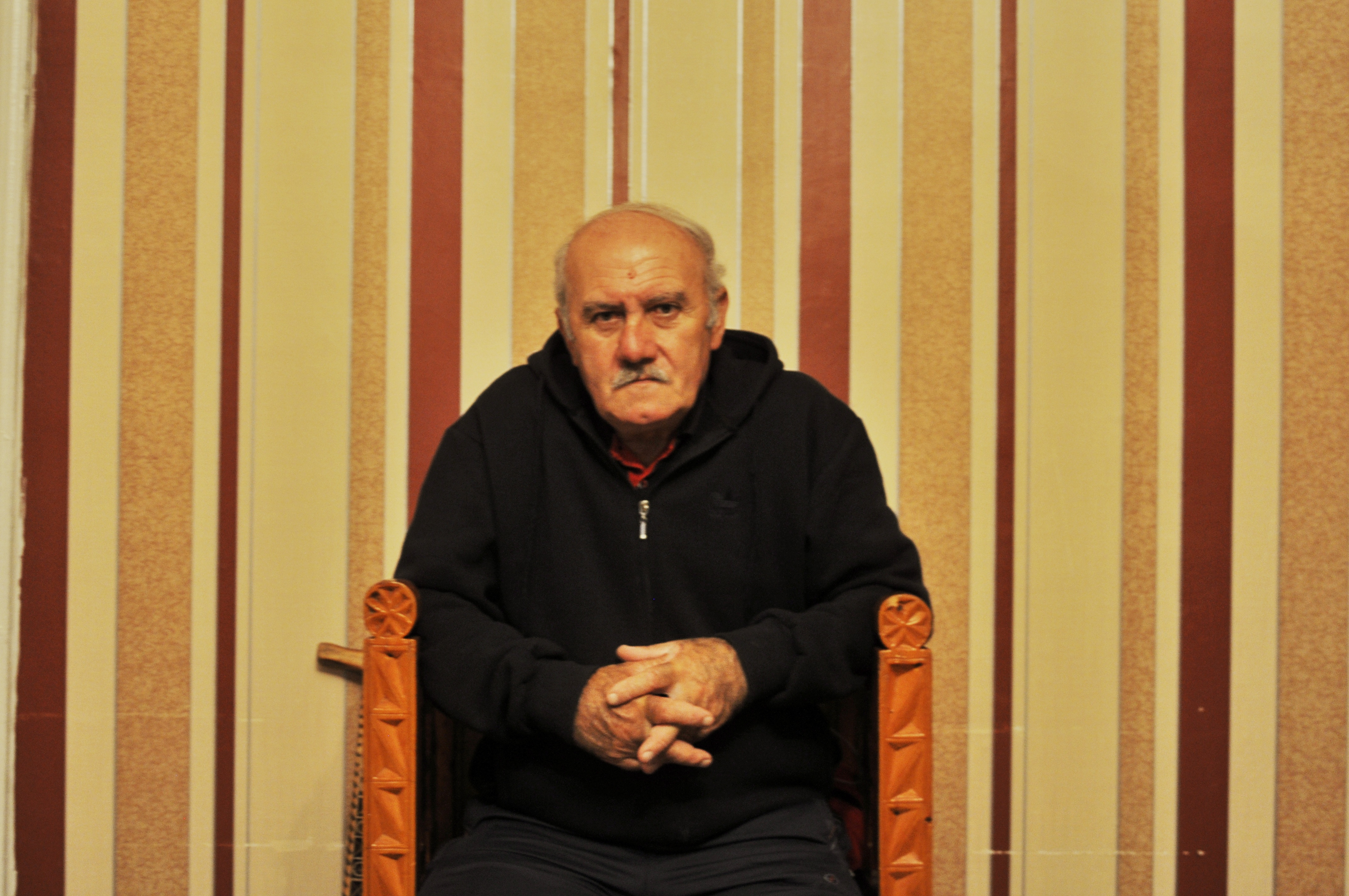
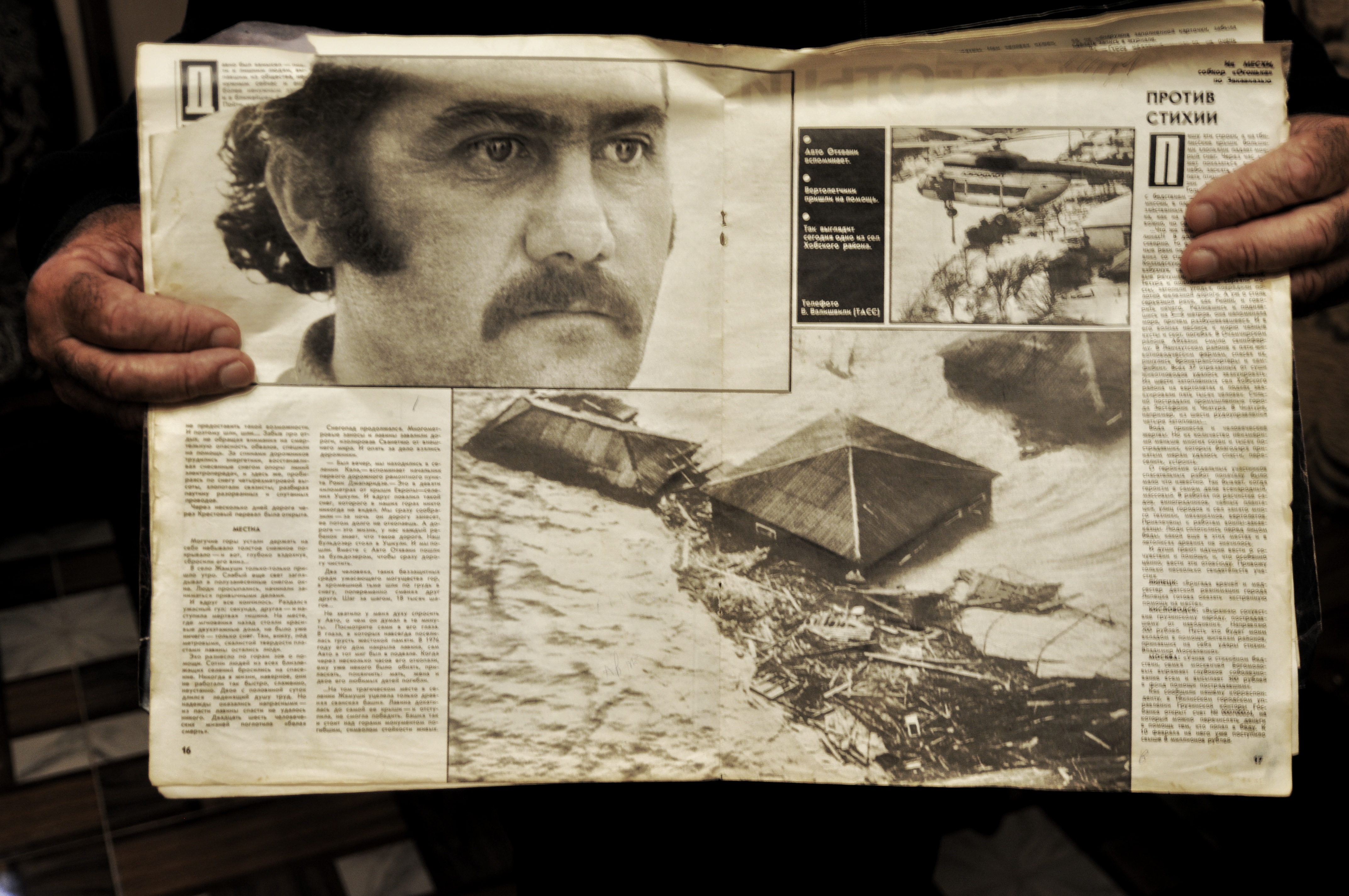
Avto Otkhvani clearly remembers the events that eventually led him to relocate to the desert village Udabno.
The 1976 avalanche killed his entire family. He only managed to survive because neighbors found him before he froze to death.
“It was snowing the whole day. At 5 pm I finished cleaning the roof of the house and headed to the basement to get drinks. Right when I was coming out from the basement, the avalanche came down and everything went dark. I spent 18 hours under the snow before neighbors found me.”
After the tragedy, 24-year-old Otkhvani was conscripted to the army and, following his military service, he was moved to Udabno.
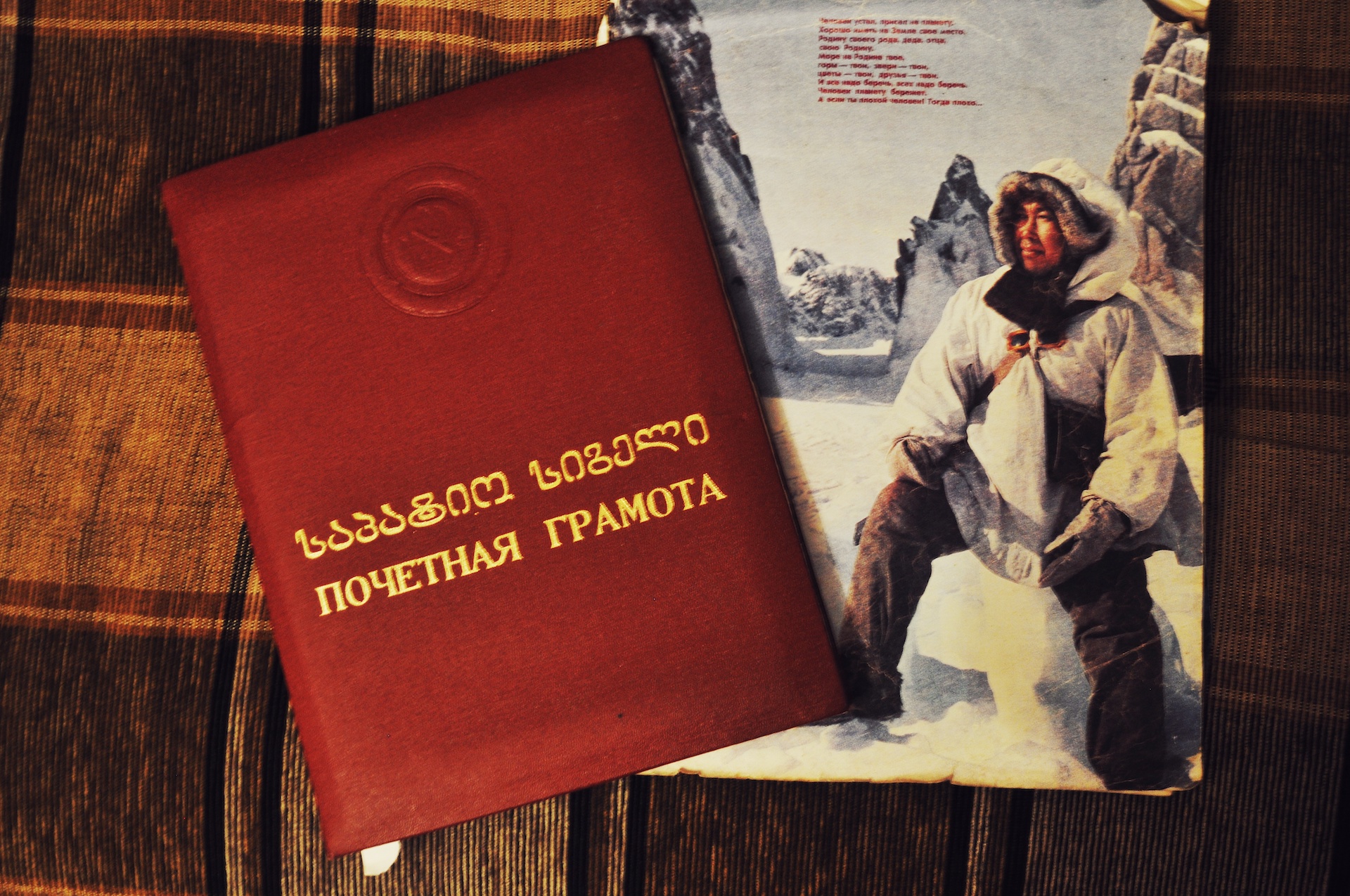
The mass relocation to Udabno was possible because, in the Soviet Union, the government could force people to move, noted Giorgi Ananiashvili, a 58-year-old beekeeper who was uprooted from Tbilisi to help with the resettlement.
He recalls that the decision to resettled Svans living in landslide zones to Udabno happened quickly, motivated by the devastation of the 1987 landslide.
But once the decision was made, the gears of the Soviet Georgian government started to turn and “everyone” in Tbilisi helped prepare for the move, Ananiashvili says.
He recalls that every state organization was assigned a single house, and they were responsible for preparing it for the Svan family who would be moving there.
A teacher in Tbilisi at the time, Ananiashvili was originally from the southern region of Samtskhe-Javakheti. As he was not registered officially in Tbilisi, he also ended up being swept up in the move and, eventually, found himself resettled in Udabno.
He notes that the move was seen as part of a larger patriotic trend in Georgia, where feelings of nationalism were growing as Soviet control weakened under perestroika.
During perestroika, Soviet Georgia was slowly preparing to restore the country’s independence and the political climate was changing. Nationalism, especially the idea of Georgia’s Christian Orthodox roots, was gaining strength.
The residents of Udabno felt those changes immediately.
For the newly resettled eco-migrants from Svaneti, the growing nationalism meant they were baptized en masse the first year they arrived in their new homes.
“Everyone knew that there were no priests in Svaneti and, because of that, there was a mass baptism. The Georgian Orthodox Church was already strong back then. The Patriarch sent buses and they took people to Sioni Church in Tbilisi. The Patriarch himself performed the christening. There were too many people to count,” Margiani recalls.
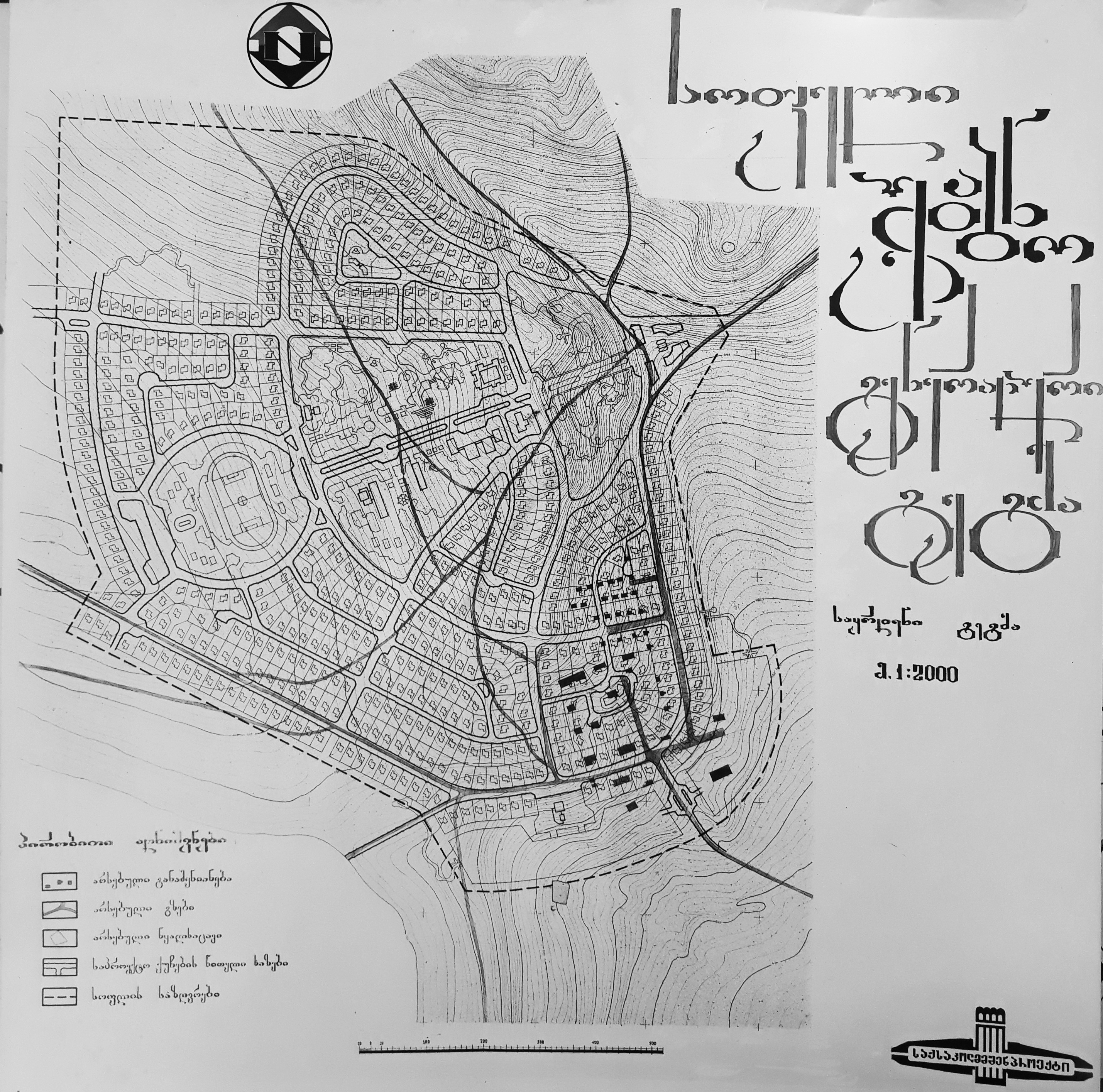
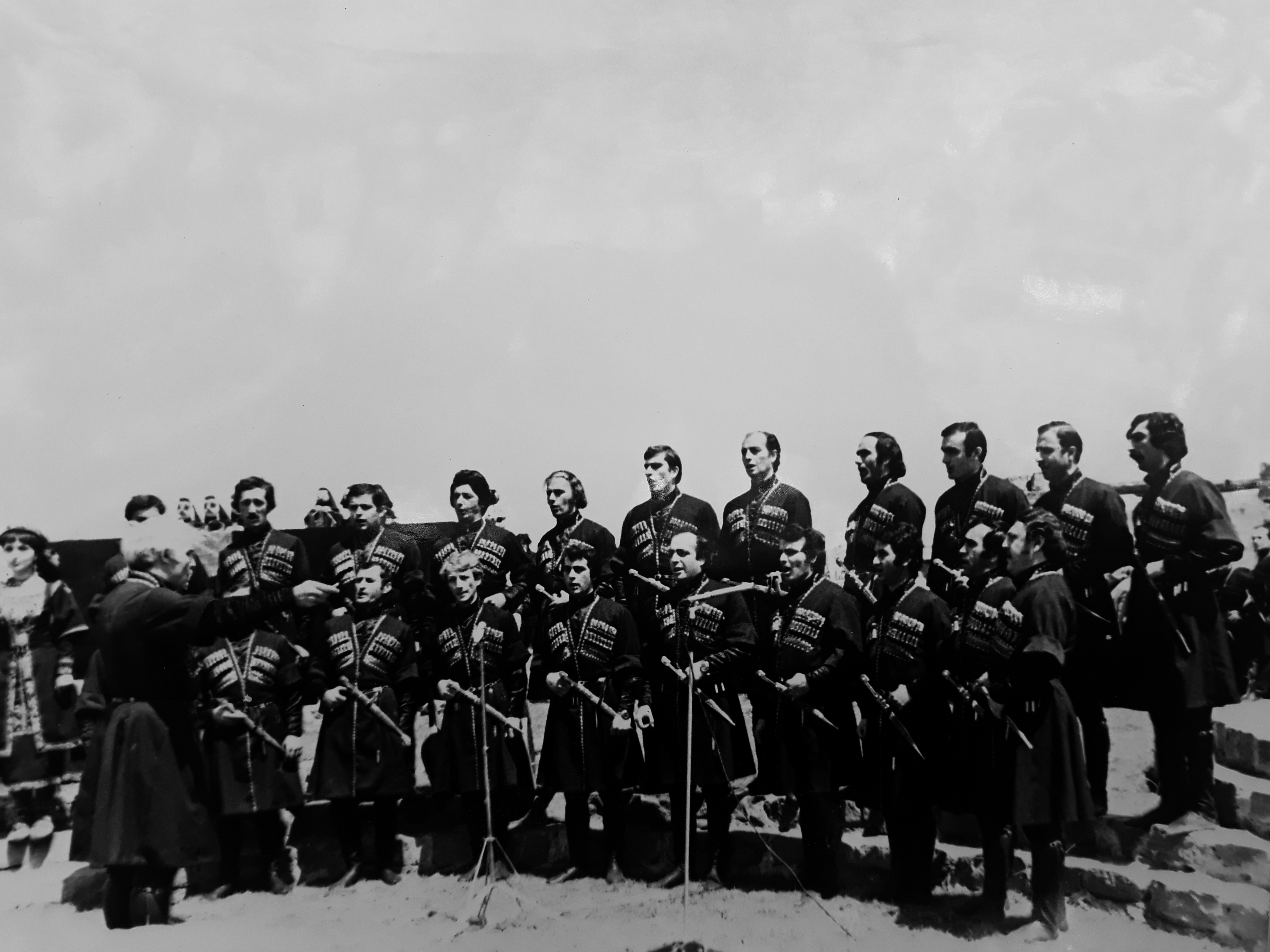
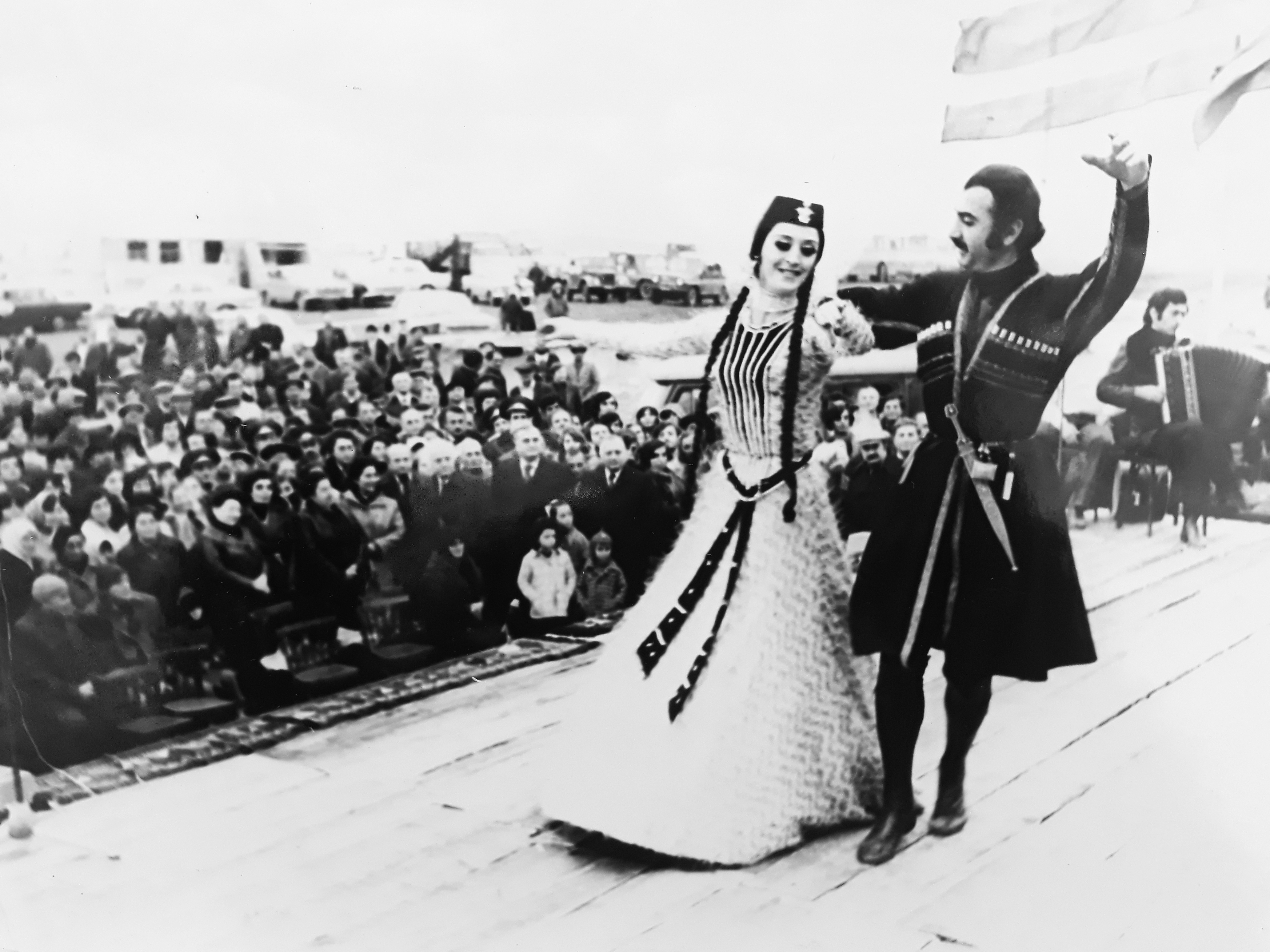
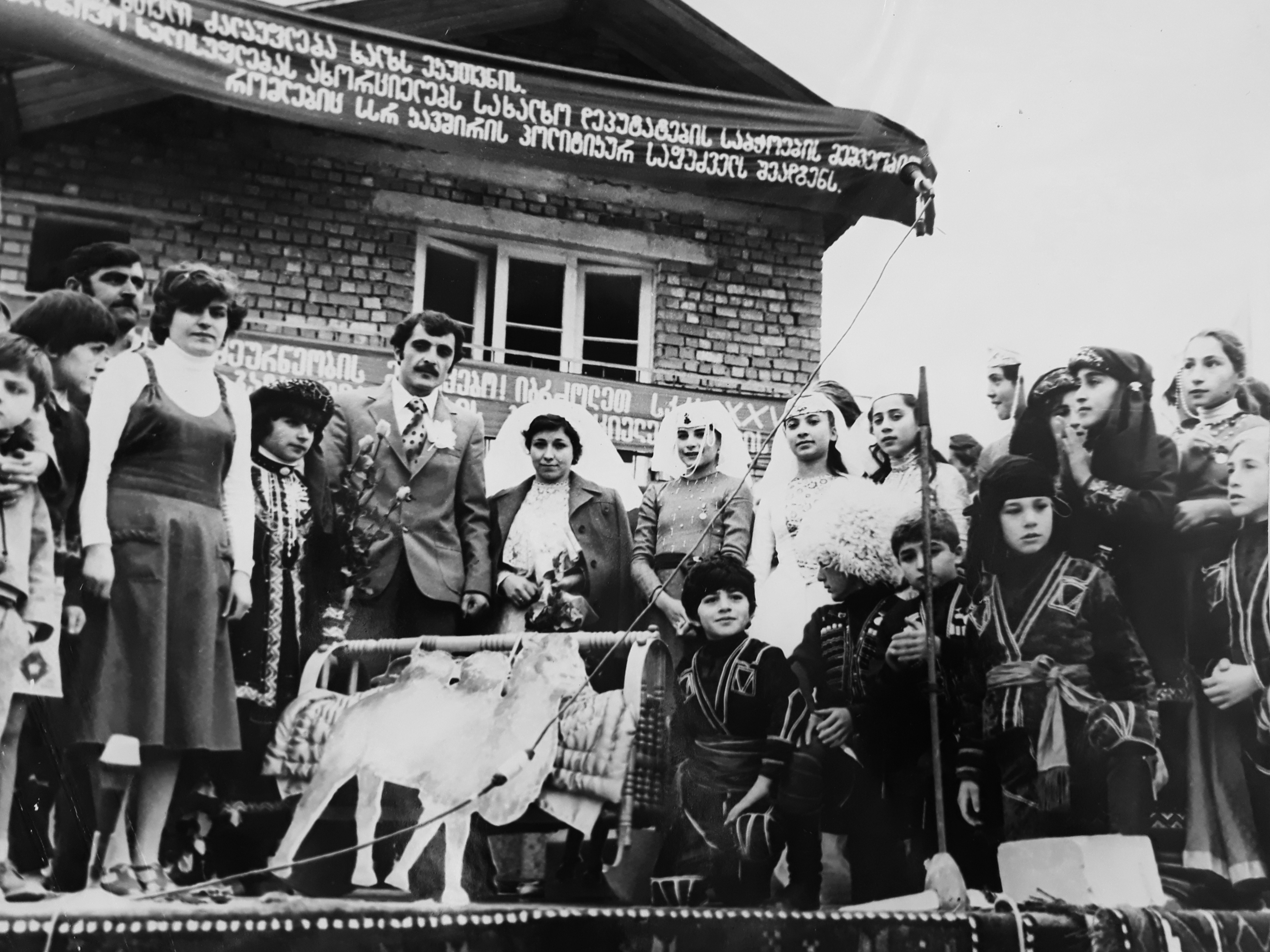
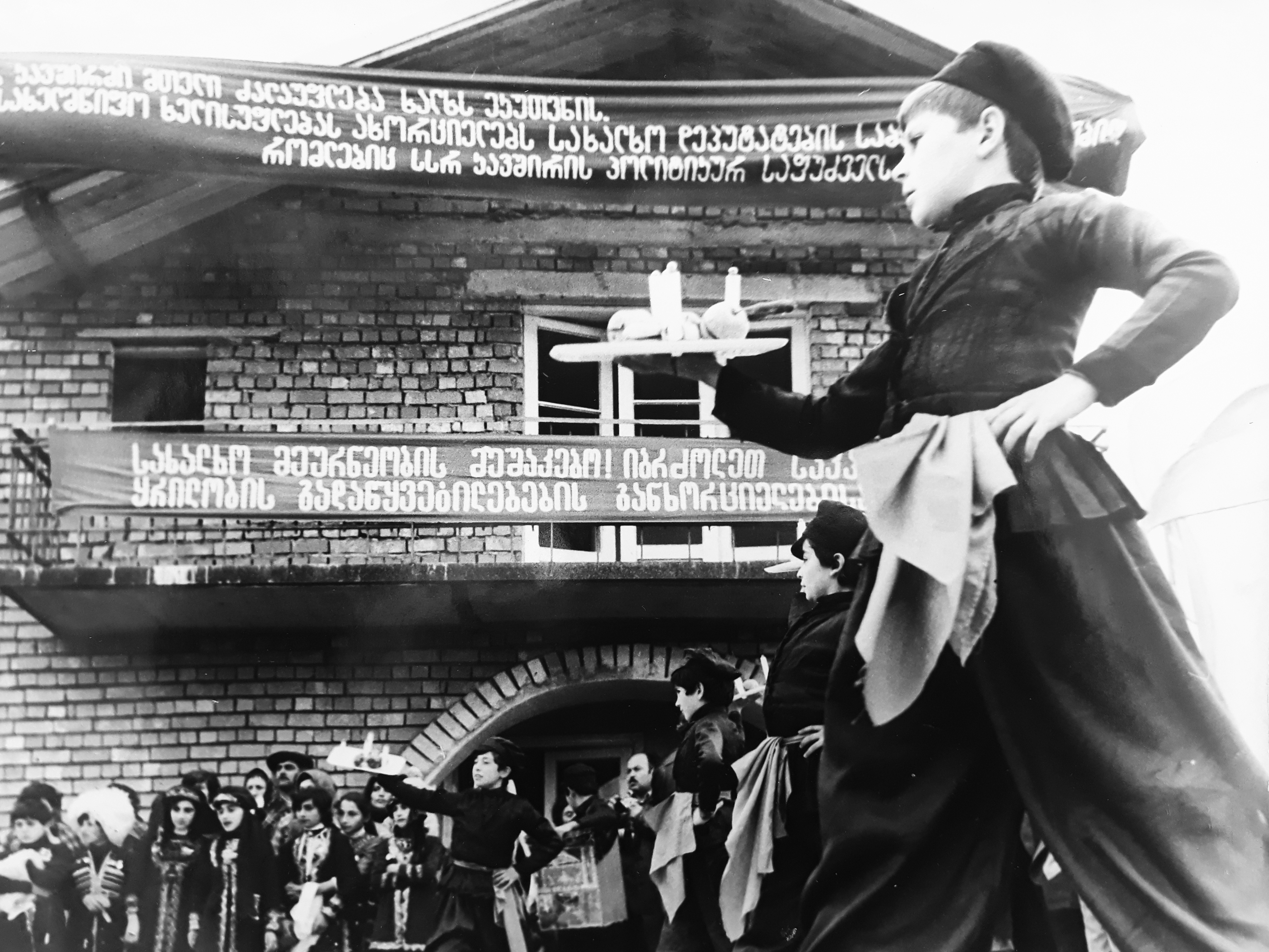
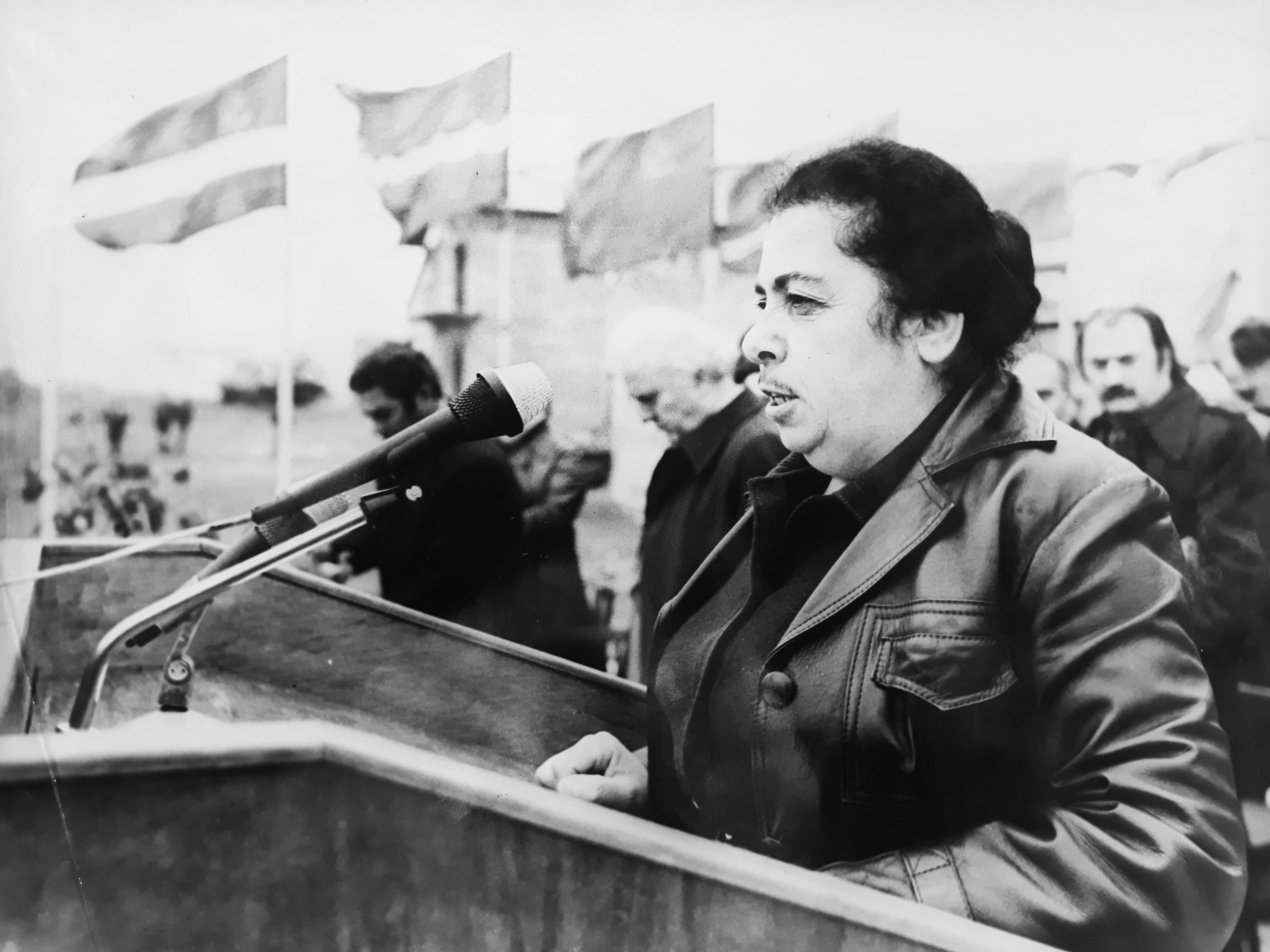
For the local residents of Udabno who opened their homes and village for the newcomers, however, the new national spirit took on a darker meaning.
Udabno was traditionally inhabited by ethnic Azeris: the village is just kilometers from the Azeri border, and families had lived on that land for generations.
Ananiashvili remembers that many Azerbaijani families used to live in Udabno and they warmly welcomed the Svan eco-migrants.
At first the communities lived peacefully and had friendly relations, he says.
But that quickly changed, he recalls.
The government in Soviet Georgia was keen to make sure border villages like Udabno were full of ethnic Georgians, notes Gaioz Chartolani, 77, who was resettled in the village from Svaneti.
“It was necessary to populate regions with Georgian-speaking people. We pushed them [Azerbaijanis] out of here without firing a gun. I used to send a group of young boys to beat Tatar [derogatory name used for Azerbaijani] children. As if they were playing football,” he recalls.
When local parents called in the police to protect their children, Chartolani would play down the incidents as “minor” fights among children.
“When the police left I would send the boys again. They [the local Azerbaijanis] were doing nothing wrong but we wanted to push them out from here,” Chartolani says.
Ananiashvili says eventually “local Azerbaijanis left the village, possibly in 1990s, due to the strong nationalism.”
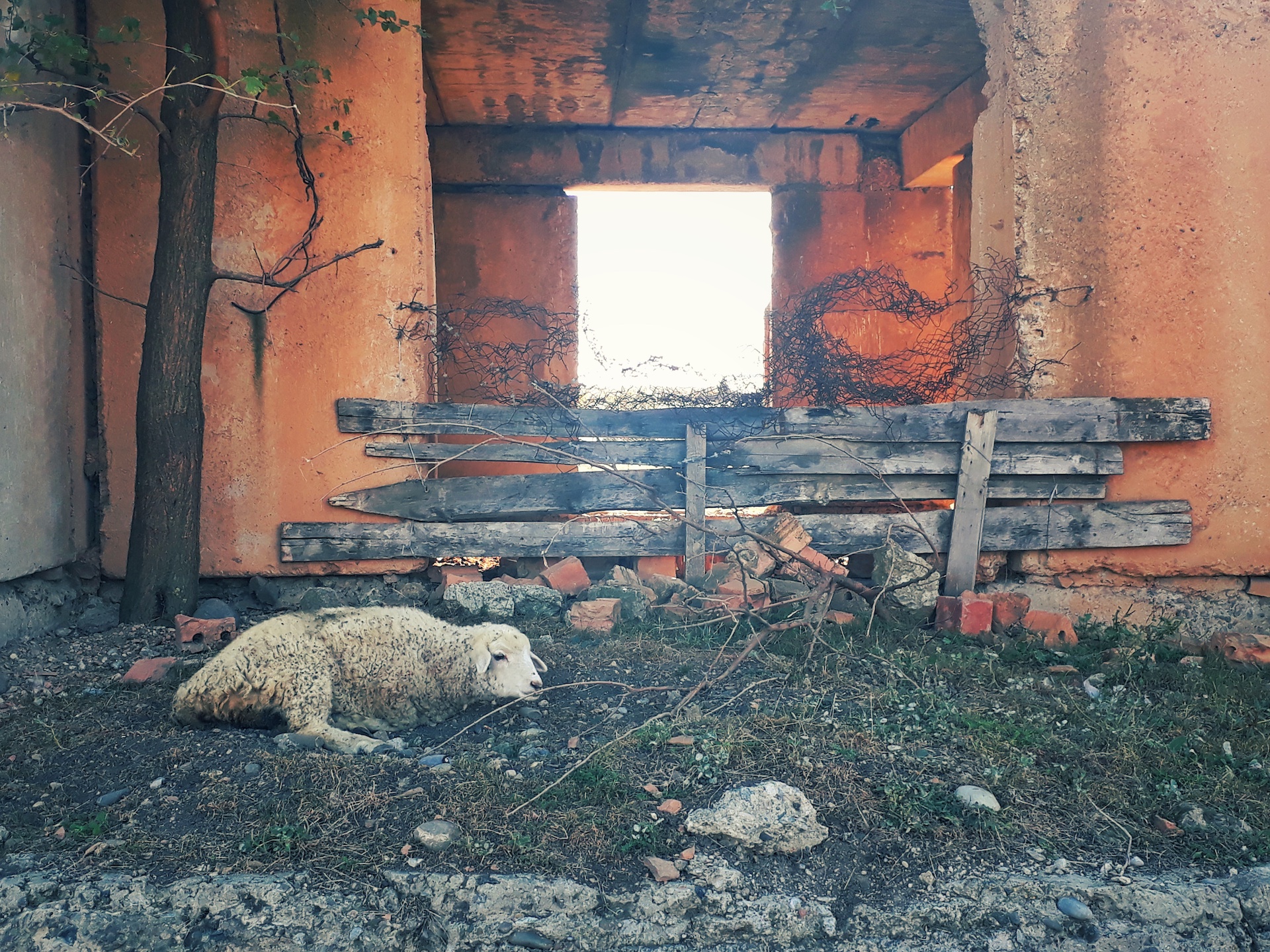
Chartolani’s “group” later destroyed the houses of the local Azerbaijanis who left the village, so that they could not come back.
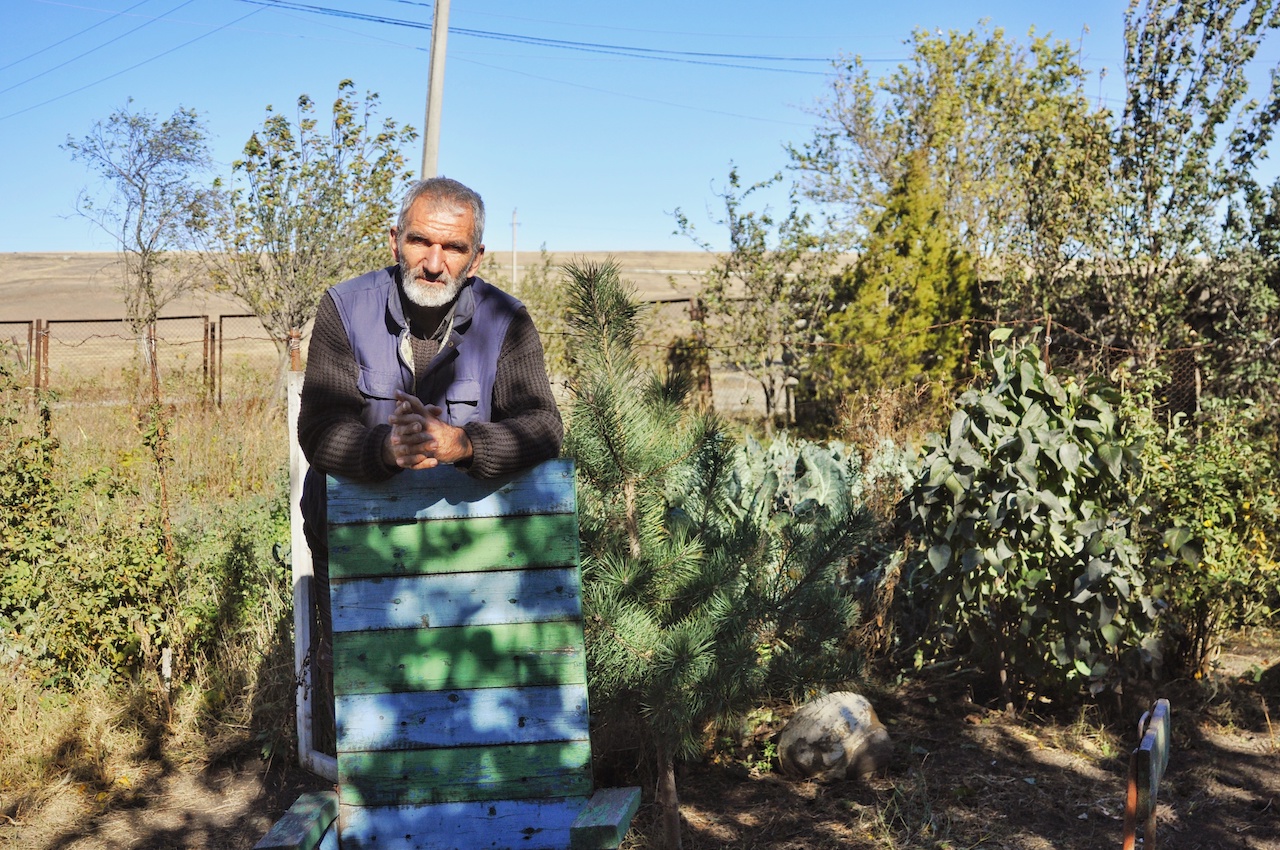
Today the eco-migrants from Svaneti and their children consider Udabno to be their home.
36-year-old Pikria Margiani (no relation to Nanuli Margiani) notes they are Svans by birth, and the power of their heritage remains with them.
In Svaneti, she says “nature itself is telling you that you should be proud, you are Svan.”
“A Svan person cannot be a traitor and a coward. On this plain we might feel a bit discouraged but our pride and nature remain inside us,” Margiani says.
Some members of the younger generation still feel the call of the mountains.
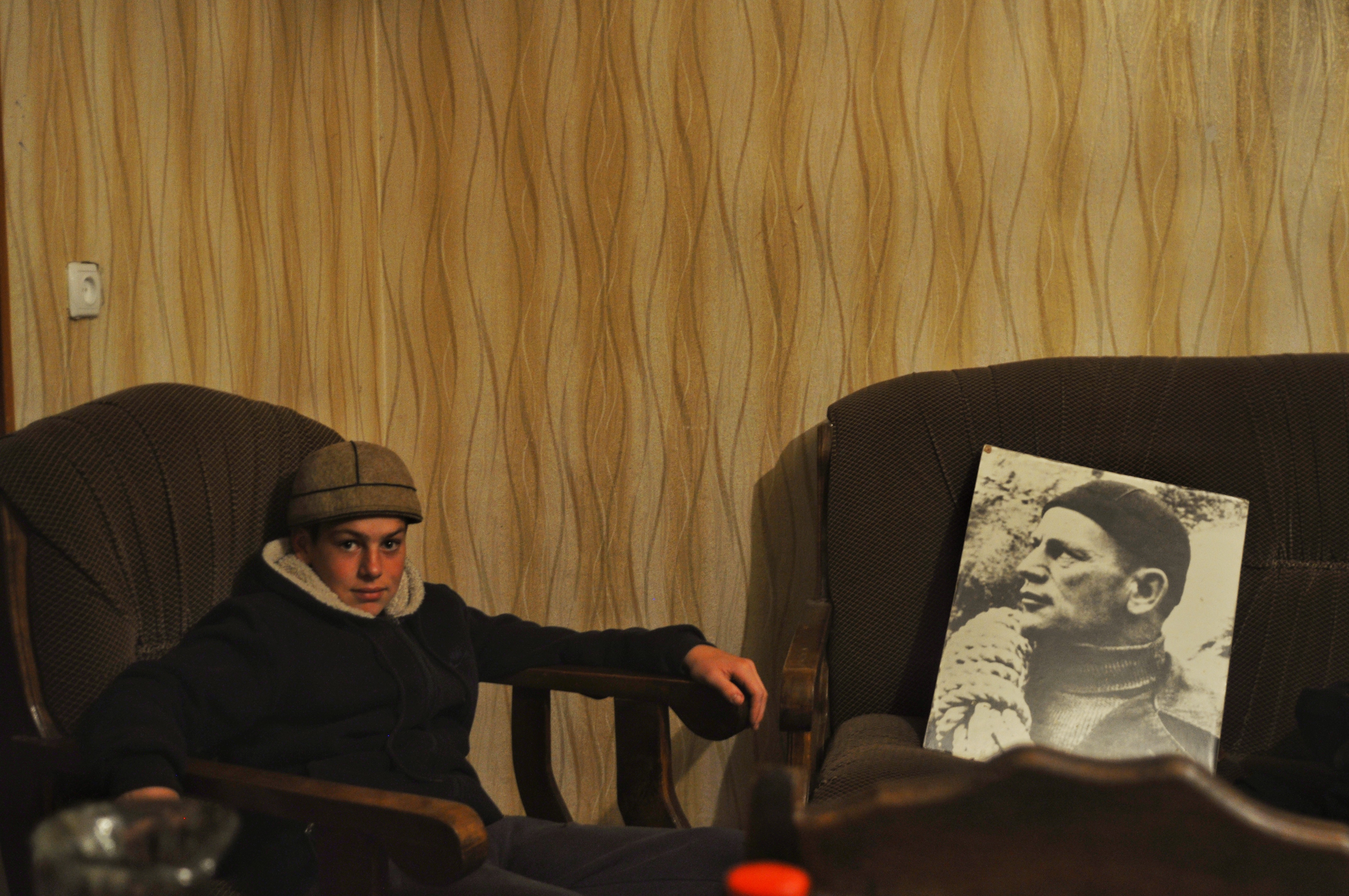
Saba Chartolani, Gaioz’s grandson, notes that when he is in Svaneti, he is filled with energy. He says that when he is in Udbano, he is unable to ride horses.
In Svaneti, however, he feels free to gallop into the mountains and he is waiting for the day he can move back there to live.
But Margiani is focused on bringing Svan heritage to the youth in Udabno.
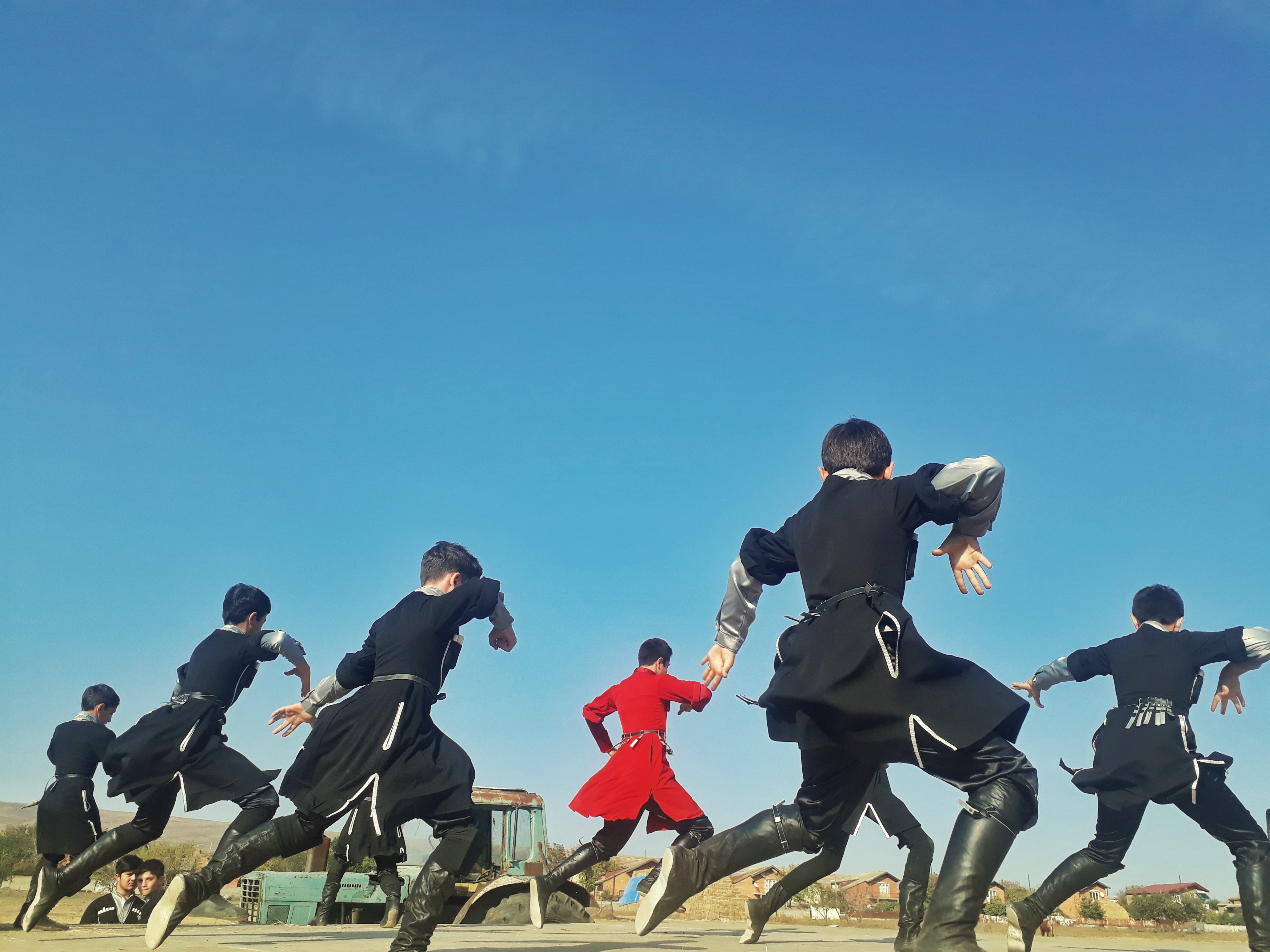
She leads a girls’ choir that performs Svan songs and young people are also learning Svan folklore.
Even though Margiani is unhappy with the level of the local children’s knowledge of the Svan language, she is still proud that the mountain culture is still alive.
”Maybe we maintain our culture and traditions more because we live here. We are far away and we don’t want to lose those traditions.”
December, 2018 Journeys