Feature Story
Edition:
Environment
Archive
The photo story you are reading is part of the Chai Khana archive. From 2015 to 2025, Chai Khana covered the South Caucasus, sharing stories from Georgia, Armenia, and Azerbaijan.
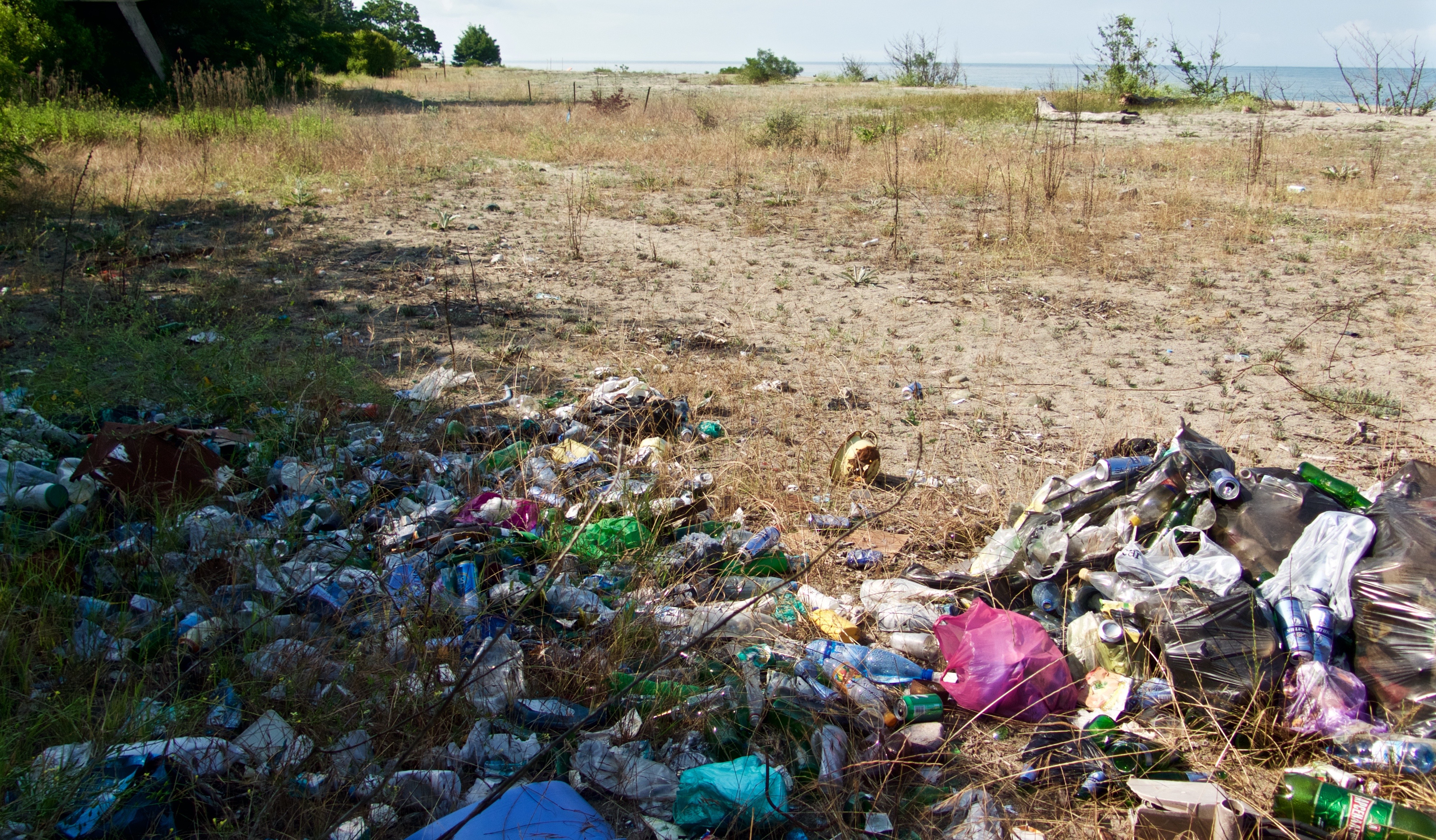
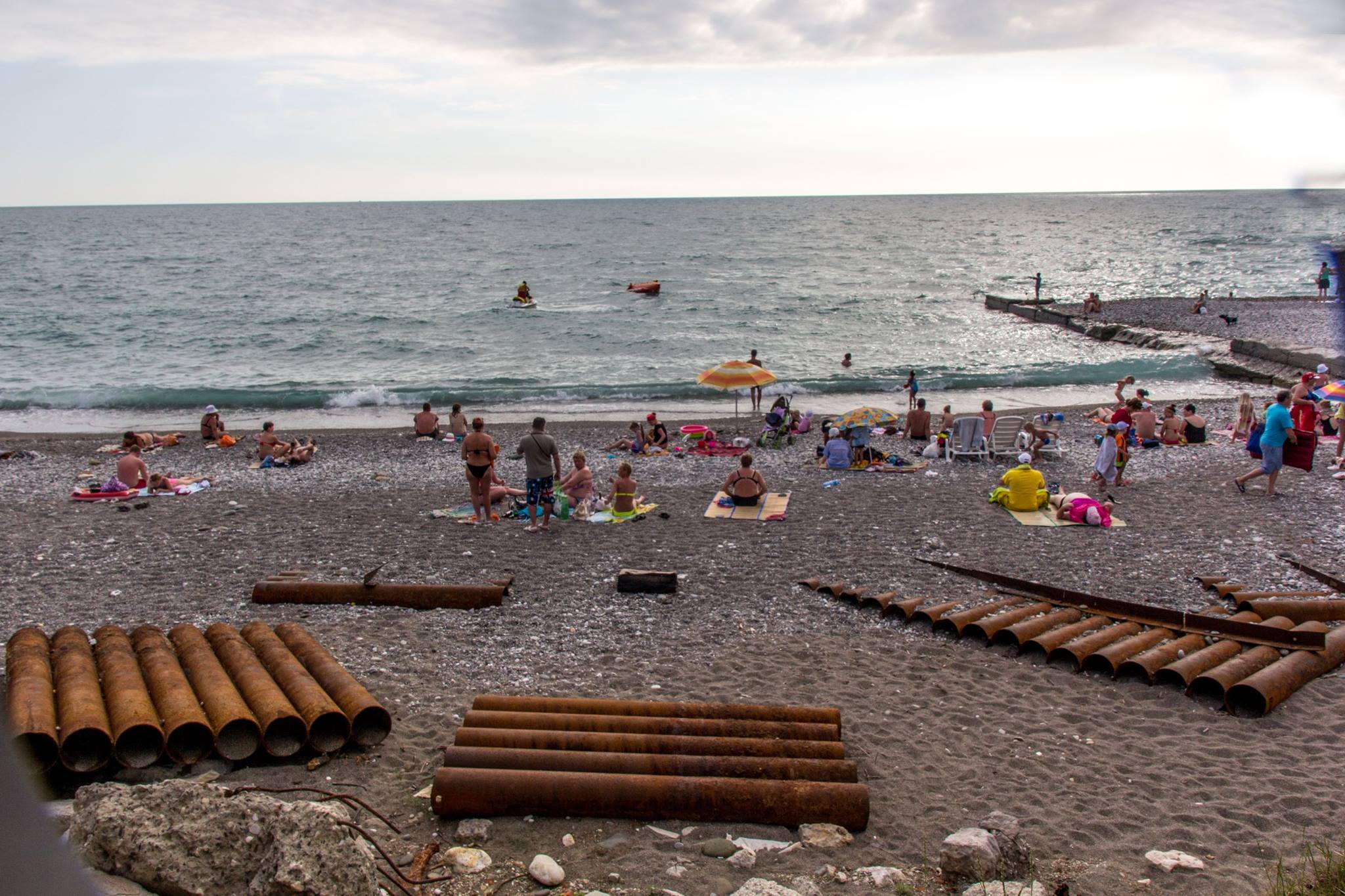
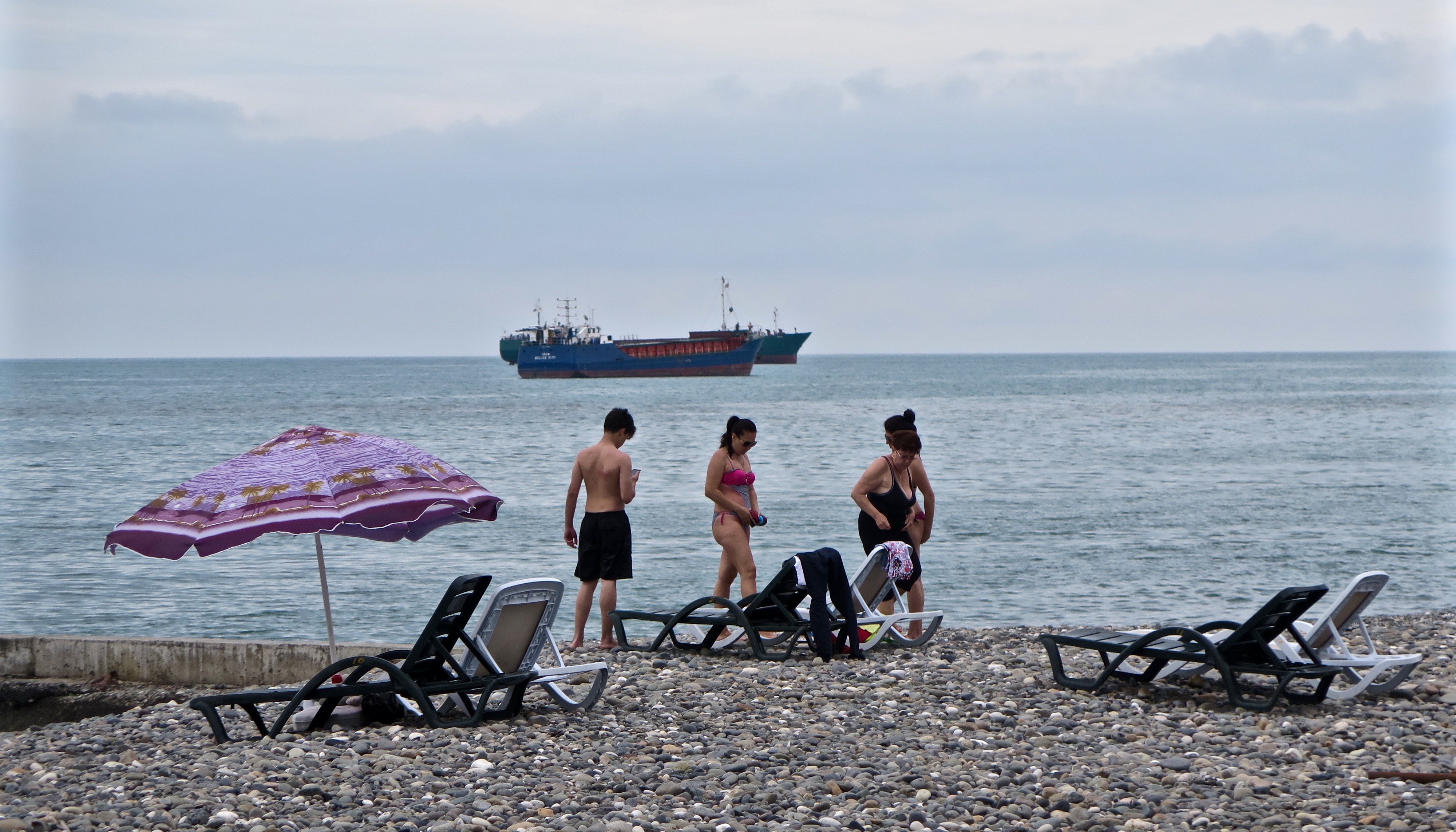
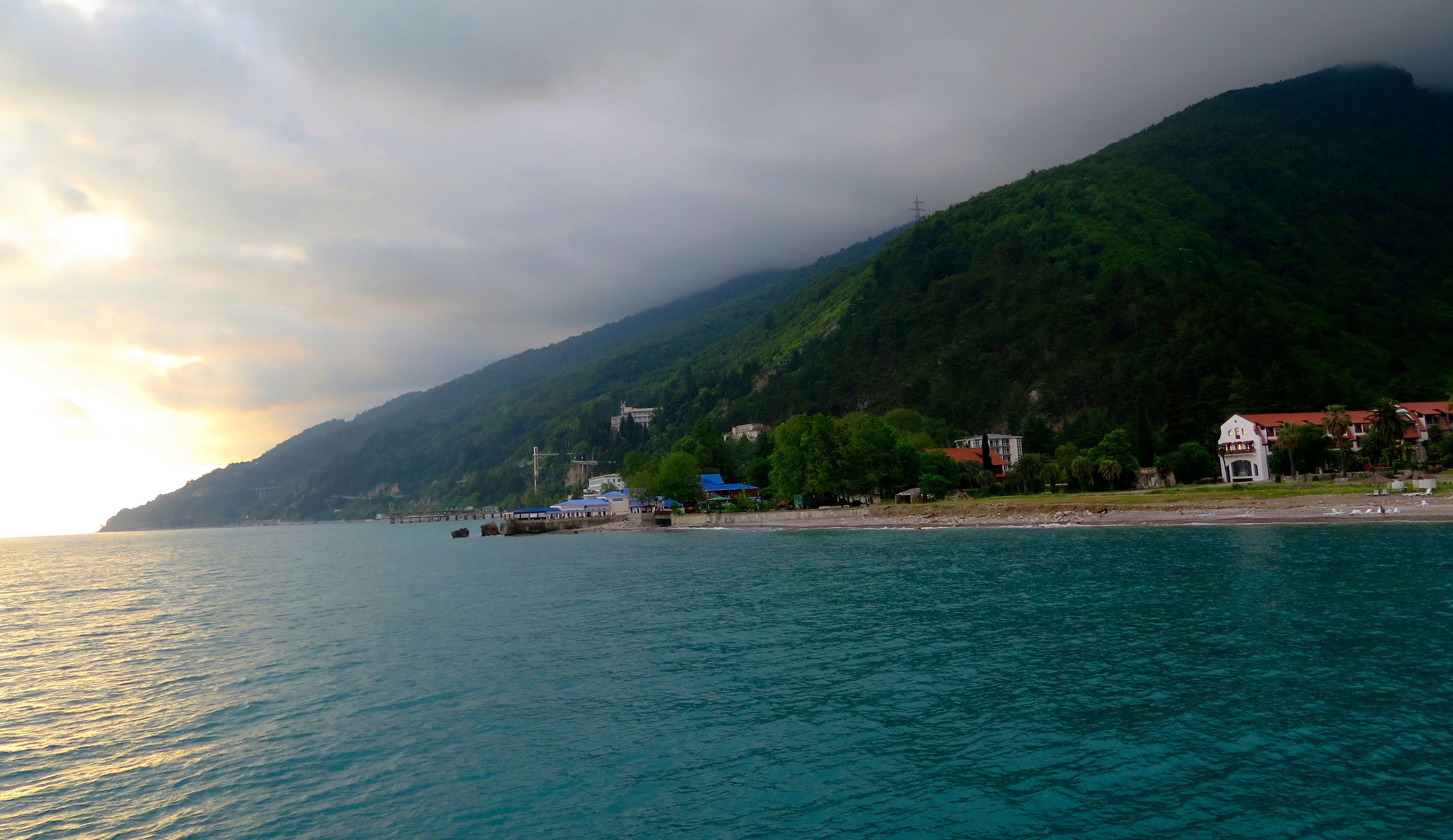
Pre-war Abkhazia, considered the Soviet Union’s ‘Red Riviera, accounted for most of the Black Sea's most desired coastline. Today, the waterfront of Sukhumi and Gagra is littered with sunken piers and crumbled rubble from buildings destroyed in the1992-93 war. Without defensives, such a lack of coastal defensive measures is leading to the enhanced destabilisation process of the coast. Recently, the extraction of inert materials such as rock and sand from the river-beds in Abkhazia was exported to the Russian Federation for the Sochi 2014 Olympic Games. Two million tonnes of gravel have reportedly been taken from Abkhazia to Sochi in the past few years, though specialists believe that ten times as much could have been supplied without a negative impact on the environment. Such industrial activities have put pressure on the future of marine and coastal ecosystems of the Black Sea.
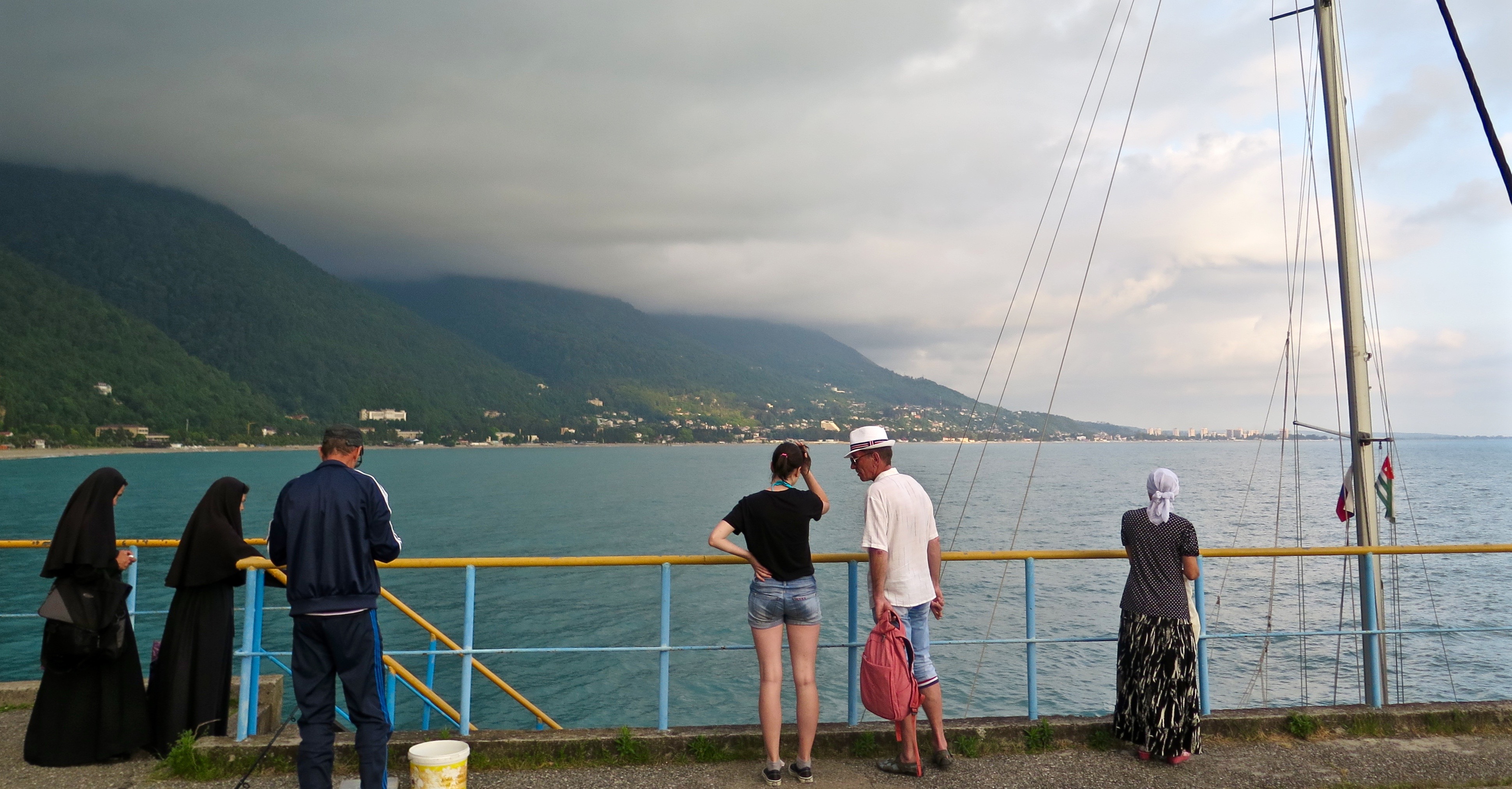
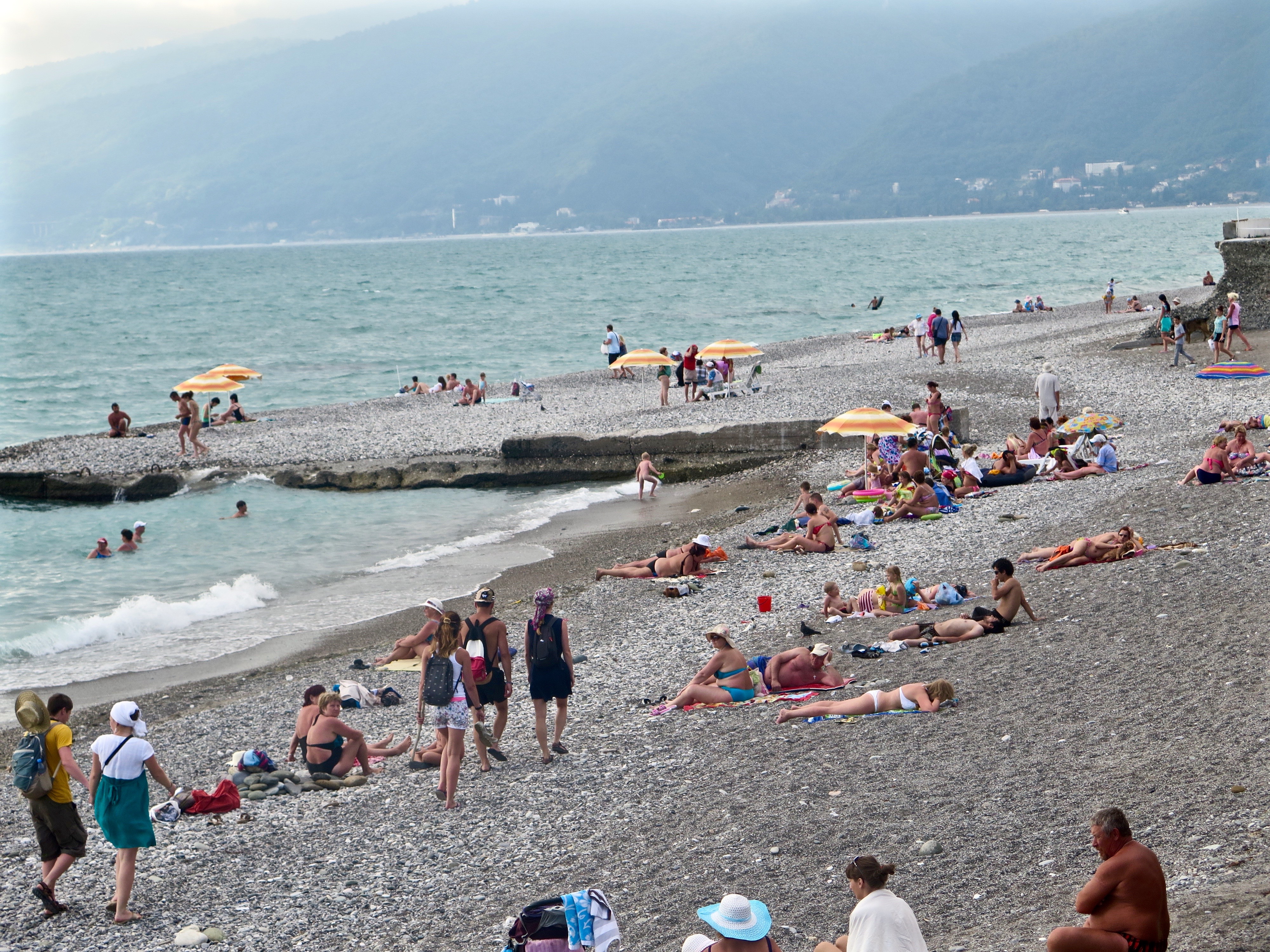
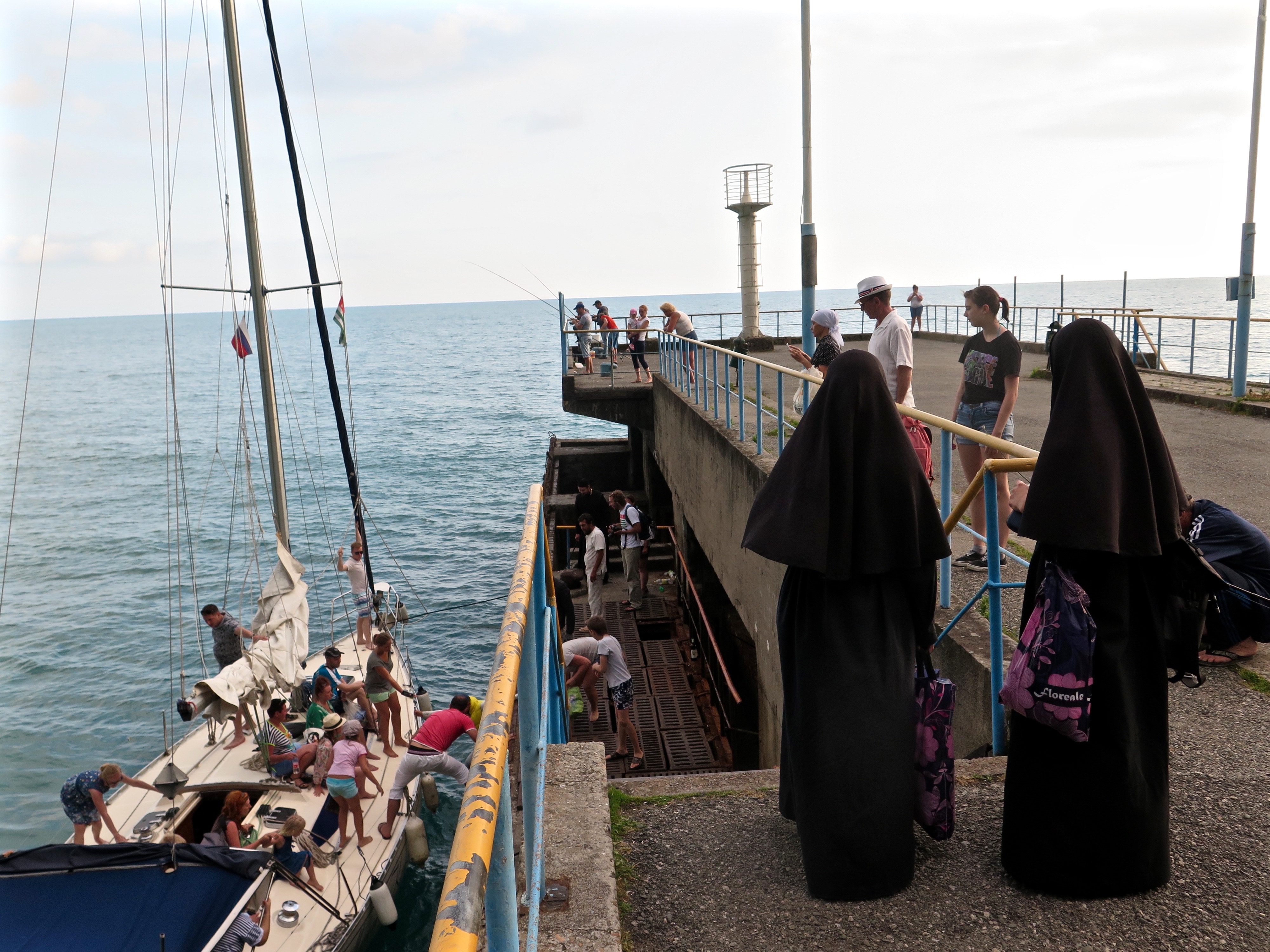
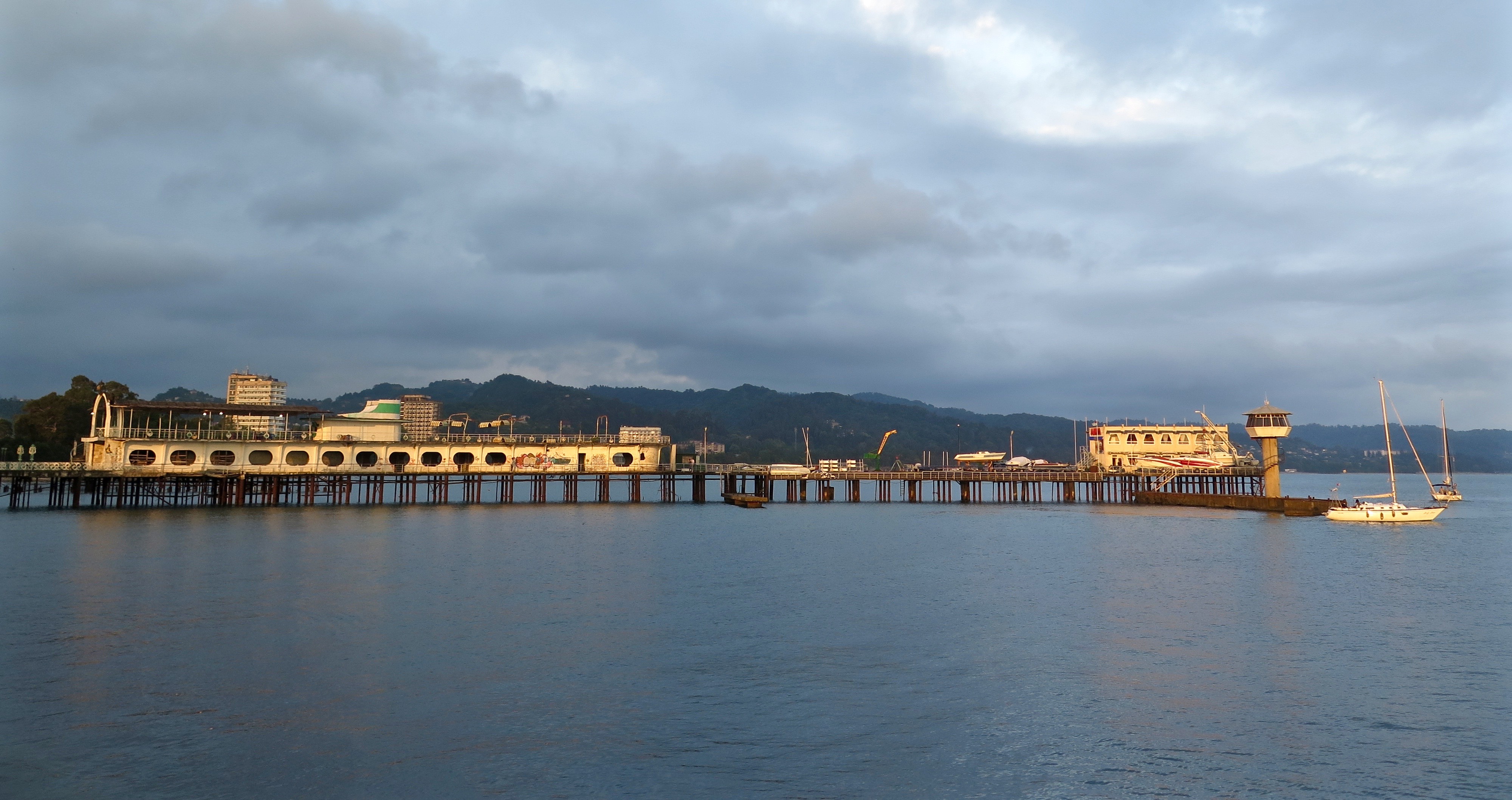
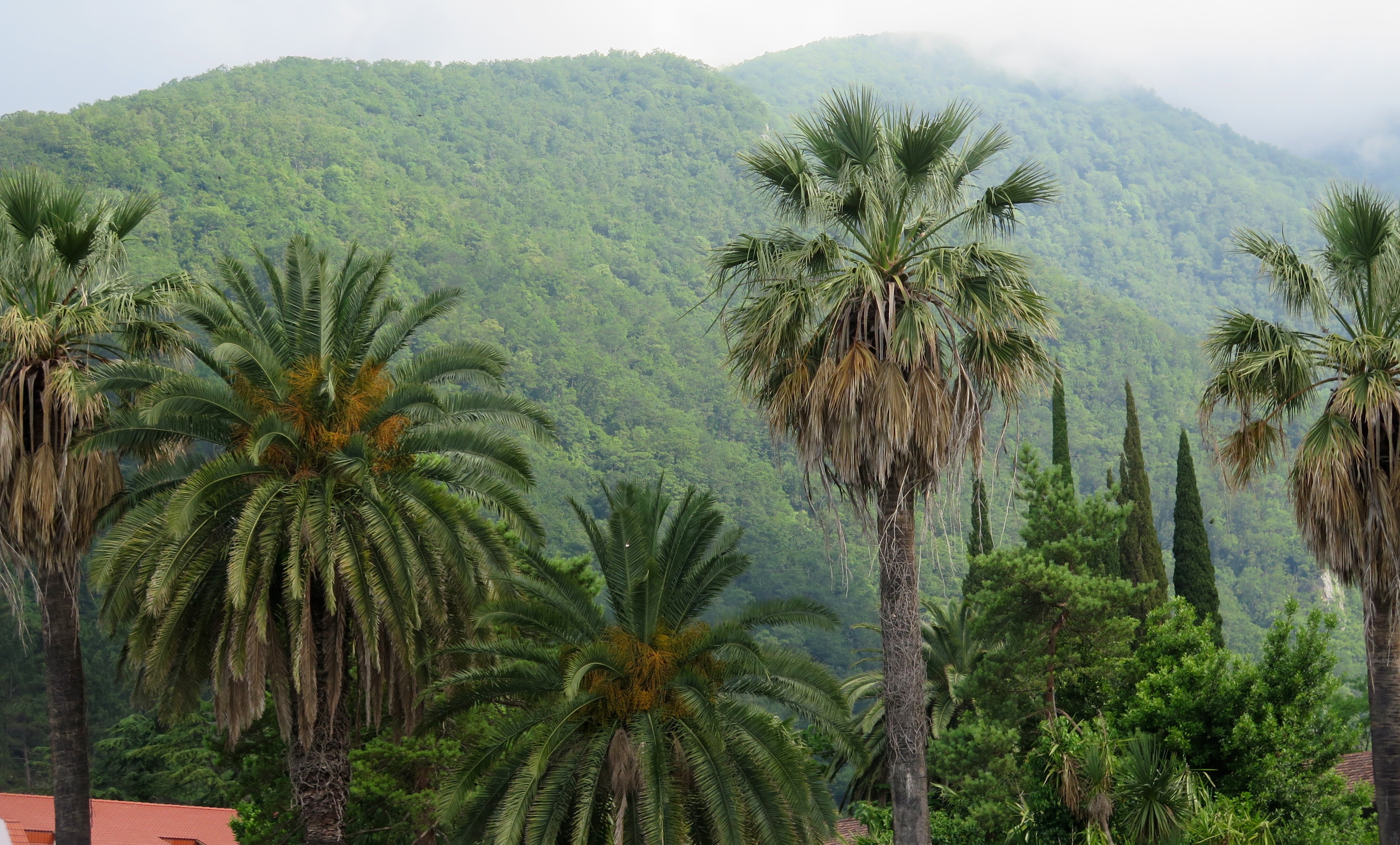
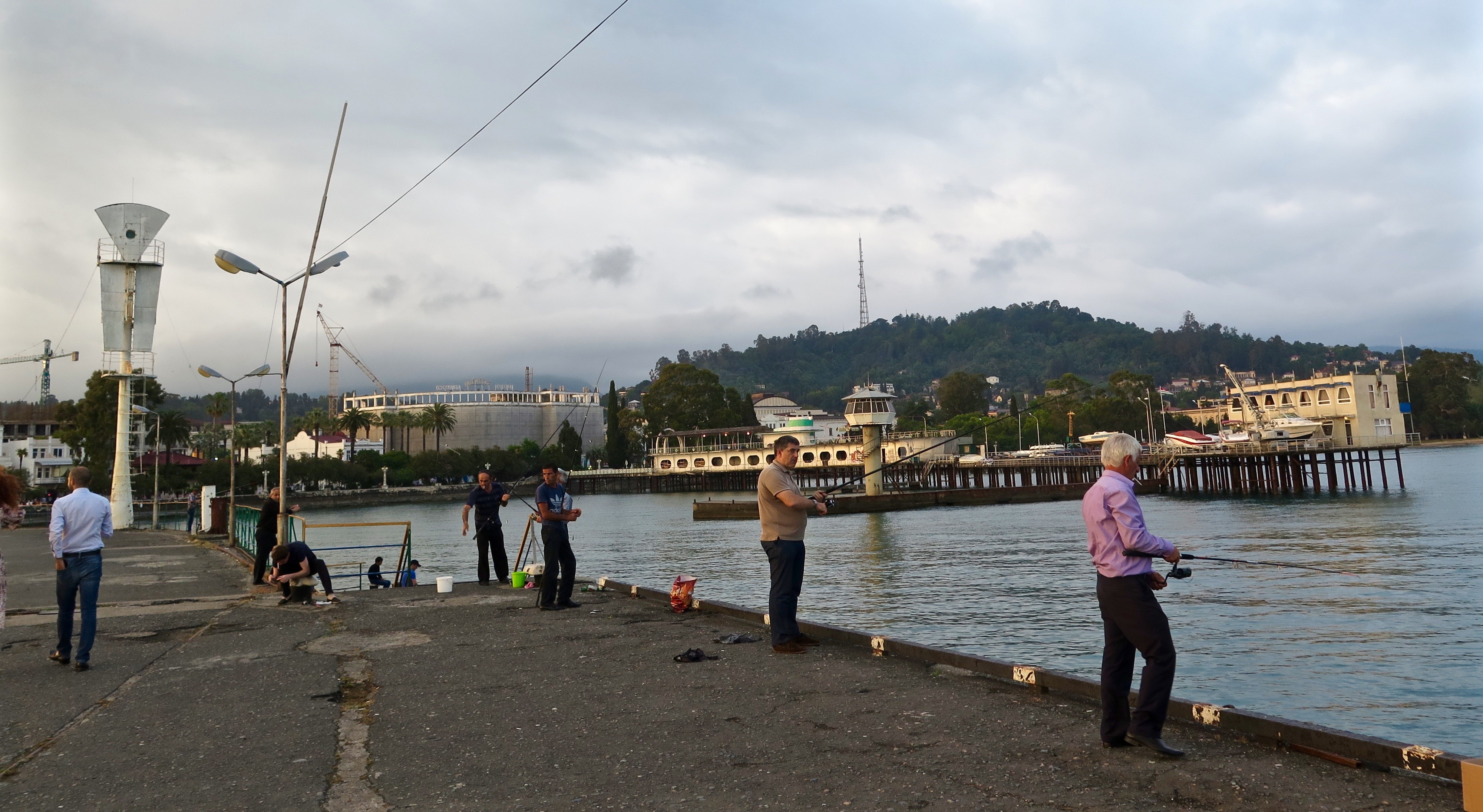
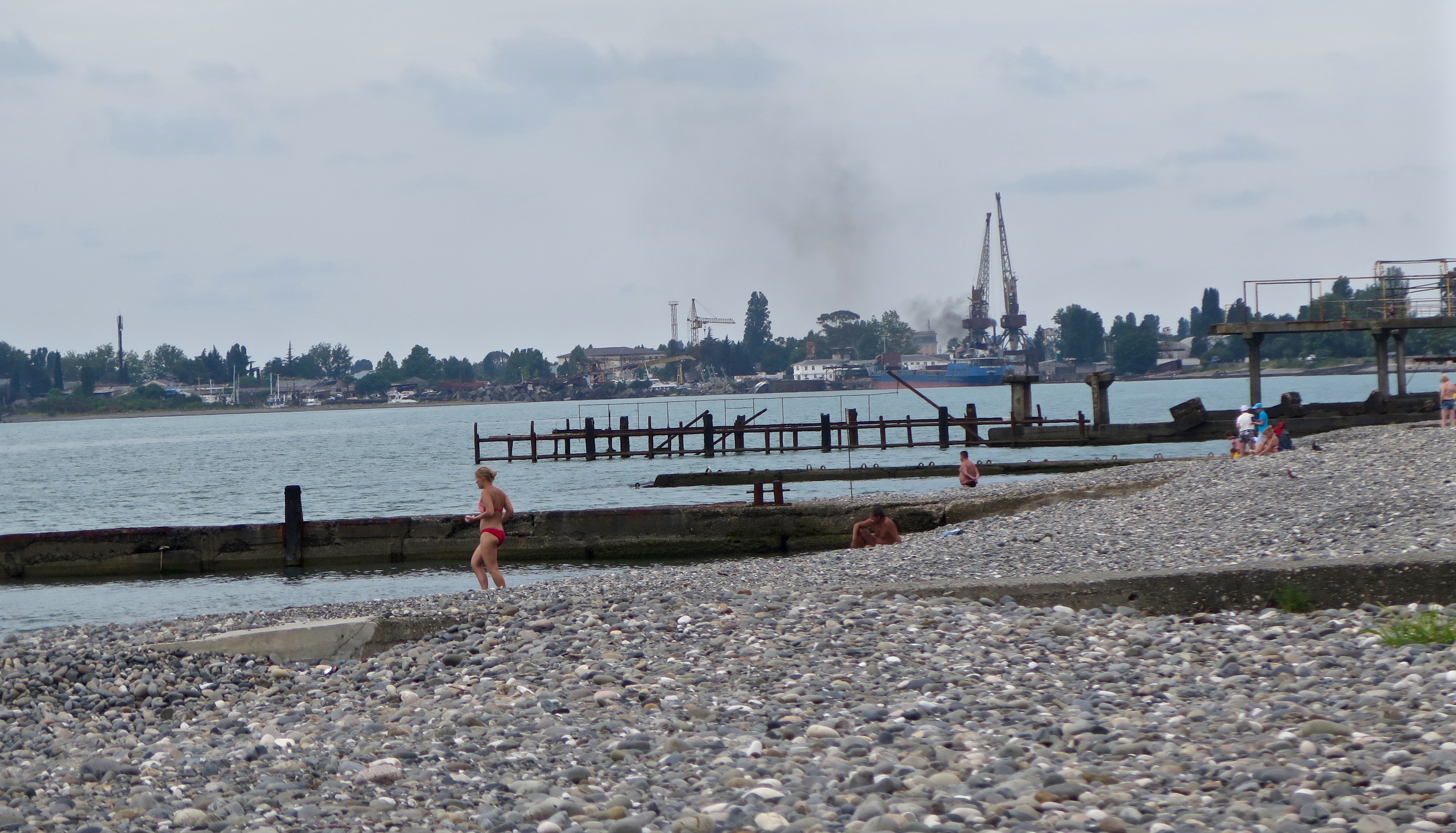
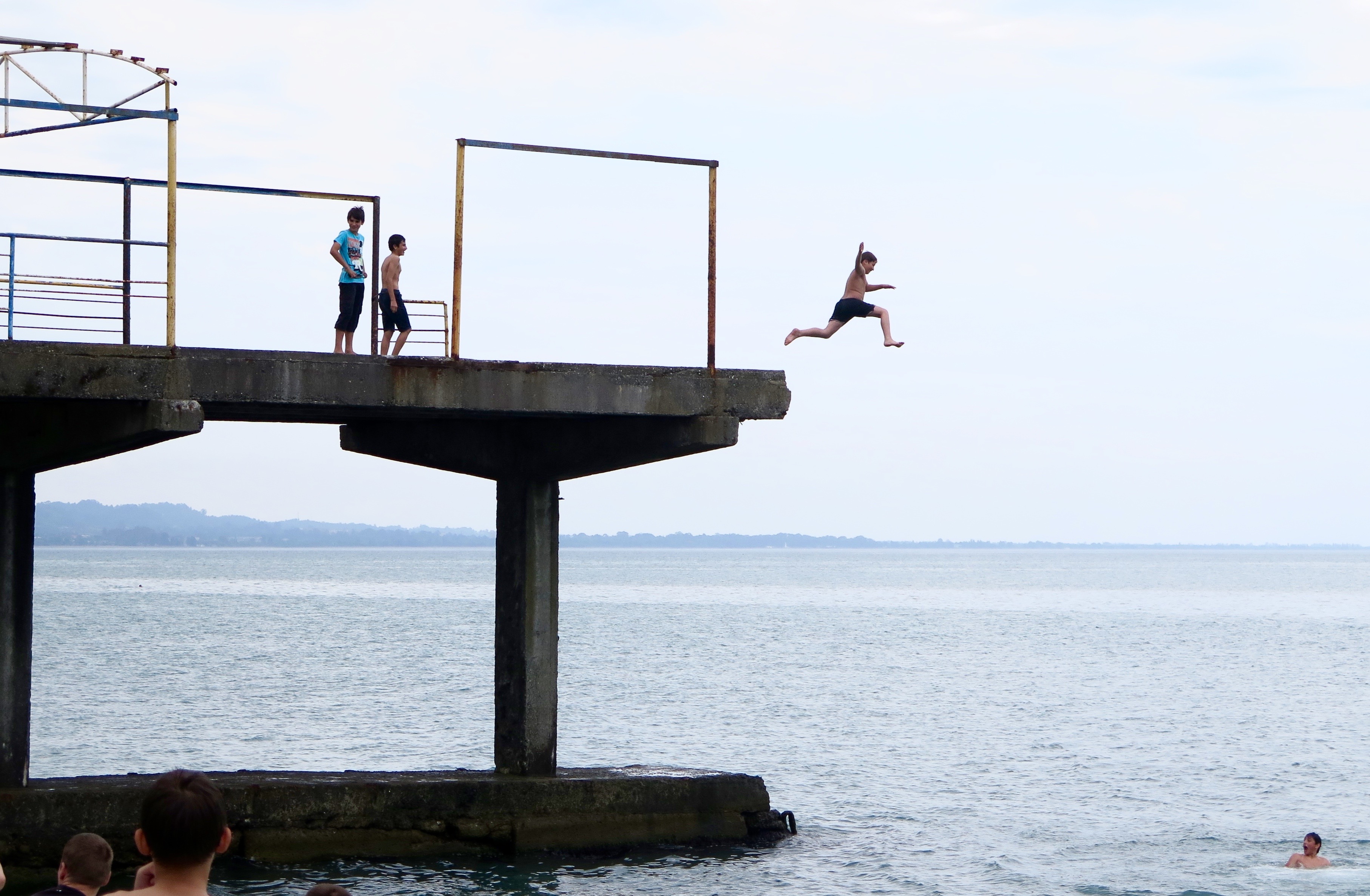
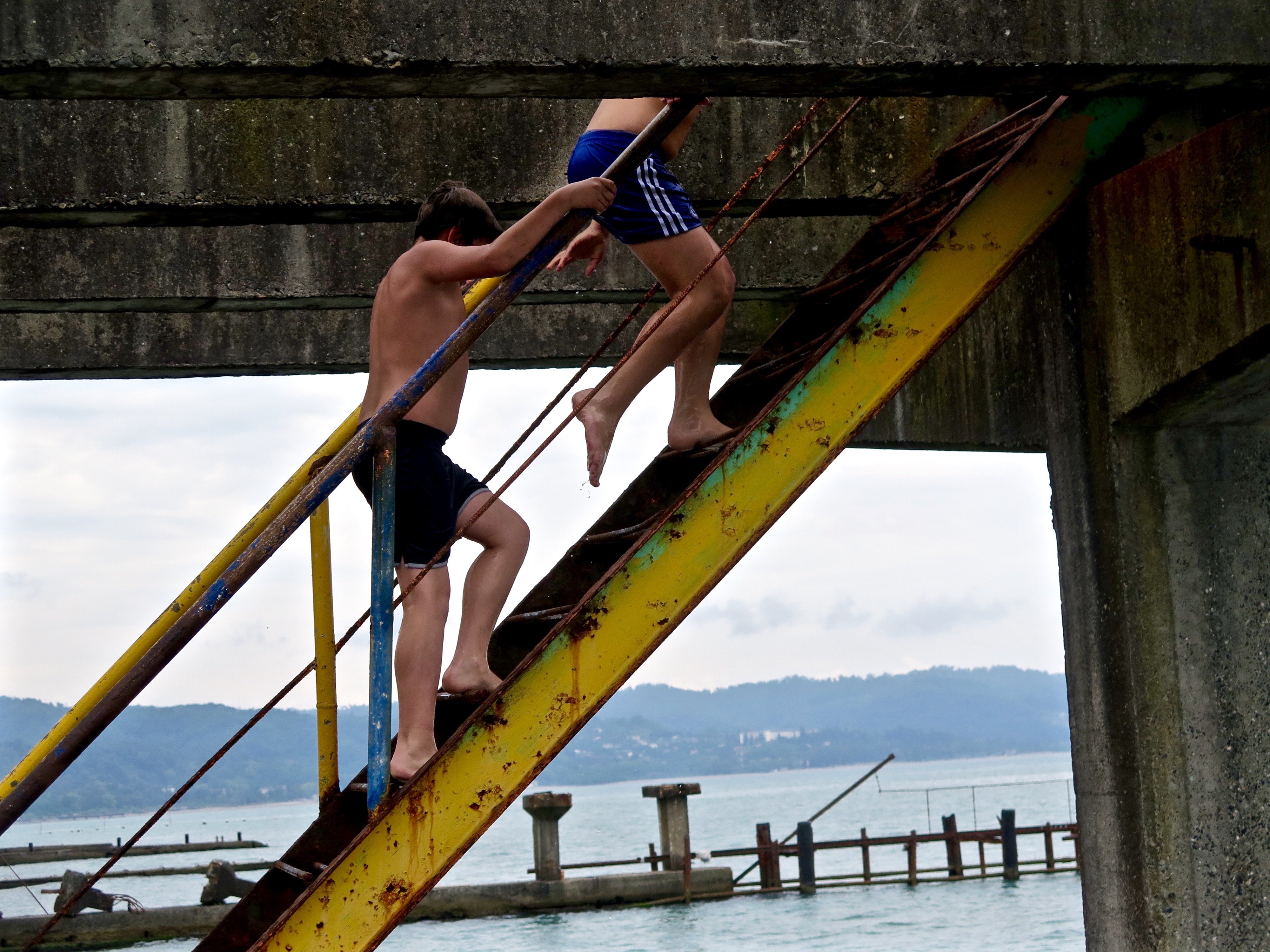
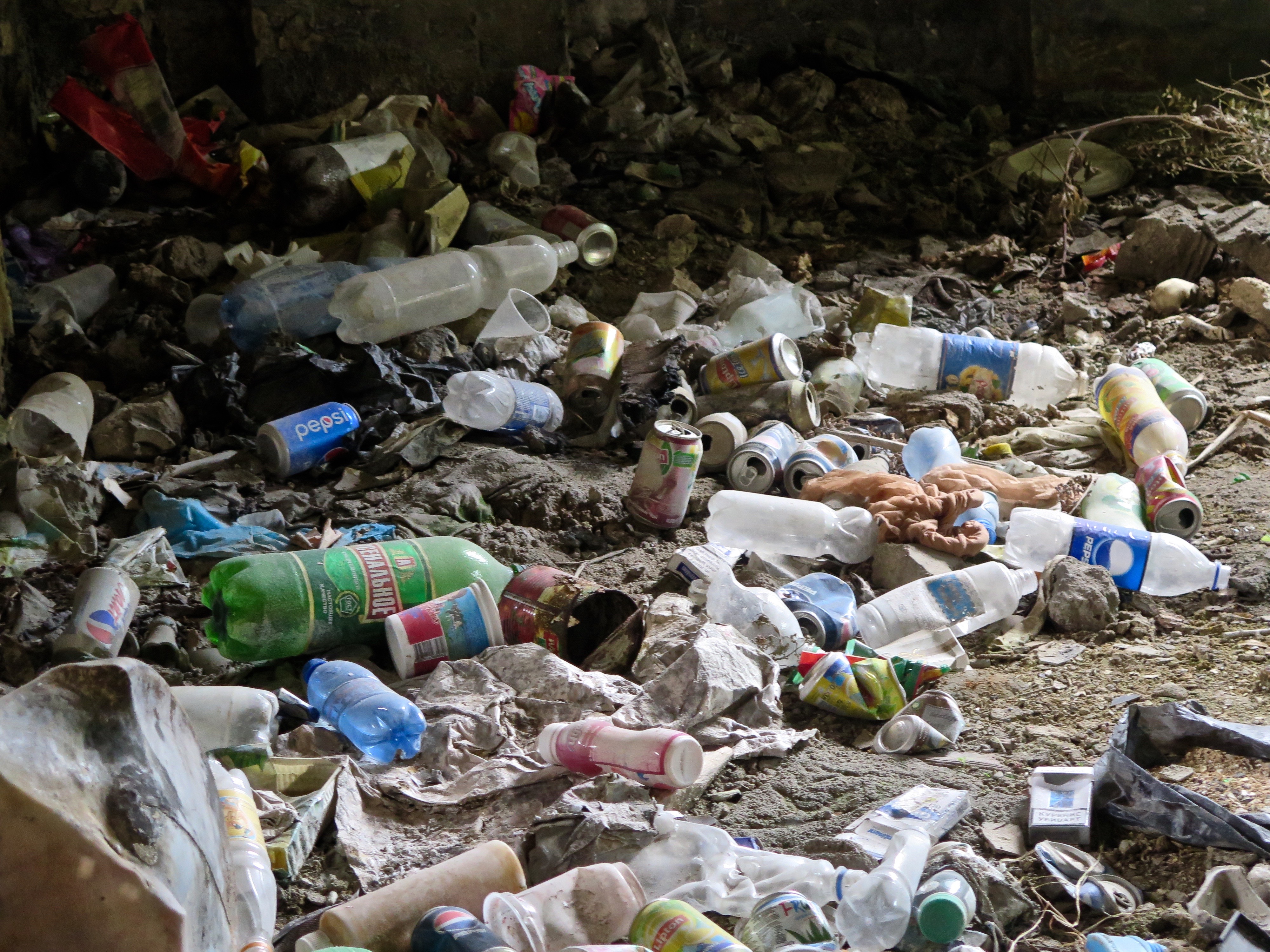
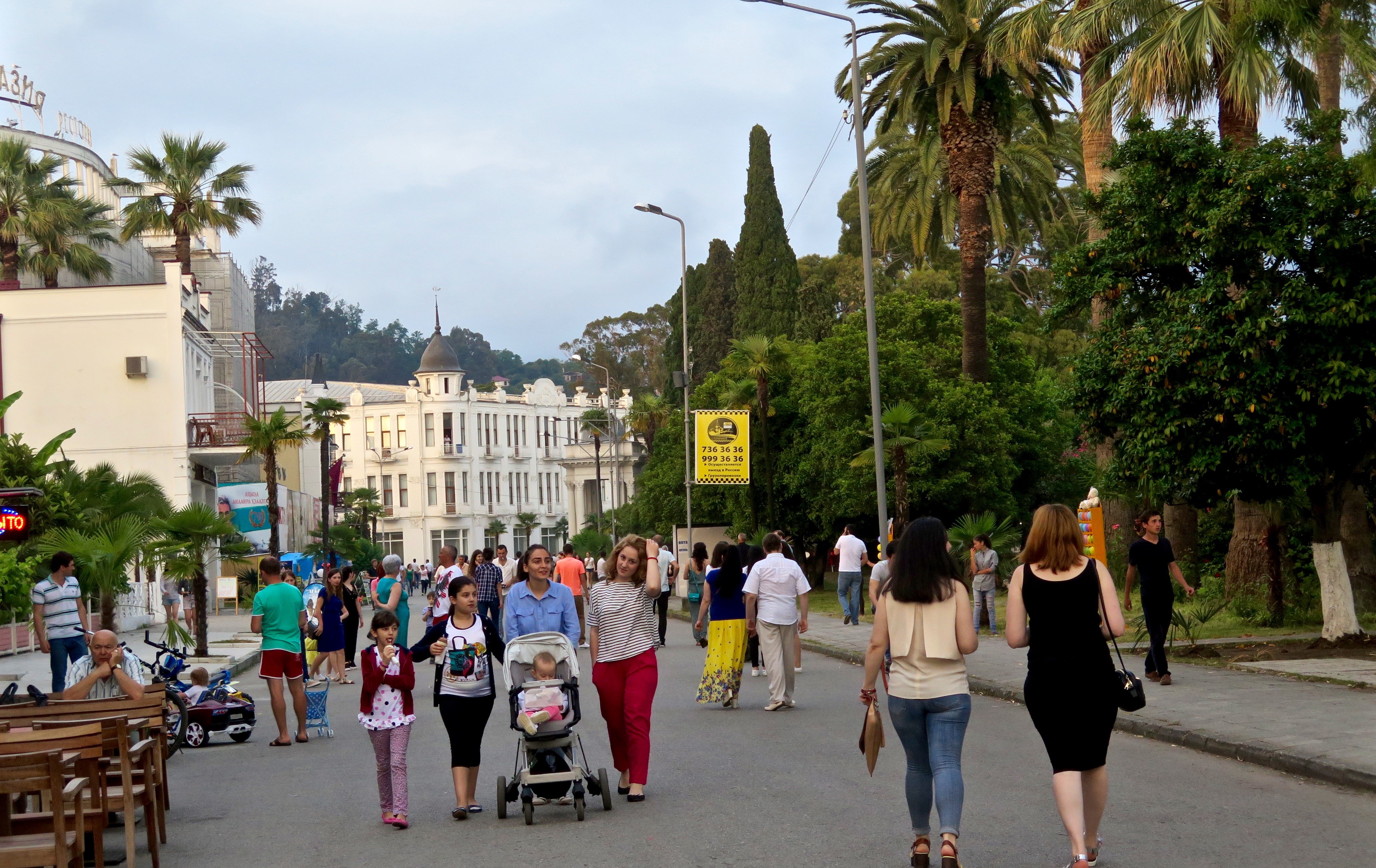
For the economies of these war torn regions to recover, considerations and policies that address climate degradation and waste management must be put into effect. Militarization leads to ecological damage, which then leads to economic damage. According to the UN, environmental priorities in Abkhazia that are in need of action include: surface water resources and quality (such as the run-off of soil and organic matter during floods, furthermore leaking pipes and unstable pumping); biodiversity (resulting from the conflict, some former cultural landscapes are now abandoned); and hazardous substances (coal mining, nuclear accidents). Action on these points may offer a window of opportunity for transboundary co-operation.
This material may contain terms, which are not favored by all the parties of the dispute/conflict. Terms used in the material belong to the author and not Chai-Khana.