

Feature Story


Topic:
Politics
Archive
The photo story you are reading is part of the Chai Khana archive. From 2015 to 2025, Chai Khana covered the South Caucasus, sharing stories from Georgia, Armenia, and Azerbaijan.
Chaos.
It is the first and only word that comes to mind when one arrives at the central train station in Warsaw, Poland.
Of the three major train stations in the capital, it is by far the largest and as such, is taking the heaviest brunt of the refugee crisis triggered by Russia’s invasion of Ukraine.
For some of the thousands of Ukrainians who pass through here, the station is little more than a transit point, a brief few hours before they move on to a new future in Berlin, Stockholm or Paris. For others, it is a final stop—their gate to a life in Warsaw. For others still, it is, unfortunately, a temporary home that they want to, but as yet don’t know how to, leave.

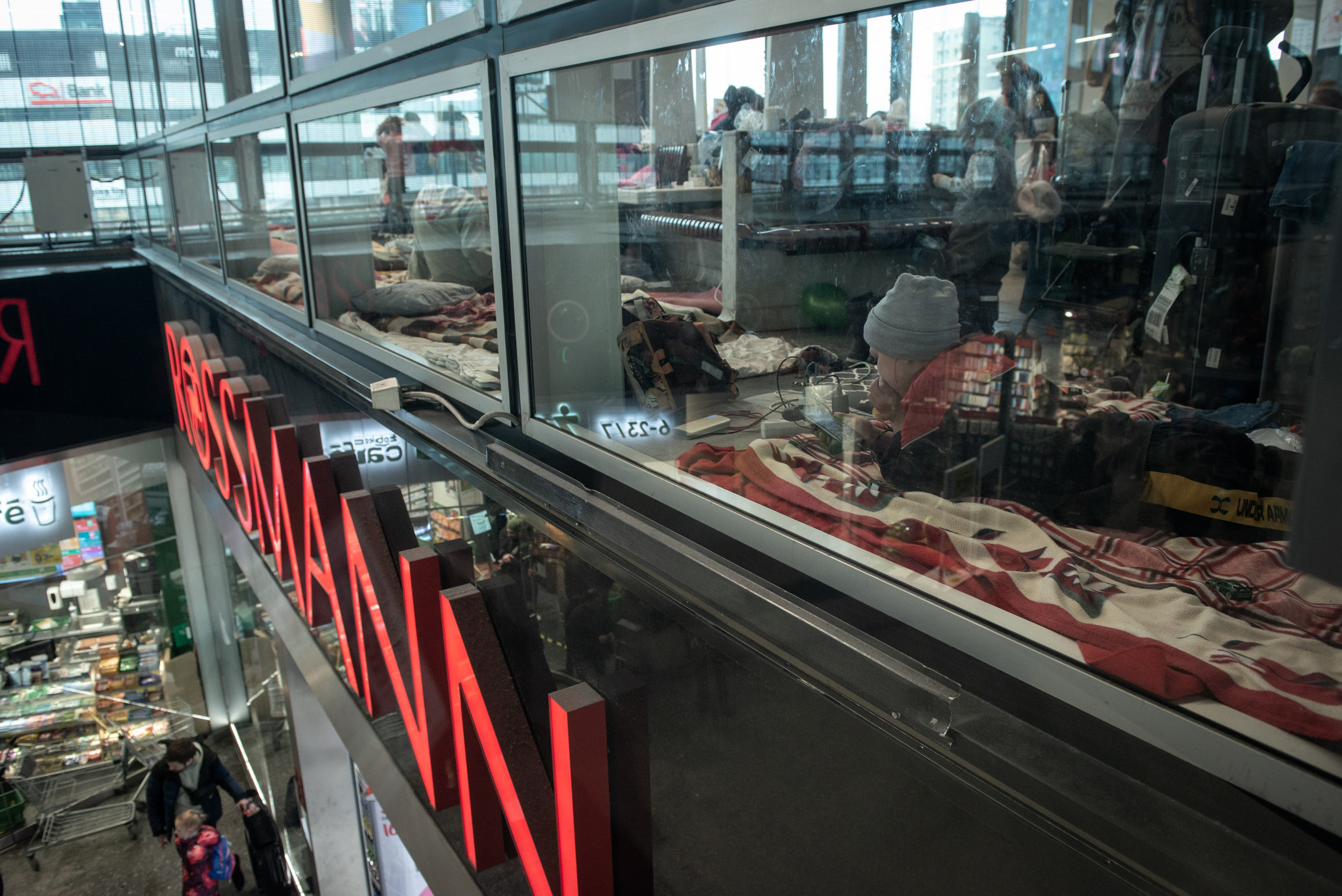
The station is a constant flurry of messy unorganized activity. Whole families sleep on the floor, separated from the cold tiles by little more than donated blankets and yoga mats. A corner of the second floor has become an improvised kindergarten with barely supervised children playing with blocks and darting around tired-looking volunteers ferrying food for refugees.
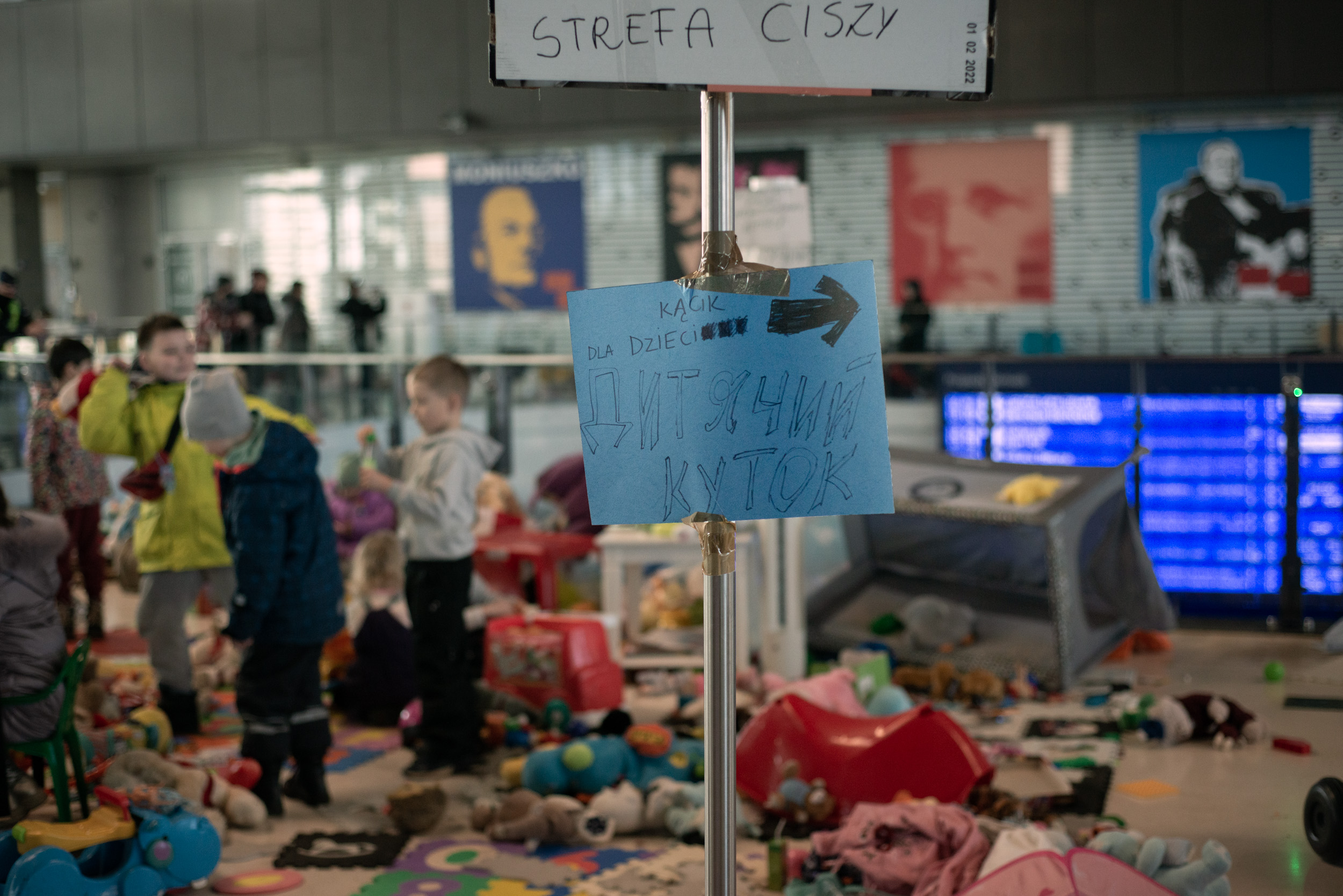
It is at this train station, right by the impromptu playground, that we met Larisa Popozoglo and her five children—her youngest is three and a half. They have been at the train station for only a few hours, and are waiting for the train that will take them to Larisa’s sister in Germany.
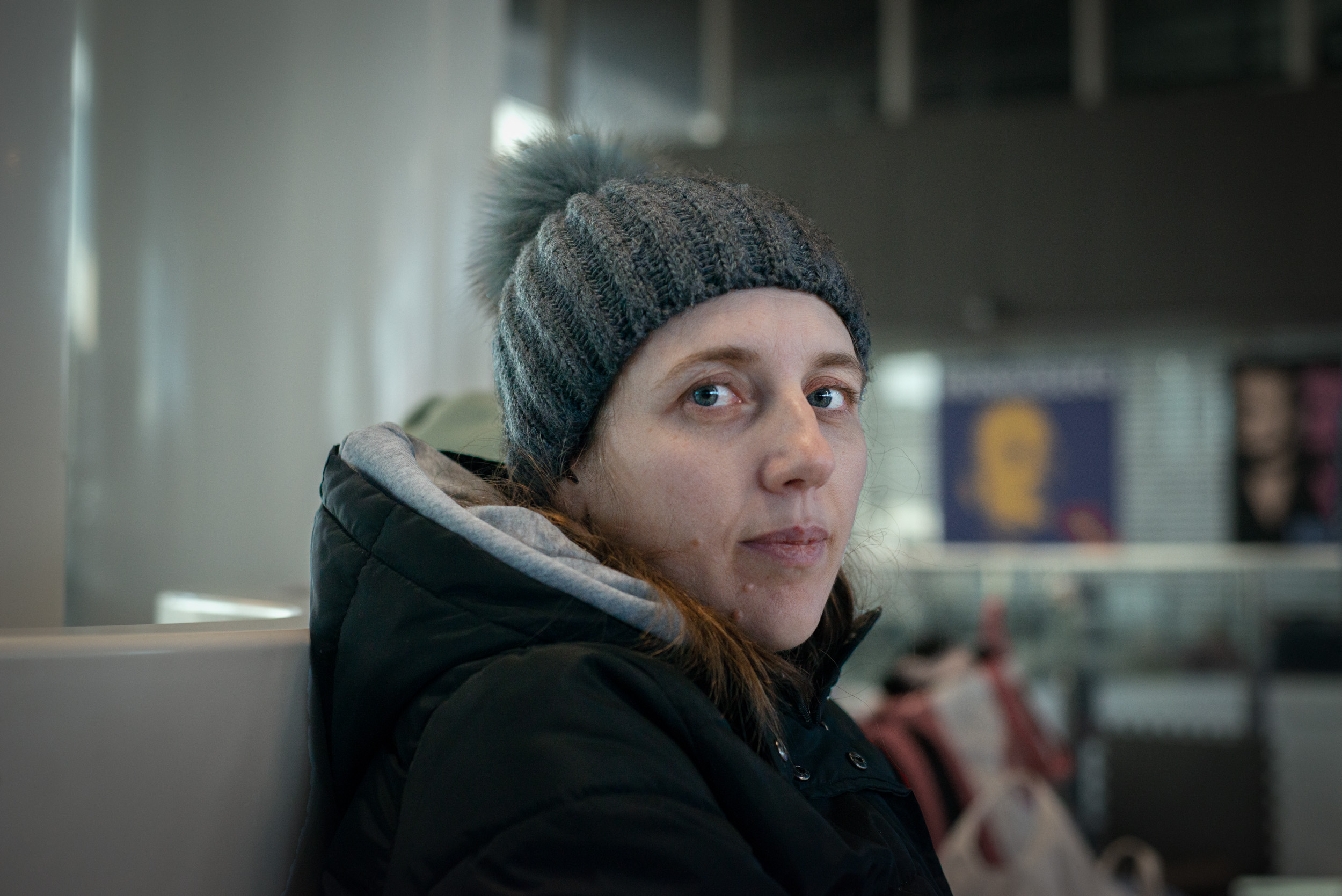
“I don’t watch the news,” she tells us. “I am holding on. I'm not panicking. I see people around me falling into a depression.”
As a mother of five, she must stay strong, she says. She must solve questions only “one day at a time” and cannot afford even “one minute of weakness.” Despite what has happened to her country, she insists that she holds no anger toward Russia, “only toward the politicians.” She feels guilty as well, for leaving.
“Many of those around me,” she says, referring to neighbors and friends back home, had a different opinion about fleeing. “They decided to stay and defend their city.”
“I am weak in this sense, and they are strong,” she sighs.
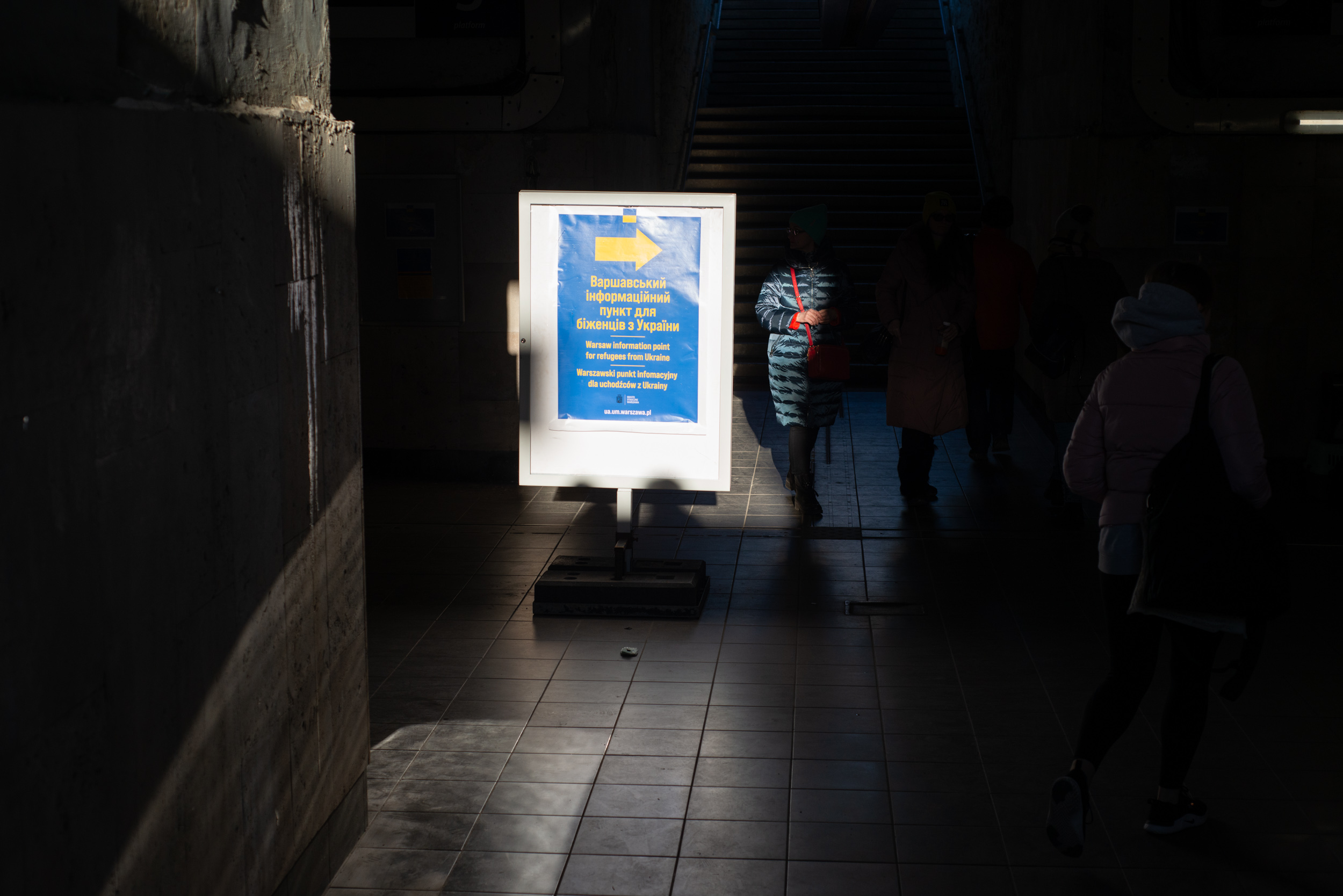
Despite the rather disorganized and frenzied aid response at the station—when asked, most volunteers at the station struggle to identify who is in charge—most refugees are still shocked by the welcome they are met with in Poland.

“I can't believe the kindness we have found here,” Galina Tkachenko, a 68-year-old from Kryvyi Rih told us. “They treat us so well. They come up to us and say,’would you like something to eat, to drink, would you like to sit down?’ I am awe-struck by such warmth.”
She is at the station waiting for a train to Kołobrzeg, a medium-sized Polish city on the south coast of the Baltic Sea. Her daughter, who moved there four months ago, is waiting for her.
She said at first she didn’t want to leave Kryvyi Rih, a city in the center of the country. She believed the Russians would never go so far, but her son, a professional soldier in the Ukrainian military, convinced her to go. Most of her elderly friends elected to stay.
“Some are just too sick,” she said. “Others simply don’t want to leave.”
Her son, his fiancee and their child also stayed in Ukraine—but as the war grew fiercer, her daughter changed her mind. If all goes well, Galina said, she will join her in Poland in a few days.
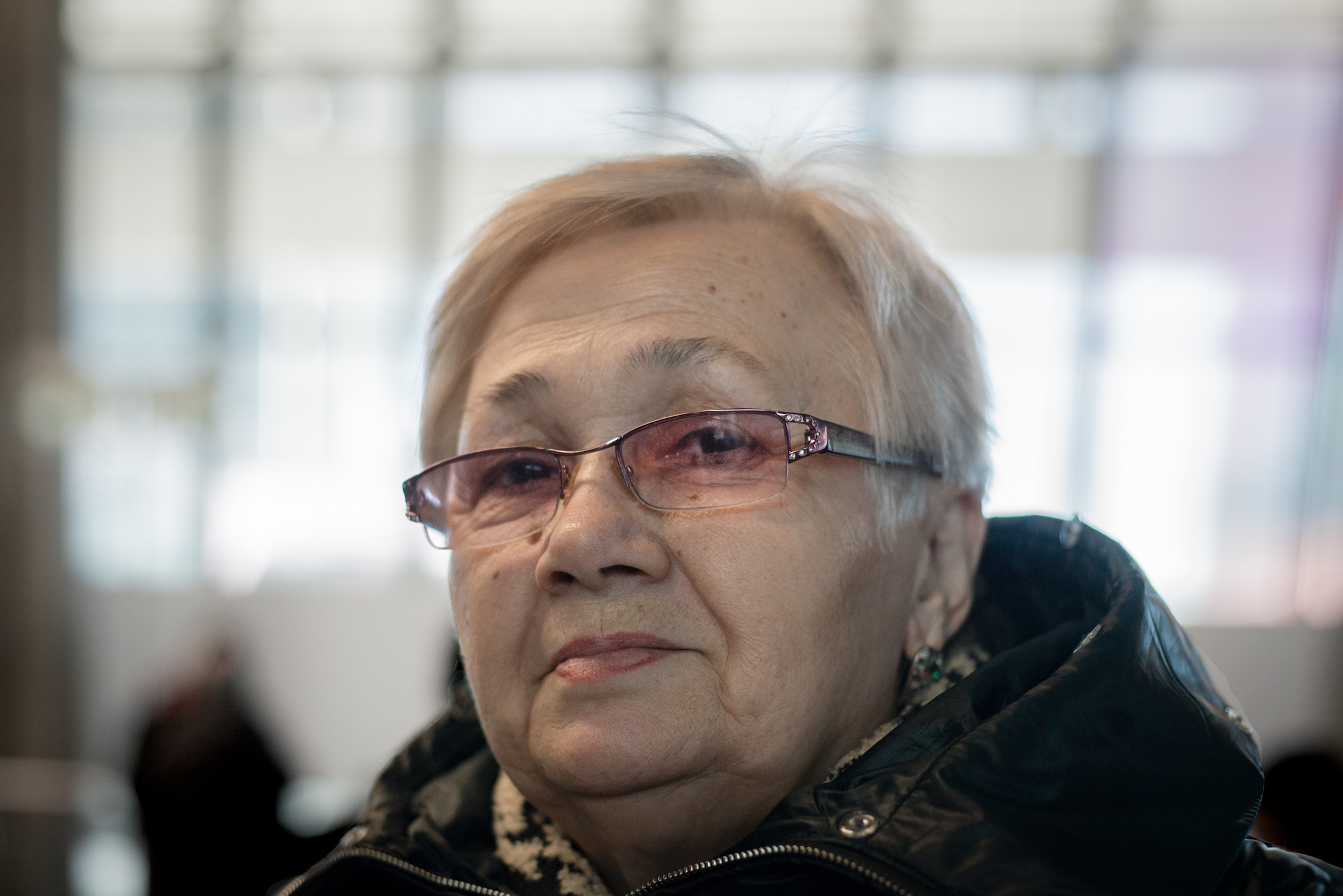
What strikes Galina, an ethnic Russian, as particularly painful is the attitude of some of her friends in Russia about the war.
“Those closer to Ukraine know what's happening,” she said. “But those further away, they just keep talking about ‘Banderites.’”
While both Larisa and Galina appeared relieved when we spoke to them—waiting for trains that were the last leg of their respective journeys—for some Warsaw is only a mid-point or even still the beginning.

One middle-aged shop assistant from Kyiv we spoke to, who preferred to remain anonymous, told us that she and her 17-year-old son had already been traveling for three days, sleeping in train station after train station.
In a few hours they will take the train again, to the port town of Gdynia. There, they will board a ferry and ride for 10 hours to Karlskrona, Sweden, where some friends arrived a few days ago.
As for what they’ll do next, the woman’s answer was simple: “I have no idea.”