Photo Story
Edition:
Rural Life
Archive
The photo story you are reading is part of the Chai Khana archive. From 2015 to 2025, Chai Khana covered the South Caucasus, sharing stories from Georgia, Armenia, and Azerbaijan.
Inside a tea factory in the western Georgian town of Tsalenjikha, 72-year-old Nargiza Gvinjilia sits before a dark mahogany-brown pile of freshly dried tea on a makeshift desk. While she removes stems and twigs with tweezers, her face blooms into a smile. Chinese investment means that tea from Tsalenjikha, once a Soviet tea powerhouse, again has a future, and Gvinjilia’s passion for tea plants a revived purpose.
“The Chinese are rebuilding tea culture,” she claims. “People here were pessimists because the government abandoned them. Our people didn’t work, but they started when the Chinese came.”
Just a few decades ago, such a scenario would have been inconceivable.

Tea has been planted in the subtropical, Black Sea regions of western Georgia since the mid-19th century, but it was the USSR’s enormous demand for tea, hailed as “green gold,” that spurred the intensive development of tea plantations on this fertile land.
In 1985, more than 150,000 tons (165,346 US tons) of tea were produced in Georgia, making it the Soviet Union’s main producer of the antioxidant-rich, caffeinated drink. Agricultural research institutions were established and new strains of tea developed. The beverage was promoted as an appetite suppressant and a source of energy for workers.
“There were plantations everywhere and the whole village worked in them,” recalls Gvinjilia, who started picking tea leaves at the age of 12.“Factories were open 24 hours a day because there was so much work,” she adds.
“The scent of tea was everywhere” during the summer harvest season, recollects 52-year-old Tsalenjikha physician Maia Maglakelidze. “We would open the window to smell it. You could smell it throughout the whole town.”
“All these big houses . . .” she continues, sweeping her hands across a view of Tsalenjikha, a town of 3,847 people. “They were built thanks to tea.”
That prosperity ended with the Soviet era. The scent of tea is no more.
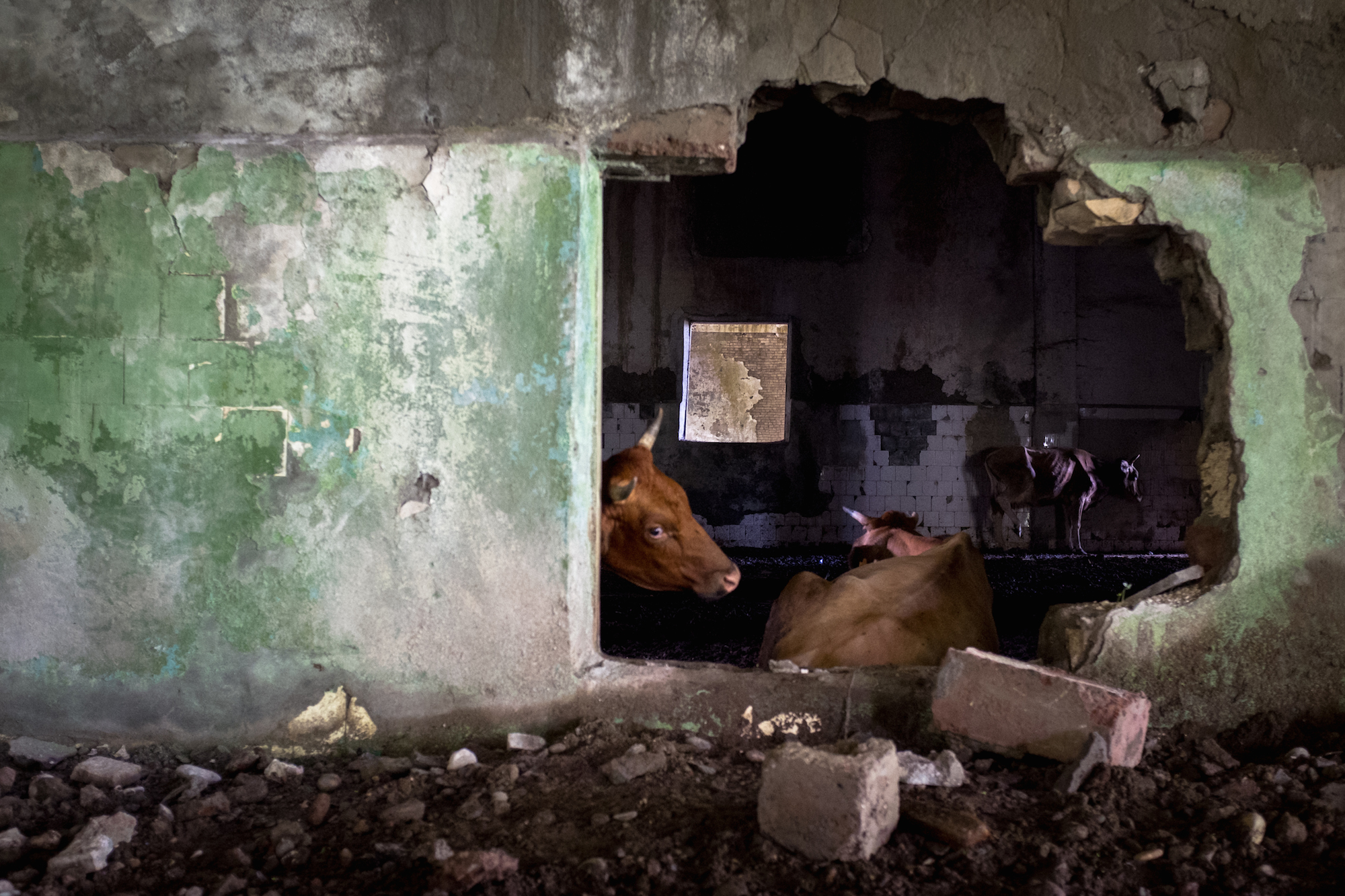
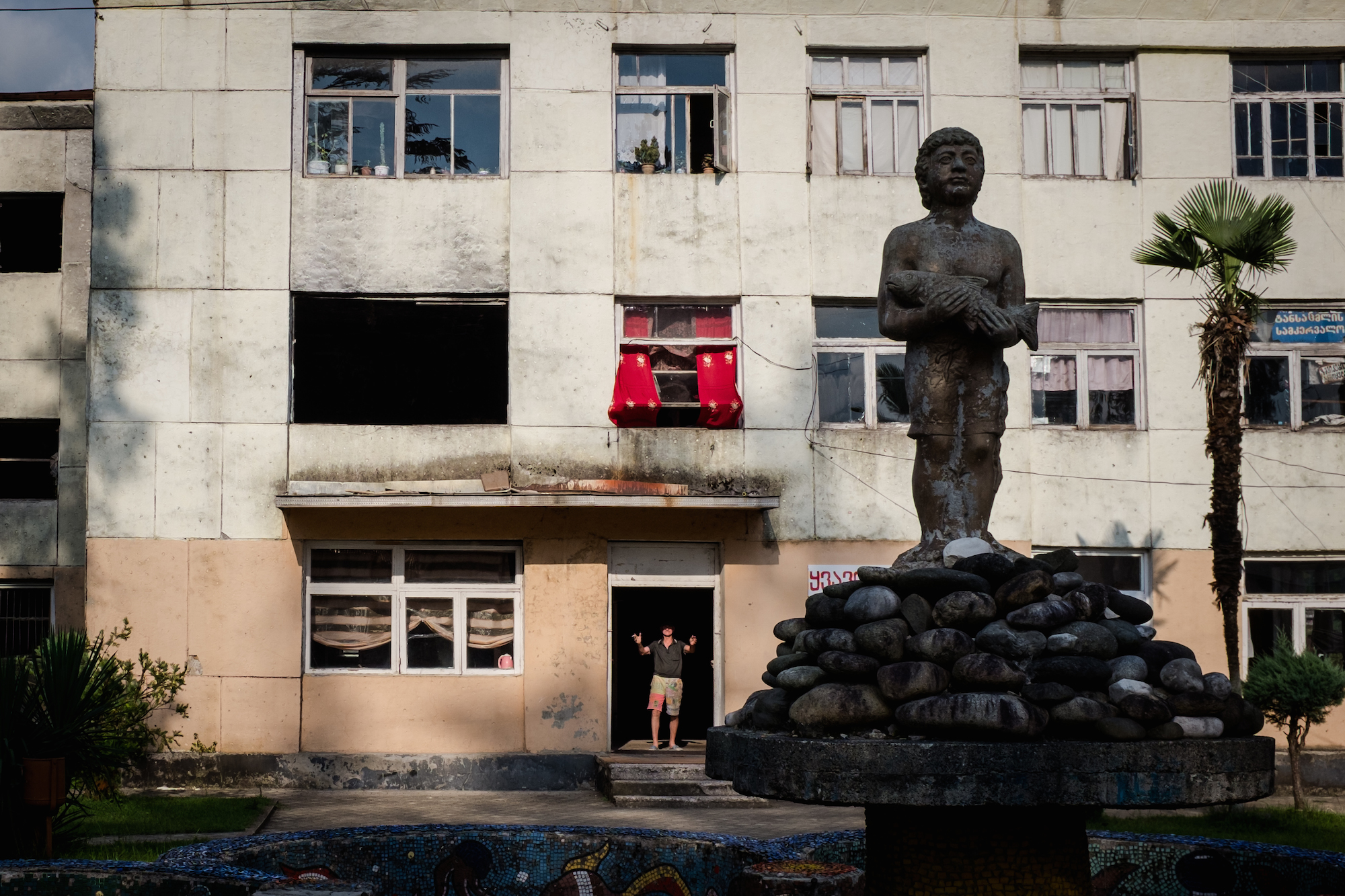
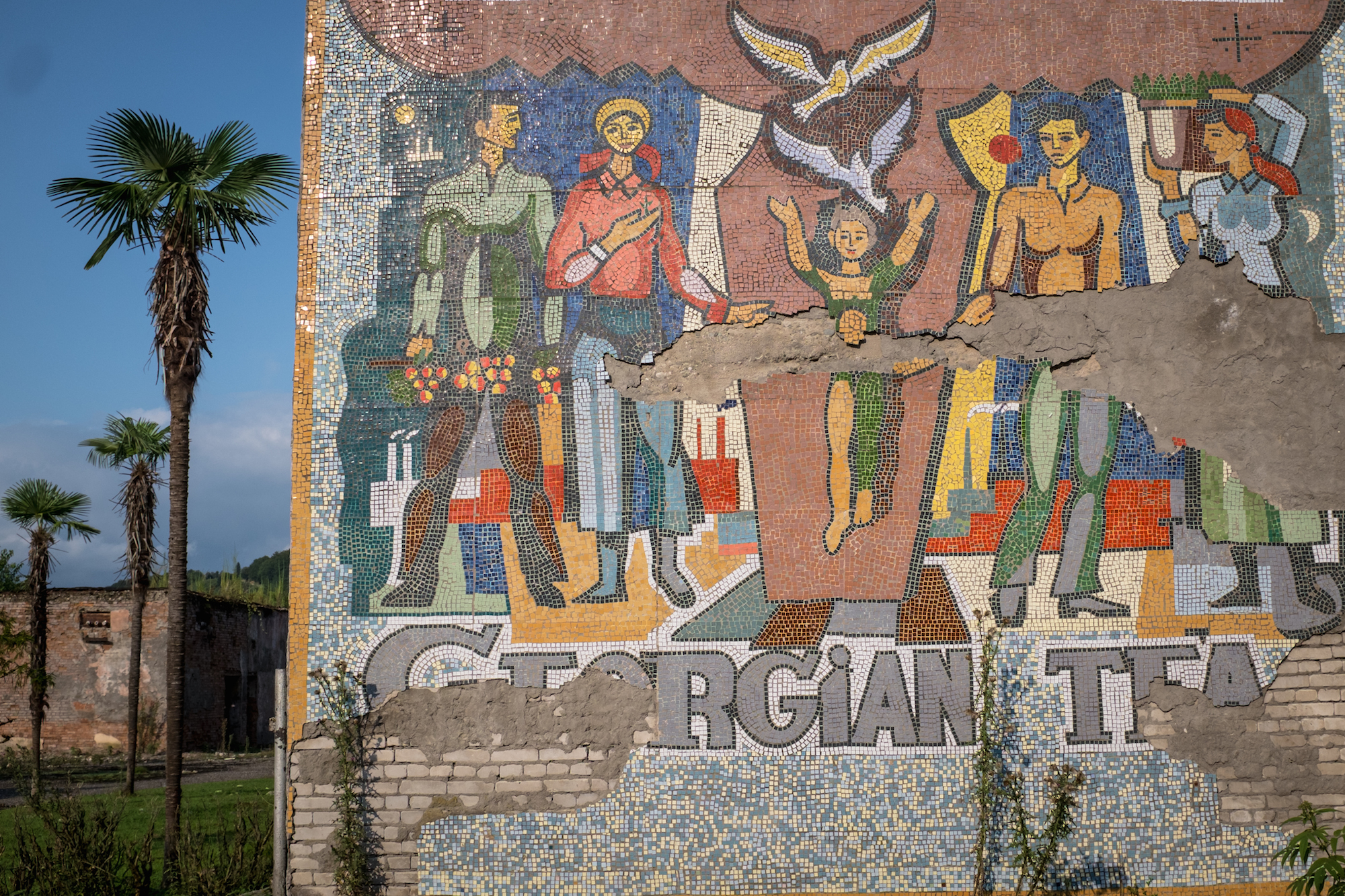
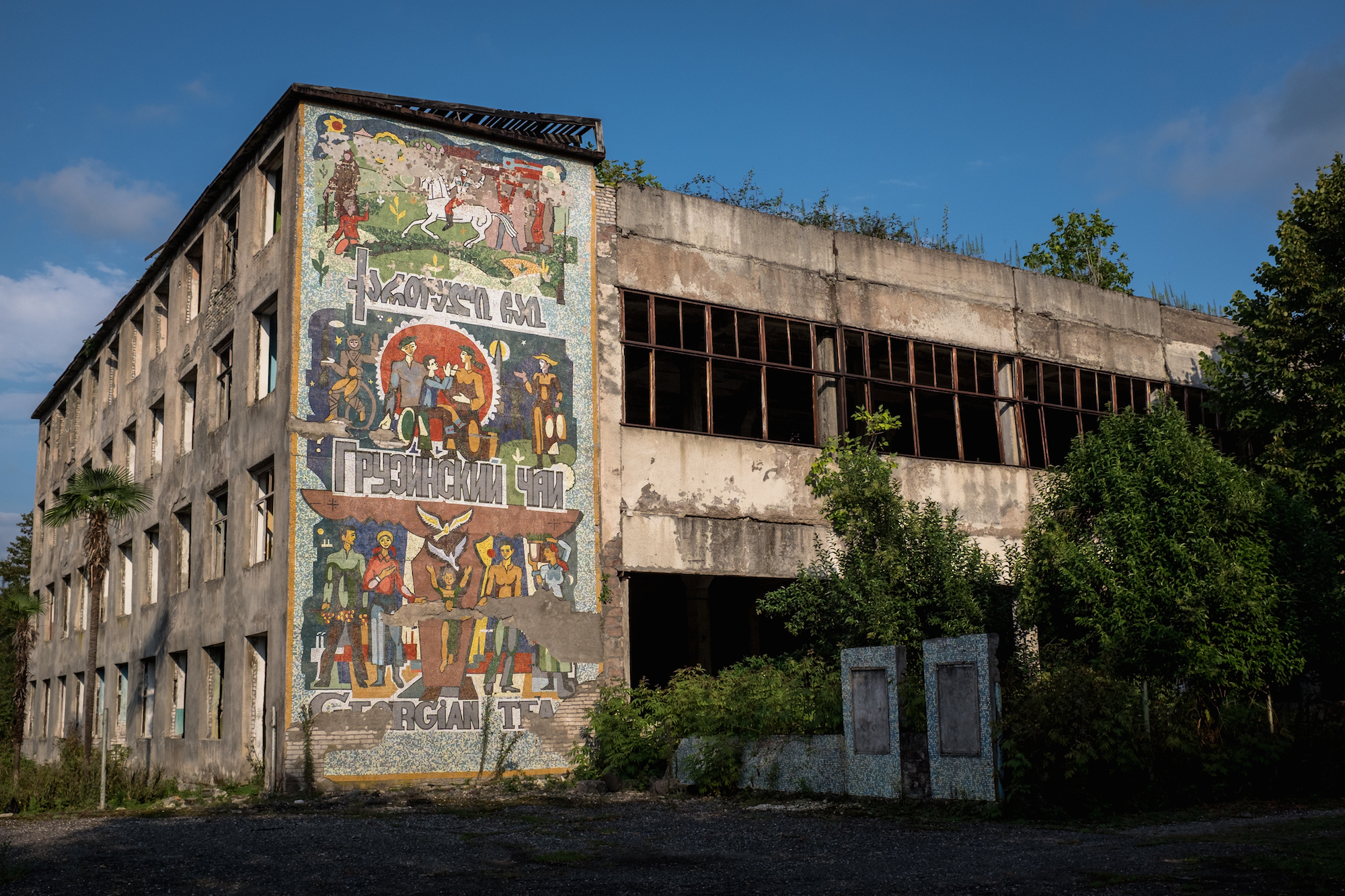
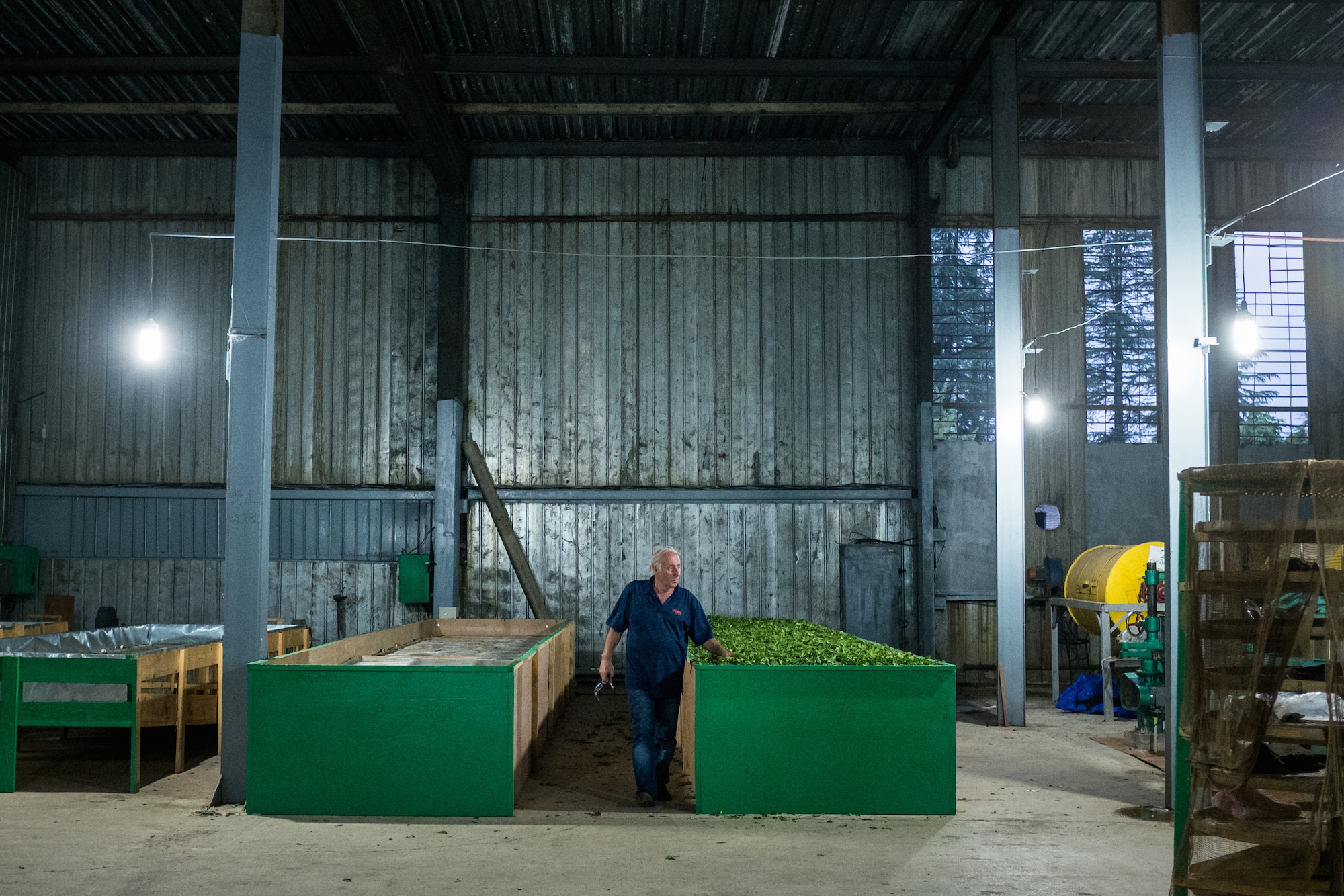
Today, out of Tsalenjikha’s six former tea factories, only the 35-employee Lazi factory, where Gvinjilia works as a technologist and tea taster, survives. Most of the town’s tea bushes are overgrown or serve as fodder for the cattle often seen wandering through the ruins of tea factories.
Yet with global demand for tea steadily growing, China, the world’s largest producer and consumer of the beverage, sees an opportunity here.
Chinese investments in Georgia, a crucial link in Beijing’s Silk Road to Europe, already range from real estate to railways. Ahead of a 2017 free-trade agreement, tea was added to the mix. China agreed to help Georgia’s struggling tea industry expand its output and improve its quality.
The Georgian tea plantations are all within easy reach of the port of Poti, with its majority-Chinese-owned Free Industrial Zone.Under a free-trade deal, Chinese importers need pay no tariffs on tea shipped from Georgia.
Most of Lazi’s production still goes to former Soviet republics -- aside from Georgia, Ukraine, Tajikistan, Turkmenistan and Uzbekistan -- but, this year, some seven to eight tons were shipped to China.
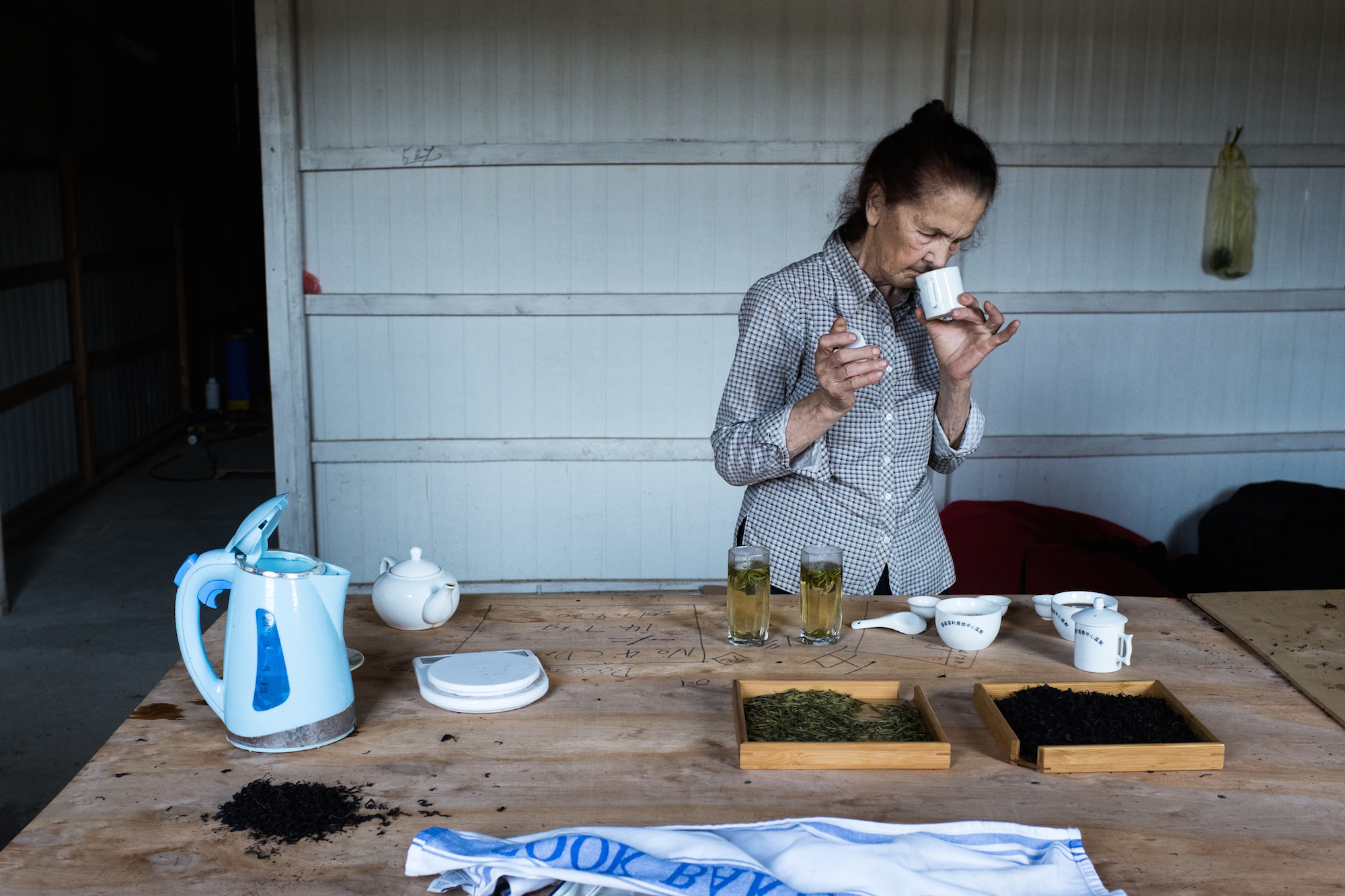
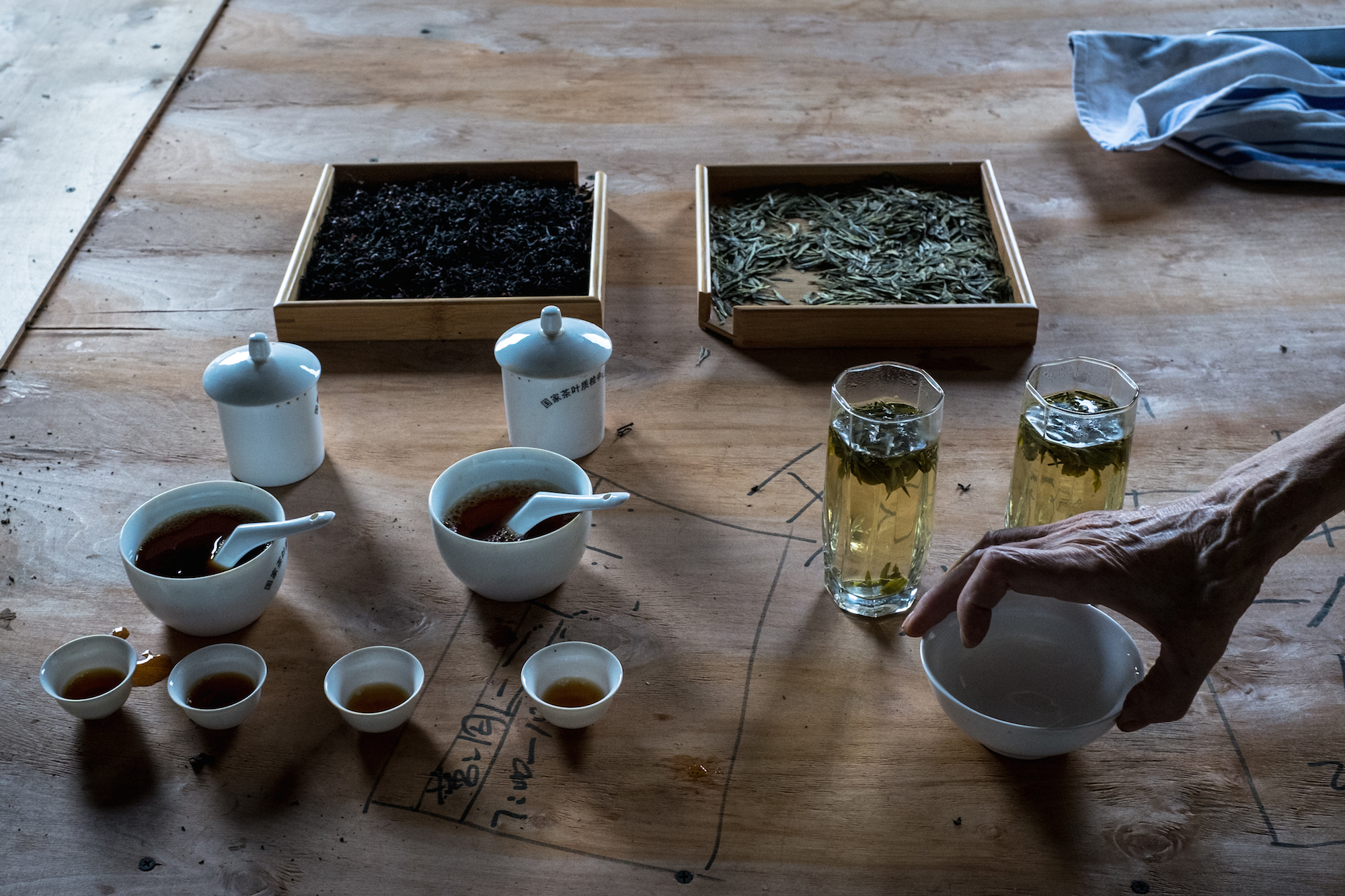
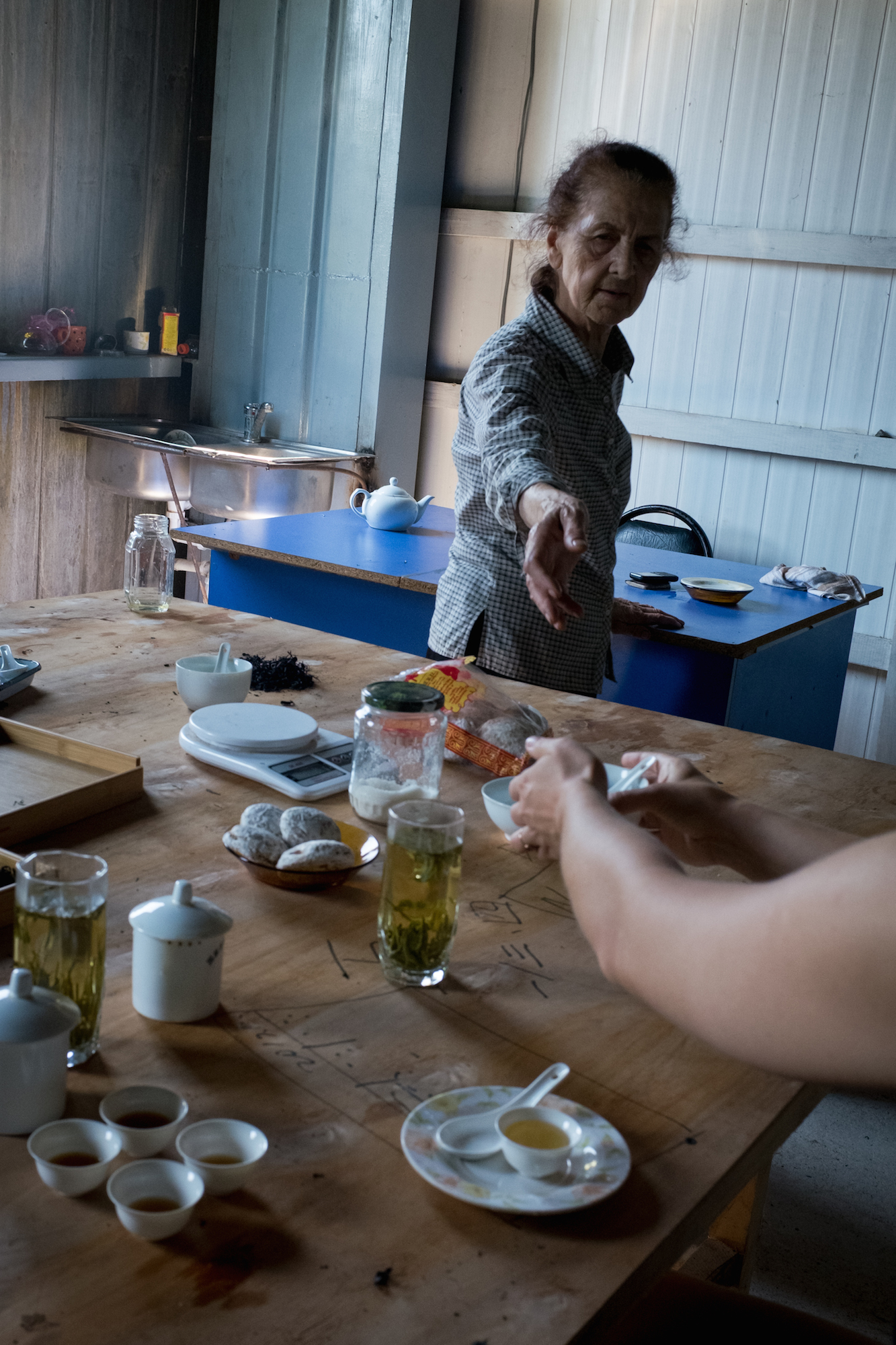
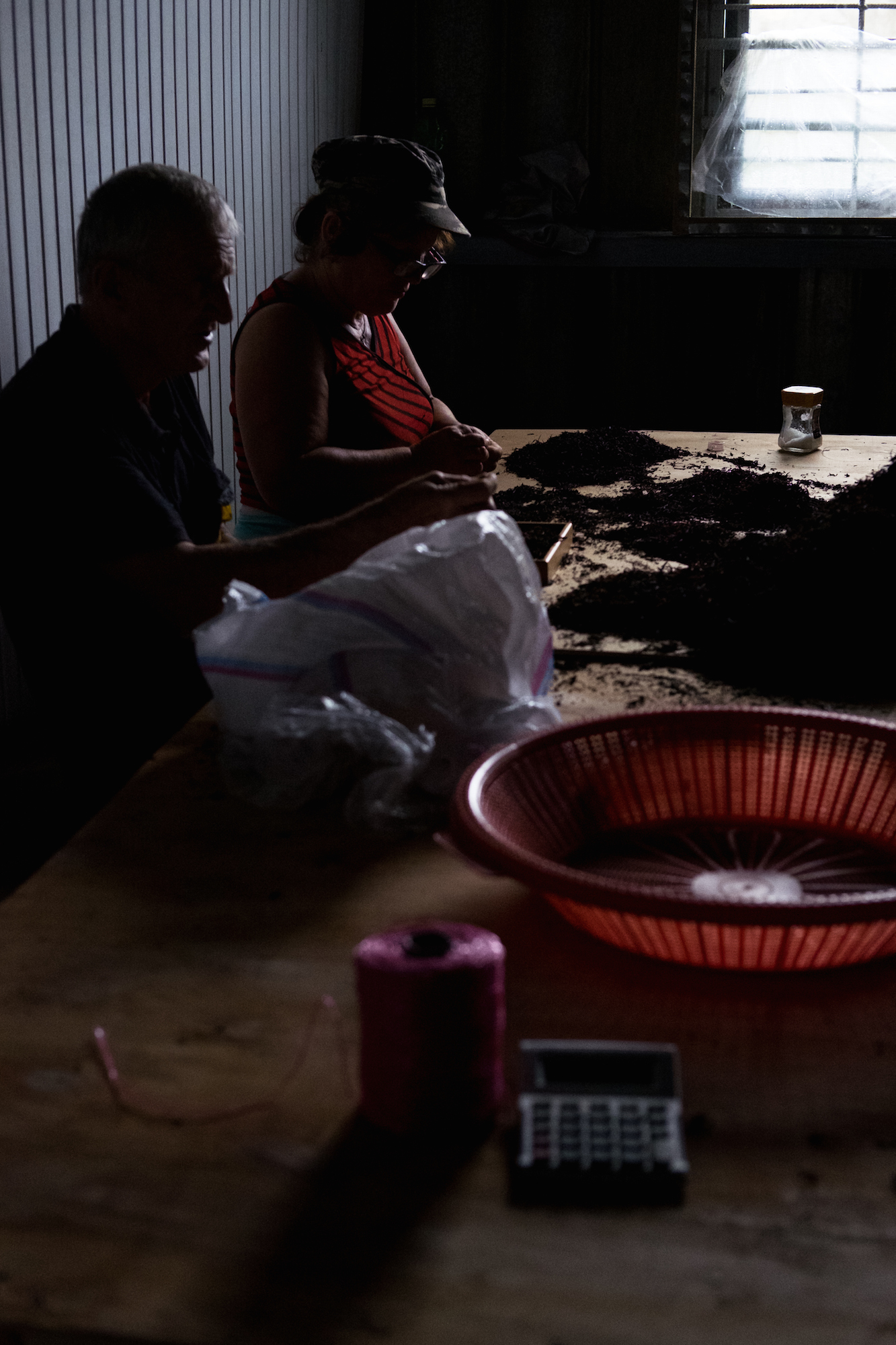
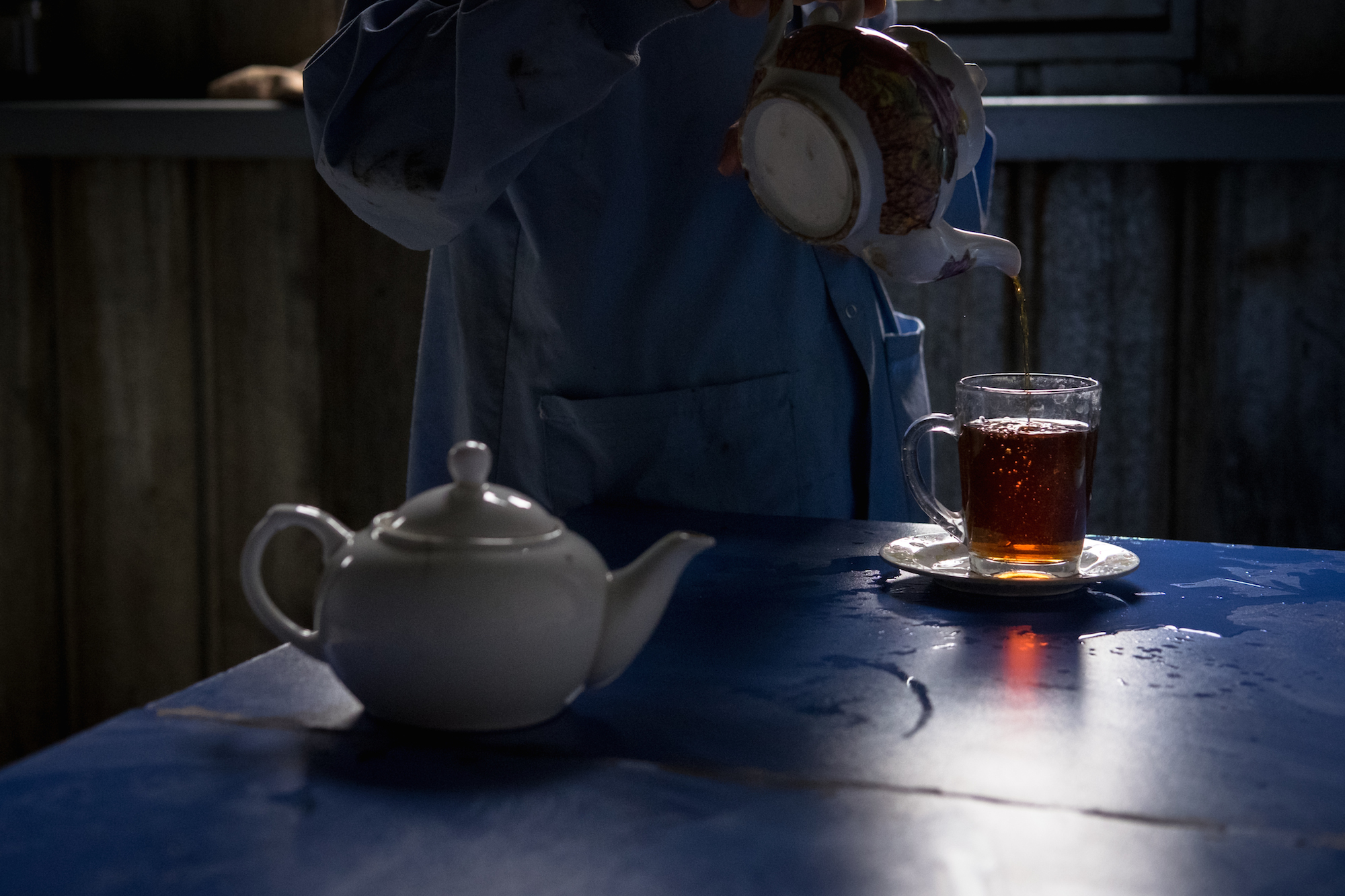
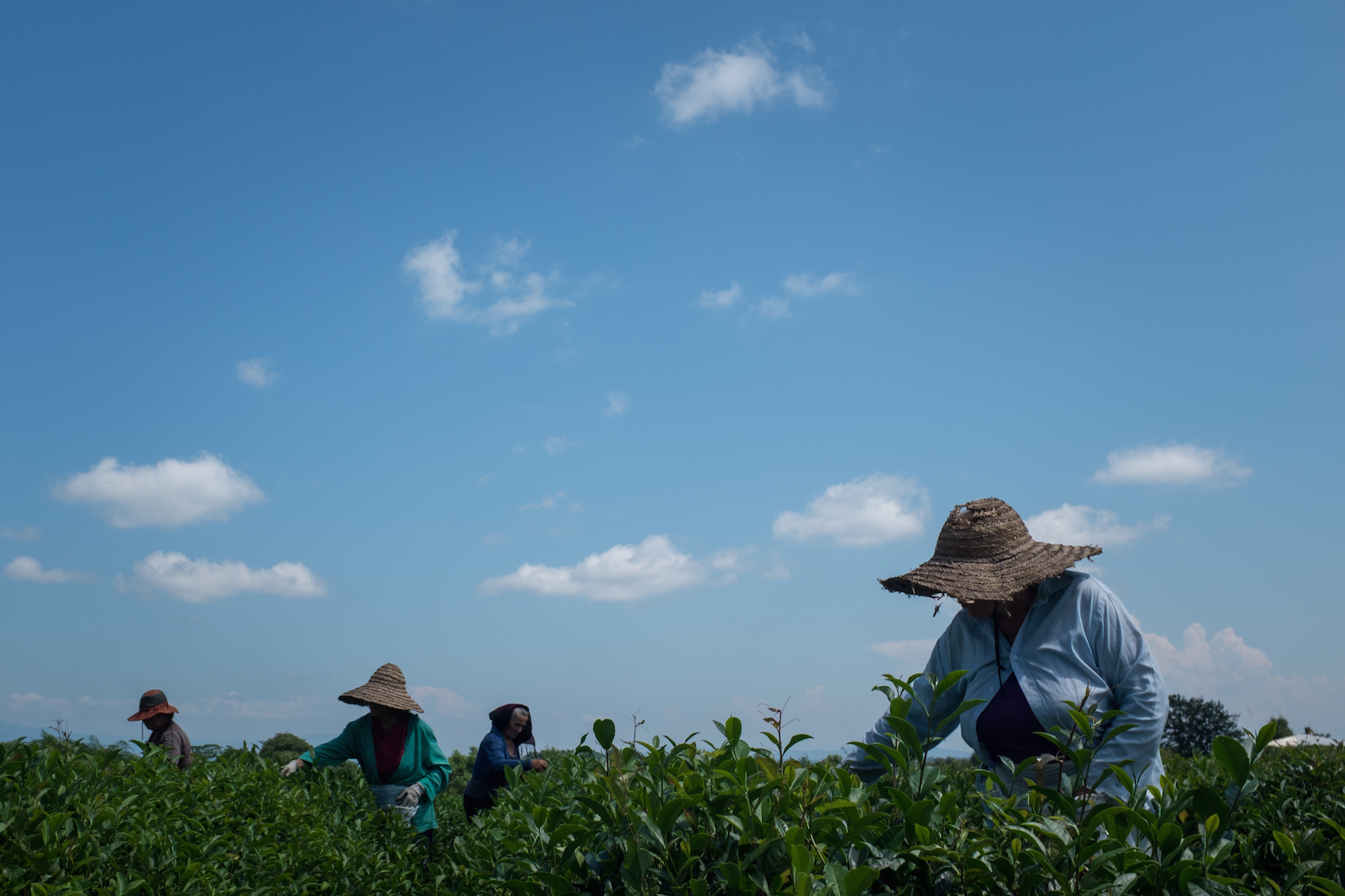
Lazi’s deal with China’s Chedzani Ranrani Biotechnology came about through a chance encounter, as the company was scouting for tea opportunities in western Georgia, says Deputy Director Konstantin Megonia. Chedzaani Ranrani Biotechnology’s investment of $80,000 now provides work for the factory’s tea-pickers in May and June, the two months during the official four-month harvest season when the tea leaves are thought to be at their best. Since last year, the number of such casual laborers, mostly women, has increased threefold -- from 100 to 300, according to Lazi General Director Goneri Salia.
Wages have increased, too, claims Gvinjilia who supervises these workers. During the harvest, tea-leaf pickers can earn between five and 35 laris (about $2 to $14.29) per kilogram of tea leaves. This is a welcome difference from the usual range of one to one and a half laris (41 to 61 cents) per kilogram.
The highest fees go to bags filled with only the top two leaves of the plant. They are considered “the best.”
It’s Gvinjilia’s palate that determines the standard for Lazi tea.
“You can extract more flavors from the top two leaves,” she elaborates. “These are the ones that the Chinese want.”
“This is why tea should be picked by hand,” she adds.
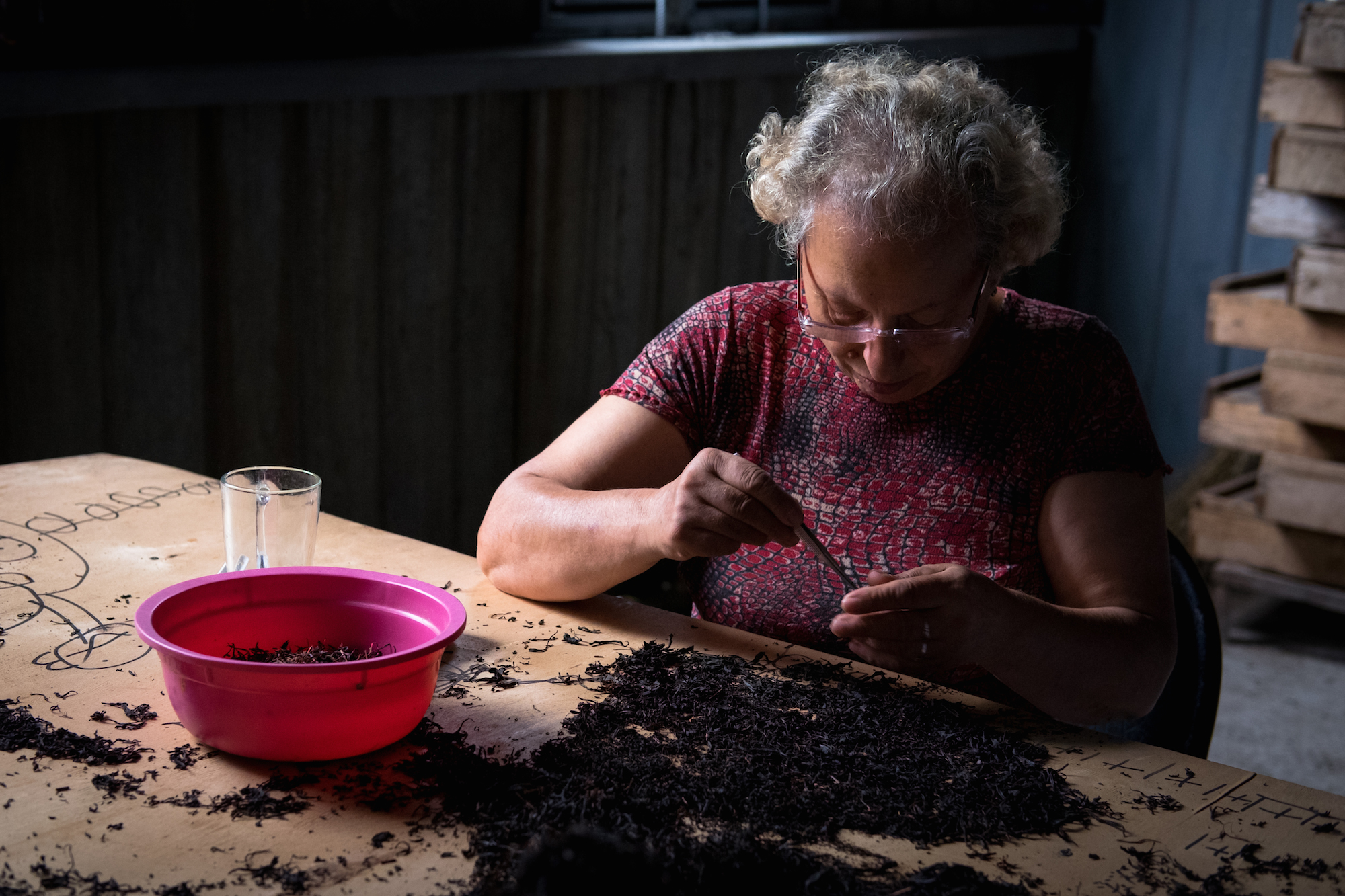
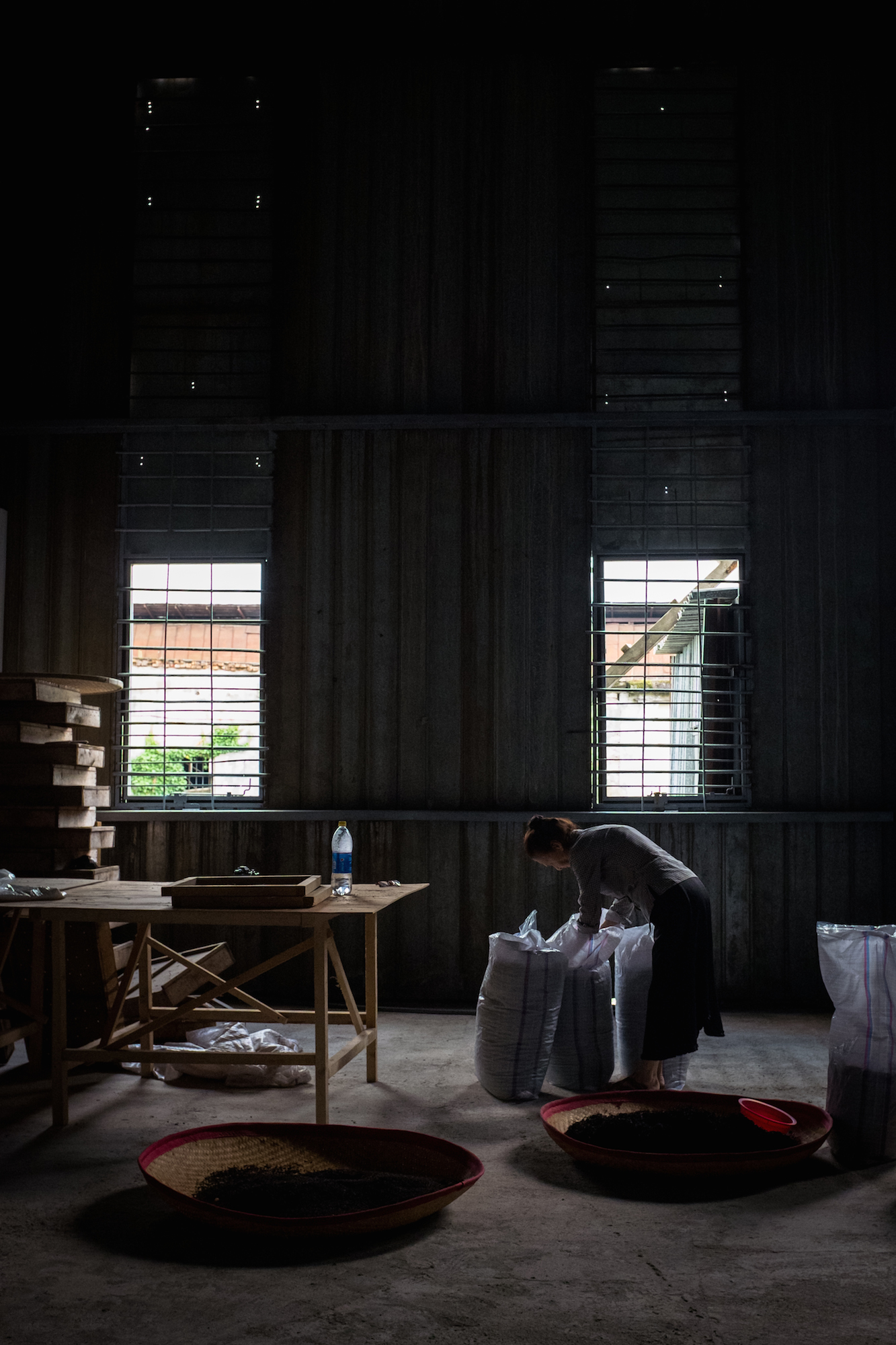
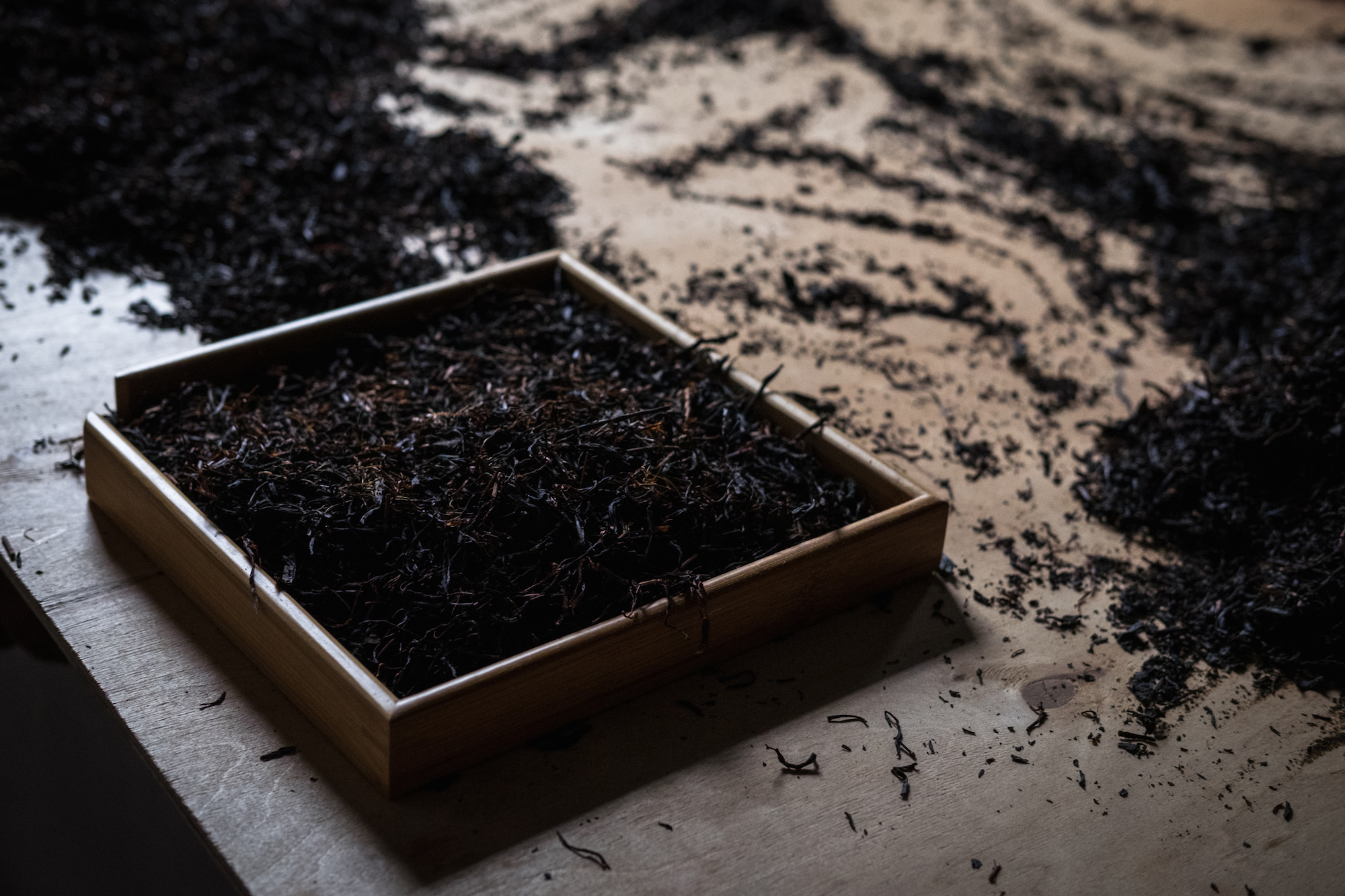
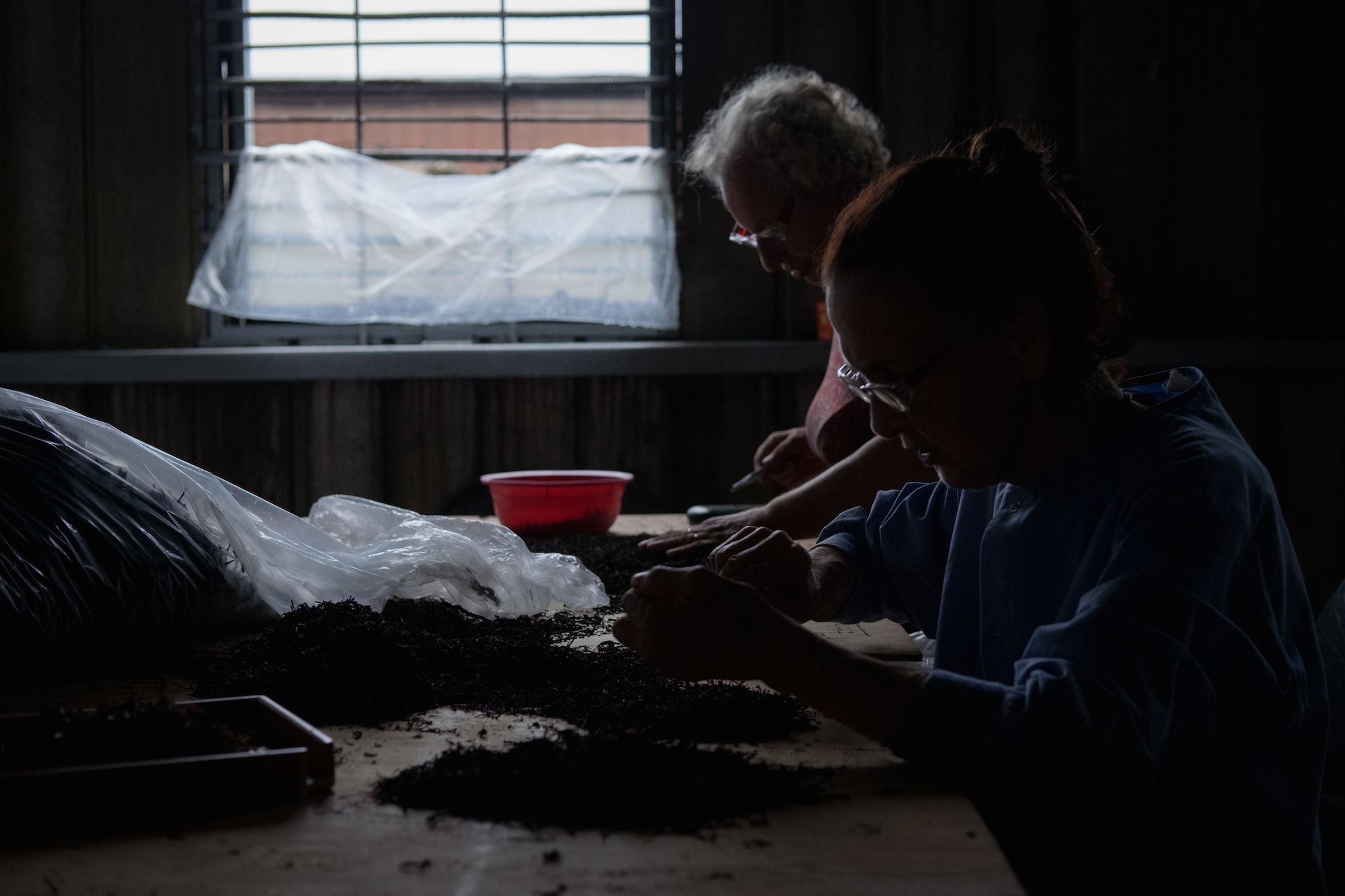
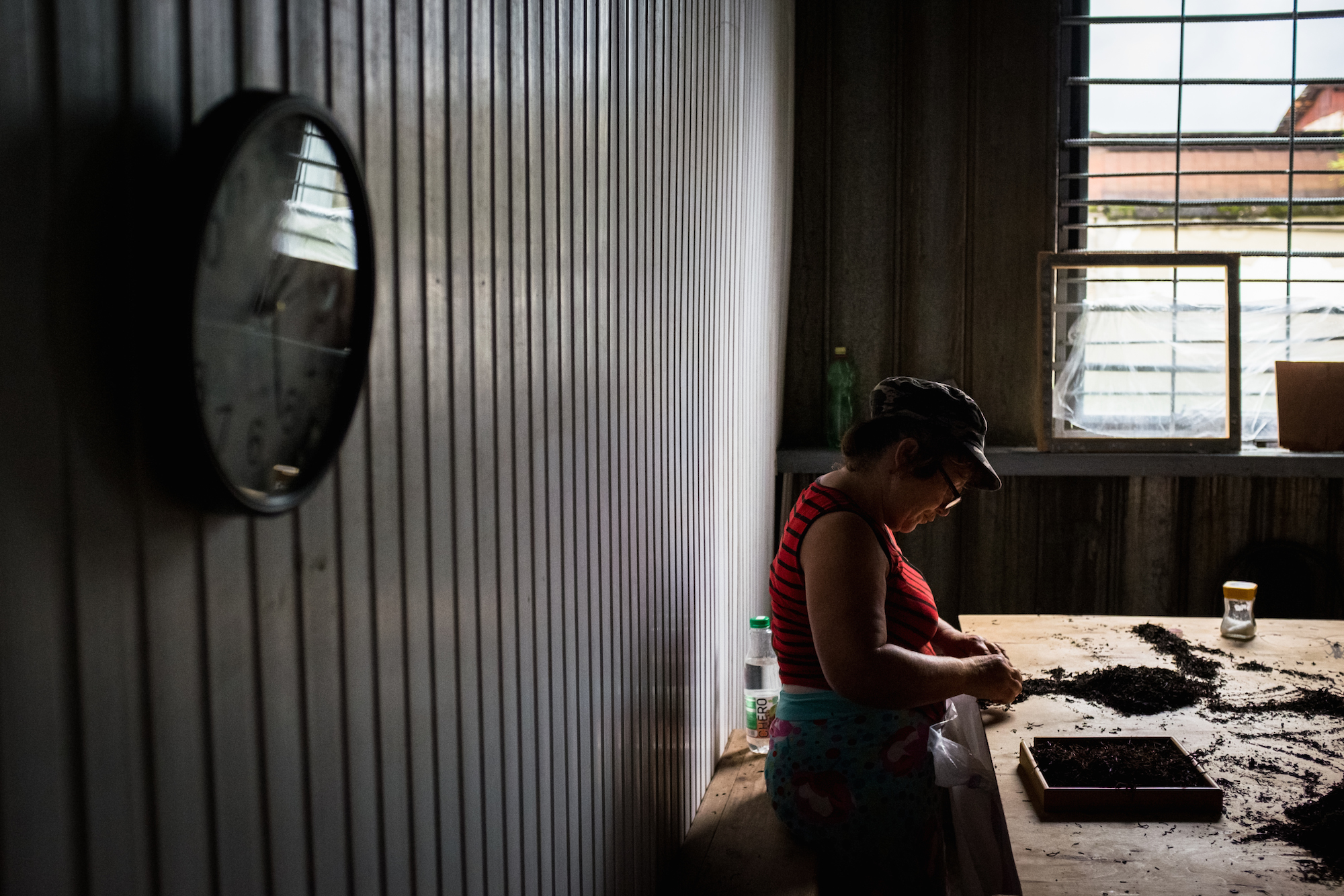
But technology counts, too.
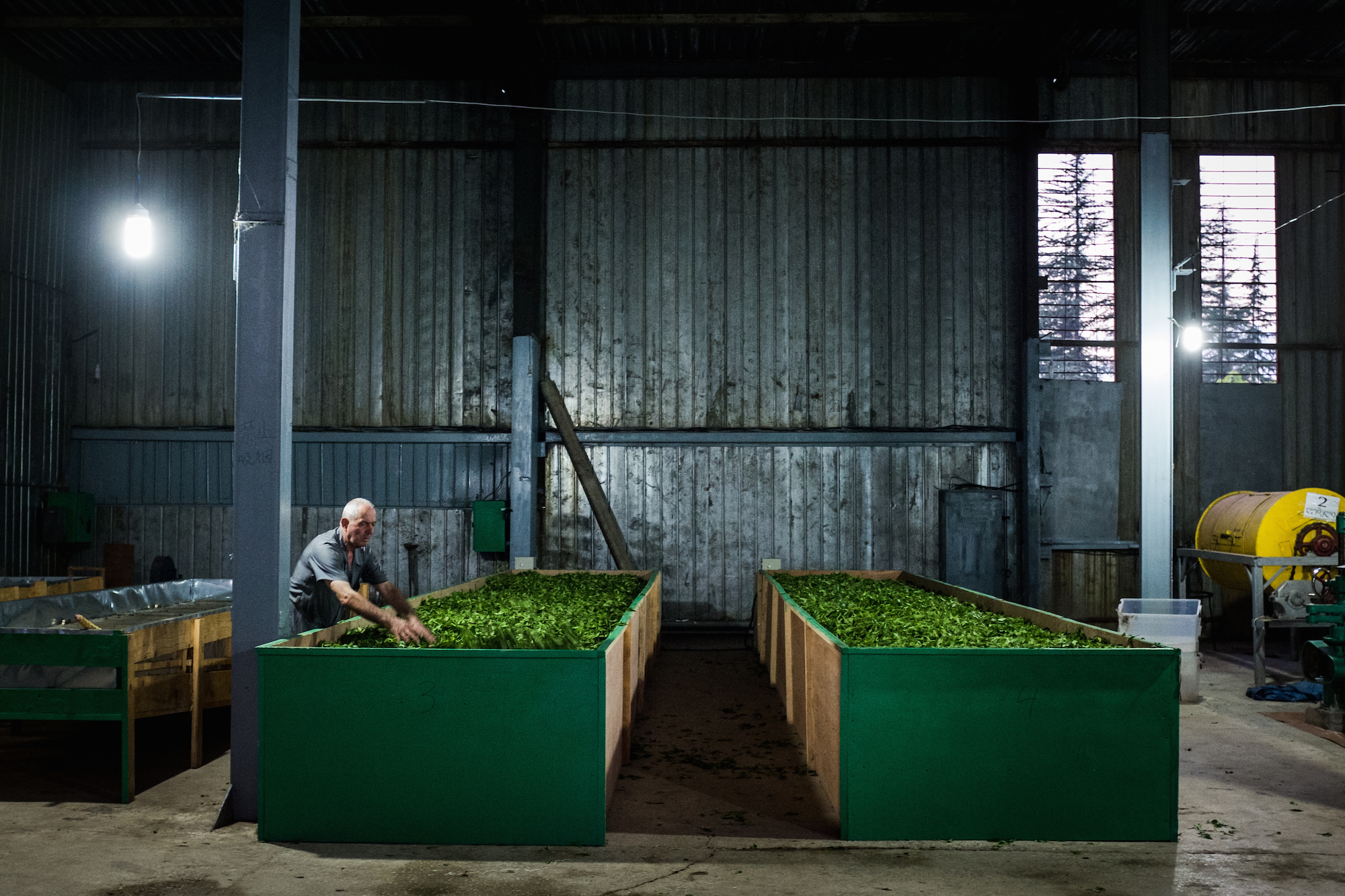
Lazi’s Chinese partner has provided three small machines for rolling fresh tea leaves and four for the drying process. A separate machine is used for drying and producing hourly two kilograms (four pounds) of high-quality green tea, the tea of choice in China.
Chinese experts advise on the equipment’s use, and swap knowledge with their Georgian counterparts. As part of the cooperation, two Lazi employees have been invited on a three-month-long study-tour in China.
Yet despite the hope that cooperation with China brings, the agreement with the factory is far from permanent and tentative at best. Rehabilitation of a tea plantation can take up to five years and no concrete sign appears to exist yet that the Chedzani Ranrani Biotechnology Company will commit to that timeframe.
For the ten months of the year when China isn’t involved with Lazi’s production, the factory struggles to find the cash to both pay salaries on time and market Lazi tea to grocery-store chains, employees say.
Maintenance of the Chinese tea machines is expensive and requires specialty knowledge, engineers complain. The Chinese machines shipped to Lazi are leased and not owned by the factory.
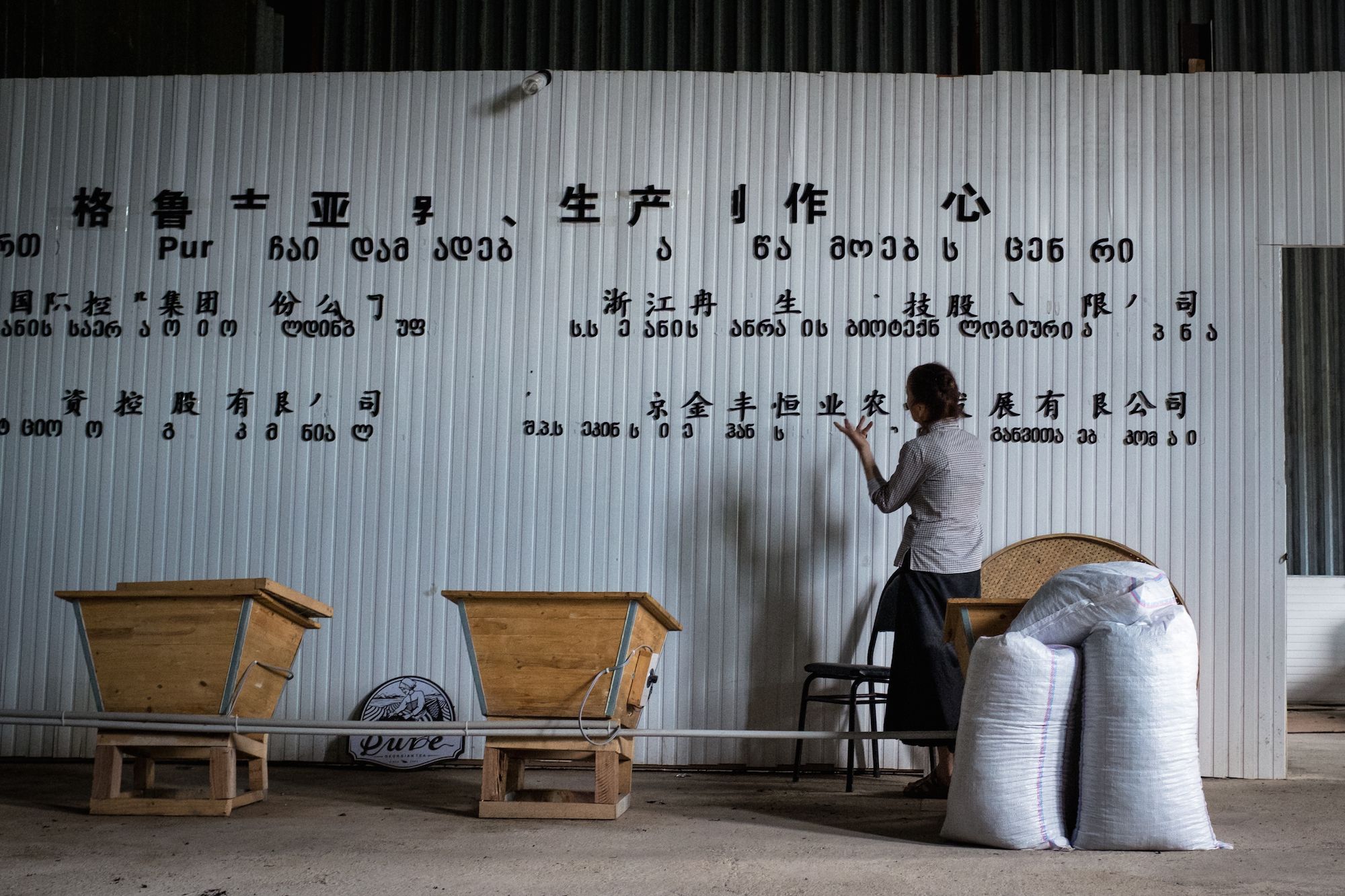
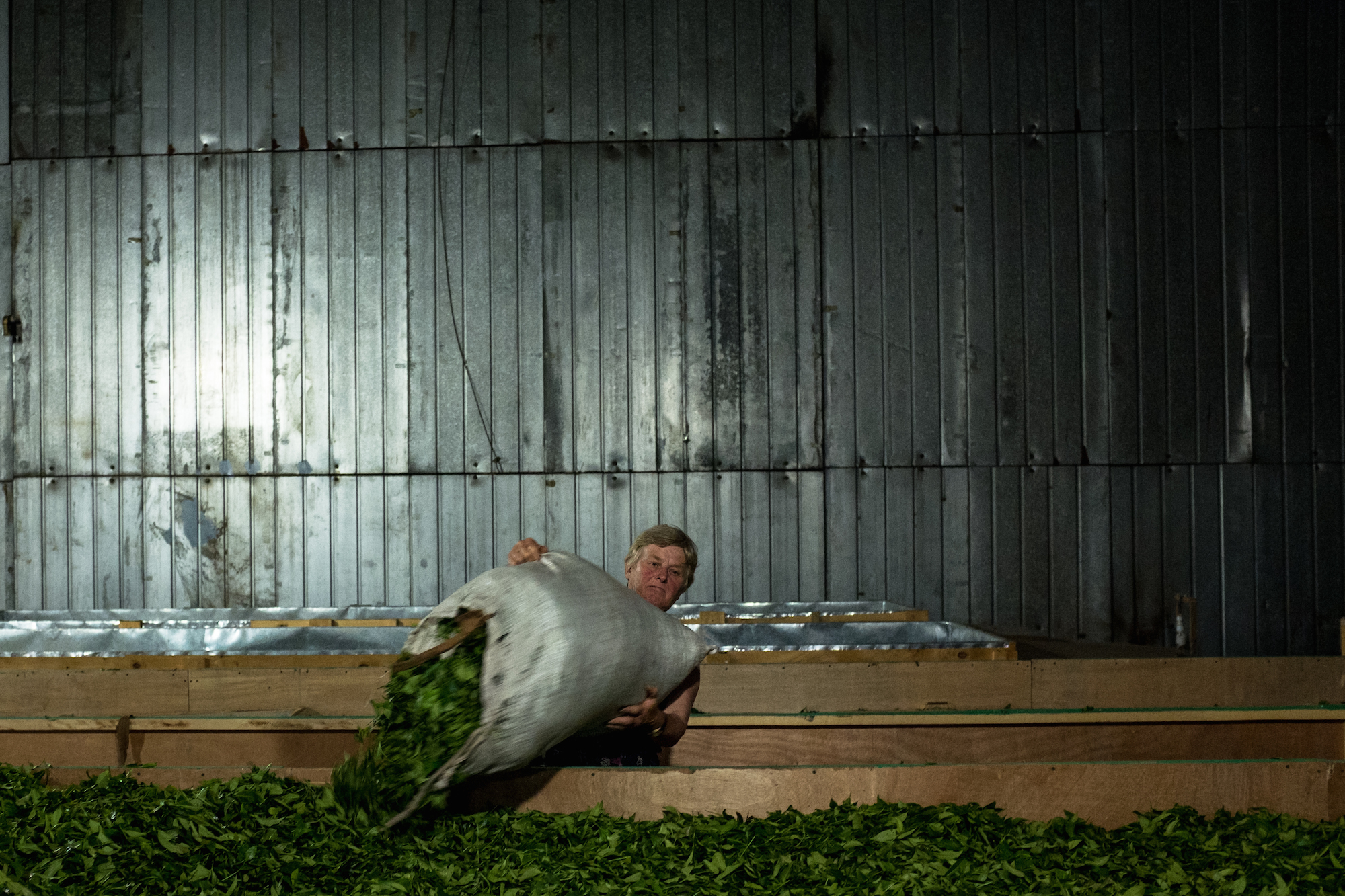
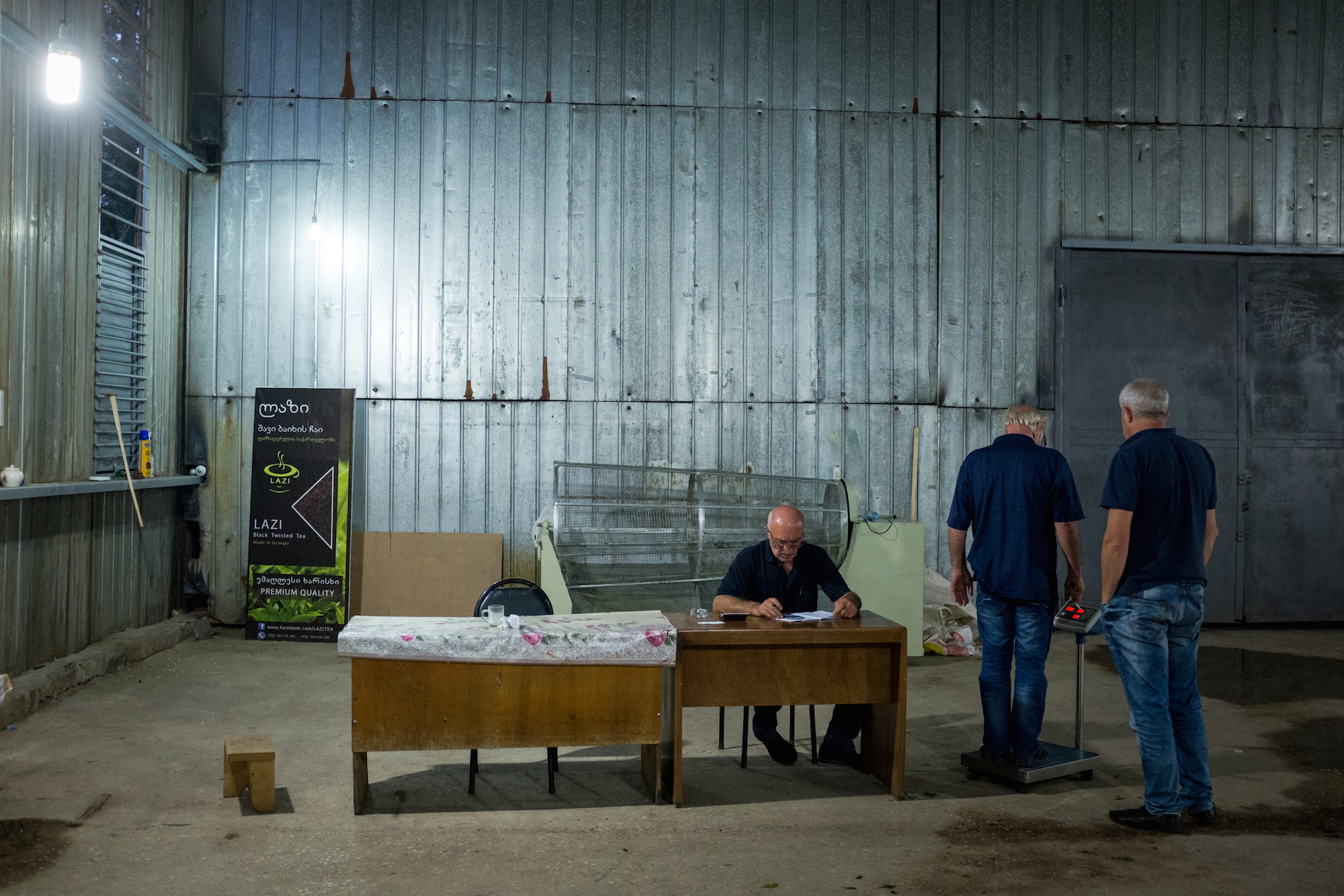
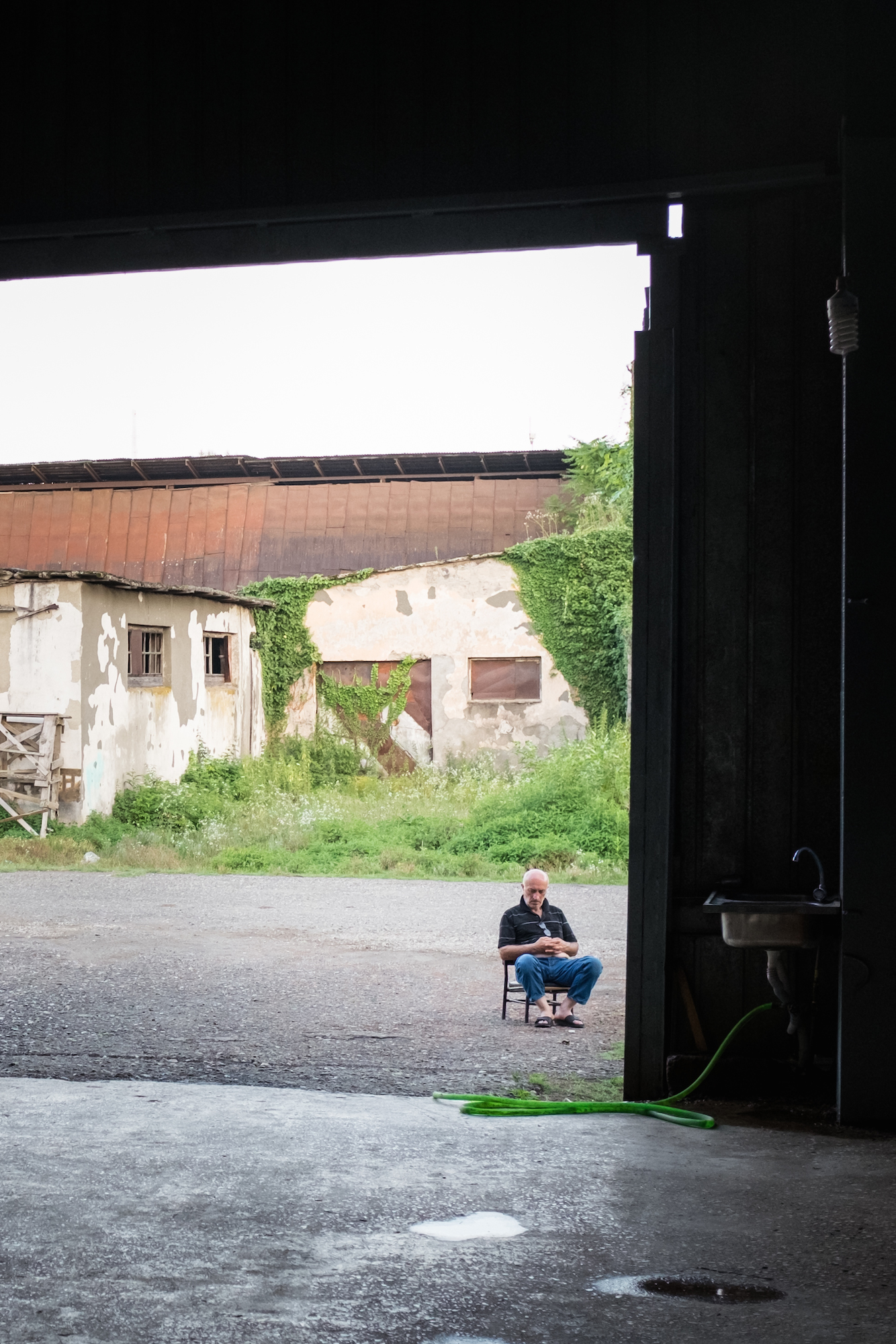
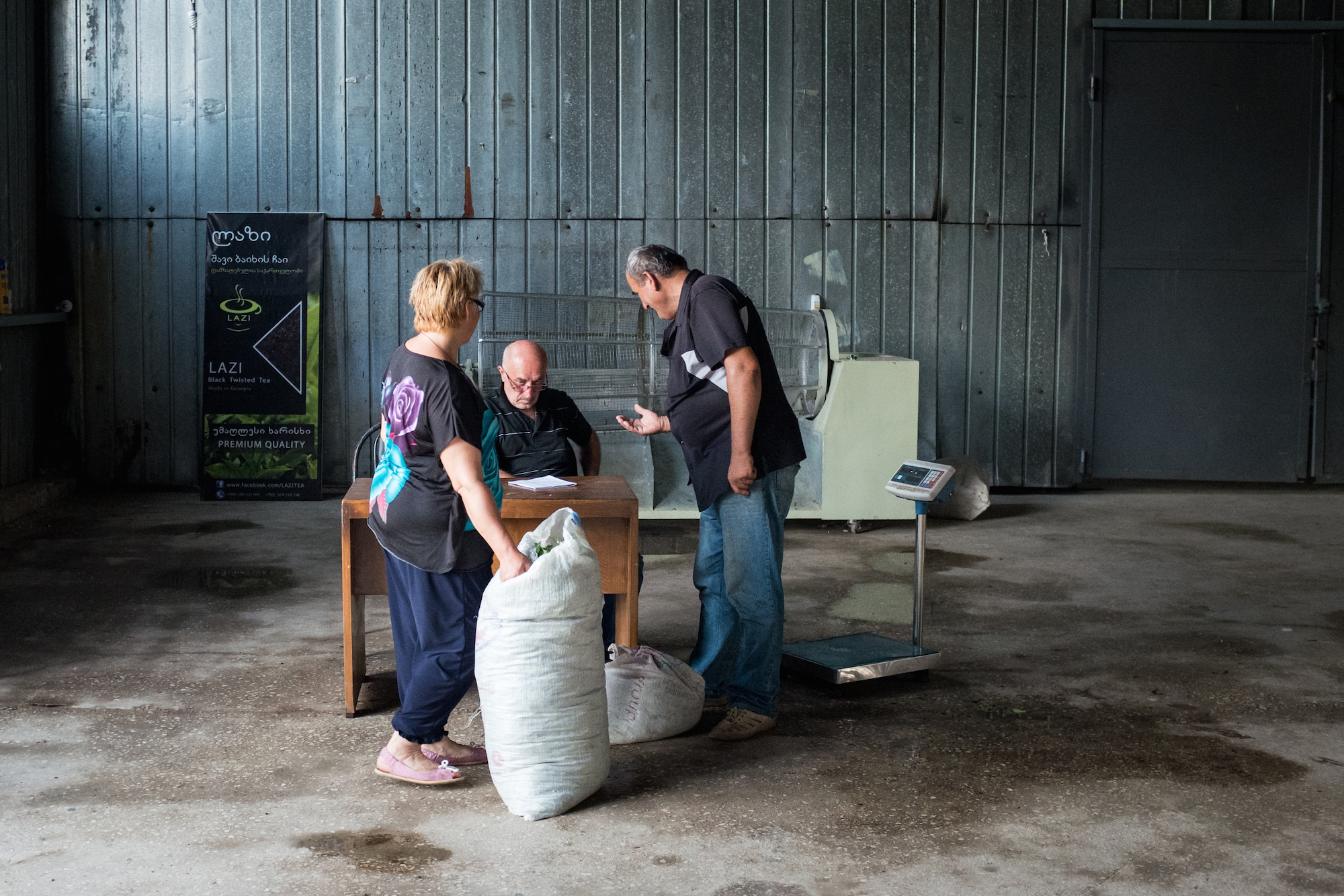
In Lazi’s dark warehouse, the engine for one of these machines has started up.
It hums and creaks with metronomic obedience. In its bowels, clumps of fermenting emerald-green leaves are spinning in orbit, drying with each rotation.
As the motor whirrs, a scent is released. It’s a warm, comforting smell. To the untrained nose, it smells like a sweet blend of freshly mown lawn and the rising-bread scent of a brewery.
To those, like Gvinjilia, who work in the factory, the smell is a mixture of one part nostalgia, one part hope.